Emergency Help for Generator Transfer Switch Problems
A 24-hour electrician can restore safe backup power through a transfer switch. The electrician can find switch faults and fix wiring problems. They can also check the generator connection. Electricians can install or repair manual and automatic transfer switches. They can inspect panels, grounding, and breaker protection. They can also address electrical code concerns. Never bypass the transfer switch. Never connect a generator directly to a panel. Backfeeding can harm utility workers and damage equipment. Call an emergency electrician when the switch won't transfer power. Call when the generator runs without powering circuits. Call when you smell burning odors. Call when you need backup power during an outage.
Get a Free Estimate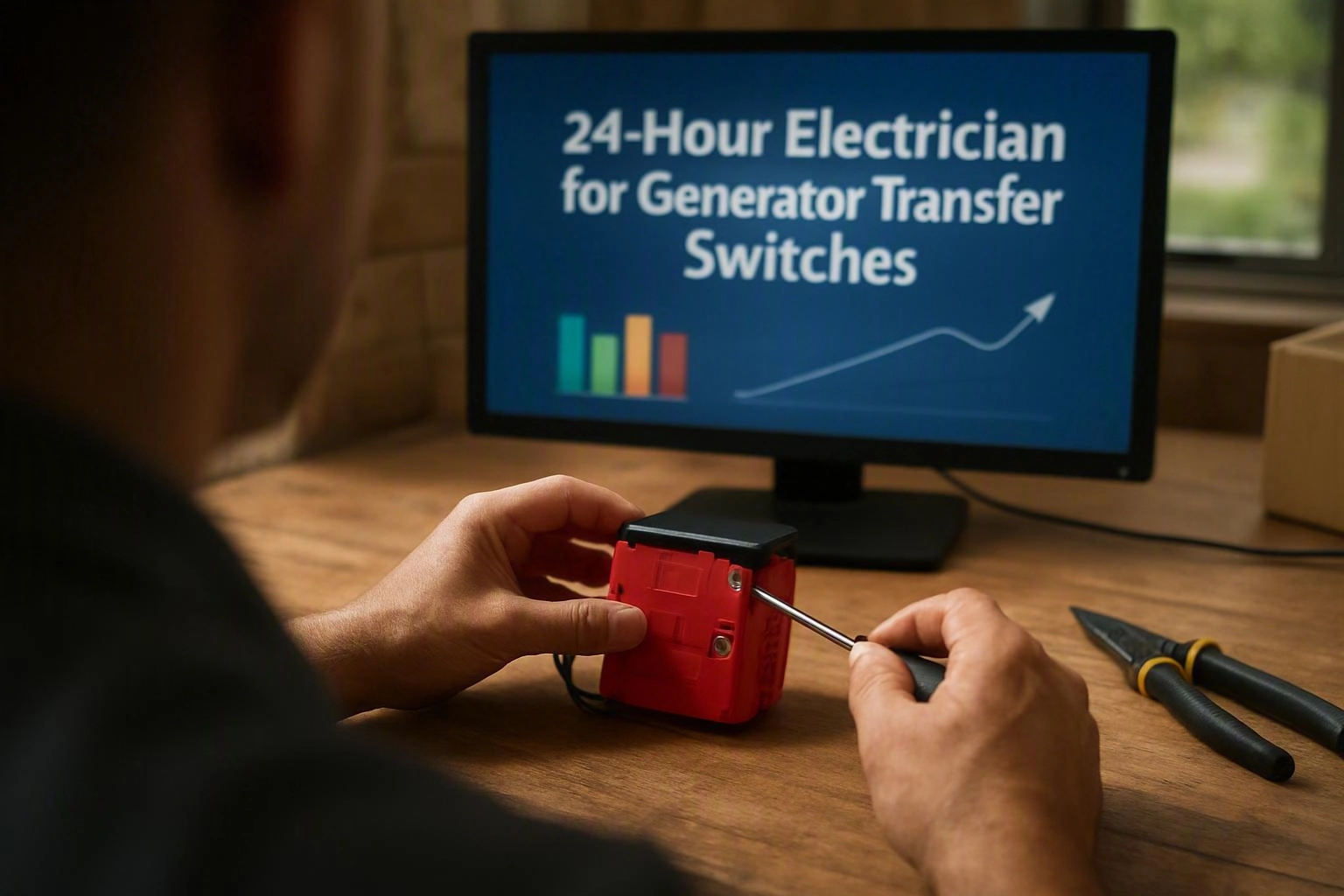
Chris Miller Electric helps homeowners with generator and transfer switch problems. Our team can inspect the equipment and explain the issue. We'll suggest repairs that fit your home's design.
Why Homeowners Need a 24-Hour Electrician for Transfer Switches?
A 24-hour electrician can fix transfer switch problems during urgent outages. Fast help matters when an outage affects medical tools, heat, food, pumps, or security. An electrician can find hazards and prevent generator backfeed.
Backup power needs can change during a long outage. We focus on the circuits your home needs most. A skilled electrician can explain safe steps while damaged equipment stays off.
How a Generator Transfer Switch Protects Your Home?
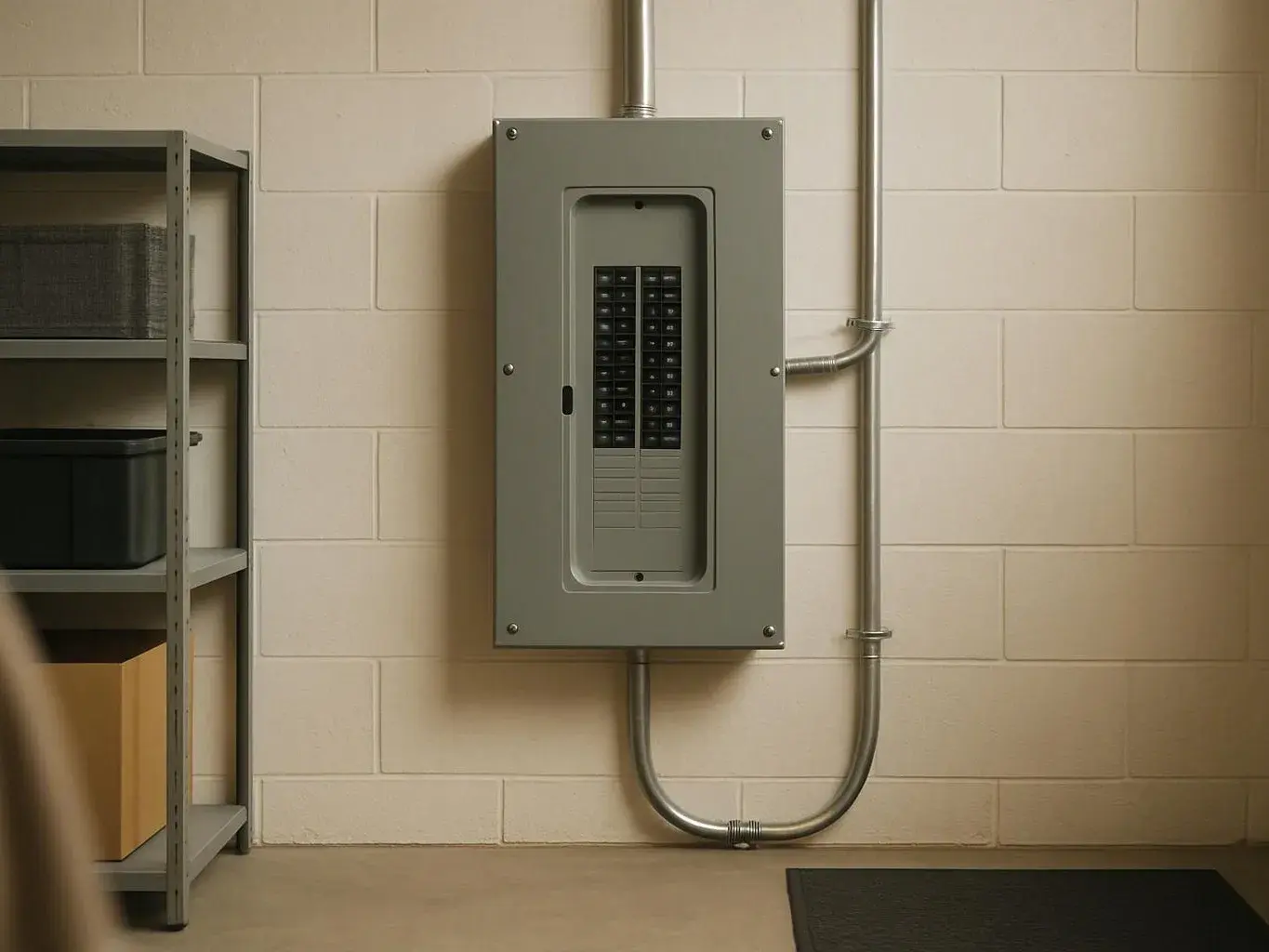
A generator transfer switch separates utility power from generator power. It does this before backup power reaches selected home circuits. This device stops both power sources from running together. It helps protect utility workers, appliances, generators, and home wiring.
Utility power runs the panel during normal use. When power fails, the generator can supply approved circuits. The system switches back when utility power returns. The switch type controls how this happens.
This separation provides the main safety benefit. Backfeeding sends generator power into utility wiring. That power can reach damaged lines and hurt utility workers. It can also damage the generator, panel, appliances, or switch.
A safe setup matches the generator, switch, inlet, panel, and wire size. It also needs proper grounding and breaker protection. The equipment must stay easy to inspect and service.
Manual and Automatic Transfer Switches Explained
A manual transfer switch needs a person to start the generator. That person moves the switch after utility power is off. This type often serves portable generators and key circuits. The operator must follow the equipment instructions.
An automatic transfer switch senses a utility failure. It starts a compatible standby generator and changes power sources. It needs the right controls, size, testing, and load plan.
What the Electrician Checks During an Emergency Service Call?
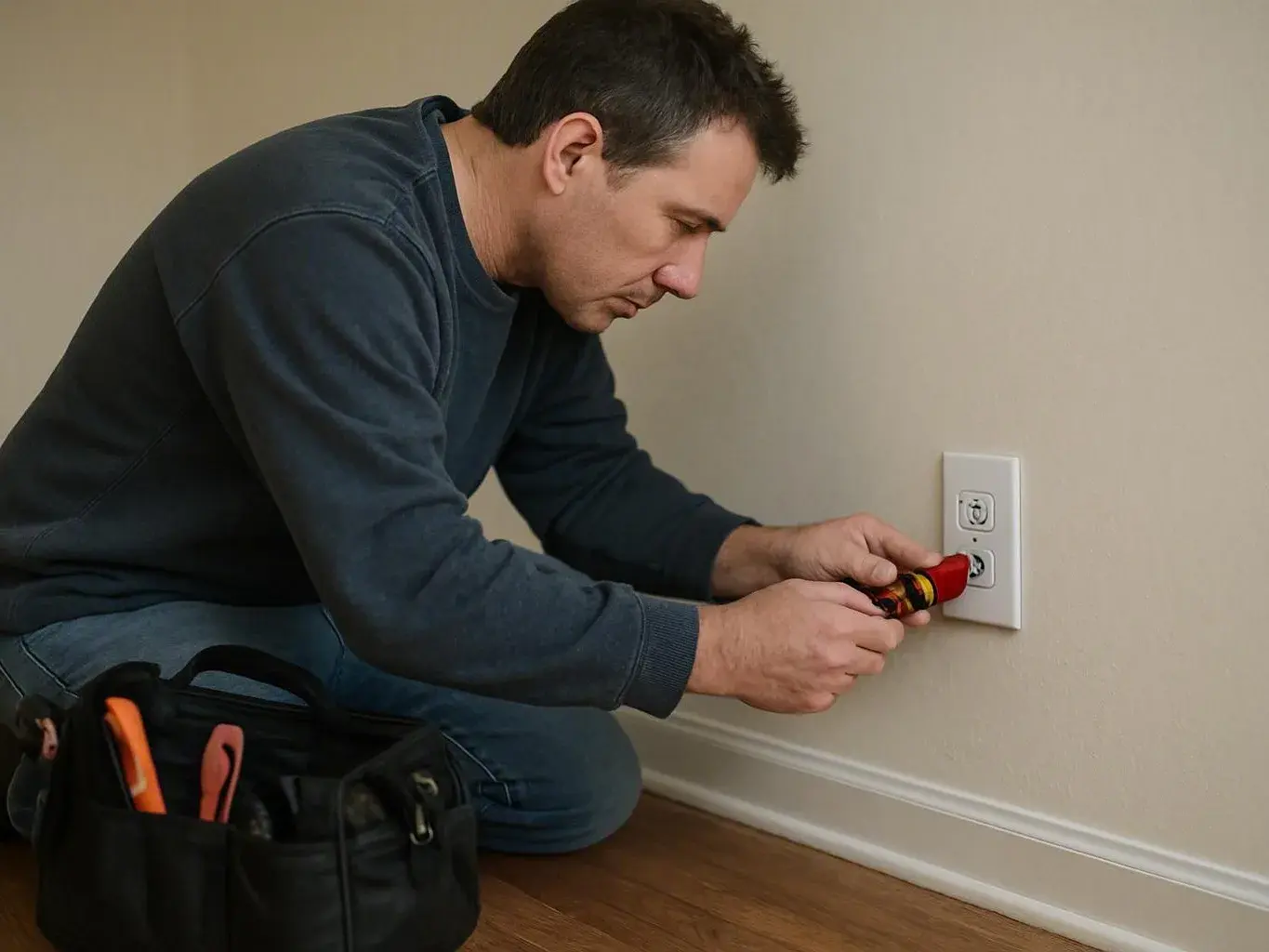
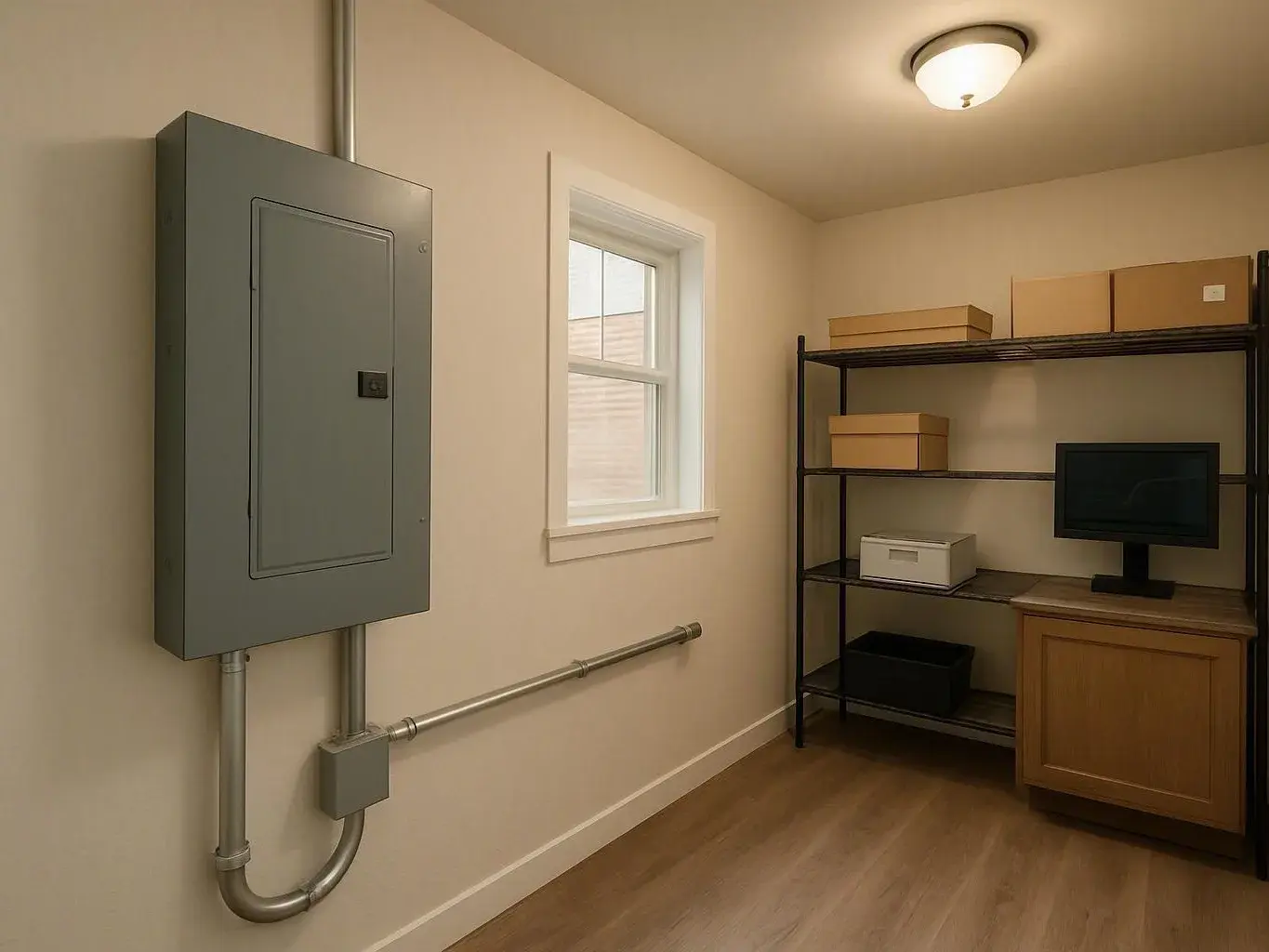
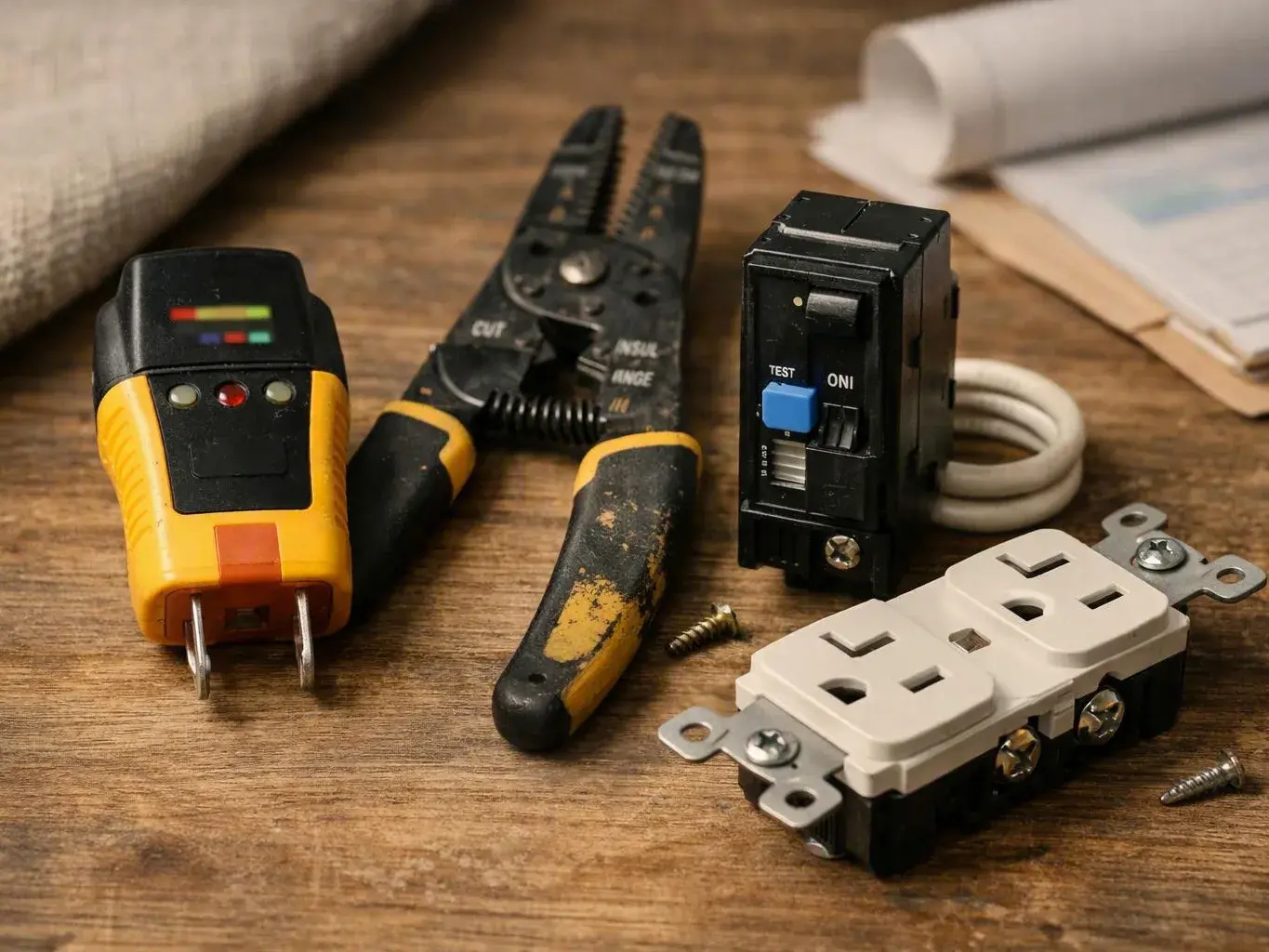
A 24-hour electrician checks the generator, switch, panel, grounding, and breakers. The electrician first makes the system safe. Then they test voltage and switch action. These tests help find the true source of the problem.
Most basic inspections take about one to two hours. Repairs and installations often take several hours. Timing depends on access, damage, generator size, and panel space. Parts and required inspections can also affect the time.
Features and Challenges That Matter in Backup Power Service
Good transfer switches separate power sources and match the equipment. They also need enough capacity and clear circuit labels. Common problems include full panels, bad wiring, and old parts. Small spaces and poor circuit plans can create more trouble.
Our team checks the generator, switch, panel, and key circuits first. We also review the home's power needs. Our service fits the home's actual wiring. We don't use one plan for every home.
Key Features to Consider
Common Challenges
Electrical Service Upgrades in Fort Wayne may help when the service lacks capacity. In some homes, a generator interlock or inlet may be enough. The right choice depends on the panel and generator.
When a Transfer Switch Problem Requires Immediate Attention?
Call for immediate electrical service if the switch smells hot, sparks, or won't move. Call if it trips breakers or leaves key circuits without power. Stop using damaged equipment and stay away from open wires. Never bypass the switch or create a makeshift generator connection.
A burning odor may mean hot terminals, damaged insulation, or a bad switch part. It may also mean an overloaded circuit. Turn off equipment only when safe. Keep people away and don't remove covers during an emergency.
Never connect a generator straight to an electrical panel. Never use a cord with two male ends. These actions can cause backfeed, fire, equipment damage, or electrocution. Don't reset a tripped breaker until someone finds the cause.
An after-hours transfer switch electrician can find the source of the failure. The issue may involve the generator, controls, wiring, or panel. We can explain if temporary use is safe. Damaged systems may need to stay off until repaired.
Related Electrical Upgrades for Safer Generator Operation
Electrical service upgrades, panel upgrades, and code corrections can improve generator safety. These upgrades may help when the system lacks space or proper wiring. An electrician may suggest a load check, inlet, interlock, or grounding repair.
An electrical panel upgrade may help with damage, crowding, or old equipment. It may also add space for transfer equipment. A load check shows which circuits the generator can safely run.
A generator interlock helps keep the main breaker and generator breaker apart. It must fit the panel and be installed correctly. It isn't a universal replacement for an automatic transfer switch.
Electrical Panel Upgrades can improve labels, breaker access, and future space. Bad wiring or grounding may need an electrical code correction. This work may be required before approval.
Our team may suggest an electrical inspection after service. The goal is safe backup power for selected circuits. No system can promise power for every appliance during every outage.
Questions About 24 Hour Electrician
How Much Does It Cost to Install a Generator Transfer Switch?
The cost depends on the switch, generator, panel, wiring, and circuit count. Code corrections can also change the price. A site visit and load check are needed for a useful estimate. Damaged wiring or an electrical panel upgrade can add work.
Can an Electrician Install a Transfer Switch for a Portable Generator?
Yes. An electrician can install a matching manual switch and generator inlet. They can also install the needed wiring and protection. The equipment must match the generator and panel. Never connect a portable generator straight to the panel.
What Happens if a Generator Transfer Switch Fails?
The generator may run without powering selected circuits. The switch may not move, or breakers may trip. A technician should isolate the system and inspect it. They can test voltage and find the part needing repair.
Can I Run a Generator Without a Transfer Switch?
A portable generator may power approved appliances with rated outdoor cords. Follow the maker's instructions. Never connect it directly to the home's panel without listed transfer equipment.
How Long Does It Take to Install or Repair a Generator Transfer Switch?
Basic inspections and repairs often take one to two hours. Installations often take several hours. Difficult access, damaged parts, or limited panel space can add time. Wiring repairs and inspections can also extend the job.
Get Safe Emergency Help for Your Transfer Switch
Don't bypass a damaged switch during an outage. Our team can inspect the system and protect open wires. We can check equipment matches and explain repair or upgrade choices.
Contact us through our electrical service contact page to request emergency help.
Related Resources
Electrical Panel Warning Signs in Fort Wayne, IN
signs you need an electrical panel upgrade
When You Need ItCircuit Breaker Replacement Warning Signs: When to Call an Electrician in Fort Wayne, IN
signs you need a circuit breaker replacement fort wayne
When You Need ItWhen to Replace a Fuse Box in Fort Wayne, IN
signs you need to replace your fuse box
When You Need ItOutlet Replacement Warning Signs: When an Outlet Is Unsafe in Fort Wayne, IN
when should you replace an electrical outlet fort wayne