Emergency Electrical Services for Restaurants and Food-Service Businesses
A 24-hour electrician for restaurants restores power and replaces failed circuit breakers. We also handle electrical service upgrades and code corrections. These services help protect food prep, cooling, lights, and payment systems. Call for help when breakers keep tripping or equipment loses power. You should also call when outlets get hot or hazards appear. A trained emergency electrician can find the fault and make safe repairs. Fast help can protect food, workers, customers, and your business.
Get a Free Estimate
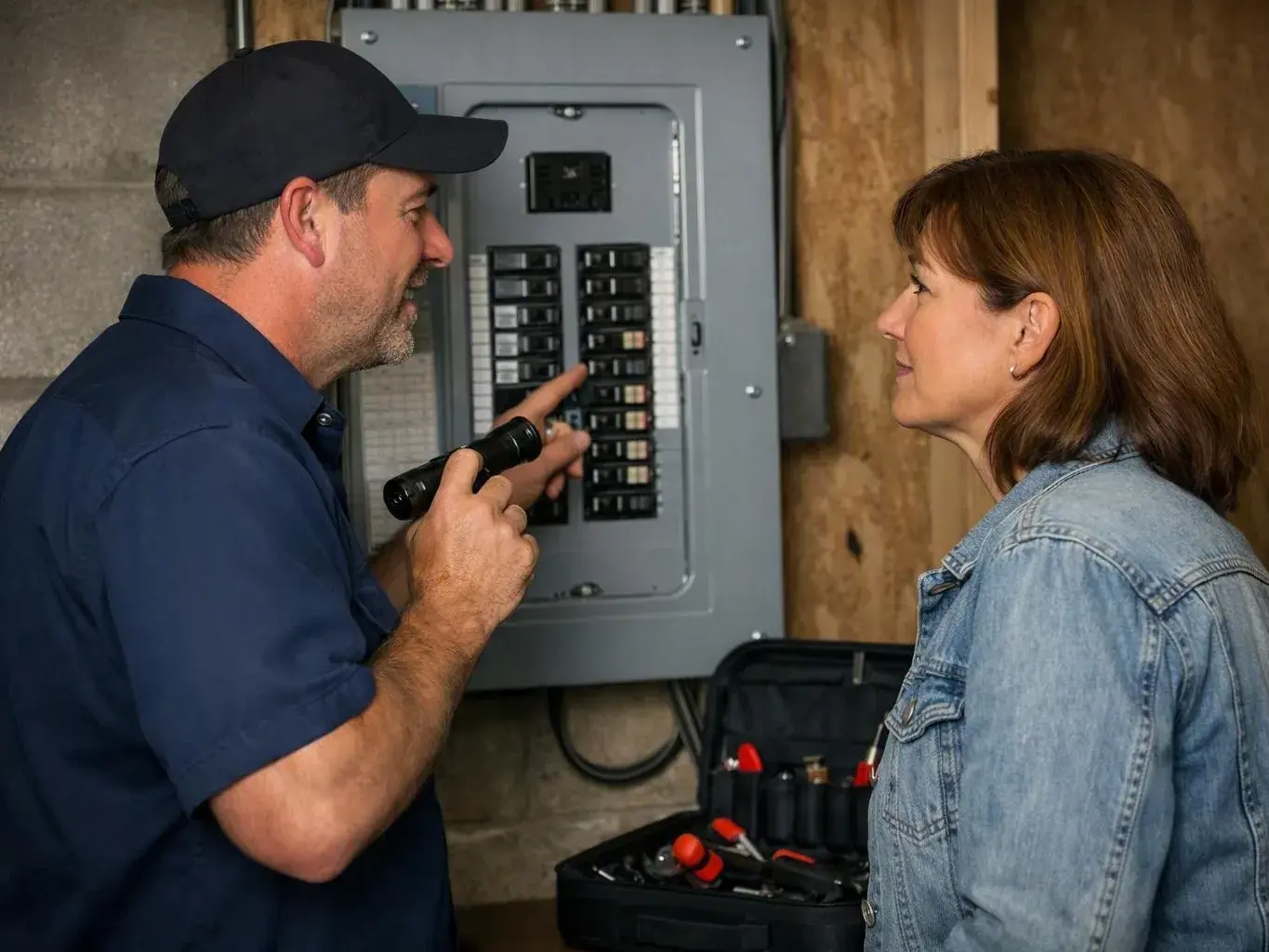
Chris Miller Electric helps restaurants with urgent electrical problems after normal hours. We help owners, managers, and food-service teams. First, we check for safety risks. Then, we explain the repair in clear terms.
Why Restaurants Need 24-Hour Electrical Service?
Restaurants need 24-hour electrical service because one failure can stop many key systems. Cooking, cooling, lights, payments, and fans may all stop. Emergency electricians can find hazards and restore key circuits. They also help protect workers, guests, equipment, and food.
These risks grow when many systems run at once. We find which circuits matter most. We also check if power can return safely.
Electrical Emergencies That Can Stop Food Service
Electrical emergencies can stop food service in several ways. Common signs include repeated trips, burning smells, hot outlets, and partial power loss. Exposed wires also need quick attention. Continued use may cause more damage or create shock and fire risks.
A circuit breaker may trip because of too much load or a damaged appliance. Moisture and wiring faults can also cause trips. A panel problem may affect many areas. Partial power loss can seem confusing. Some lights may work while a cooler or payment station stays off.
Don't keep resetting a breaker that trips again. Unplug equipment only when it's safe. Keep workers away from damaged parts. Then, contact an emergency electrician for electrical troubleshooting. We test the system instead of guessing.
When a Tripped Breaker Requires Professional Attention?
A tripped breaker needs expert help when it trips often or won't reset. Heat, noise, or appliance-related trips also need review. These signs may show a short circuit or damaged wiring. They may also show a ground fault, arc fault, or bad breaker.
Breaker replacement isn't always the first step. We check the load, wires, terminals, outlets, and equipment. Then, we choose the right repair. A larger breaker can create danger if the wiring stays unchanged.
Call quickly if you see smoke, sparks, melted insulation, or water near live parts. Shut down the area when possible. Keep people away. Call emergency services if there's an active fire.
What Restaurant Managers Should Look for in an Emergency Electrician?
Restaurant managers need an electrician who can respond after hours. The electrician should know commercial electrical systems. They should explain risks in clear terms. They should also separate temporary fixes from lasting repairs.
Ask if the work is a safe temporary fix or a lasting repair. We explain when you may need a dedicated circuit or panel upgrade. We can also review the building's power needs.
Electrical Services Restaurants Commonly Need
Restaurants may need circuit breaker replacement, electrical service upgrades, or electrical code corrections. These services help systems support kitchen demands safely. We check the panel, wires, loads, and work conditions first.
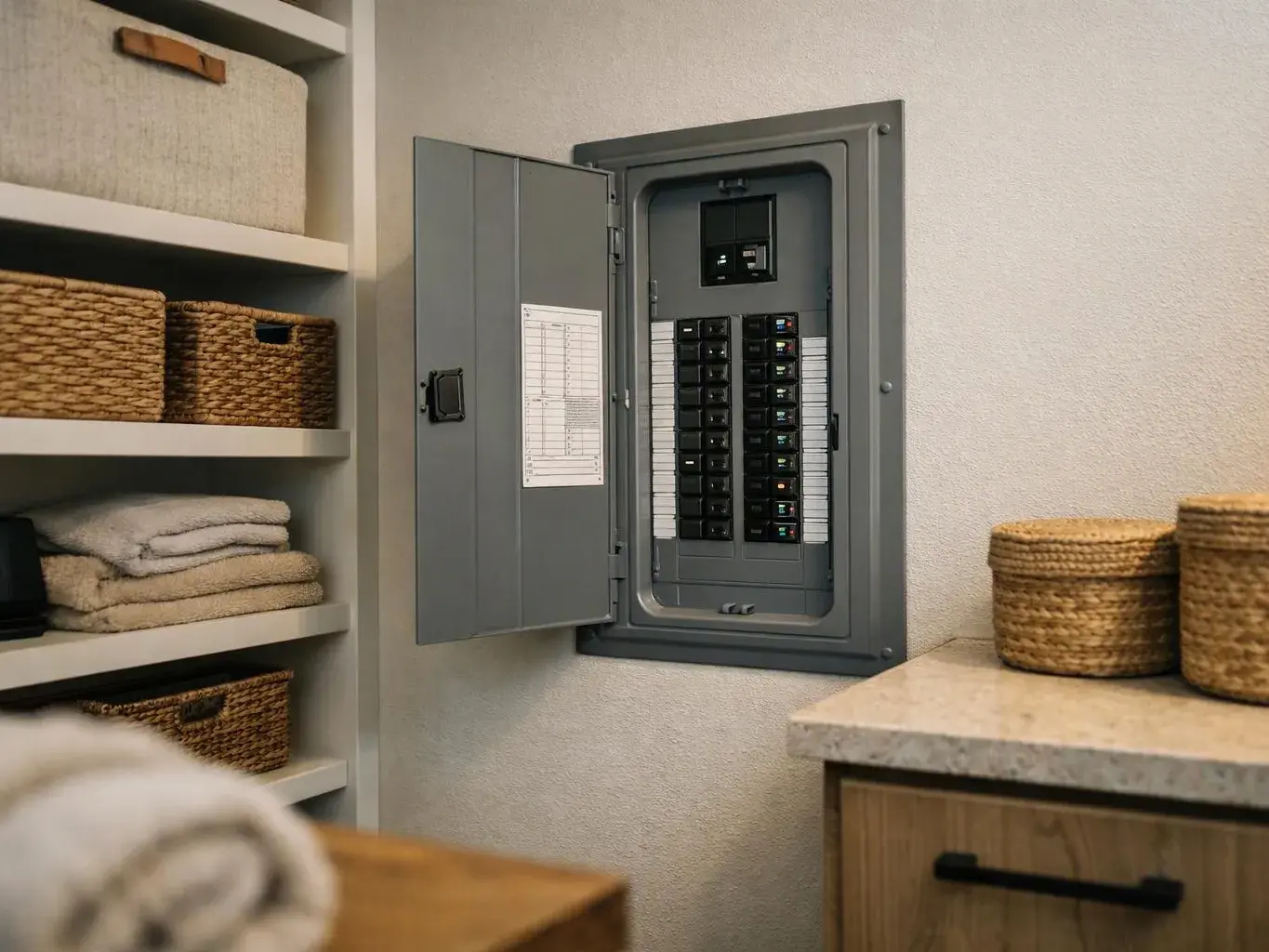
Circuit Breaker Replacement may fix a worn or damaged safety device. The cause of the trip still needs testing. A new breaker won't fix an overloaded circuit or bad appliance.
Electrical Service Upgrades can add power for ovens, fryers, coolers, dishwashers, or heating systems. The work may include the service, panel, grounding, or new circuits. The needed work depends on the current system and planned load.
An electrical code correction may fix missing safety parts or poor spacing. It may also fix bad wiring, damaged boxes, or poor grounding. We explain which repairs need quick action.
A typical emergency visit may include 30 to 90 minutes of testing. Larger power work often takes longer. It may need planning, equipment, shutdowns, and inspections. Timing depends on the fault and building.
| Situation | Likely service direction | Why it matters |
|---|---|---|
| One circuit trips repeatedly | Testing and possible breaker replacement | Finds the fault before resets cause more damage |
| New equipment exceeds available capacity | Electrical service upgrade | Supports safe use and future demand |
| Installation has unsafe or outdated features | Electrical code correction | Reduces safety and code risks |
Restaurant circuit breaker repair and a kitchen electrical code correction may happen during emergency work. This depends on site conditions. Sometimes, we restore only what is safe. Then, we schedule the lasting repair.
For operators seeking Circuit Breaker Replacement in Fort Wayne, we can review the symptoms. We can also discuss the equipment and safe next steps.
Common Electrical Challenges in Commercial Kitchens
Commercial kitchens place heavy demands on electrical systems. Heat, moisture, moving equipment, and busy schedules all affect wiring.
- High-demand cooking equipment can use much power during startup and normal use.
- A walk-in cooler may share power limits with freezers and ice machines.
- An exhaust hood may use separate motors, controls, and safety switches.
- Wet location rules matter near sinks, drains, and dishwashing areas.
- Many loads running together can reveal weak connections or power limits.
Good planning checks startup power, heating cycles, and defrost cycles. It also checks seasonal demand. We review the full system instead of one appliance.
How Emergency Electrical Repairs Work After Hours?
Emergency electrical repairs start with a safety check. Next, we find the fault, test the system, and restore power when safe. We then explain the repair needed. That may include a breaker replacement, service upgrade, or code correction.
After-hours work must balance speed and safety. A restaurant may need cooling or payment systems first. A temporary fix must still protect workers and equipment. We record our findings for planned follow-up work.
Preventing Repeat Electrical Problems in Restaurants
Restaurants can reduce repeat problems with regular checks and proper repairs. Load checks, breaker replacement, and right-sized circuits also help. Managers should report trips, heat, smells, flickering, and shutdowns. Repeated resets can hide wiring or power problems.
Preventive maintenance should check the panel, connections, equipment wires, and safety devices. It should also check areas with heat or moisture. A load calculation can show if new equipment needs its own circuit. It can also show if you need an electrical service upgrade.
Schedule an electrical review before adding ovens, coolers, or exhaust equipment. Check the system before expanding your dining area. Good planning can prevent failures during busy service.
Keep records of dates, symptoms, equipment, tests, and repairs. These notes help managers spot patterns. They also help our crews find problems faster. Treat returning problems as warnings.
A 24 Hour Electrician can help protect food service after normal hours. We can review the hazard and explain your options. We can also help choose between safe restoration and lasting work.
Contact our team when power loss, heat, repeated trips, or equipment failure threatens safe operations.
Questions About 24 Hour Electrician
What Does a 24-Hour Electrician Do for a Restaurant?
A 24-hour electrician responds to urgent power and wiring problems. These include power loss, repeated trips, heat, and damaged wires. We inspect the system, find hazards, and test the affected area. We restore power when safe. We also explain any lasting repairs or upgrades.
How Do I Know if a Restaurant Circuit Breaker Needs to Be Replaced?
A breaker may need replacement if it trips often or won't reset. Heat, strange sounds, and physical damage also matter. A professional must test the cause first. The problem may involve an overload, short circuit, ground fault, or arc fault.
Can an Electrician Upgrade Electrical Service for a Commercial Kitchen?
Yes. We can check the service, panel, feeders, wiring, and equipment demand. This shows if the kitchen needs more power. Work may include a commercial panel upgrade, larger service parts, grounding, or dedicated circuits.
What Electrical Problems Cause Restaurant Equipment to Lose Power?
Common causes include overloaded circuits, failed breakers, and loose connections. Damaged wires, ground faults, and short circuits can also cause power loss. Appliance problems may be the source. Heat and moisture can damage kitchen connections. Testing finds the actual cause.
How Can Restaurants Prevent Repeated Electrical Outages and Breaker Trips?
Restaurants can reduce outages with regular checks and accurate load calculations. Proper circuits, timely repairs, and equipment checks also help. Managers should avoid repeated resets. Report heat, smells, flickering, and shutdowns. This helps fix wiring and power problems early.
Related Resources
Electrical Panel Warning Signs in Fort Wayne, IN
signs you need an electrical panel upgrade
When You Need ItCircuit Breaker Replacement Warning Signs: When to Call an Electrician in Fort Wayne, IN
signs you need a circuit breaker replacement fort wayne
When You Need ItWhen to Replace a Fuse Box in Fort Wayne, IN
signs you need to replace your fuse box
When You Need ItOutlet Replacement Warning Signs: When an Outlet Is Unsafe in Fort Wayne, IN
when should you replace an electrical outlet fort wayne