Should You Hire a 24-Hour or Regular Electrician?
A 24-hour electrician handles urgent hazards, outages, and failures at any hour. A regular electrician handles planned repairs and upgrades during set appointments. Call the power company first when an outage affects the wider area or utility equipment. Call an electrician for problems inside your property, such as a tripped breaker, burning outlet, exposed wiring, or code correction. Emergency service costs more. Still, it can help when waiting may cause fire, shock, damage, or danger.
Get a Free EstimateWhat Is the Difference Between an Emergency and Regular Electrician?
24-hour electrician service responds to urgent hazards, outages, and failures at any hour. A regular electrician handles planned repairs and installs during normal business hours. Your choice depends on the risk, the damage, and how long you can safely wait.
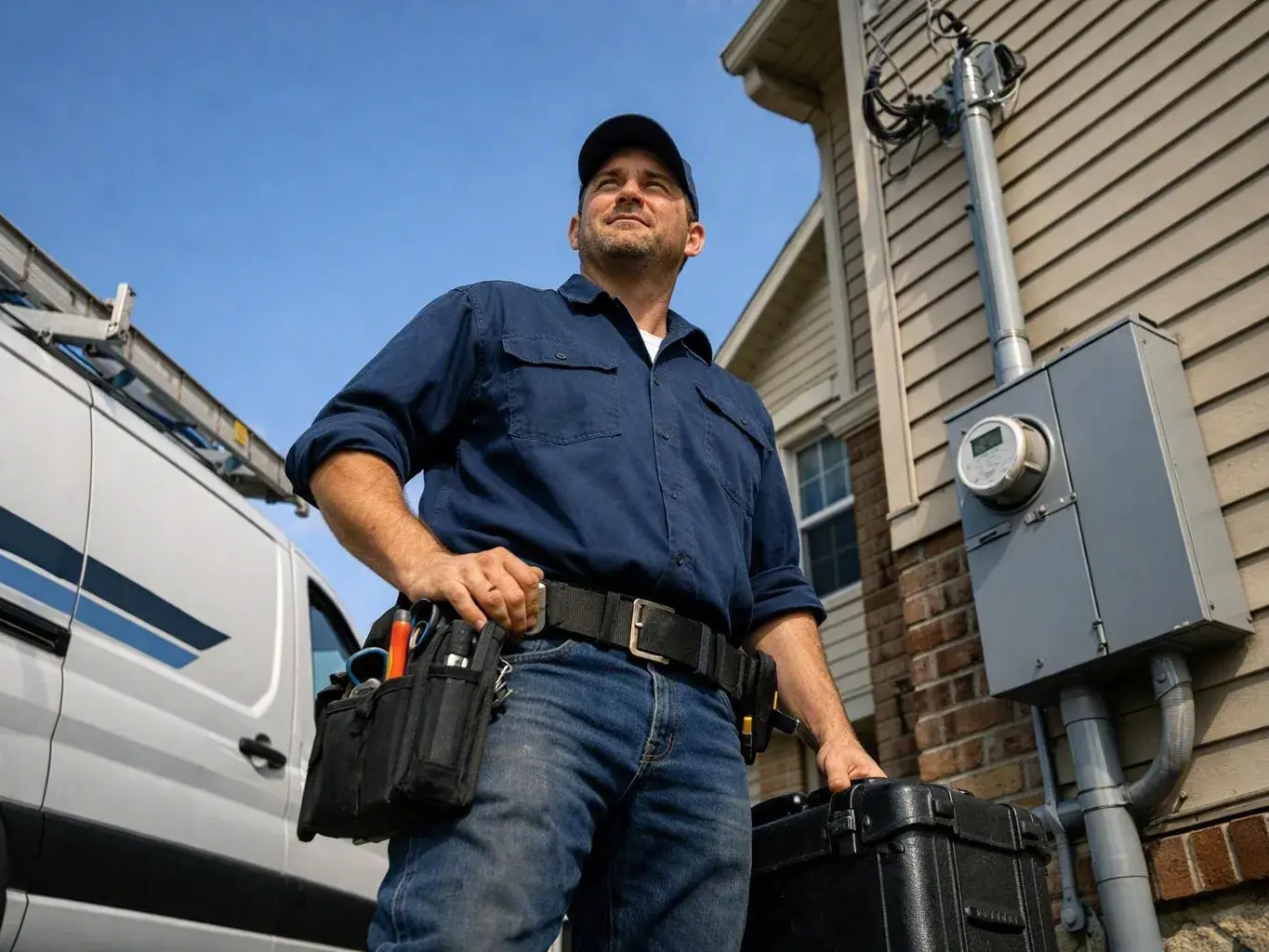
Chris Miller Electric helps homeowners sort urgent faults from work that can wait. An emergency electrician may arrive after hours to shut down a dangerous circuit. They may also check a power loss or make a safe temporary repair. A regular electrical contractor fits remodeling, lighting changes, upkeep, and other planned electrical repair.
Take every electrical hazard seriously, even when it seems small. Heat, smoke, sparks, shocks, or damaged wiring can point to a hidden fault. Don't open equipment or touch damaged parts. Leave the area if someone faces danger. Then call emergency services before arranging electrical work.
The key issue is risk, not just the time of day. A failed light fixture may wait. A sparking outlet or breaker that keeps tripping may need urgent testing. Tell the contractor what happened and what stopped working. Share any smell of heat or signs of damage.
24-Hour Electrician vs. Regular Electrician: Quick Comparison
A 24-hour electrician offers faster help for urgent problems. The service usually costs more after normal hours. A regular electrician fits planned upkeep, repairs, and upgrades. Compare the price, timing, need, and risk before you choose.
| Factor | 24-hour electrician | Regular electrician |
|---|---|---|
| Cost | Usually includes an after-hours charge and a testing fee. | Often uses normal-hour prices and planned labor. |
| Timeline | Offers a faster emergency response when a crew is free. | Depends on the next open appointment. |
| Maintenance | Helps when a problem becomes unsafe or causes power loss. | Best for checks, upkeep, and planned upgrades. |
| Best for | Fire risk, shocks, exposed wires, urgent failures, and unsafe outages. | Outlet work, lighting, remodeling, and code updates. |
| Common repair | Emergency testing or a failed circuit breaker. | Breaker replacement or planned outlet replacement. |
Most small home service calls take one to three hours after testing begins. Hidden wires, missing parts, and code issues can add time. This range isn't a promise. Ask if the first visit covers testing only or includes repair parts.
The Pros and Cons of Hiring a 24-Hour Electrician
A 24-hour electrician helps when a problem creates an immediate safety or property risk. Fast access can stop a fault and limit damage. The downsides include higher fees, fewer night options, and possible follow-up work.
Turn off a circuit only if you can do it safely. Don't touch heat, water, smoke, or damaged equipment. Keep children and pets away. Explain the problem clearly. The first visit may focus on shutting down the danger.
Pros
Cons
Ask what the after-hours visit includes before work begins. Confirm the dispatch charge, testing fee, repair scope, parts, and follow-up needs.
Should You Call an Electrician or the Power Company for an Outage?
Call the power company when several properties lose power. Call them when utility lines, the meter, or the service drop may be involved. Call an electrician when power loss affects only your property. The problem may involve your panel, breakers, wiring, outlets, or inside equipment. Never approach damaged lines or utility equipment.
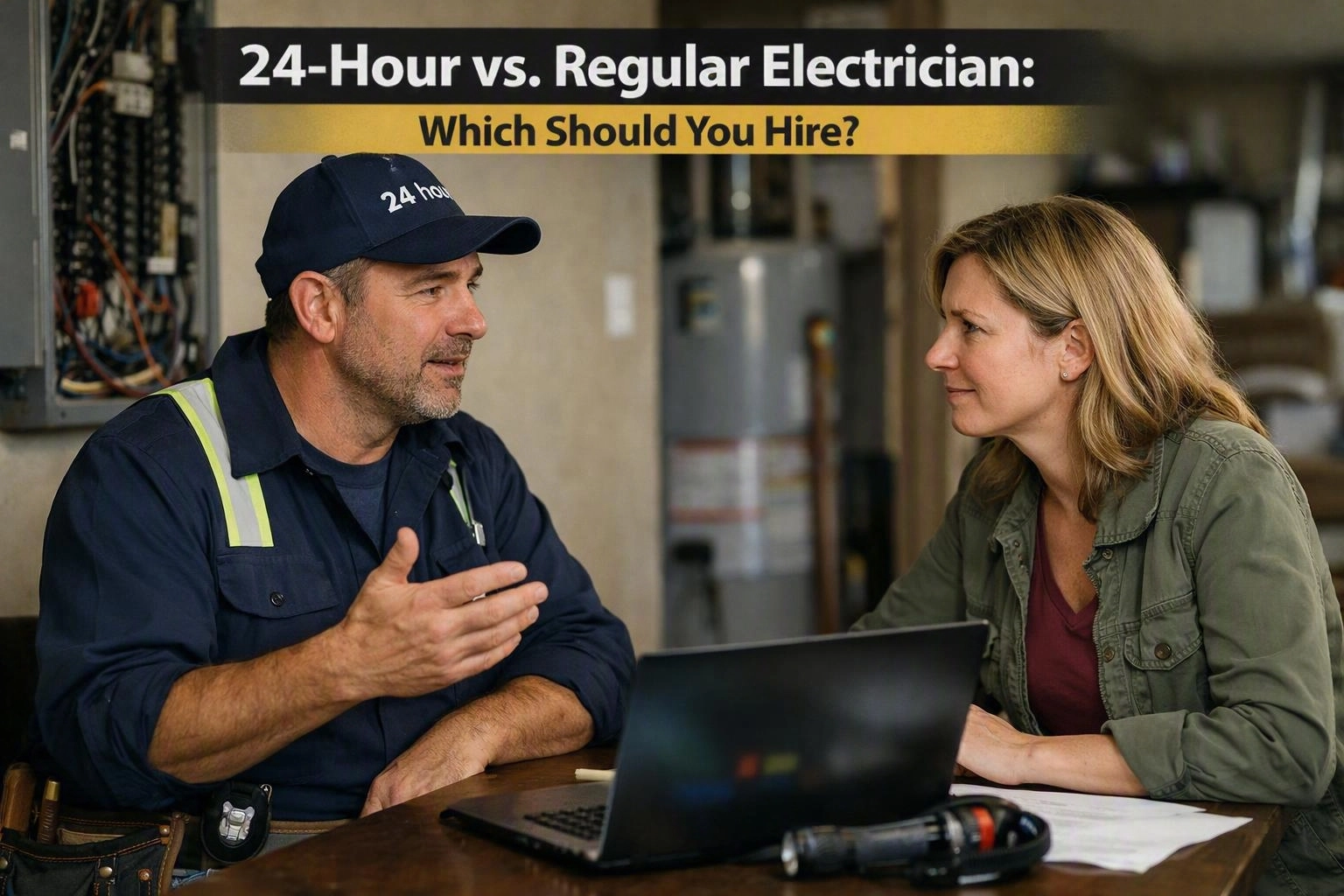
Check whether nearby homes, streetlights, or shared areas also have no power. Check the utility provider's outage page if you can do so safely. Several dark properties usually point to a utility outage. The provider must repair its lines and equipment.
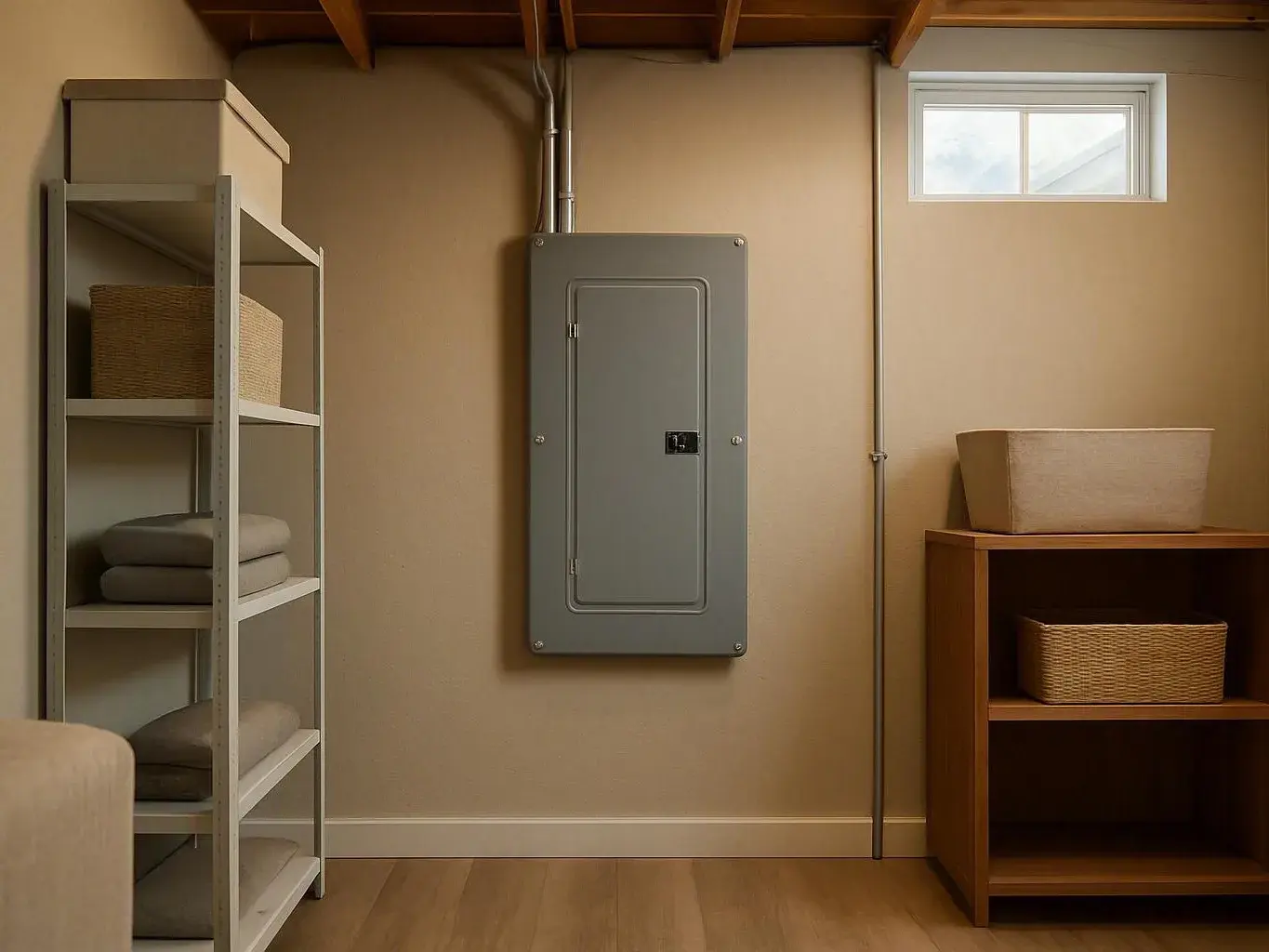
A power loss inside one home often points to an inside problem. Check the main breaker or one circuit breaker. Don't reset a breaker again if it trips. Call a professional for burning smells, buzzing, heat, or damage near the panel.
The provider owns the service drop, meter, and utility-side connections. Stay away from fallen wires, damaged poles, and flooded equipment. These items may still carry power. An electrician can fix many home outages. They can't repair a utility line or work on company equipment.
When getting started with 24 Hour Electrician, share whether neighbors have power. Tell us which circuits failed and what you saw at the panel. This helps our team direct you to the utility or an electrical contractor.
The Pros and Cons of Hiring a Regular Electrician
A regular electrician fits non-urgent repairs, upkeep, upgrades, and code work. Planned service gives time for testing, parts, and clear choices. It may also cost less during normal hours. Waiting isn't safe when active damage or an electrical hazard exists.
Scheduled work gives the contractor time to check the circuit and find the cause. They can order the right parts and explain your choices. This works well for upgrades, lighting, outlets, and planned breaker work. Homeowners may discuss Circuit Breaker Replacement in Fort Wayne during a normal visit when the old breaker isn't an active danger.
Pros
Cons
Don't choose normal service only because it costs less. Stop using the circuit if the property isn't safe. Ask for urgent help when the problem changes or shows active damage.
When Should You Call a 24-Hour Electrician?
Call a 24-hour electrician for sparks, smoke, burning odors, exposed live wires, repeated breaker trips, arcing, shocks, or a sudden unsafe power loss. Turn off power only when safe. Keep people away and request urgent help.
A burning smell from an outlet, switch, appliance, or panel may mean a wire is too hot. Don't use a sparking outlet, scorch mark, crackling device, or exposed wire. Don't cover it as a do-it-yourself fix. Move away and avoid touching it.
Repeated breaker trips are a warning sign. The cause may be too much load, a short, a ground fault, or a failing appliance. Resetting the breaker again and again can raise the risk. An electrician can test the circuit and find the cause.
Call urgently after any electrical shock, even if it felt small. A brief shock can still cause harm. Call emergency services first for injuries, loss of consciousness, or breathing trouble. Electrical work should start only after the area is safe.
A sudden power loss needs faster help when it affects heat, water, medical devices, food storage, or safety gear. Tell the dispatcher what failed. Share if the issue is local and if you saw smoke, heat, noise, or water.
Is Emergency Electrical Service Worth the Extra Cost?
Emergency electrical service is worth the extra cost when fast help can lower the risk of fire, shock, damage, or lost essential power. It may not fit a cosmetic issue or planned upgrade. Ask about fees, repair work, and follow-up needs before approving service.
Waiting can cost more than the repair itself. Heat may damage nearby materials. Water may reach live parts. A bad connection may affect other circuits. Fast shutoff can stop a small fault from becoming a fire or larger claim.
Emergency work may start with testing, shutoff, or a temporary repair. A temporary repair may make the area safe without fixing it for good. Ask what work remains. Ask if parts are needed and how code corrections will be completed.
A regular appointment may suit a non-urgent issue. It can offer more planning time and normal-hour service. Ask for the testing fee, labor cost, parts, timing, and follow-up needs. Safety should guide the choice, not just the lowest price.
Questions About 24 Hour Electrician
What Is the Difference Between an Emergency and Regular Electrician?
An emergency electrician responds to urgent hazards, failures, and outages outside normal hours. A regular electrician handles planned repairs, upkeep, installs, outlet work, and upgrades. Choose emergency service when waiting could cause fire, shock, damage, or lost essential power.
Should I Call an Electrician or the Power Company?
Call the power company when several properties lose power. Call an electrician when the outage affects only your home and involves the panel, breakers, outlets, wiring, or inside equipment.
When Should I Call a 24-Hour Electrician?
Call for sparks, smoke, a burning smell, exposed wiring, repeated breaker trips, arcing, shocks, or unsafe power loss. Keep people away and don't touch damaged equipment. Turn off power only when safe.
Can an Electrician Fix a Power Outage?
Yes, an electrician can repair a local outage caused by a breaker, panel, wiring, outlet, or inside equipment. The power company handles wide outages and damage to utility-owned lines, meters, or service equipment.
Is Emergency Electrical Service Worth the Extra Cost?
It can be worth the extra cost when fast action lowers the risk of fire, shock, damage, or lost essential power. Ask about the after-hours fee, testing fee, repair work, temporary fixes, and code corrections before approving service.
Our team can help you choose urgent or planned service. Keep people away from active hazards. Contact the power company for utility problems. Use for a safe next step.
Related Resources
Electrical Panel Warning Signs in Fort Wayne, IN
signs you need an electrical panel upgrade
When You Need ItCircuit Breaker Replacement Warning Signs: When to Call an Electrician in Fort Wayne, IN
signs you need a circuit breaker replacement fort wayne
When You Need ItOutlet Replacement Warning Signs: When an Outlet Is Unsafe in Fort Wayne, IN
when should you replace an electrical outlet fort wayne
When You Need ItElectrical Burning Smell? When to Call a 24-Hour Electrician in Fort Wayne, IN
when to call an emergency electrician for a burning smell