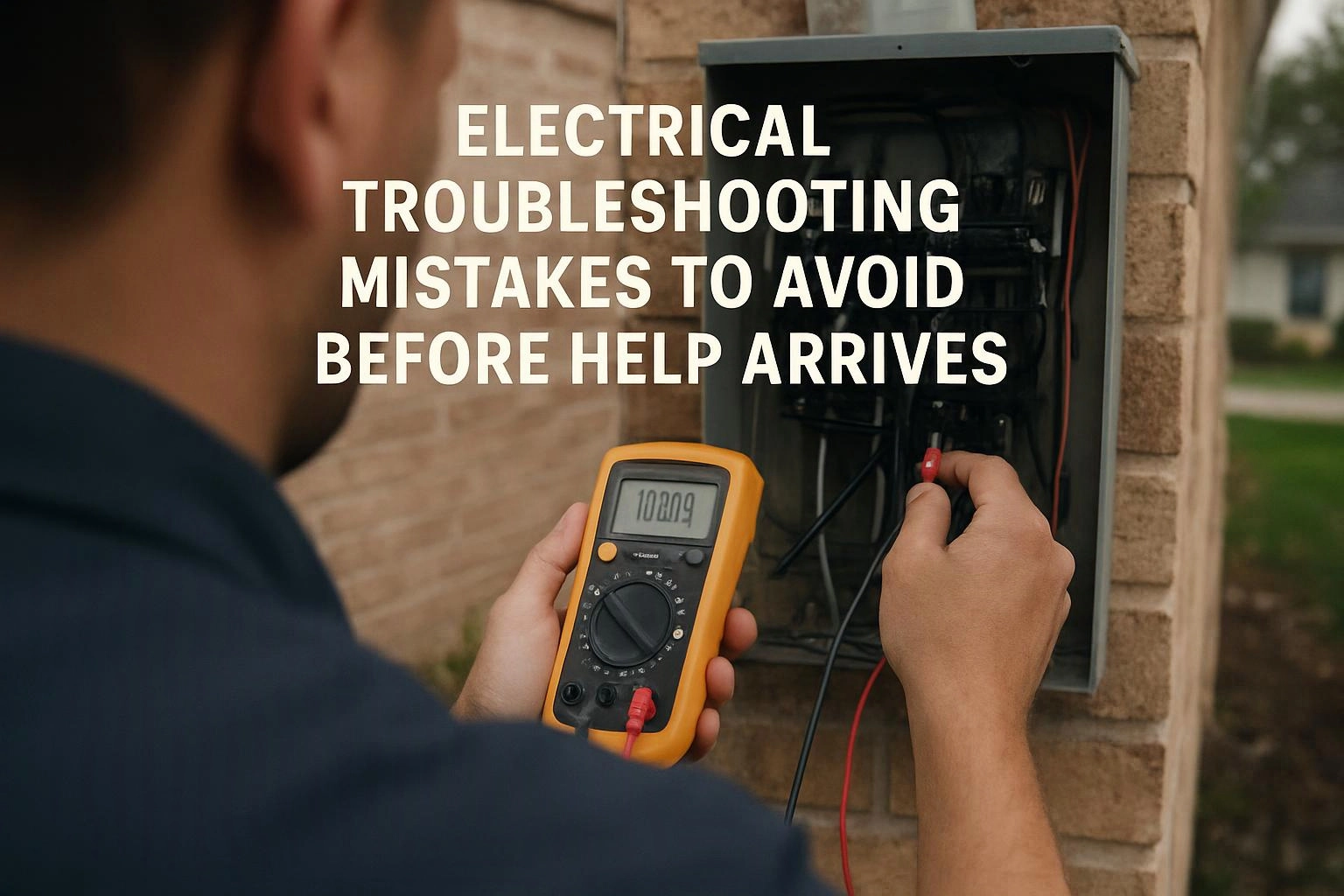
Electrical Troubleshooting Mistakes to Avoid Before Help Arrives
Electrical emergency mistakes to avoid include resetting a tripped breaker, using a sparking outlet, and touching exposed wiring. Keep away from danger and contact Chris Miller Electric for help.
Request an EstimateElectrical Troubleshooting Mistakes to Avoid
Unsafe electrical troubleshooting can turn a power loss into a shock or fire hazard. Keep your distance and tell us what you noticed without testing the equipment.
Resetting a Breaker That Keeps Tripping
Repeatedly resetting a circuit breaker can hide an electrical fault and increase fire risk. You may want the power back, but further damage can make repairs more involved. Leave the breaker alone and tell us what happened.
Using an Outlet That Sparks or Feels Hot
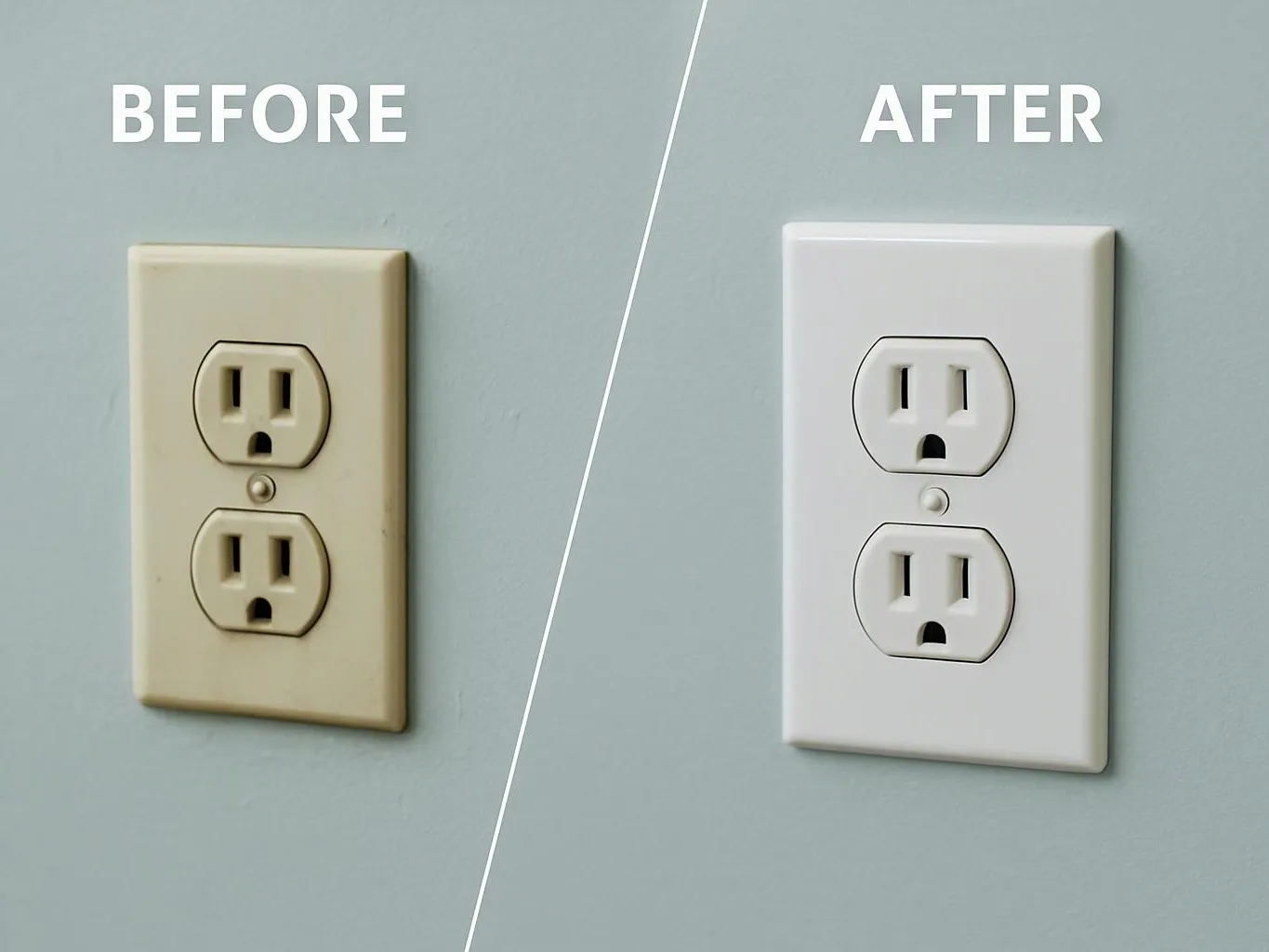
A sparking outlet or hot outlet can worsen with continued use and may start a fire. You might keep using it to power a device, but damage can spread. Stop using the outlet and leave plugs alone if touching them feels unsafe.
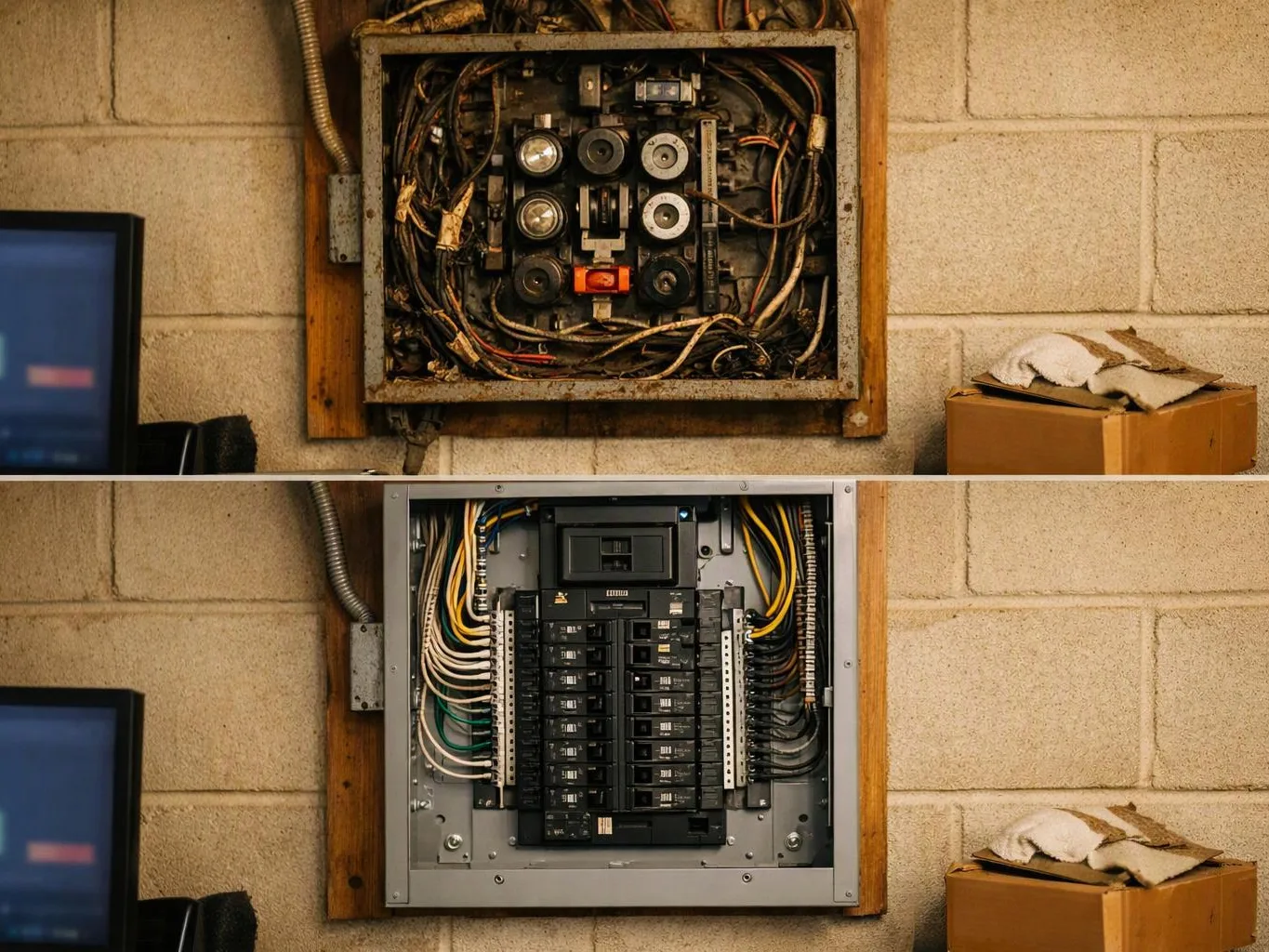
Removing the Electrical Panel Cover
Removing an electrical panel cover can expose parts that remain energized and cause shock. Looking inside won't make the problem safe, and damage can add to the repair. Keep the panel cover in place and tell us about the symptoms.
Touching Exposed or Damaged Wires
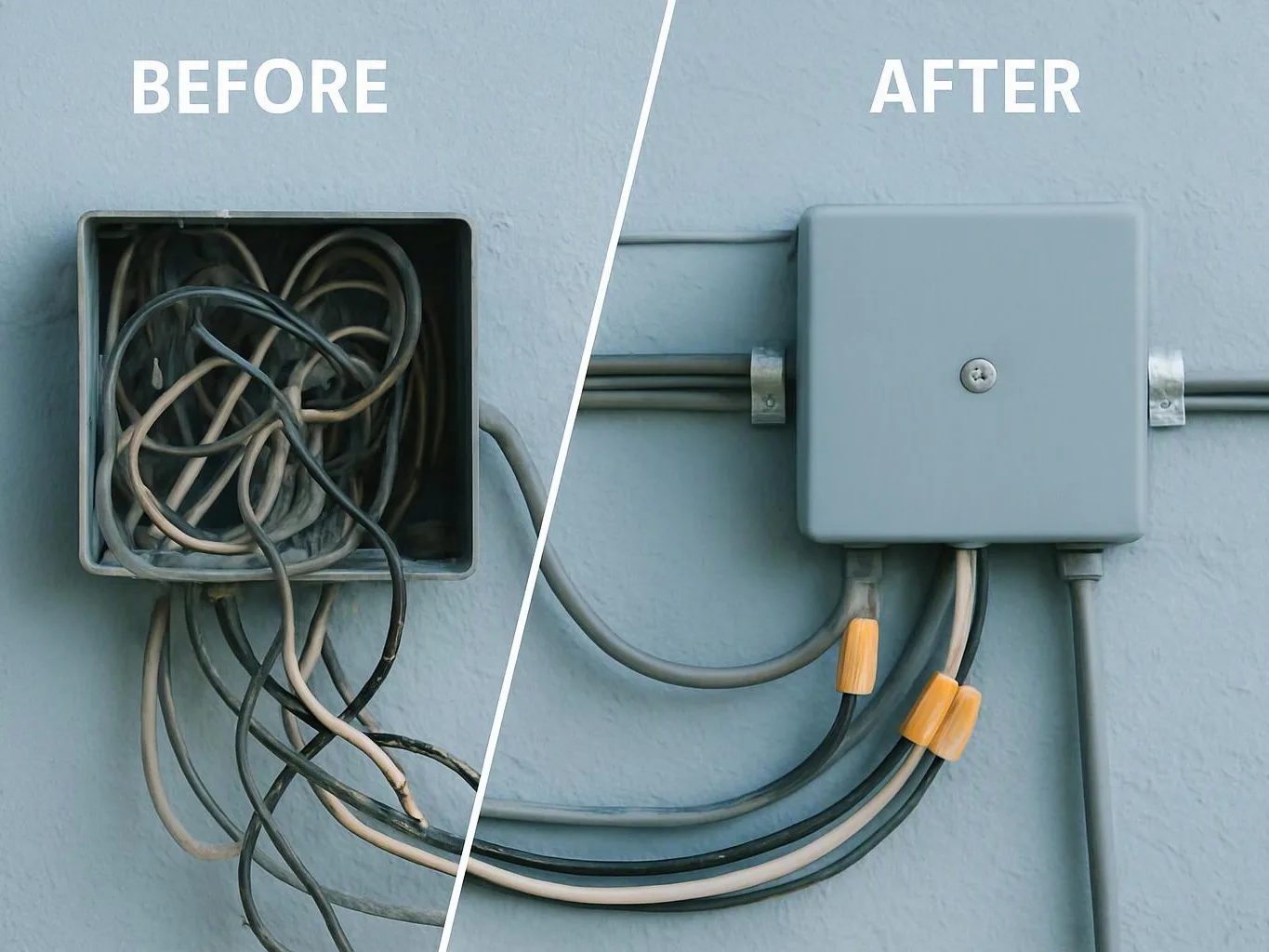
Exposed wiring can be live even when equipment isn't working. Moving a wire to clear a path can cause a shock or worsen the damage. Keep people and pets away, and don't touch or move the wire.
Approaching Electrical Equipment in Water
Water near electrical equipment can create a shock hazard. You may want to check the damage, but approaching can put you in danger and disturb damaged equipment. Stay out of the water and away from the affected equipment.
Trying to Put Out an Electrical Fire With Water
Water can conduct electricity and increase the risk of shock during an electrical fire. Trying to put out the fire yourself can put you in danger and delay help. Leave the building and call emergency services from a safe place.
Using Extension Cords to Bypass a Fault
An extension cord doesn't fix a circuit fault and can create another hazard. It may seem like a way to restore power, but it can lead to further damage and repairs. Stop using the affected circuit and tell us which equipment lost power.
What Should You Do When You Notice an Electrical Hazard?
Electrical hazards call for distance from danger and help matched to the warning sign. Use the response below without testing or approaching the source.
| Warning sign | Safe response |
|---|---|
| Smoke or fire | Leave the building and call emergency services from a safe place. |
| Fallen power line | Stay away and contact the utility and emergency services. |
| Tripping breaker | Leave the breaker alone and contact us. |
When Should You Call Chris Miller Electric?
Call Chris Miller Electric when a breaker, outlet, wiring, or electrical equipment shows signs of trouble. Don't try to check the equipment yourself.
What Should You Tell Us Before We Arrive?
Tell us where the electrical problem is and what you noticed without testing the equipment. Describe the affected outlet or circuit and any heat or smoke. Mention water or a burning smell, and tell us what happened before the trouble began.
We use those details to plan our electrical troubleshooting and discuss a quote. We check the affected equipment and the fault, then assess the repair against applicable code and inspection requirements. The damage and work needed affect the quote, which explains the proposed work.
Contact Chris Miller Electric to discuss Emergency Electrical Repair and request a quote. Stay clear of the hazard while you wait for help.
Request a QuoteWhat Are the Key Specifications to Know?
- Topic Focus
- Electrical Troubleshooting Mistakes to Avoid Before Help Arrives
- Related Core Service
- Emergency Electrical Repair
- Evaluation Method
- On-Site Inspection & Written Scope
- Compliance Standard
- Local Building Code & Manufacturer Specs