How to Troubleshoot an Emergency Power Outage
An emergency electrician finds the cause of a power outage. They also remove hazards and restore safe service. First, check if nearby homes have power. Then, look for a tripped breaker. Unplug sensitive devices. Never open the panel or touch damaged wires. Don't reset a breaker more than once. Call a qualified electrician for sparks, burning smells, water damage, partial power, or repeated trips. You may need an electrical service upgrade, circuit breaker replacement, or electrical code corrections.
Get a Free Estimate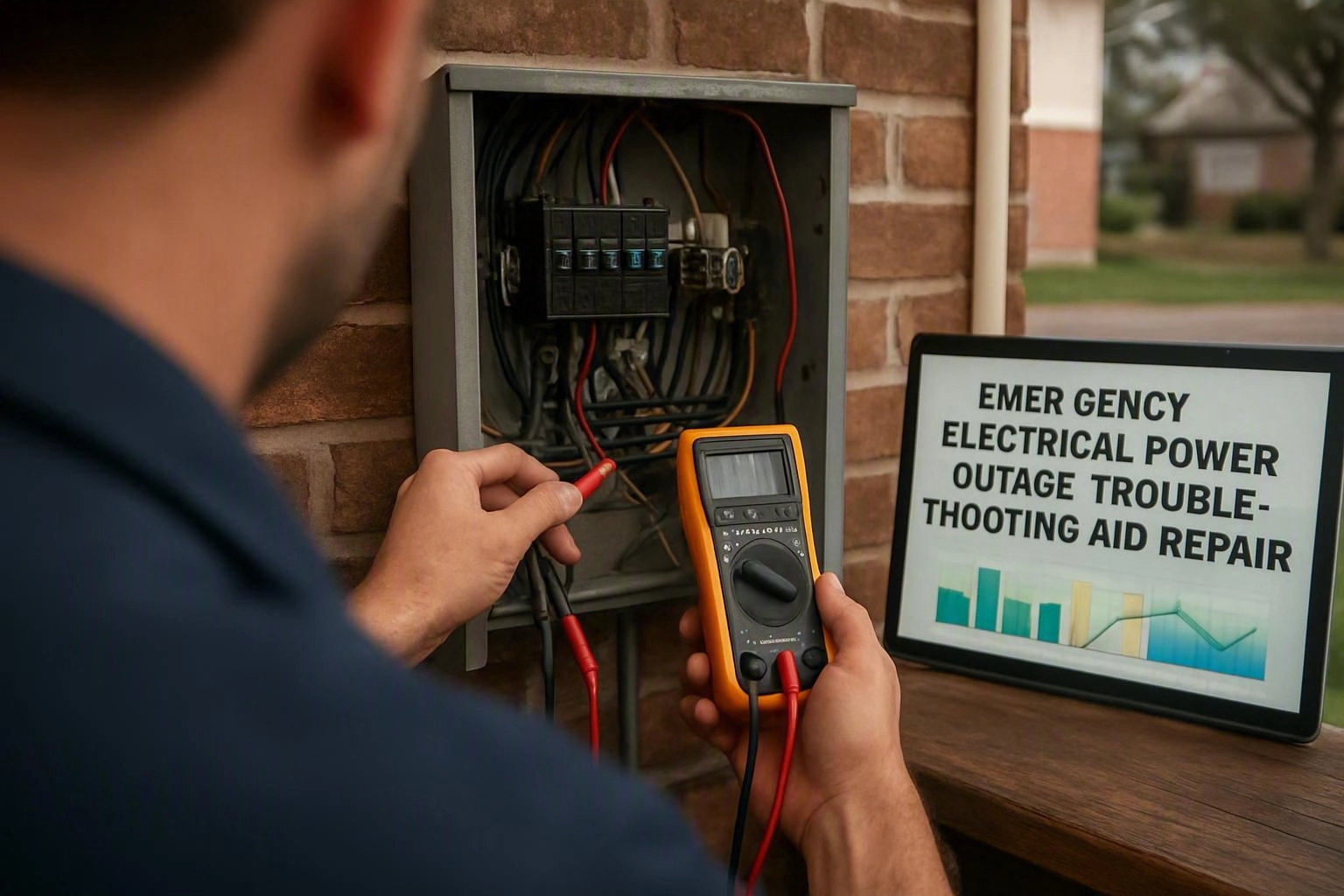
Emergency electrician service helps protect people and property during electrical faults. Chris Miller Electric helps homeowners and renters make safer choices when power fails. We can help when outages happen at night or during storms.
What to Do First During a Home Power Outage?
Home power outages need a safety check before any reset. Find out if one circuit, the whole home, or nearby homes lost power. Unplug devices and avoid damaged wires. Call an emergency electrician for hazards, partial power, or repeated breaker trips.
Look outside from a safe place. Check for fallen lines, damaged poles, or trouble near the service entrance. Never approach a downed wire. Call the utility provider when the whole area is dark. Call an electrician when only your home has trouble.
Use flashlights instead of candles near gas, fuel, children, or pets. Keep the fridge and freezer closed. Plan for lost heat, cooling, lights, or medical equipment. Follow the device maker's emergency plan when someone needs powered medical care.
Don't work outside during lightning, floods, or wet weather. Darkness can hide hazards. Wait for safe light unless someone faces an urgent danger.
Signs Your Electrical System Needs Immediate Attention
How to Tell Whether the Problem Is the Utility or Your Home?
Utility power often fails across many homes. A home fault often affects one circuit or part of one home. It can also cause odd panel behavior.
Ask a neighbor if their lights and appliances work. A neighborhood outage points to the utility provider. One dark circuit can point to a breaker, GFCI device, or appliance fault. Don't assume the utility caused a problem in your home.
Partial power needs extra care. A loose service connection or damaged service entrance can leave some circuits live. Other circuits may lose power. This can cause voltage changes and damage electronics.
Stay away from the meter, overhead wires, and service equipment. Rain, snow, floods, and strong wind raise the danger. Our team can inspect home-side equipment after the utility says its system is safe.
Common Causes of Emergency Power Loss
Emergency power loss can come from an overloaded circuit, bad breaker, damaged wire, loose connection, water, or failed service equipment. A breaker may trip to stop unsafe current. Repeated trips show a deeper problem. An electrician must find and fix the cause.
These problems can start after a storm, remodel, appliance failure, pest damage, or years of heat. A bad panel may affect several rooms. A failed breaker may affect one circuit.
Our full range of 24 Hour Electrician work focuses on safe shutoff, testing, and repair. A 24 Hour Electrician may help when an overnight failure leaves people without safe heat, cooling, lights, refrigeration, or medical-device power.
Safe Troubleshooting Steps Before Calling an Electrician
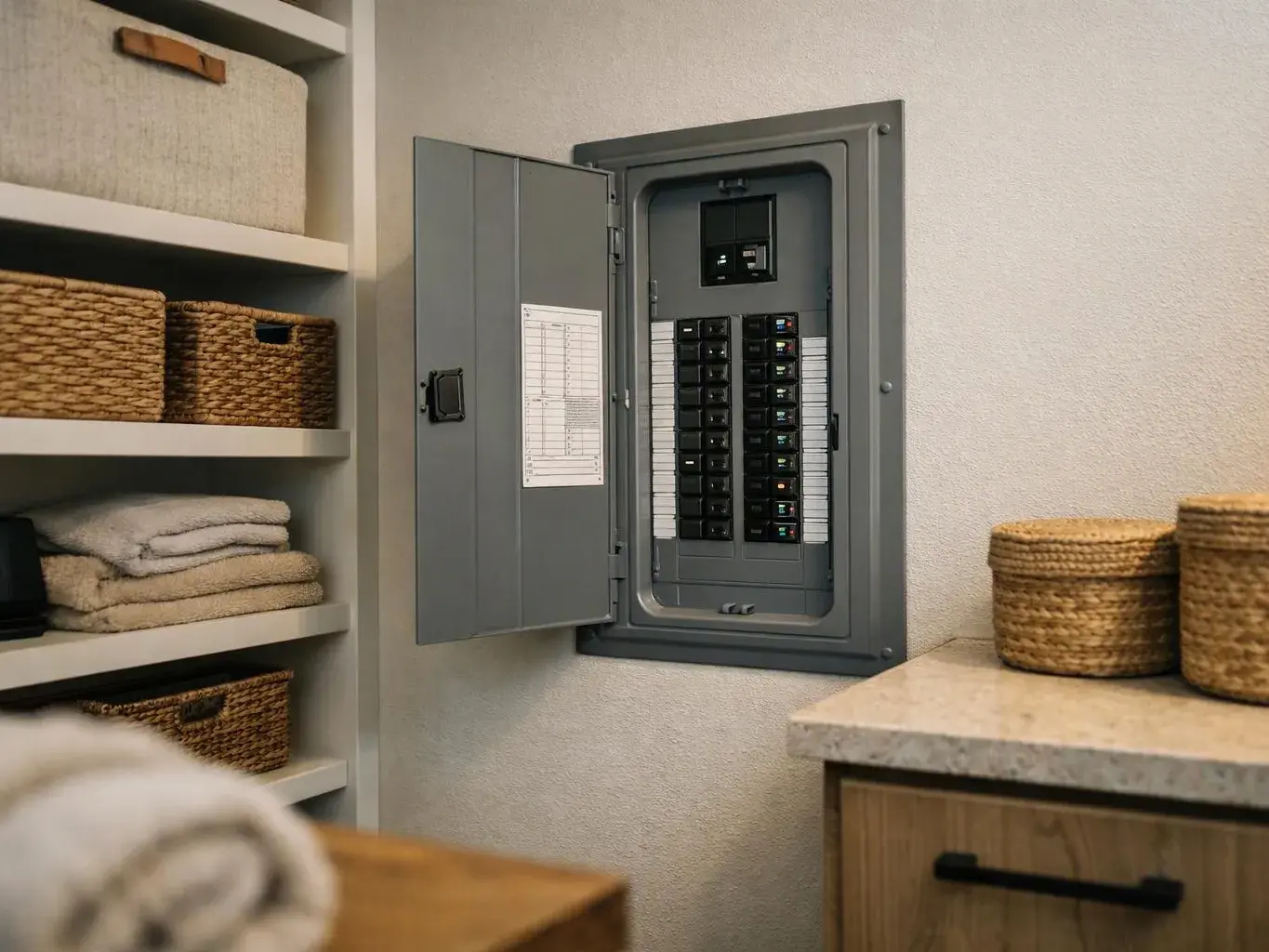
Safe outage troubleshooting starts with simple checks. Stop before touching exposed electrical parts. Check the outage area, unplug devices, and look for one tripped breaker. You may reset it once if there are no warning signs. Stop if it trips again or if you see damage.
Simple checks often take 5 to 10 minutes. That time isn't a reason to keep working. If power stays off, tell the electrician what changed before the outage.
When DIY Troubleshooting Should Stop?
Stop after an electrical shock or when you see an exposed wire. Stop when wiring has water damage. Smoke, fire risk, a hot panel, burning odors, or arcing need distance and urgent help. Don't remove panel covers or test live wires.
Move people away from the area. Keep children and pets out. Leave the home if there is fire or active smoke. Contact emergency responders.
Which Electrical Repair May Restore Reliable Power?
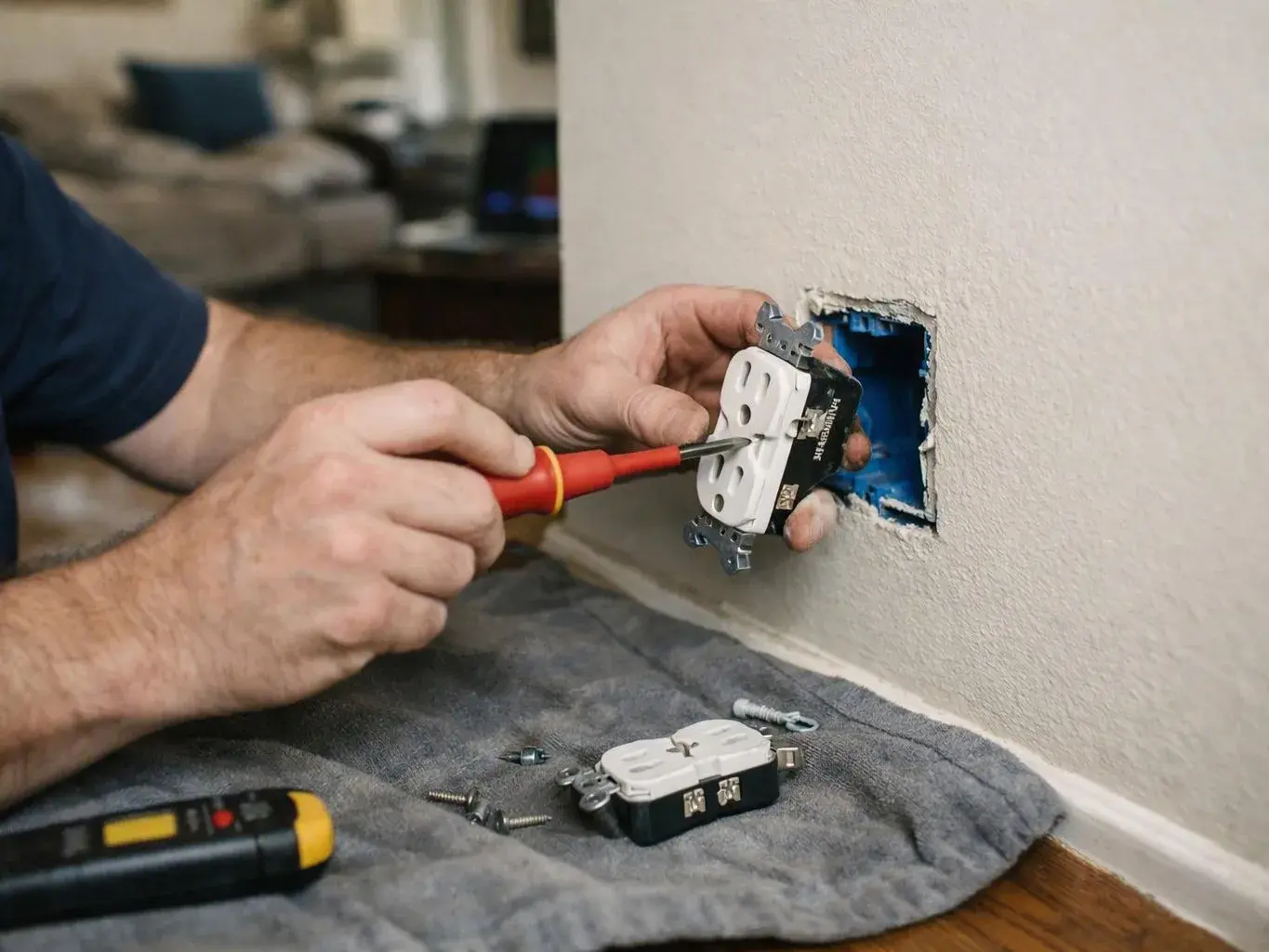
Electrical repair depends on the failed part and the power load. Circuit breaker replacement fixes a bad protective device. An electrical service upgrade may help when the home lacks enough capacity. Electrical code corrections fix unsafe wiring, grounding, or other code problems.
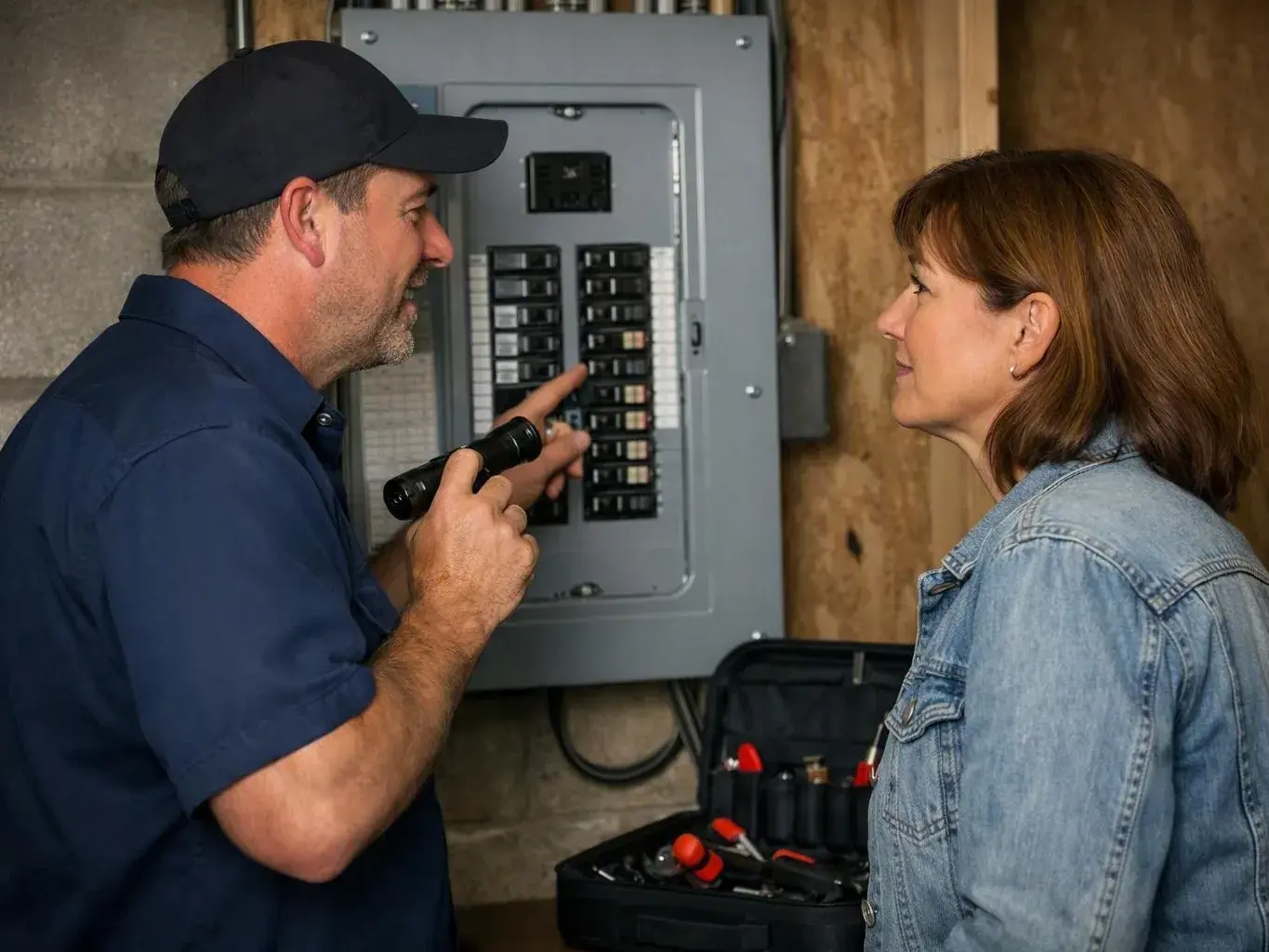
Our team checks the signs, panel, wires, connections, and affected circuits. A load check shows if the system can support heat, cooling, appliances, electric vehicle charging, or other needs. The repair should fix the cause, not just restore power for a short time.
| Observed problem | Possible repair path | Why assessment matters |
|---|---|---|
| Breaker will not hold | Circuit breaker replacement | The circuit and breaker need testing before replacement. |
| Frequent trips with growing electrical demand | Electrical service upgrade | A load check can find low capacity or poor power sharing. |
| Exposed conductors or unsafe connections | Electrical code corrections | Unsafe wiring can cause shocks and fires. |
| Aging or damaged panelboard | Panel repair or broader service work | The full system may need a check, including grounding and service wires. |
Permits may be needed for service equipment, panel, or circuit changes. We explain the work, safety reason, and inspection needs first. Electrical Service Upgrades in Fort Wayne may help older homes support modern power needs.
Our crews may suggest Circuit Breaker Replacement after testing finds a bad breaker. A new breaker won't help if a short, overload, loose connection, or damaged wire caused the problem.
How to Prevent Future Emergency Electrical Outages?
Electrical maintenance can lower outage risk. Manage circuit loads, replace damaged devices, and fix unsafe connections. Schedule an inspection for repeated trips, old service equipment, or heat damage. A qualified electrician can suggest needed upgrades instead of quick fixes.
Weather, moisture, pests, and old connections can change a system over time. Good planning protects people and helps prevent unsafe repairs.
Questions About 24 Hour Electrician
Who Do I Call When My Power Goes Out Unexpectedly?
Check the utility provider first when nearby homes are also dark. Call a qualified electrician when only your home loses power. Call for repeated trips, partial power, smoke, heat, burning odors, sparks, exposed wires, or damaged service equipment.
How Do I Know if a Power Outage Is Caused by My House or the Utility Company?
Ask a neighbor if their power works. Check for an area outage notice. A neighborhood outage usually points to the utility. One home, one circuit, or odd panel behavior points to a home fault. Never inspect outdoor equipment closely.
What Should I Check When Only Part of My House Loses Power?
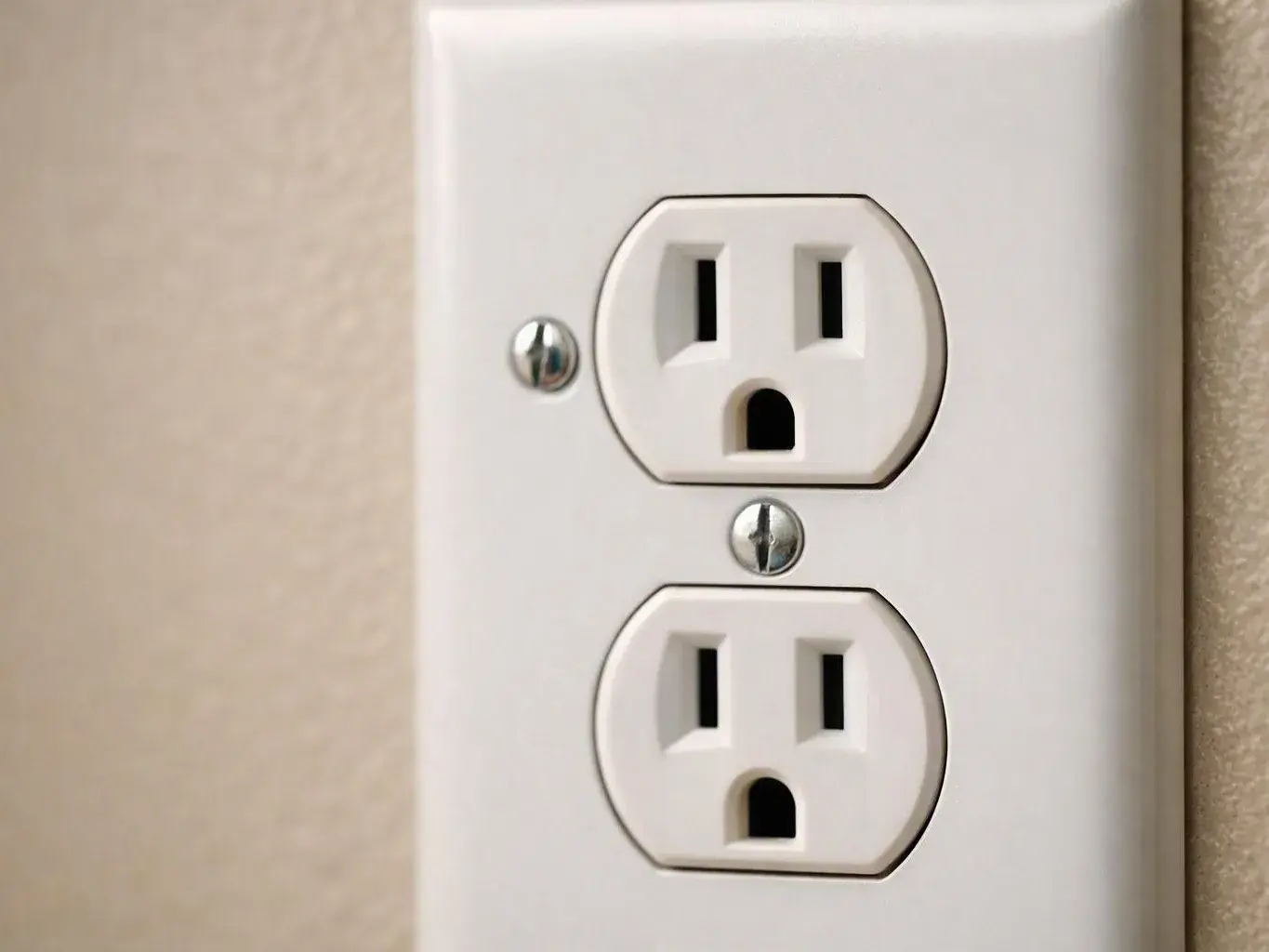
Check for a tripped breaker or GFCI outlet when the area is dry, cool, and free from damage. Don't reset either one more than once. Partial power can mean a loose connection or service fault. Arrange a professional check if power doesn't return.
Why Does My Circuit Breaker Keep Tripping After a Power Outage?
Repeated trips can come from an overloaded circuit, short circuit, ground fault, bad wire, faulty appliance, loose connection, or failed breaker. The breaker stops current to limit danger. Leave it off and have the cause tested.
Can an Electrician Fix a Power Outage Caused by an Old Electrical Panel?
Yes. An electrician can test the panel, breakers, connections, grounding, and capacity. The fix may include panel work, Circuit Breaker Replacement, Electrical Service Upgrades, or electrical code corrections.
Contact our team when a power loss creates a safety concern. Stay away from exposed equipment. We can help tell a utility outage from a home electrical emergency and explain the repair path.
Request electrical helpRelated Resources
Electrical Panel Warning Signs in Fort Wayne, IN
signs you need an electrical panel upgrade
When You Need ItCircuit Breaker Replacement Warning Signs: When to Call an Electrician in Fort Wayne, IN
signs you need a circuit breaker replacement fort wayne
When You Need ItWhen to Replace a Fuse Box in Fort Wayne, IN
signs you need to replace your fuse box
When You Need ItOutlet Replacement Warning Signs: When an Outlet Is Unsafe in Fort Wayne, IN
when should you replace an electrical outlet fort wayne