When an EV Charger or Battery Backup Problem Is an Electrical Emergency
An EV charger or battery backup problem is an electrical emergency when it creates smoke, burning odors, sparking, exposed wiring, electric shock risk, overheating, or loss of safe backup power. Chris Miller Electric checks the affected equipment, isolates hazards, and performs emergency electrical repair, EV charger repair, or battery backup repair when the system requires professional work.
Request an Estimate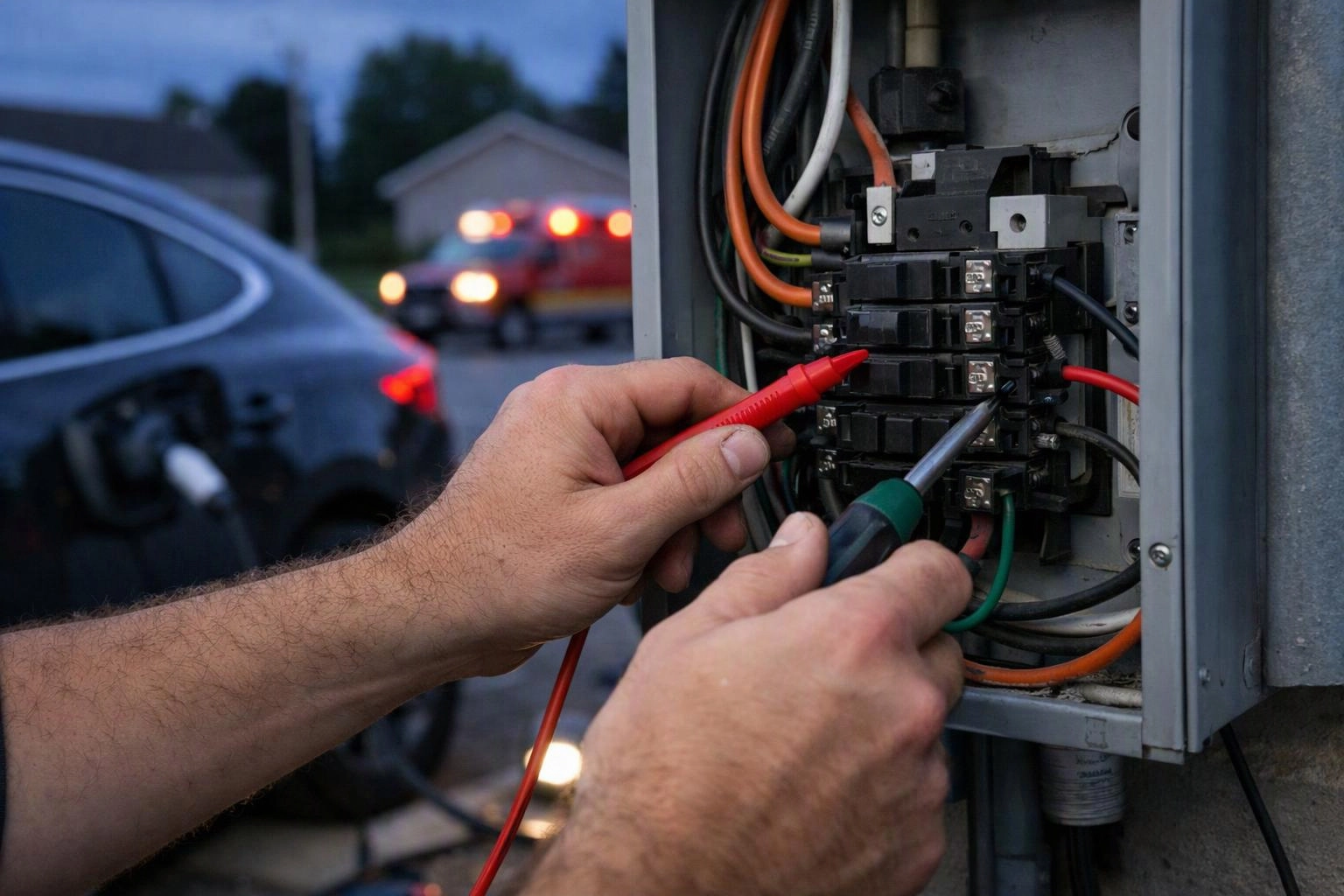
When an EV Charger Problem Becomes an Electrical Emergency
An EV charger problem becomes an electrical emergency when the charger, cable, receptacle, or circuit shows signs of dangerous electrical failure.
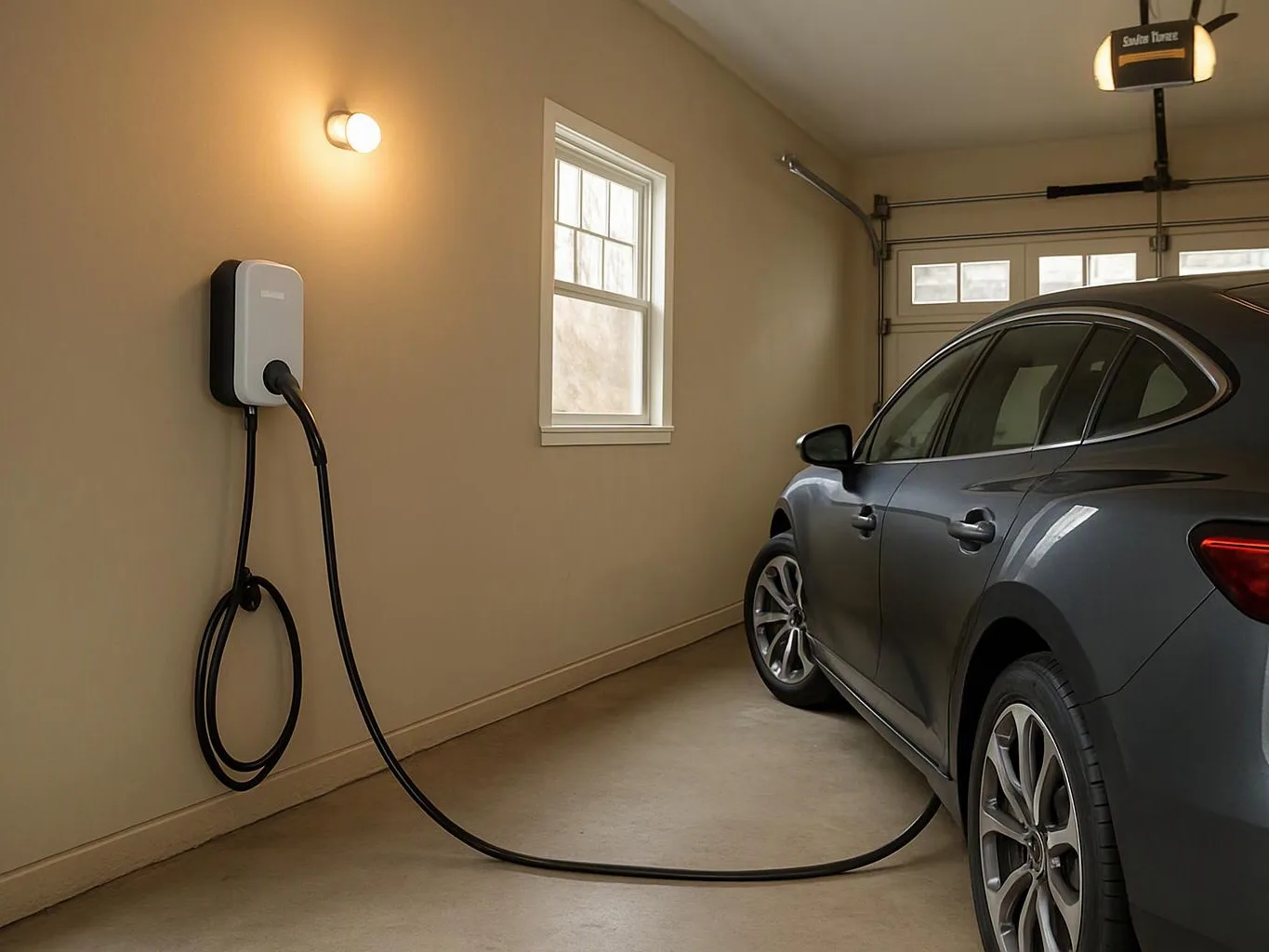
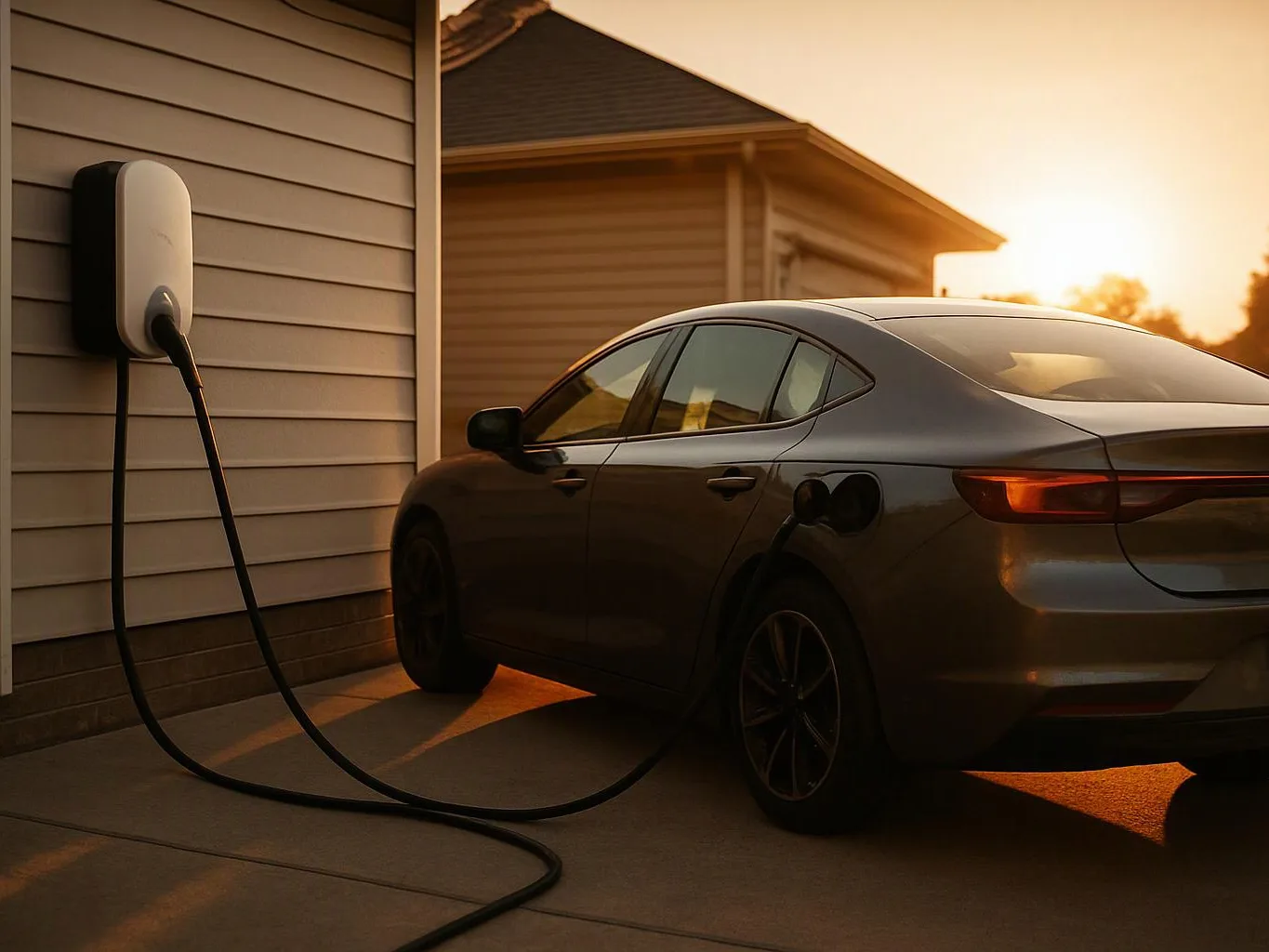
An EV charger uses a dedicated electrical path to deliver power to a vehicle. A damaged charging component, failed circuit breaker, or fault inside the home electrical panel can create an electric shock hazard or electrical fire risk.
We identify the affected equipment, shut down unsafe parts of the system, and trace the fault before repair work begins. Do not continue charging when the equipment shows damage, heat, smoke, or repeated breaker trips.
Signs an EV Charger or Battery Backup System Needs Immediate Attention
Immediate attention is needed when an EV charger or home battery backup shows visible damage, unusual heat, or signs of an electrical fault.
Stop using the affected equipment and keep people away from exposed or damaged parts. Our team can inspect the charging system, backup equipment, and related electrical connections.
What to Do When Charging or Backup Equipment Fails
When charging or backup equipment fails dangerously, stop using the equipment, keep people away from the hazard, and contact Chris Miller Electric for emergency electrical service.
Safe homeowner actions are limited to avoiding the equipment and using controls that are clearly designed for normal shutdown. Do not remove covers, touch exposed wiring, or reset a breaker repeatedly when smoke, heat, or sparking is present.
Common Causes of EV Charger and Battery Backup Emergencies
EV charger and battery backup emergencies often begin with a damaged component, an electrical connection problem, or conditions around the equipment.
We inspect the complete circuit because a charging fault can involve the charger, branch circuit, electrical panel, or protection equipment.
How Transfer Switch Problems Affect Emergency Power
A transfer switch problem needs emergency electrical attention when backup power does not transfer safely, essential circuits lose power unexpectedly, or the equipment shows heat, noise, or damage.
A transfer switch separates utility power from standby power and directs backup power to selected circuits. A failed automatic transfer switch or manual transfer switch can interrupt standby power or create a dangerous backfeed condition.
We inspect the transfer switch, electrical panel, backup source, and connected essential circuits. Our team also checks whether utility power and battery power are isolated correctly before restoring operation.
How We Diagnose and Repair the Electrical Hazard
Chris Miller Electric diagnoses an EV charger or home battery backup hazard by securing the equipment, isolating the fault, and testing the related electrical system.
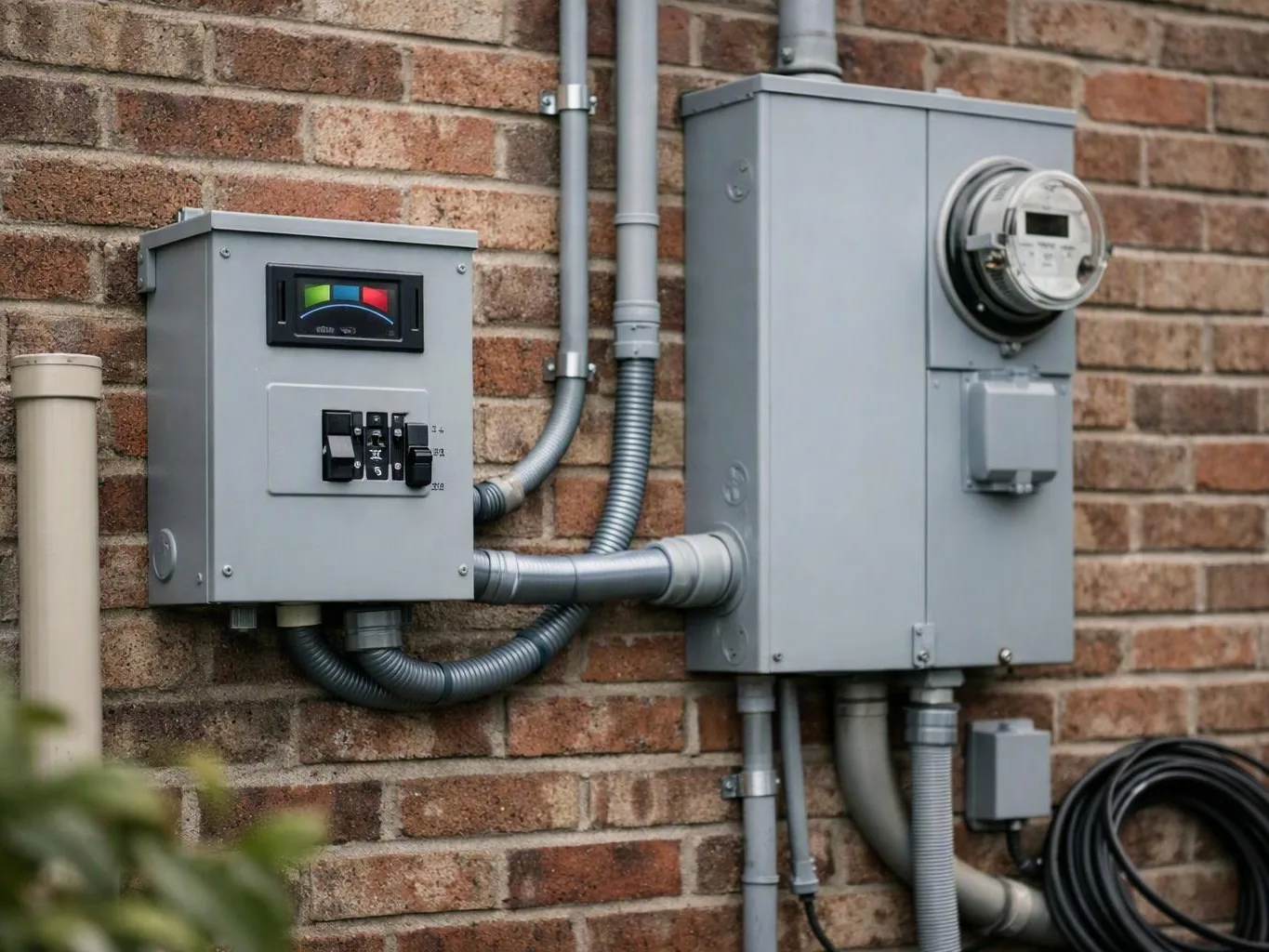
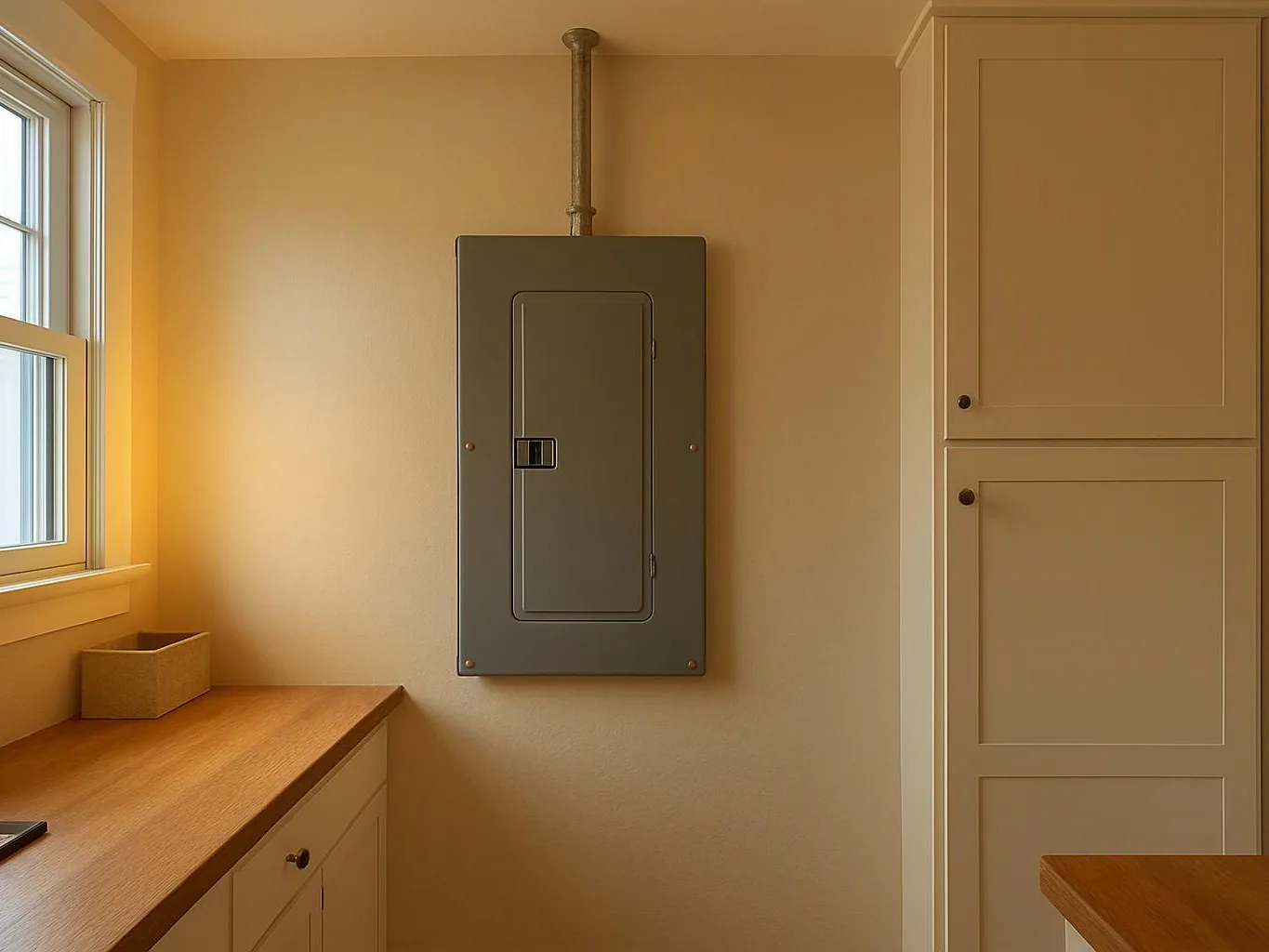
We begin with a visual inspection of the EV charger, home battery backup, electrical panel, branch circuit, wiring, conduit, disconnect, and transfer switch. We look for heat damage, loose connections, water intrusion, grounding concerns, and signs of an electrical short.
Our team uses voltage testing and other diagnostic checks to confirm where power is present and where the fault begins. We then complete EV charger repair, home battery backup repair, or transfer switch installation when the system requires that work.
We repair or replace damaged components when appropriate and verify grounding, circuit protection, and safe operation before the equipment returns to service.
Ways to Reduce EV Charger and Battery Backup Problems
Routine attention to the charger, backup system, and electrical connections can reduce avoidable faults.
We can review the installation and identify conditions that may affect charging reliability, backup power, or circuit safety.
What Emergency EV Charger Repair Should Include
Emergency EV charger repair should identify the fault, make the electrical system safe, correct damaged connections or equipment, and verify safe operation before normal charging resumes.
We inspect the charging equipment and electrical circuit before deciding whether the problem involves the cable, connector, receptacle, breaker, wiring, or charger itself. Fault isolation helps prevent an unrelated part of the system from being overlooked.
Our repair may include correcting a loose connection, replacing damaged equipment, repairing the electrical circuit, or securing unsafe wiring. We test the completed work and explain any safe operating steps that apply to the system.
How Job Conditions Affect the Repair Quote
The repair quote depends on the failed component, wiring condition, accessibility, required replacement equipment, and whether the work involves an EV charger, battery backup, or transfer switch.
We assess whether the issue is limited to the charging equipment or extends to the branch circuit, electrical panel, grounding, transfer switch, or battery backup inverter. Damage from overheating, water intrusion, or an electrical short can also change the work required.
Our quote explains the recommended repair, the affected equipment, and any replacement parts needed for safe operation. Contact us through our contact page to arrange an assessment and request an exact quote.
When to Contact Chris Miller Electric for Emergency Service
Contact Chris Miller Electric for emergency service when an EV charger or battery backup problem involves smoke, fire risk, exposed energized parts, repeated breaker trips, sparking, or unsafe loss of backup power.
We provide emergency electrical repair, emergency EV charger repair, and emergency home battery backup repair when dangerous conditions affect charging or backup operation. Our team also handles transfer switch installation and related electrical repairs when the system needs a safe correction.
Do not use equipment that smells burnt, feels unusually hot, sparks, or has visible damage. Reach out through our contact page so we can discuss the hazard and the next safe step.
Questions About EV Charger and Battery Backup Emergencies
Should I unplug an EV charger that smells burnt?
Yes, stop using an EV charger that smells burnt, but do not touch damaged connectors, exposed wiring, or hot equipment. Chris Miller Electric can isolate the charging fault and inspect the charger, receptacle, circuit, and electrical panel.
Can a tripped breaker indicate an EV charger problem?
Yes, a tripped breaker can indicate an overloaded circuit, electrical short, damaged charger, loose connection, or failed circuit protection device. Stop repeated resets and have us test the charger and branch circuit.
What should I do if my home battery backup will not turn on?
A home battery backup that will not turn on should remain out of service until the system and its connections are checked. Keep clear of the equipment if it shows heat, smoke, water damage, or exposed wiring, and contact us for home battery backup repair.
Can a damaged transfer switch affect backup power safety?
Yes, a damaged transfer switch can prevent safe transfer between utility power and backup power, interrupt essential circuits, or create a backfeed risk. We inspect the transfer switch and electrical panel before restoring backup operation.
What questions should I ask about emergency EV charger repair?
Ask which component caused the charging fault, whether the electrical circuit is safe, whether replacement parts are needed, and how safe operation will be verified. We explain the fault isolation findings, recommended repair, and work included in the quote.
Related Resources
Electrical Burning Smell? When to Call a 24-Hour Electrician in Fort Wayne, IN
When You Need ItElectrical Emergency Warning Signs Homeowners Should Not Ignore
What Goes With ItEV Charger and Dedicated Circuit Installation: What Comes First?
What It CostsHow Much Does Emergency Electrical Repair Cost After Hours?