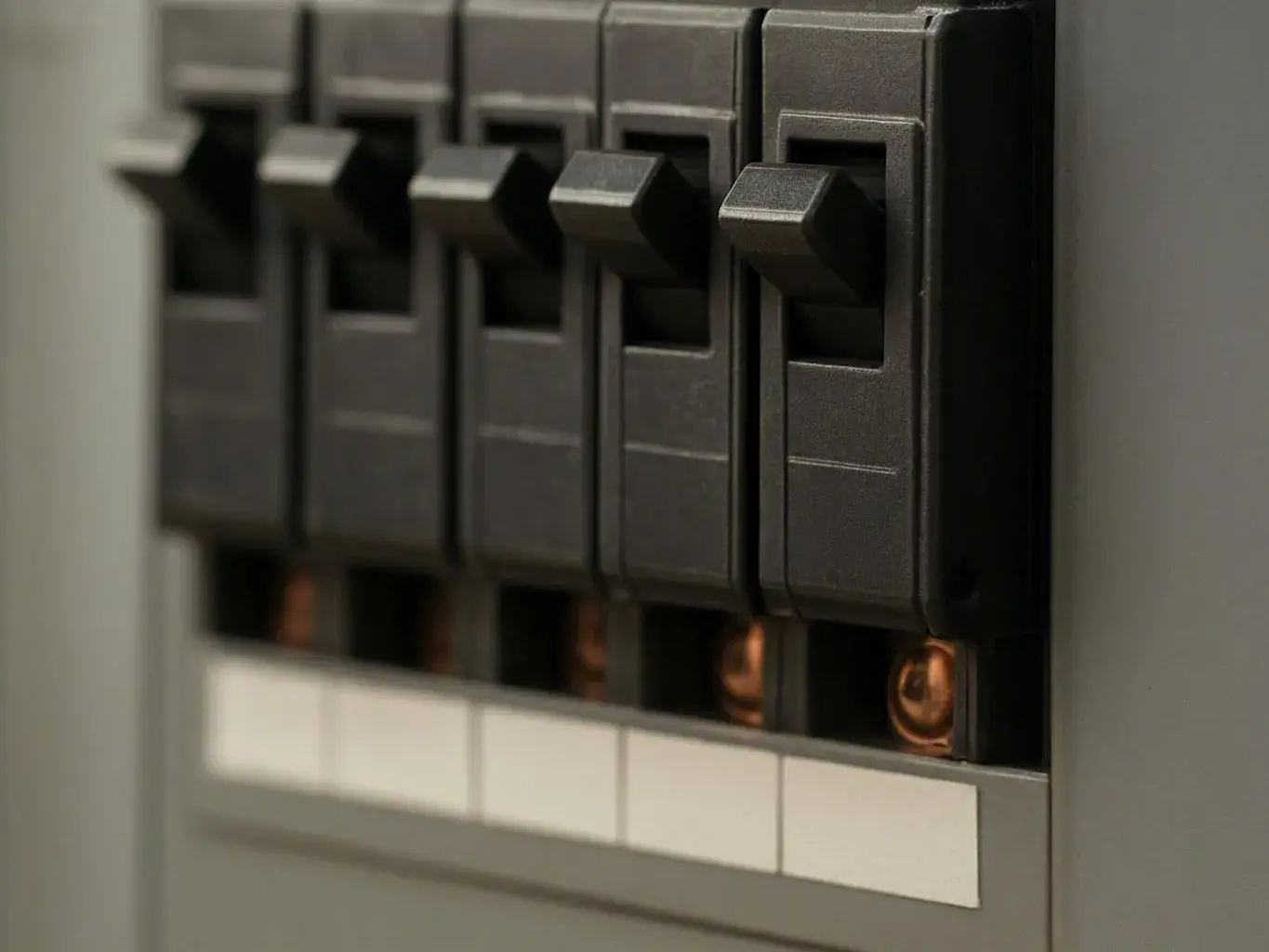
When Code Corrections Need a Service Upgrade
Electrical code corrections need a service upgrade when the current service can't safely support the repairs or added load. An electrician checks the service, panel, grounding, wiring, and safety rules first. The work may need a panel change, new service gear, or another repair.
Get a Free EstimateWhen Do Code Corrections Require a Service Upgrade?
Electrical code corrections need a service upgrade when the current system can't safely support the repair or added load. Common causes include a small service, damaged equipment, poor grounding, old parts, or no room for safe upgrades.
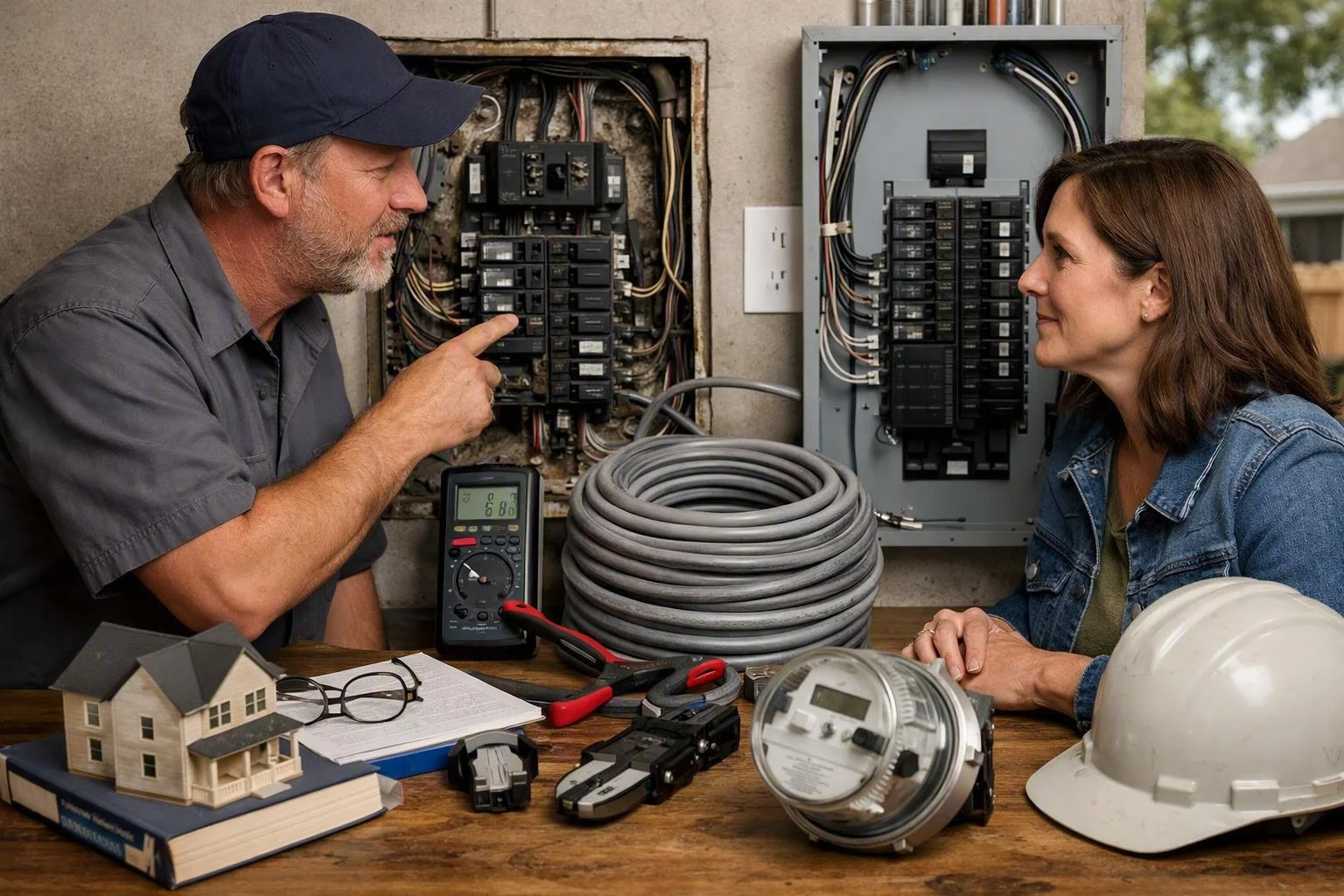
A correction may involve one outlet, cable, breaker, or wiring method. A focused repair may fix these problems without changing the whole service. The main question is simple. Can the current equipment carry the home's present and planned electrical load?
An electrical service upgrade becomes more likely when key parts are damaged or too small. These parts may include the main breaker, bus bars, service wires, or meter equipment. Older homes often show these limits during a remodel.
Homeowners may add electric heat, an air conditioner, a heat pump, a large range, or an electric vehicle charger. Each item can add a large load to the home. The service must support all major equipment working together.
Service size isn't based only on the number of breakers. It also depends on wire size, equipment ratings, grounding, and power use. A full panel may still have room for more load. A panel with few breakers may still have a serious supply problem.
Safety problems can also require more than a small repair. Loose connections, heat, rust, water damage, and poor bonding can cause shock or fire risks. A qualified electrician compares the home with local rules before choosing the fix.
Electrical Code Corrections in Fort Wayne can include a small repair, panel replacement, or full service upgrade. The right choice depends on what the electrician finds.
The Difference Between a Correction and an Upgrade
An electrical repair fixes one known problem. An upgrade changes the system's size, condition, or equipment. Code work may need one or both. For example, replacing a bad breaker may be enough if the panel and service remain safe.
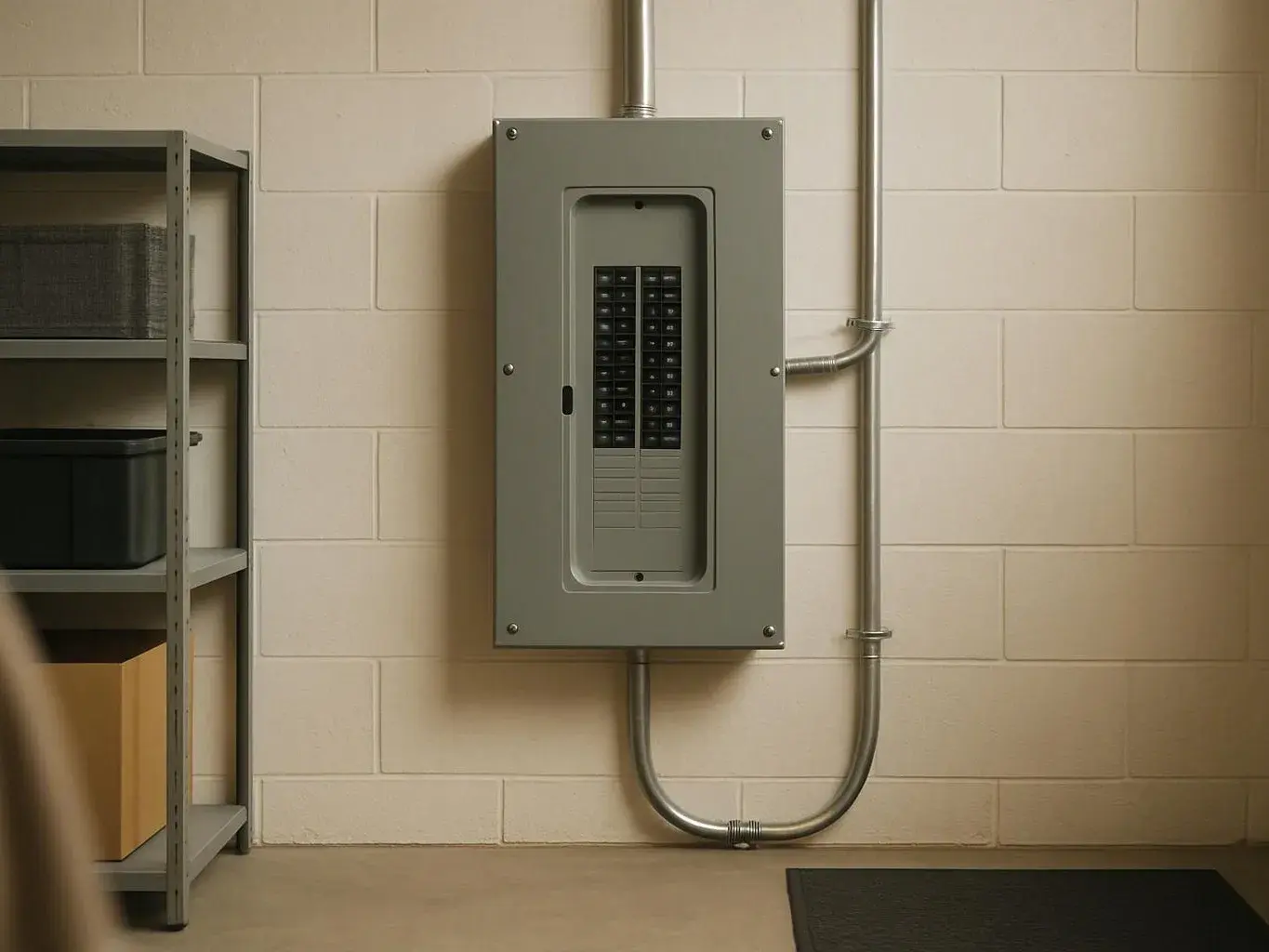
Panel replacement is a larger repair. It may be needed because of rust, old breakers, damage, or a lack of safe spaces. A new panel doesn't always increase the service size.
The service wires and utility equipment must support any larger rating. An electrical service upgrade may include new service gear, a larger main disconnect, new service wires, and better grounding. Utility work may also be needed.
A service can sometimes stay in place while a branch-circuit repair fixes one violation. Our team explains these choices before work starts. You'll know what needs to change and why.
This helps homeowners avoid paying for a full replacement when a safe repair is enough. It also prevents a small fix from blocking future home improvements.
Situations That Often Need Both Services
Electrical panel corrections and service upgrades often go together. This happens when service equipment is unsafe or too small. It may occur during a remodel or when new equipment is added.
These projects don't always need a full replacement. The correct scope depends on the home's total load and service condition. Permit rules also affect the work.
The following situations often connect a safety repair with a capacity upgrade:
Older homes can hide hazards behind walls or inside old equipment.24 Hour Electrician may handle an urgent unsafe condition. Permanent code work still needs design, permits, tests, and inspection.
How an Electrician Determines Whether an Upgrade Is Necessary?
Electrical load calculation helps decide if an upgrade is needed. An electrician compares the home's power use with the service rating. The review also checks the panel, wires, grounding, and planned equipment.
The service rating shows how much current the equipment can carry safely. The main disconnect and panel must match that rating. The wires must also have the right size and protection.
A larger breaker can't create more capacity by itself. The wires and equipment must support the higher rating.
The review also looks at how appliances run. Some use power for short periods. Others run for long periods. A proper calculation reviews how these loads work together.
The equipment's condition matters too. Heat marks, loose wires, rust, missing covers, and damaged insulation can change the repair plan. The electrician also checks grounding, bonding, neutral wires, breakers, and branch circuits.
Planned work matters as well. A homeowner may add an EV charger or change from gas appliances to electric ones. We review future needs before choosing equipment.
That approach connects today's code issue with tomorrow's project. It helps prevent a repair from causing a new limit.
What the Inspection and Load Assessment Covers?
An inspection reviews the parts that carry and control electricity. The electrician records the home's condition and finds the unsafe point. Then, the electrician decides if the repair can stay local.
Most home assessments can be done during one visit. The full job may take longer if walls, meters, or utility-owned parts are involved. A written scope should explain known issues and needed utility checks.
Correction or Upgrade? A Practical Comparison
Electrical service upgrades change the equipment that supplies the home. A code correction fixes one unsafe or unapproved condition. The right scope depends on the service size, equipment condition, and home load.
A code violation doesn't always mean electrical panel replacement. A branch-circuit repair may solve the issue when the service is safe and large enough. A larger job may be needed when the problem involves service wires, grounding, or the main equipment.
| Project type | Typical reason | What may change | Permit and inspection focus |
|---|---|---|---|
| Targeted code correction | One unsafe outlet, cable, breaker, or wiring method | A branch circuit or individual device | Correction of the documented violation |
| Panel replacement | Damage, corrosion, obsolete parts, or poor condition | The panelboard, breakers, labeling, and connections | Proper equipment, clearances, bonding, and circuit protection |
| Service equipment upgrade | Insufficient service capacity or supply-side limitations | Main disconnect, service equipment, and possibly service entrance conductors | Load calculation, utility requirements, and final approval |
| Combined project | A correction occurs during renovation or equipment addition | Service, panel, grounding, and related branch circuits | Complete scope, permit records, testing, and inspection |
The table shows why the panel and future load need review together. Many jobs involve several connected parts. A service project may need one power shutoff and more than one inspection visit.
The local process and job findings affect the schedule. Your electrician should explain these steps before work begins.
What to Expect During a Code Correction and Service Upgrade?
Electrical inspection and planning come before installation. The usual process includes an assessment, written scope, permits, utility scheduling, installation, testing, and final inspection.
Homeowners should know the code issue and why service size matters. They should also know which parts will change and when power may be off.
First, our team reviews the current installation and planned equipment. We find unsafe conditions and check the main equipment. We also complete the load calculation.
Then, we explain the repair plan. It may include a small repair, panel replacement, or full service equipment upgrade.
Next, we handle permits and utility needs when required. A utility disconnect may be needed near the meter or service wires. The utility and local inspection office control the timing.
Power may not return right after the physical work ends. Homeowners should plan for that possibility.
During installation, crews need clear access to the panel and service equipment. Move stored items away from these areas. Keep children and pets away from the work.
Power may be off for part of the day. Protect sensitive electronics before the outage begins.
After the work, the electrician tests the connections, grounding, polarity, breakers, and labels. The final inspection checks the approved work.
Some systems may stay off until inspection or utility reconnection is complete.
Home safety stays important during all electrical work. Don't remove covers or reset damaged breakers again and again. Don't touch wet electrical equipment.
Leave the area if you see smoke, arcing, or exposed live parts. Seek emergency help when needed.
For planned work, ask for a written schedule and outage time. Ask about access, permits, and final documents too.
Electrical Code Corrections and Electrical Service Upgrades are residential electrical services. The work should match the home's actual condition. Our crews can explain future needs and utility steps.
Contact us through our contact page to discuss the next safe step.
Questions About 24 Hour Electrician
What Electrical Code Violations Require a Service Upgrade?
Violations that affect service size, damaged service equipment, small service wires, poor grounding, unsafe main disconnects, or old equipment may require an upgrade. A local issue, such as one bad branch circuit, often can be fixed without replacing the service.
How Do I Know if My Electrical Panel Needs to Be Upgraded?
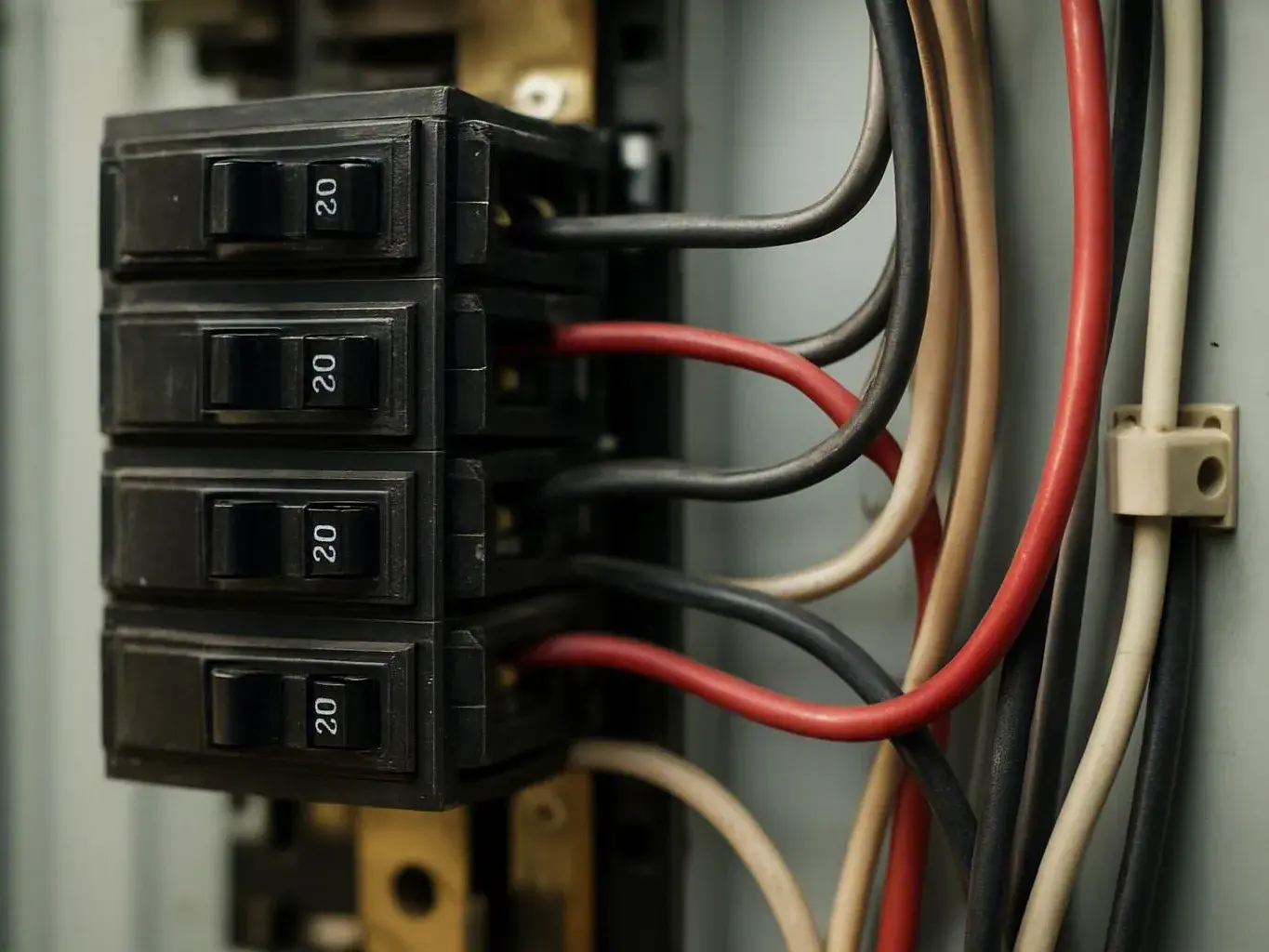
Warning signs include heat damage, buzzing, rust, repeated breaker trips, missing covers, old breakers, and limited safe spaces. New equipment that exceeds available capacity is another sign. An electrician should inspect the panel and review the load before recommending replacement.
Can an Electrician Make Code Corrections Without Replacing the Electrical Service?
Yes. Many corrections involve an outlet, branch circuit, breaker, wiring method, or grounding connection. These repairs don't always need a service replacement. The current service can stay if its size, condition, wires, and safety systems support the corrected work.
Does Adding an Electric Vehicle Charger Require a Service Upgrade?
Not always. The answer depends on the charger's demand, current home load, service size, panel condition, and available capacity. A load calculation may support the charger with the current service. It may also show a need for load control, a panel change, or a service upgrade.
How Much Does an Electrical Service Upgrade Usually Cost?
There isn't one set price. Cost depends on service size, panel and wire condition, grounding work, utility rules, access, permits, and related repairs. Request a written assessment that separates required safety work from optional future upgrades.
Related Resources
Electrical Panel Warning Signs in Fort Wayne, IN
signs you need an electrical panel upgrade
When You Need ItCircuit Breaker Replacement Warning Signs: When to Call an Electrician in Fort Wayne, IN
signs you need a circuit breaker replacement fort wayne
When You Need ItWhen to Replace a Fuse Box in Fort Wayne, IN
signs you need to replace your fuse box
When You Need ItOutlet Replacement Warning Signs: When an Outlet Is Unsafe in Fort Wayne, IN
when should you replace an electrical outlet fort wayne