What causes electrical panel damage?
Arc faults, overloads, loose terminals, water intrusion, and improper installation can damage an electrical panel. We inspect the panel and trace connected circuits to find the cause. Heat marks, corrosion, buzzing, and repeated breaker trips help guide the diagnosis. The repair scope follows the cause, not only the visibly damaged part.
What does the crew look at first during panel repair?
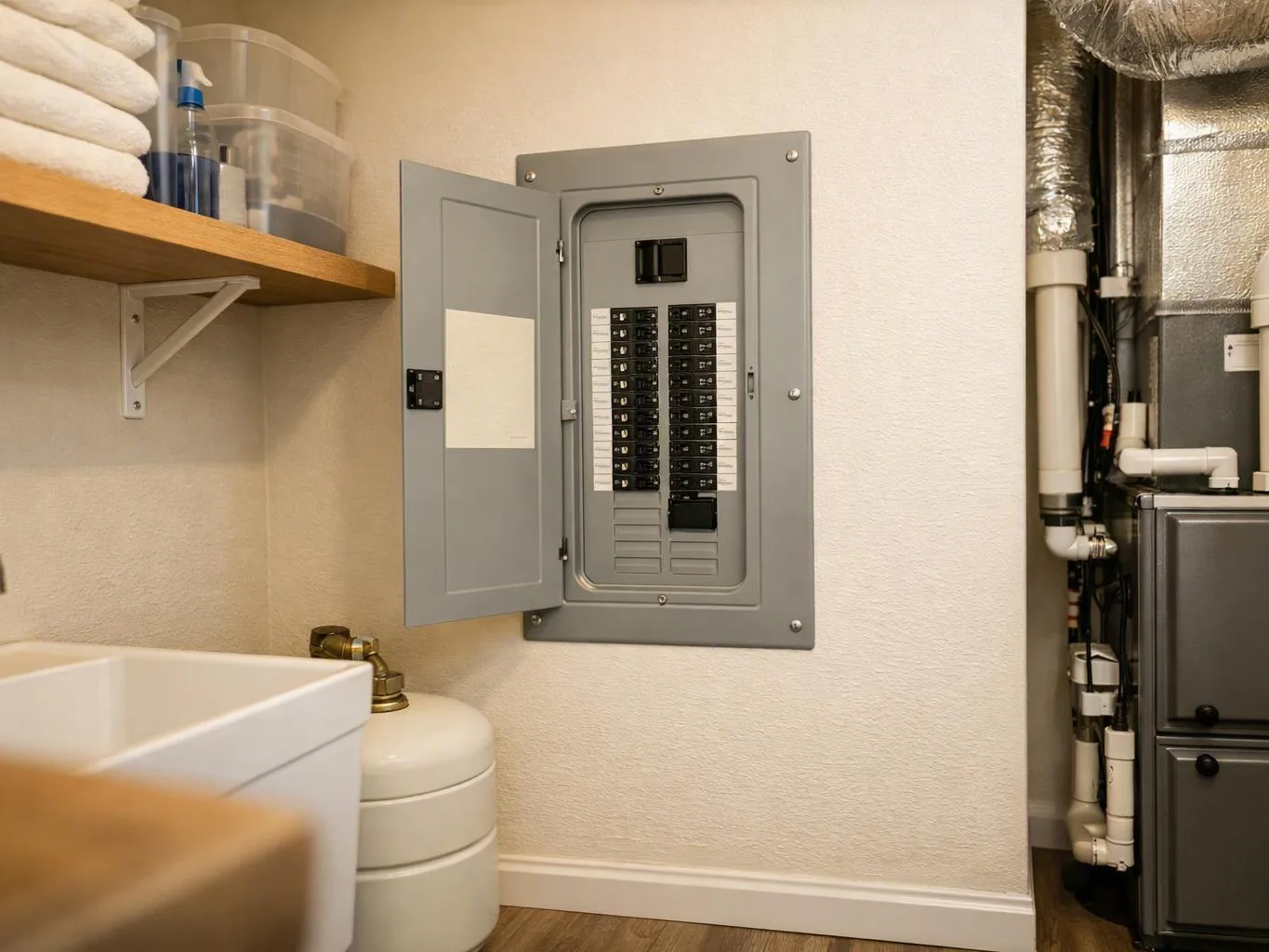
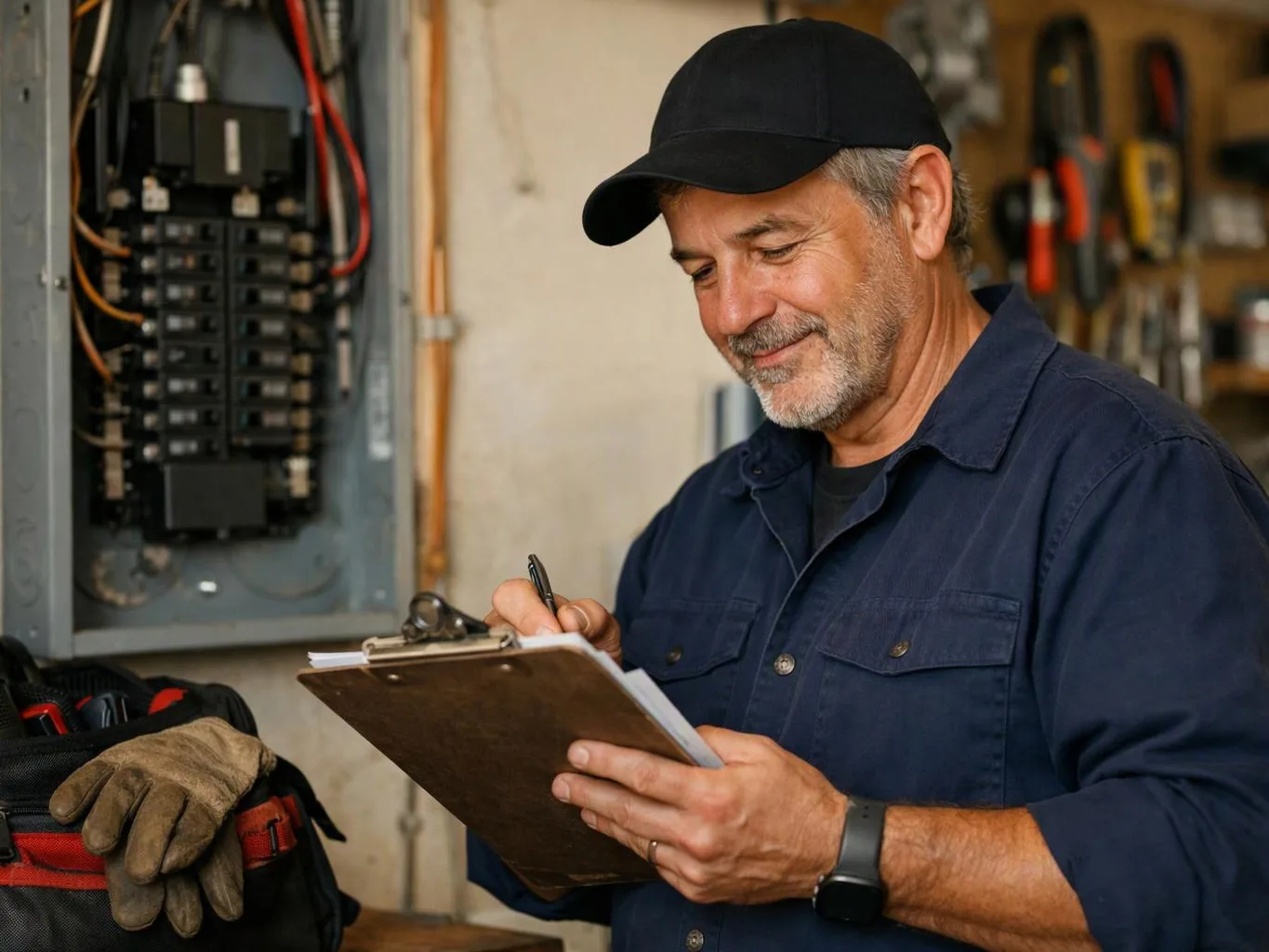
The panel enclosure, breakers, terminals, and visible conductors receive the first inspection. We look for heat, corrosion, loose connections, and signs of a fault. Circuit tracing then links the panel condition to outlets, lights, or equipment. This check helps us set a focused repair scope.
What happens at each stage of panel repair?
Panel repair follows inspection, circuit isolation, testing, repair planning, and verification.
- We inspect visible panel damage.
- We isolate and trace the affected circuit.
- We test connections and related wiring.
- We explain the repair or upgrade scope.
- We verify the repaired circuit.
Which panel issue changes the repair price?
The damaged part and the cause of the fault have the greatest effect on repair cost. A breaker replacement differs from work involving terminals, conductors, water damage, or a panel upgrade. Access and related circuit repairs also affect the scope. We provide a free estimate after assessing the panel.
When should panel damage receive urgent attention?
Panel damage needs urgent attention when you notice burning smells, buzzing, sparking, water, heat, or repeated breaker trips. Turn off affected equipment and keep away from damaged electrical parts. Our 24-hour emergency electrical response handles urgent electrical concerns, while the repair scope follows the inspection.
Why does a breaker keep tripping after reset?
A breaker that keeps tripping often signals an overload, short circuit, damaged breaker, or wiring fault. Repeated resets can leave the underlying problem active. We trace the circuit, inspect the panel connection, and test the load. Leave the breaker off if it trips again and request an assessment.
How should I prepare before panel repair is scheduled?
Record which breaker trips, what equipment was running, and whether lights or outlets are affected. Photos of the closed panel can help us understand visible warning signs. Do not remove the panel cover or touch warm, wet, buzzing, or sparking parts. Share recent remodel, appliance, or generator work when requesting service.