Questions about electrical fault diagnosis
Who is a good fit for electrical troubleshooting, and who needs a different service?
Homeowners and businesses with an unexplained electrical fault are good fits for troubleshooting. The service suits flickering lights, dead outlets, repeated breaker trips, and buzzing panels. A customer who already needs a new circuit, panel upgrade, generator installation, or whole-house rewiring needs a broader project assessment. We can explain that next scope after testing.
What does the crew look at first during electrical troubleshooting?
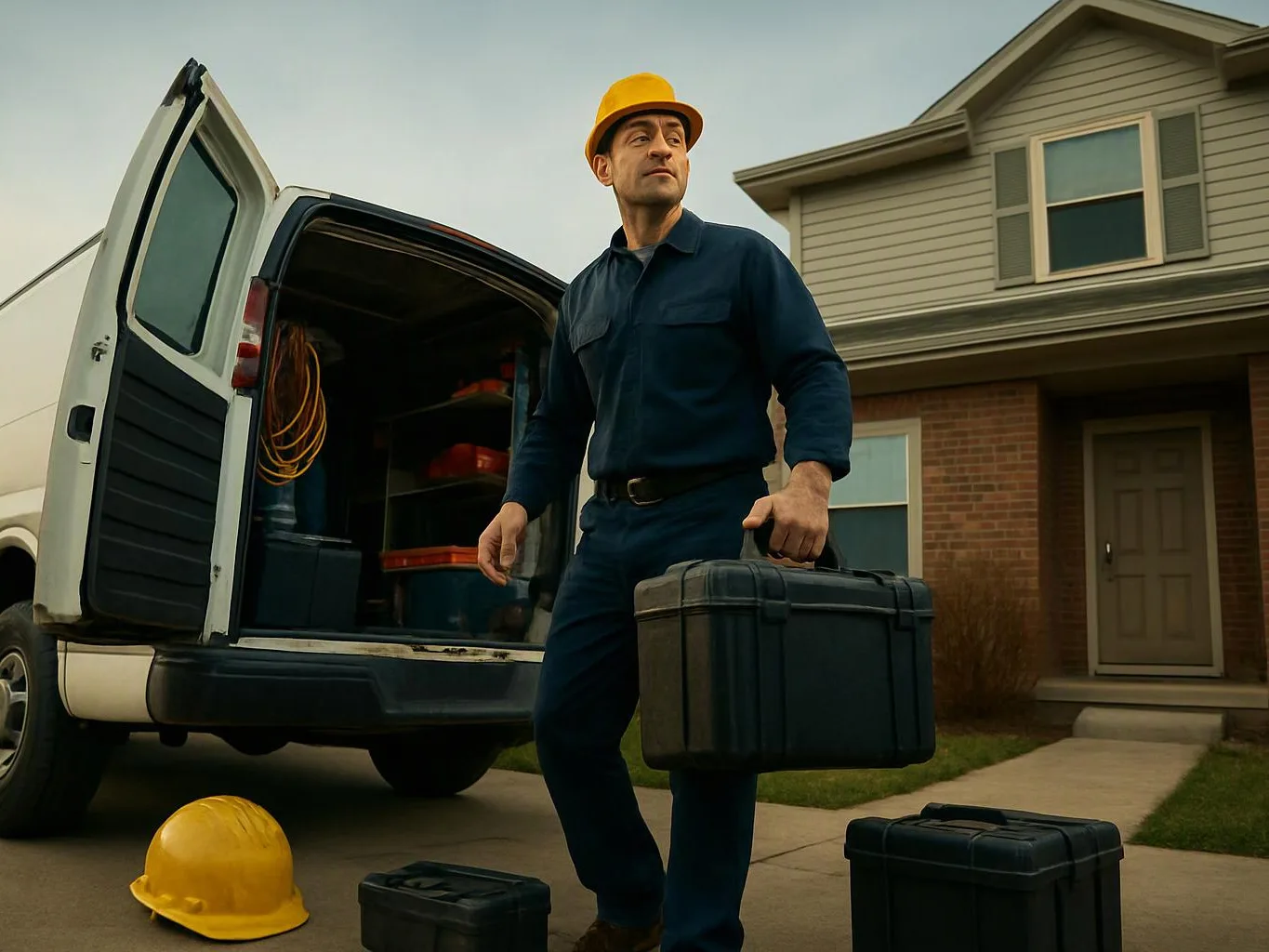
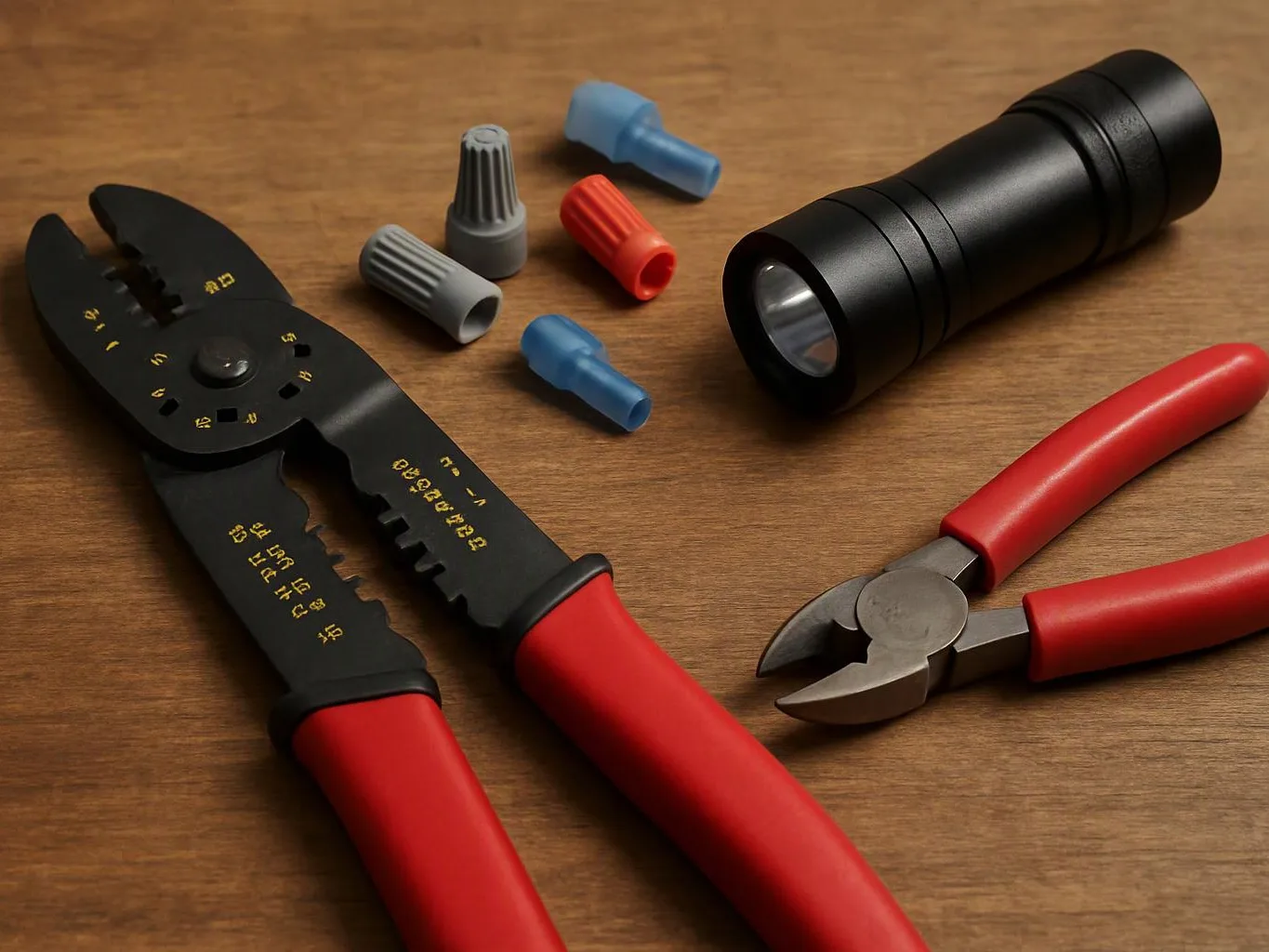
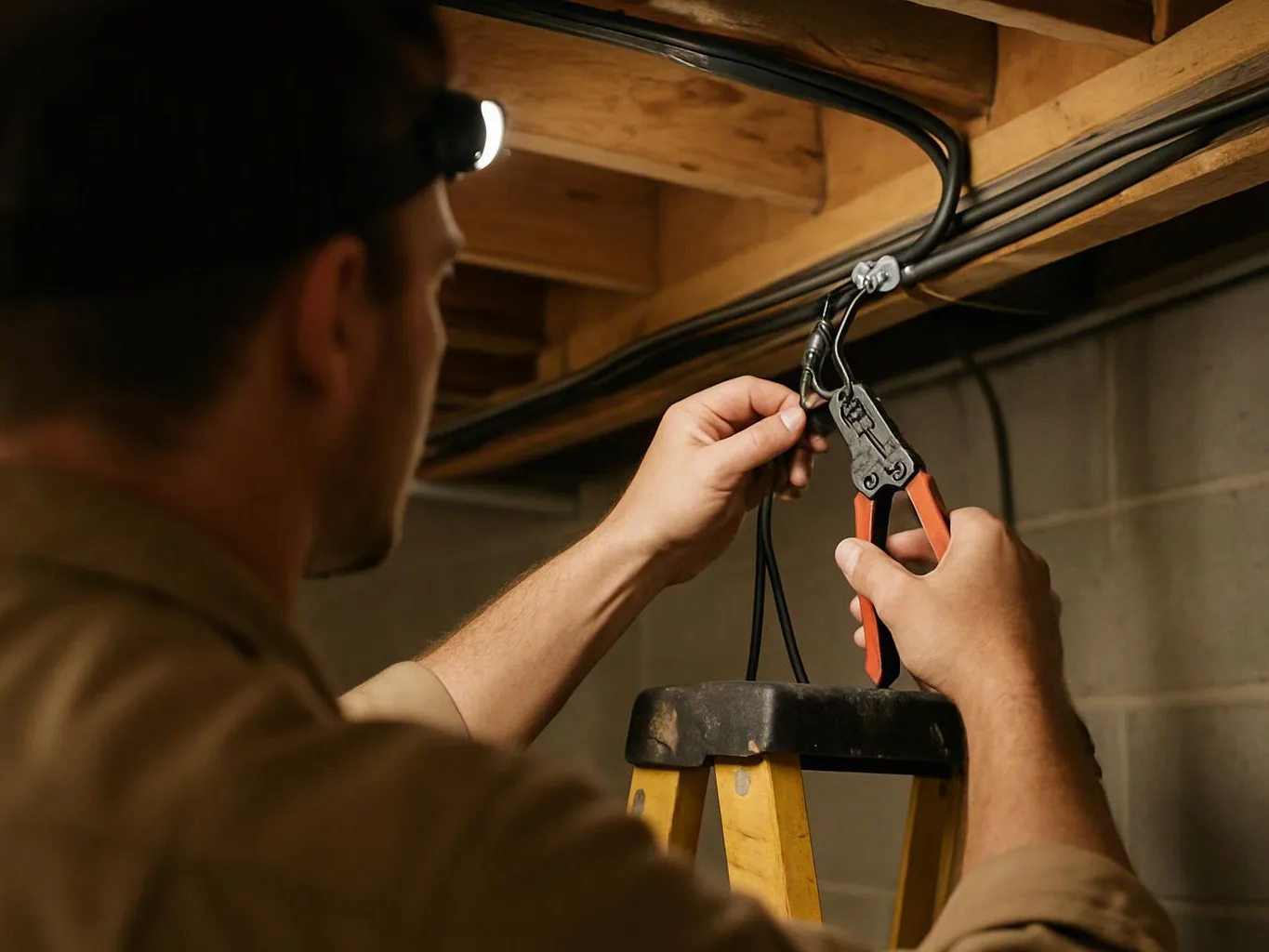
The reported symptom and the affected circuit receive the first review. We check the panel, breaker position, nearby outlets, switches, and signs of heat or damage. A voltage detector supports the initial safety check, then other test tools help confirm the fault. You should tell us what changed before the problem began.
When should I stop using an outlet or circuit?
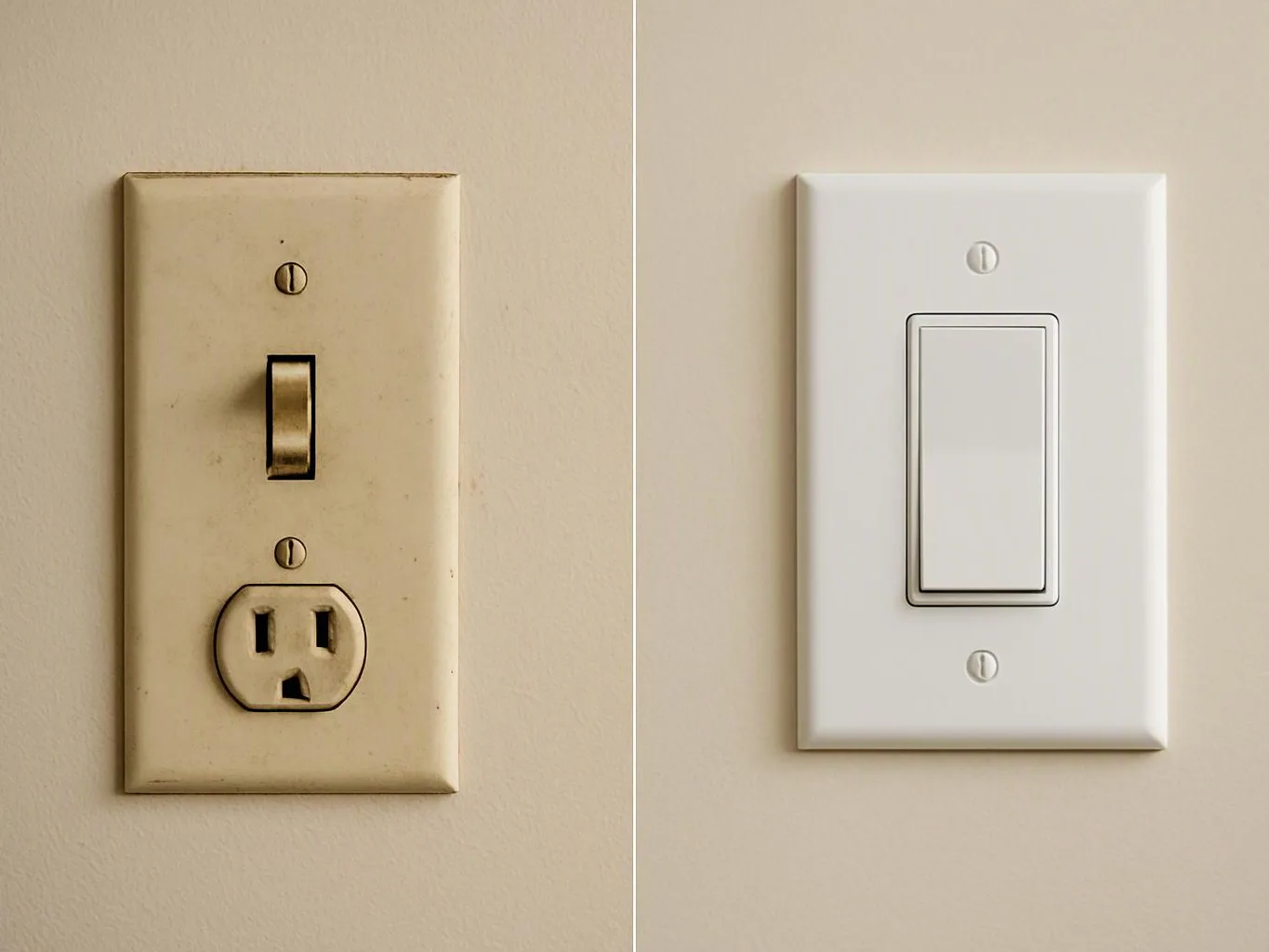
Stop using an outlet or circuit when it sparks, smells burned, feels warm, or trips a breaker repeatedly. Turn off the affected circuit if you can do so safely, and keep people away from damaged parts. We inspect the circuit, check for heat and loose connections, and explain the repair needed.
How does electrical troubleshooting differ from an electrical inspection?
Electrical troubleshooting targets a known symptom, while an electrical inspection reviews the broader system for condition and safety concerns. Troubleshooting may focus on one outlet, breaker, or circuit. An inspection may review panels, wiring, grounding, outlets, and other accessible components. We help select the right service based on the reason for the visit.
What changes the price of a troubleshooting visit?
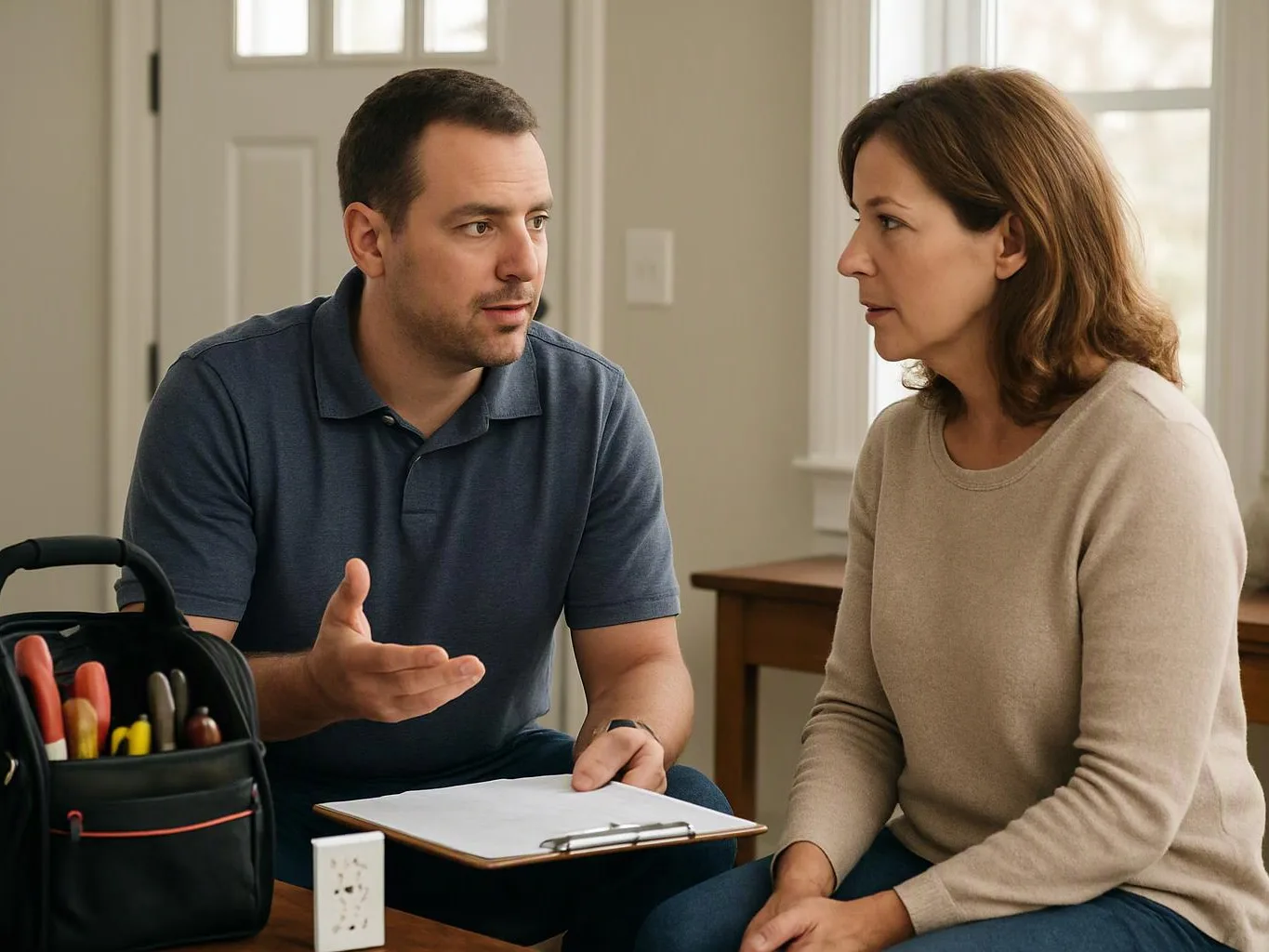
The fault location, circuit count, access, and required repair parts change the project price. A simple outlet fault has a different scope from a wiring issue that reaches the panel. We inspect the problem, explain the repair choices, and provide upfront pricing before planned repair work.
Why does a breaker keep tripping after I reset it?
A breaker that trips again may indicate an overload, damaged equipment, or a wiring fault. Repeated resets do not identify the cause and can leave a dangerous condition active. We check the connected load, panel, breaker, and circuit path. Leave the breaker off if it continues to trip.