How are intermittent voltage drops diagnosed?
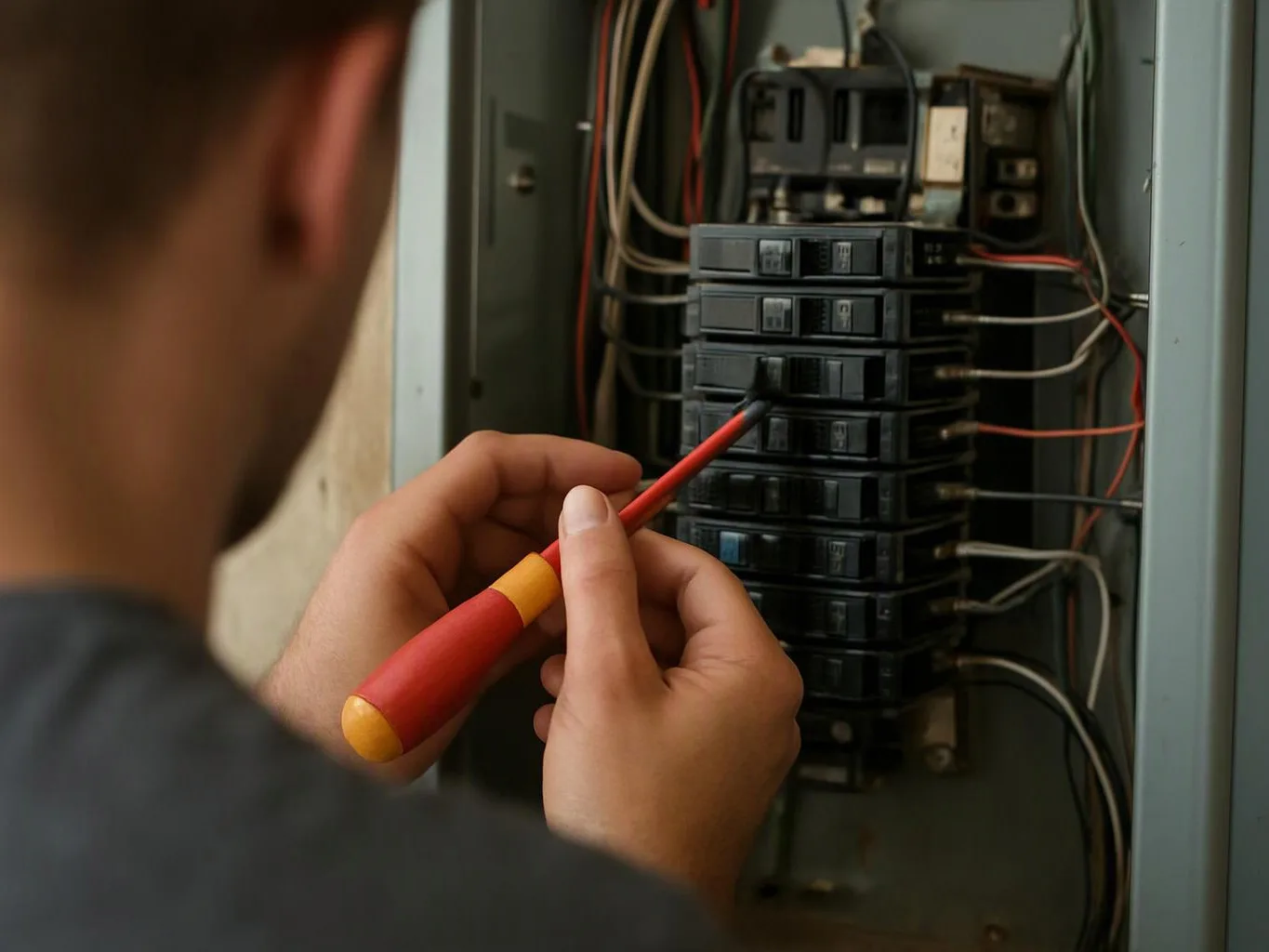
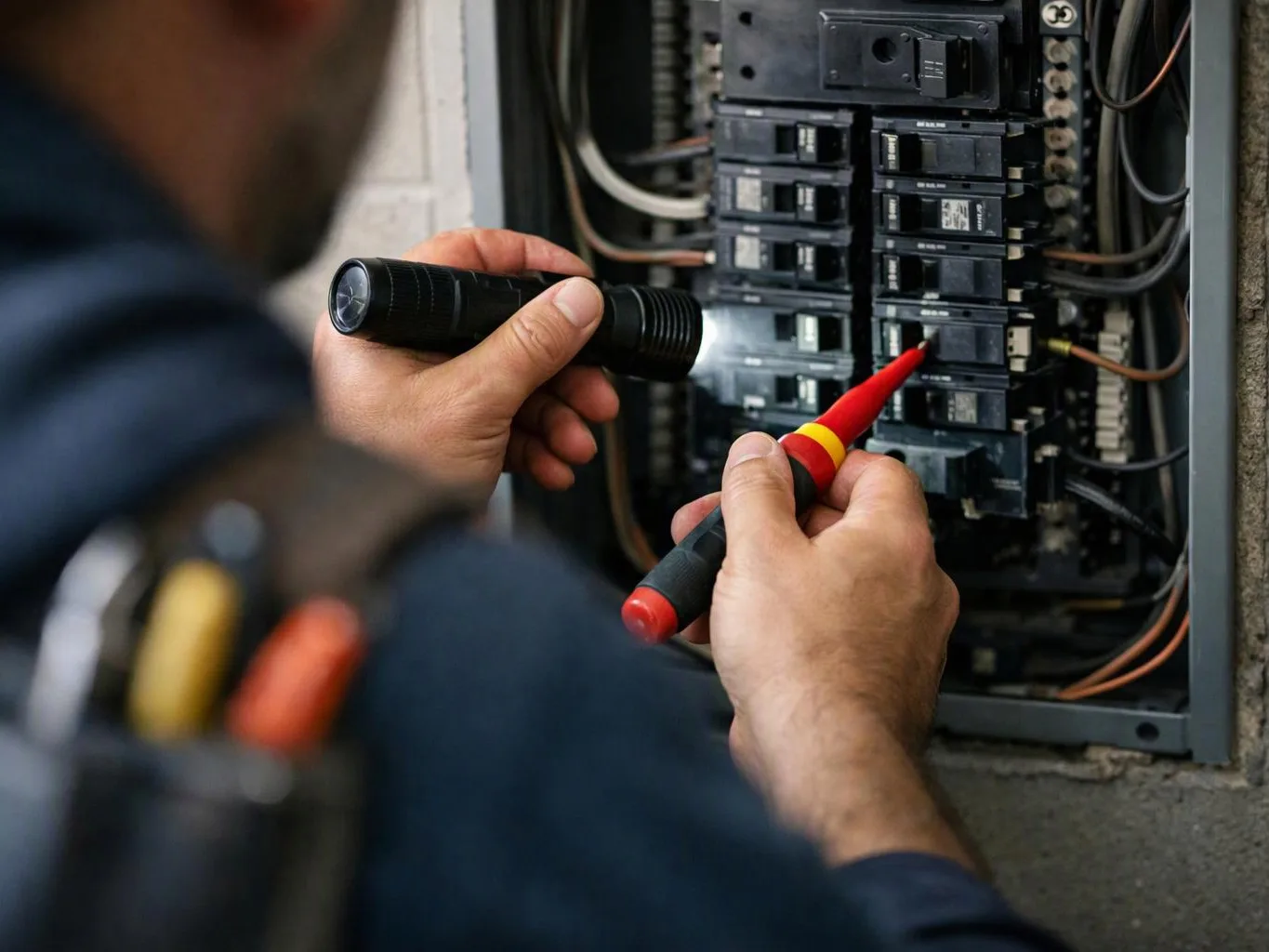
Voltage drops are diagnosed through circuit tracing, connection testing, and fault logging. Chris Miller Electric checks when the symptom appears, what load is running, and which terminals or conductors lose stable power. Loose terminals and wire corrosion receive close attention because either issue can interrupt power without staying visible during the entire assessment.
What does the crew look at first during a fault check?
The reported symptom and affected circuit come first. We inspect the panel, breaker, outlet, switch, and accessible wiring connected to that circuit. The first checks also look for heat, damage, loose terminals, and signs of a poor connection. That information guides the next test instead of setting a repair scope by guesswork.
Who is a good fit for electrical troubleshooting?
Homeowners and businesses with unexplained power problems are good fits for electrical troubleshooting. We handle flickering lights, dead outlets, repeated breaker trips, buzzing panels, and faults that appear only under load. A planned lighting installation or whole-property rewiring needs a different service scope, although diagnosis may still identify what that project requires.
What happens at each stage of the diagnosis?
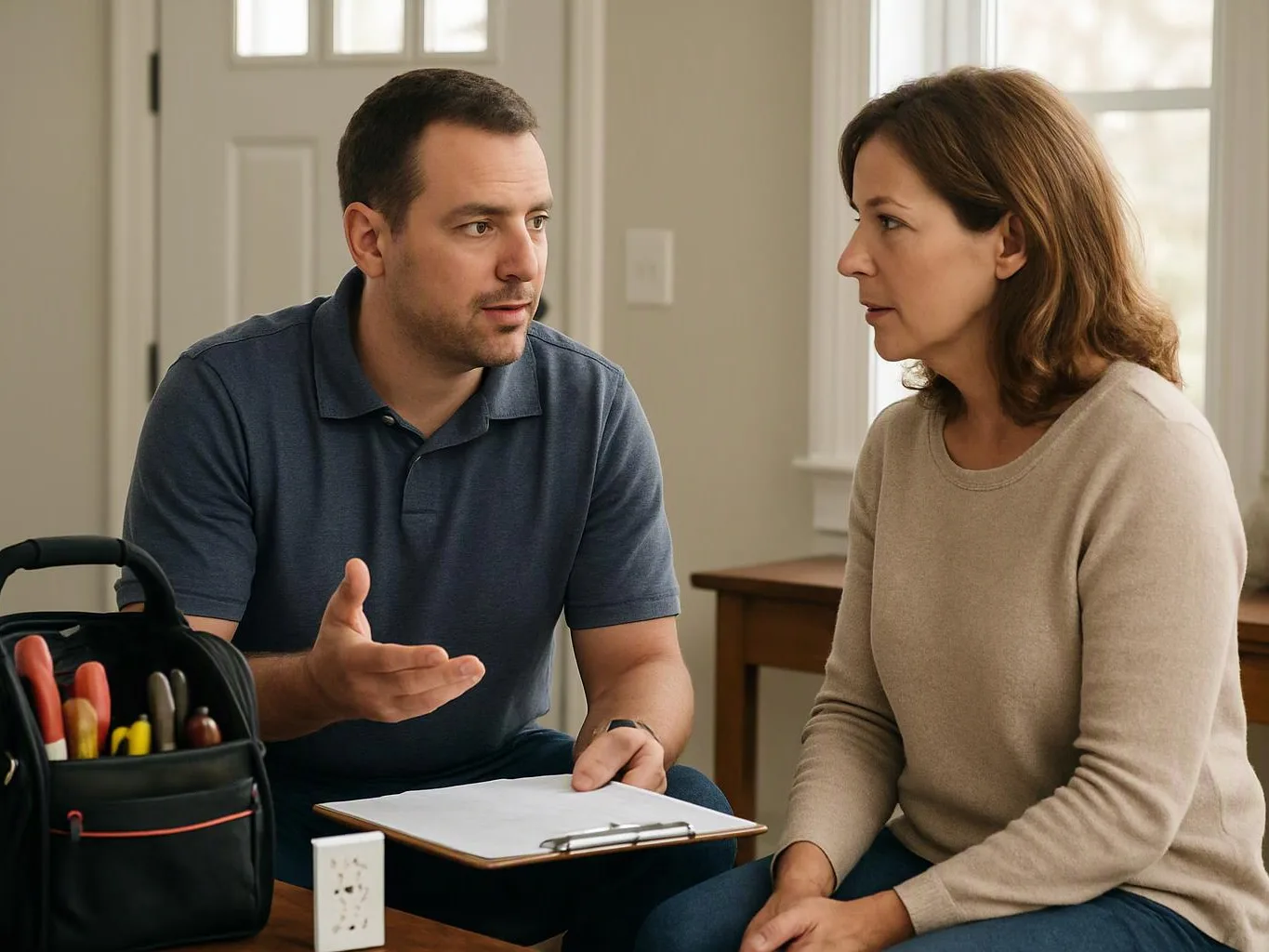
The diagnosis starts with the reported symptom, then moves through inspection, circuit tracing, connection testing, fault logging, and repair recommendations. We check the panel and affected devices before testing the path between them. The final discussion identifies the failed part or connection and separates a focused repair from a larger electrical upgrade.
When should I stop using a problem circuit?
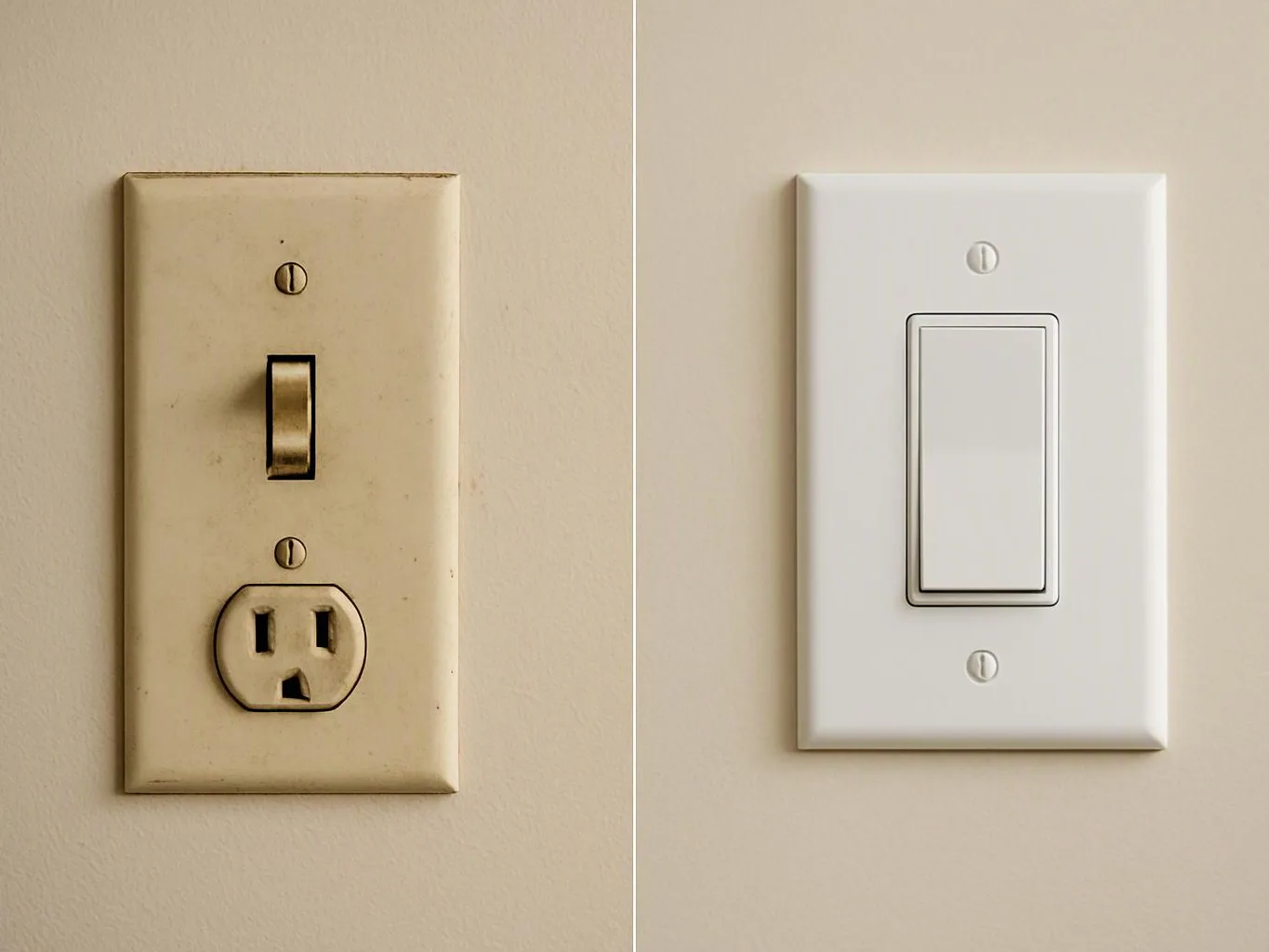
Stop using a circuit when an outlet sparks, a switch plate feels warm, a panel buzzes, or you smell burning. We treat those signs as urgent safety concerns and inspect the affected circuit before normal use continues. Turn off equipment connected to the problem area when safe, and keep people away from damaged outlets.
Which job details change the quote for fault diagnosis?
The affected circuit, wiring access, fault pattern, panel condition, and needed repair change the quote. A visible outlet issue may require less tracing than a fault hidden behind finished surfaces. We review those factors with you and explain the included work before you decide whether to repair, rewire, or upgrade.
Why does a breaker keep tripping after I reset it?
A breaker may keep tripping because of an overload, damaged wire, loose connection, or failing device. We identify which loads share the circuit and inspect the breaker, terminals, outlets, and wiring. Repeated resets do not resolve the cause, so stop using the circuit if heat, buzzing, sparks, or a burning smell appears.