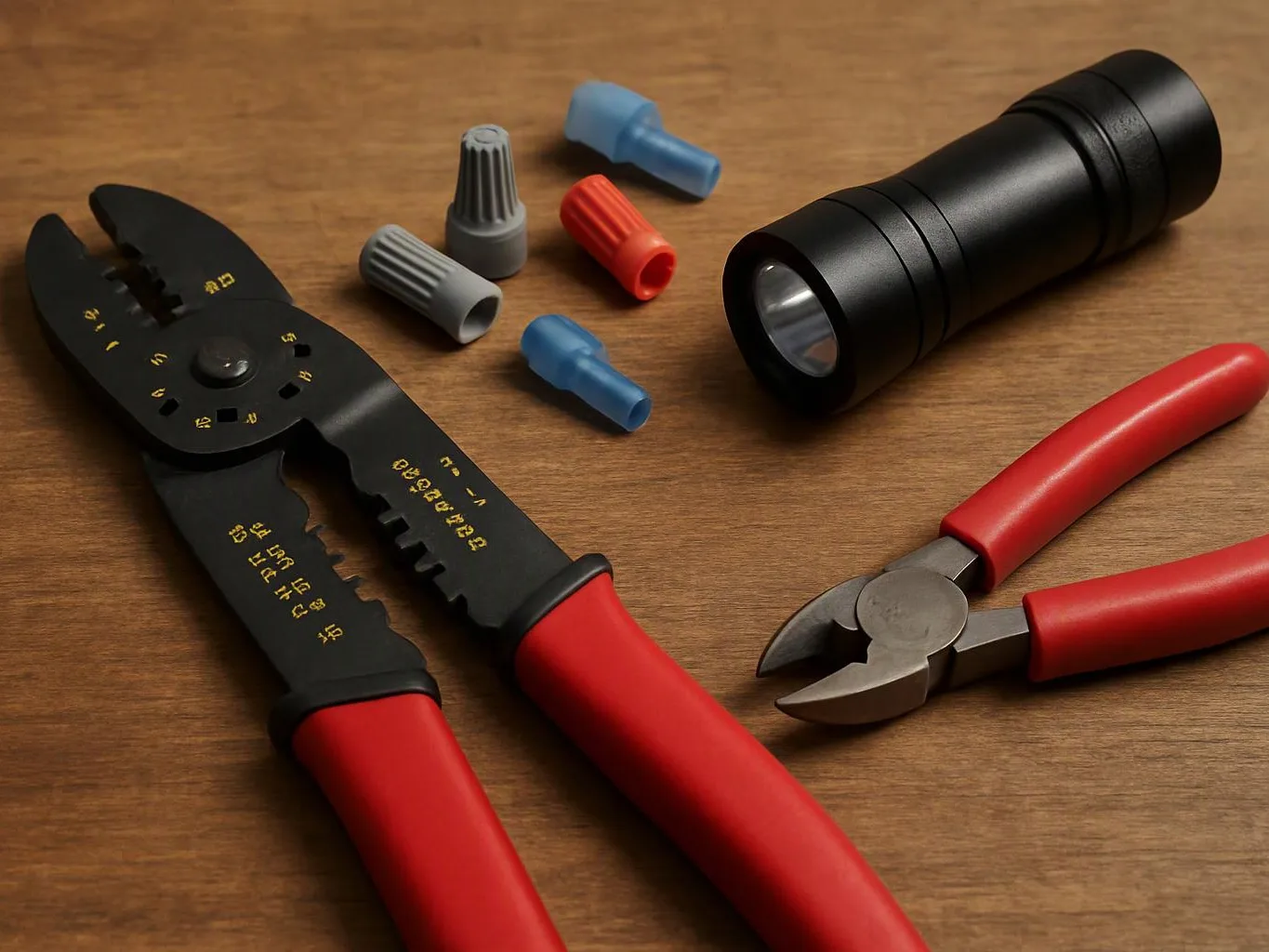
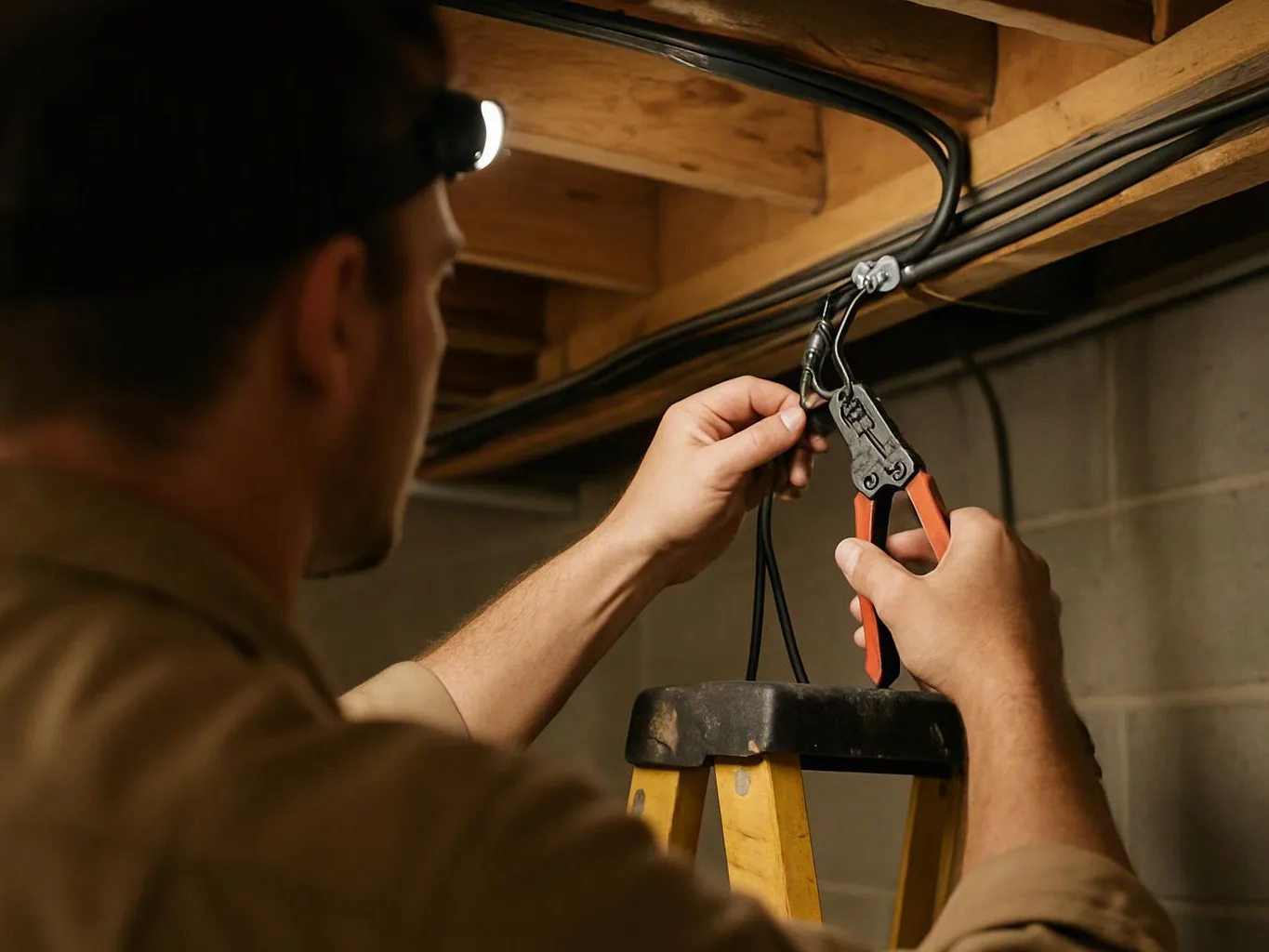
What types of wiring damage can be repaired?
Chris Miller Electric repairs frayed insulation, broken conductors, loose splices, chewed wires, and corroded terminals. We inspect the affected circuit before choosing a repair method. Accessible damage may allow a focused repair, while widespread deterioration can call for broader rewiring. The first step is to describe the symptom and identify the affected outlet, switch, light, or equipment.
How does a wiring repair visit move from the first call to the last step?
The visit moves from symptom review to inspection, circuit tracing, repair planning, and testing. We check the affected device and accessible wiring first. Then we locate the fault, explain the repair scope, correct the damaged section, and verify the circuit. Customers should share recent symptoms and avoid using equipment connected to a sparking or damaged outlet.
Which material changes how long damaged wiring repair takes?
The wiring material changes the repair time when it affects access, connection quality, or replacement needs. Copper conductors, aluminum wiring, and older cable types require different checks. We inspect the material and its terminations before setting the scope. Customers should not remove insulation or open a panel to identify the wire themselves.
How can a customer tell whether wiring repair fits the property?
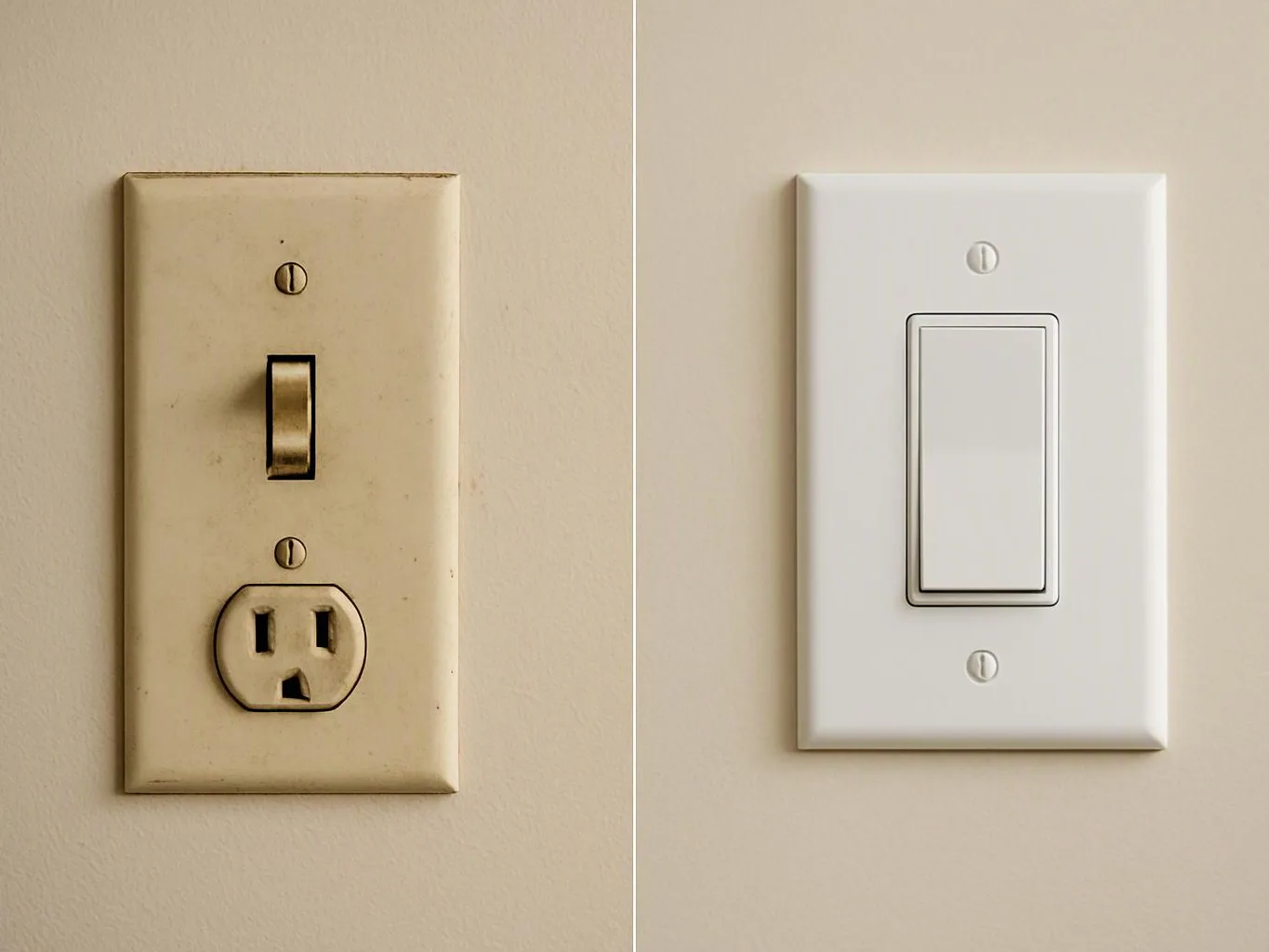
Electrical wiring repair fits a property when a specific wire, connection, outlet, switch, or circuit has damage. Signs include dead outlets, flickering lights, warm switch plates, or repeated breaker trips. We assess the affected circuit and explain when a panel upgrade or broader rewiring would better match the property’s needs.
What should I do before wiring damage is checked?
Customers should stop using the affected outlet, device, or circuit when wiring damage is visible or smells hot. Turn off the circuit only if you can do so safely, and keep people away from exposed conductors. Do not handle loose wires or open the panel. Tell us what happened and which devices lost power.
Why does a breaker keep tripping after a wiring repair?
A breaker can keep tripping when the circuit still has damaged wiring, a faulty device, or an overload. We test the circuit, inspect connections, and check the connected outlets and equipment. Repeated resets can increase risk, so leave the breaker off when it trips again and request an electrical assessment.