How is pool wiring protected around water?
Watertight boxes protect outdoor connections around pool equipment. We also check underground conduit, insulated conductors, ground bonding, and GFCI protection. These parts address different risks, so one cannot replace the others. We inspect the full circuit before repairing or installing wiring.
How does a pool wiring visit move from the first call to the last step?
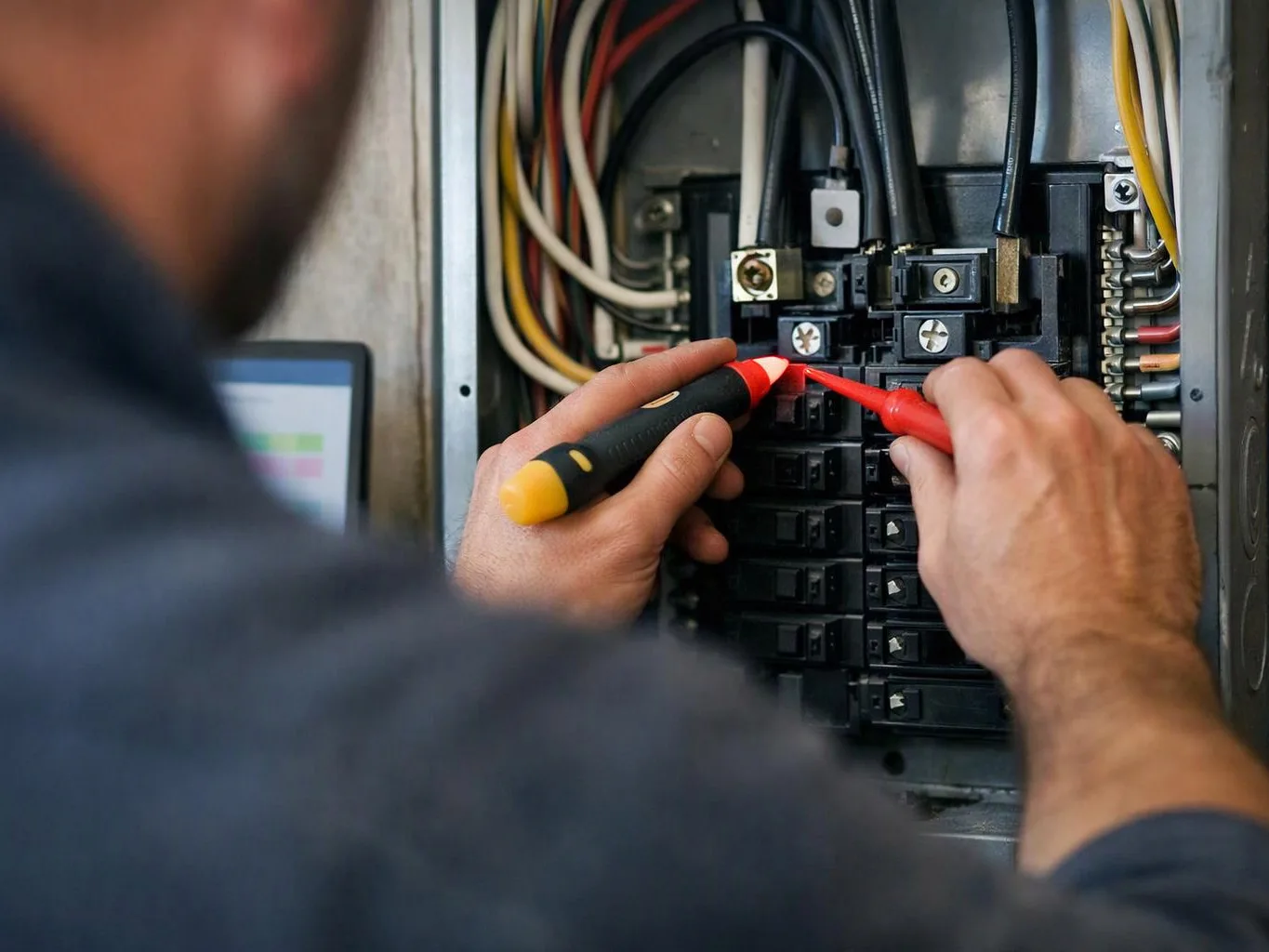
The visit moves from circuit inspection to wiring checks, scope approval, installation, and testing. We first review the equipment and breaker, then trace the wiring path and inspect the connections. After the work, we test the circuit and explain what we completed.
What does pool wiring include for a new pump or heater?
New equipment wiring includes a circuit review, connection point, wiring path, protection devices, and testing. The equipment load and panel capacity guide the work. We also check whether the existing conduit, conductors, bonding, and GFCI protection suit the new equipment.
Which part of the property decides the wiring scope?
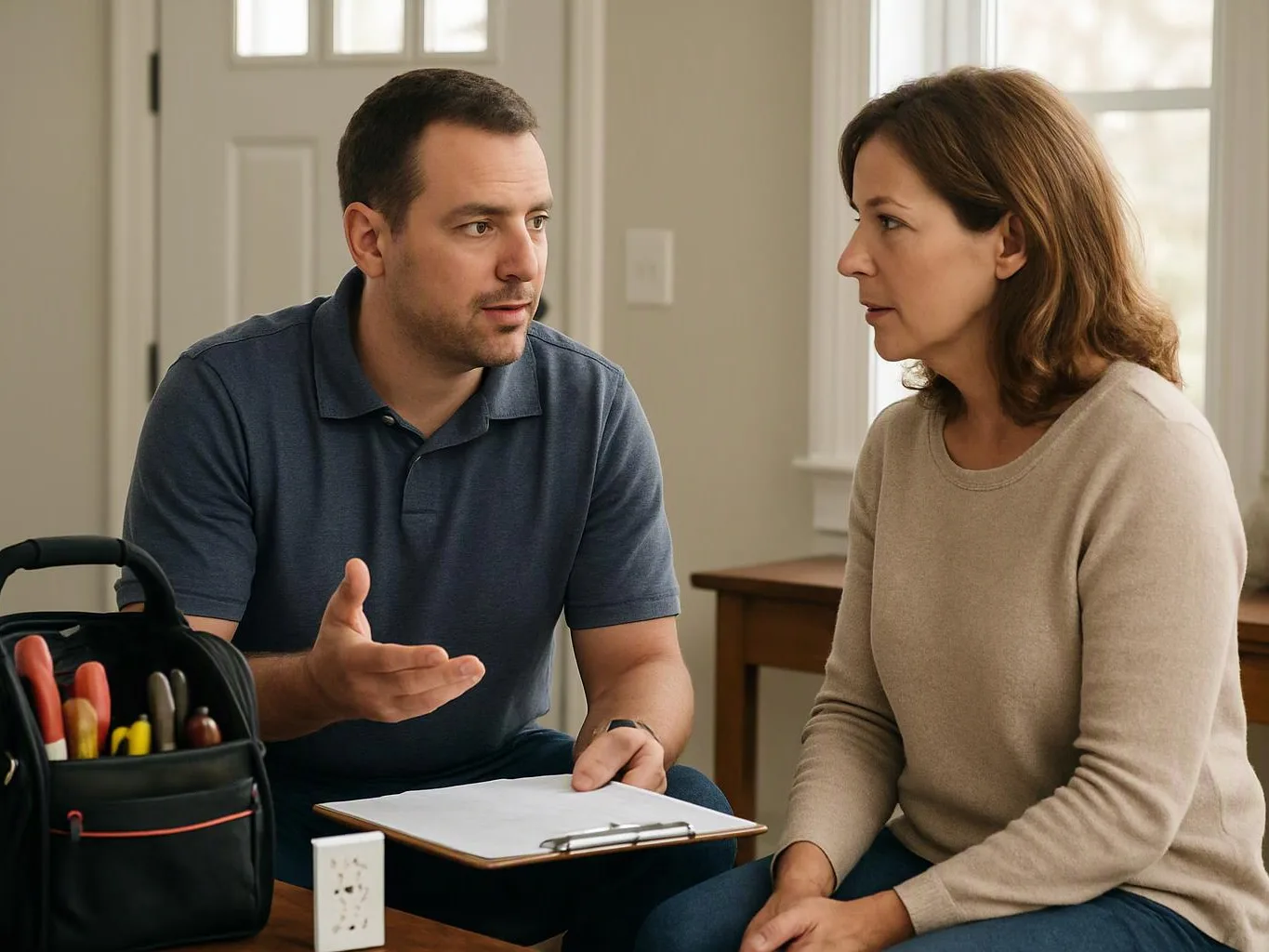
The panel location, equipment location, wiring route, and outdoor access decide the wiring scope. Underground runs may need conduit work, while a nearby panel may need a different connection plan. We inspect those points before giving the customer a quote.
When does a pool circuit need more than a breaker reset?
A pool circuit needs inspection when the GFCI trips again, wiring shows damage, or equipment loses power after a reset. Repeated trips can point to moisture, insulation damage, bonding problems, or faulty equipment. Keep the circuit off until the cause is identified.
How can a customer tell whether pool wiring fits the property?
Pool wiring fits when the requested work involves power, circuits, outdoor connections, or pool equipment wiring. We can assess the electrical side of the job. Plumbing, leaks, liners, and mechanical faults without an electrical cause need a different service.
Why do outdoor pool connections need special boxes?
Outdoor pool connections need special boxes because water and weather can reach ordinary electrical connection points. Watertight boxes help protect those connections when installed correctly. We also inspect the fittings, conductors, conduit, and circuit protection around the box.