
What is Backstab Wiring?
Backstab Wiring is a method of connecting a solid copper wire to a receptacle or switch by pushing the wire into a spring-loaded hole on the device instead of tightening it under a terminal screw. The connection is quick. But its long-term reliability depends on wire size, device condition, insertion depth, and circuit movement.
Quick Facts About Backstab Wiring
Category
Electrical connection method
Used for
Receptacles and light switches
Common confusion
Not the same as a side-wire screw connection
Main risk
Loose contact and heat buildup
Also called
Backwired receptacle, Push-in wiring
Often discussed with
Outlet Replacement, Electrical Code Corrections
Key Takeaways About Backstab Wiring
- Backstab wiring places a solid conductor into a spring clamp on a receptacle or switch.
- Loose spring contacts may cause heat, flickering lights, buzzing, or intermittent power.
- Backstab terminals commonly accept 14 AWG wire. But device labeling controls acceptable wire sizes.
- A screw terminal or properly rated connector may provide a more secure repair.
- Turn off power and verify the circuit is de-energized before inspecting any device.
Understanding Backstab Wiring
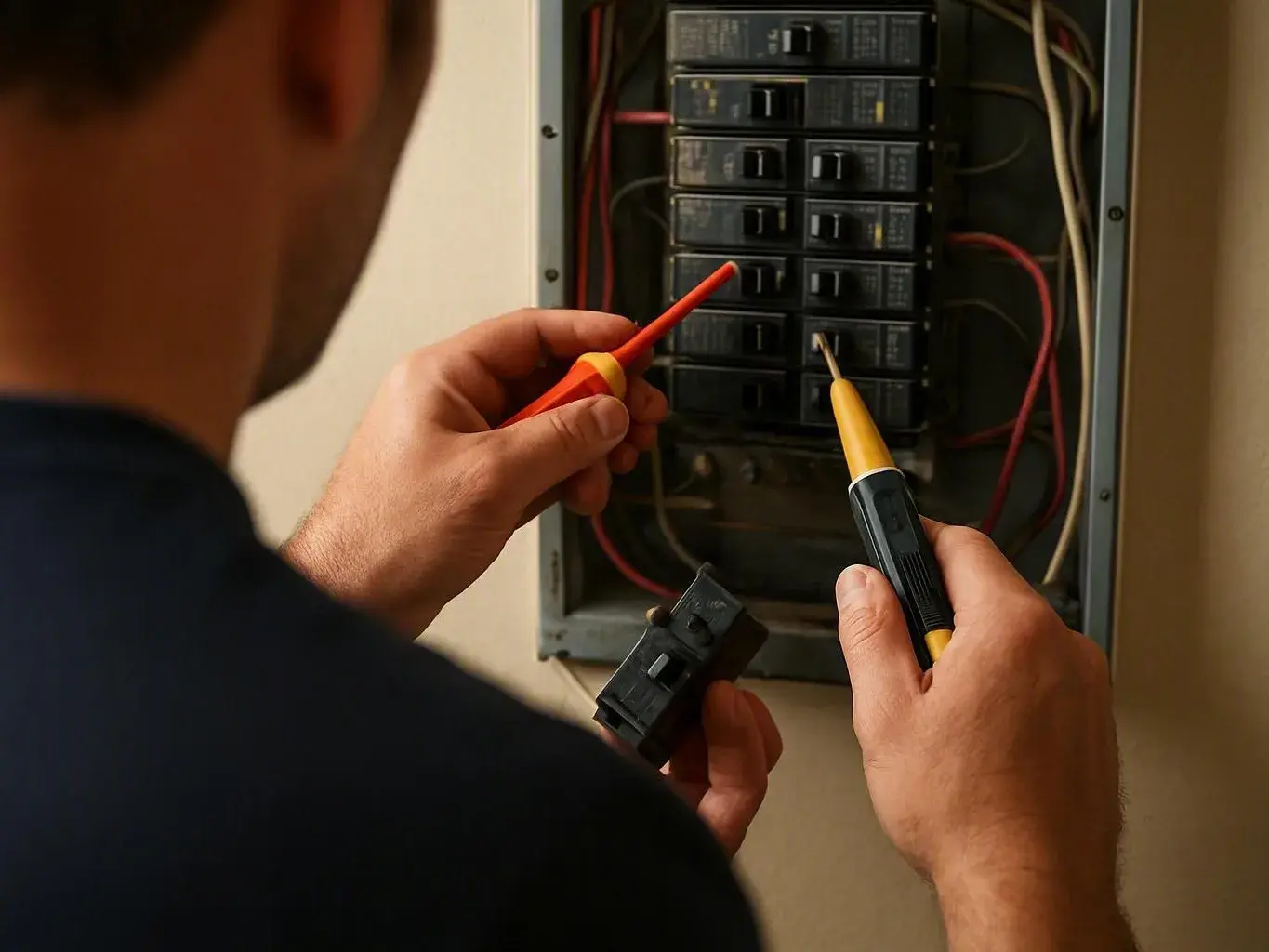
Backstab Wiring describes a connection method found on some electrical receptacles and light switches. The installer strips the conductor to the marked length. Then, the installer pushes it into a small back opening. A spring clip holds the wire against an inner contact. This method differs from wrapping wire around a terminal screw.
Related glossary terms: Receptacle, Hot Wire, Neutral Wire.
Backstab terminals appeared on many home devices because they speed installation. They usually accept solid copper wire within a set size range. This often means 14 AWG. The device marking controls the allowed wire type and size. A backstab connection isn't always defective. Age, shaking, device movement, and high load can weaken contact pressure. These factors can also reveal a weak connection.
How Backstab Wiring Works, Is Measured, or Is Used?
A backstab terminal uses spring tension to hold a conductor. It doesn't use screw pressure. The wire must be stripped to the marked length. It must also enter the correct opening fully. Insulation may enter the terminal by mistake. Too little copper may enter the terminal. The wire may also enter the wrong hole. These problems can shrink the contact area. A small contact area can raise resistance and create heat.
Electricians check the device rating, wire gauge, and visible wire condition. They also look for dark plastic, melted insulation, loose wires, and arcing signs. A voltage test can show that power is off before work starts. Normal voltage alone doesn't prove a spring connection stays safe under load. The device instructions guide the repair method. Applicable National Electrical Code rules also guide the repair.
Why Backstab Wiring Matters?
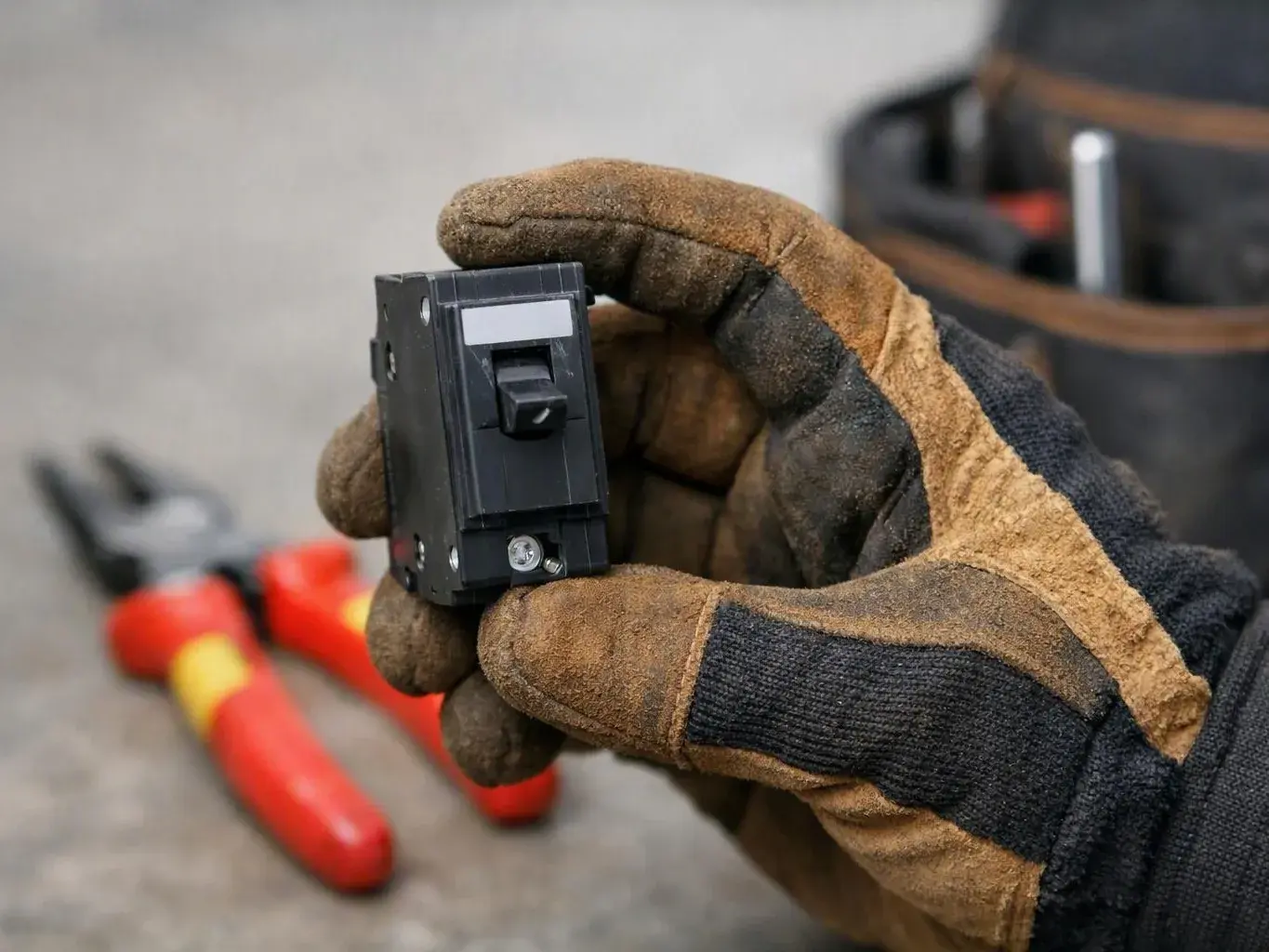
A weak backstab connection can cause power loss, flickering lights, or warm covers. It can also cause buzzing or a burning odor. Heat may build at the connection without tripping the circuit breaker. The breaker mainly responds to too much current. It doesn't catch every high-resistance connection. Arcing can harm the receptacle, box, and conductor before visible failure appears.
These signs can help find a problem. They don't show the exact cause. A loose screw terminal can create similar signs. Damaged wire, an overloaded circuit, or a failed receptacle can also cause them. A poor splice may create the same signs. Inspection should cover the whole device box and circuit. Don't focus only on the backstab hole.
When Backstab Wiring Matters Most?
Backstab wiring needs close attention during outlet replacement or switch replacement. It also matters during a remodel or troubleshooting visit. Check it when a device feels warm. Check it when power cuts out as a plug moves. Check it when lights flicker after a new load connects. Repeatedly plugging in a cord can move a receptacle. This movement can stress its conductors.
Repair choices depend on the device instructions and wire condition. They also depend on box space and circuit load. An electrician may move the wire to a listed screw terminal. The electrician may replace the device with one rated for the use. The electrician may repair damaged copper and insulation. The circuit breaker should be identified before handling the device. Power should also be verified off.
How to Evaluate Backstab Wiring?
- Read the device label to confirm the permitted wire gauge, conductor type, and terminal method.
- Check for heat discoloration, melted insulation, buzzing, flickering, or a burning odor.
- Confirm the conductor is stripped to the device marking and fully seated in the terminal.
- Inspect the receptacle or switch for movement, cracks, loose terminals, and damaged housing.
- Ask whether the circuit load, breaker rating, and device rating match the intended use.
Related Concepts Compared
Backstab Wiring vs. Side-wire Screw Connection
A side-wire connection wraps the conductor around a terminal screw and relies on screw pressure. Backstab wiring holds the conductor with an internal spring clip.
Backstab Wiring vs. Push-in Terminal
Push-in terminal is a broad term for a connection that accepts a wire through an opening. Backstab wiring is the common residential term for this method on receptacles and switches.
Backstab Wiring vs. Wire Nut Connection
A wire nut joins two or more conductors inside a junction box. Backstab wiring connects one conductor to a device terminal.
Backstab Wiring vs. Loose Electrical Connection
A loose electrical connection describes a condition, not a connection method. Backstab wiring may remain secure, or it may become loose through damage, improper insertion, or aging.
Expert Note
A backstab connection should not be condemned by appearance alone. The device label, conductor condition, spring tension, circuit load, and signs of heat determine the risk. Older receptacles often deserve replacement when their terminals feel weak or their plastic shows heat damage.
Common Mistakes or Myths About Backstab Wiring
- Assuming every backstab connection is unsafe without checking the device rating and connection condition.
- Using a backstab hole with a wire gauge that the device does not permit.
- Pushing insulated wire into the terminal instead of stripping it to the marked length.
- Pulling hard on the conductor when removing it, which can damage the terminal or wire.
- Replacing only the visible receptacle without checking for heat damage inside the electrical box.
Backstab Wiring in Practice: A Real-World Example
A bedroom receptacle works until a vacuum is plugged into a nearby outlet. The receptacle cover feels warm, and the lights briefly flicker when the cord moves. An inspection finds a loose conductor in a backstab terminal, so the damaged device is replaced and the conductor is checked for heat damage.
Sources & Further Reading on Backstab Wiring
Related Services
Related Terms
Receptacle
Receptacle is a wiring device that receives a plug and connects electrical equipment to a branch…
Hot Wire
Hot Wire is an energized conductor that carries electrical voltage from a power source to a…
Neutral Wire
Neutral Wire is a current-carrying conductor that normally returns electricity from a 120-volt load to the…
Wire Nut
Wire Nut is a twist-on connector that joins two or more electrical wires inside a junction…
Chris Miller Electric
Have Questions About Backstab Wiring?
Contact Chris Miller Electric for practical guidance on Backstab Wiring and related 24 hour electrician work in Fort Wayne.