
What is Junction Box?
Junction Box is an enclosed electrical container that protects and houses wire connections, cable splices, and branch-circuit conductors. The box keeps energized connections covered, provides a secure point for joining conductors, and helps prevent accidental contact, physical damage, and fire hazards. Junction boxes may be metal or nonmetallic and require an accessible cover.
Quick Facts About Junction Box
Category
Electrical wiring enclosure
Used for
Protecting wire splices and branch-circuit connections
Common confusion
A junction box is not the same as an electrical panel
Relevant standard
National Electrical Code, Article 314
Also called
Electrical junction box, Splice box
Often discussed with
Electrical Code Corrections, Outlet Replacement
Key Takeaways About Junction Box
- A junction box encloses wire splices and protects people from contact with energized conductors.
- The box must remain accessible and have a properly fitted cover.
- Box size must match conductor count, wire size, and installed devices.
- Junction boxes do not replace circuit protection from breakers or fuses.
- Loose connections inside a box can create heat, arcing, and fire risk.
Understanding Junction Box

Junction Box is an enclosure that holds and protects electrical connections. It may contain a splice between two cables or a branch connection. Conductors may continue to another device. The enclosure prevents people from touching energized parts. It shields connections from impact, dust, and other physical damage.
Related glossary terms: Wire Nut, Conduit, Electrical Ground.
A junction box can use metal or nonmetallic material. Metal boxes need proper bonding and grounding. This applies when the box forms part of the grounding path. Nonmetallic boxes still need approved cable fittings. They also need enough strength for the wiring method. Every box needs a cover that fits securely. It must leave no exposed opening around the conductors.
How Junction Box Works, Is Measured, or Is Used?
Electricians route branch-circuit conductors into the box. They use approved openings or fittings. They strip only the needed insulation. They join matching conductors with listed connectors. They arrange the wires so the cover closes without crushing them. A splice must stay inside the enclosure. It can't sit loose in a wall, ceiling, attic, or crawl space.
Box selection depends on box fill, conductor size, and conductor count. It also depends on grounding conductors and installed devices. Larger wire needs more space than smaller wire. A switch or receptacle inside the box adds volume needs. The National Electrical Code provides box-fill rules. Electricians use these rules to choose an enclosure with enough capacity.
- Inspect the box for an accessible location and an intact cover.
- Confirm that cable clamps or conduit fittings hold conductors securely.
- Check that wire connectors match the conductor type and size.
- Verify that the box isn't overcrowded or damaged.
Why Junction Box Matters?
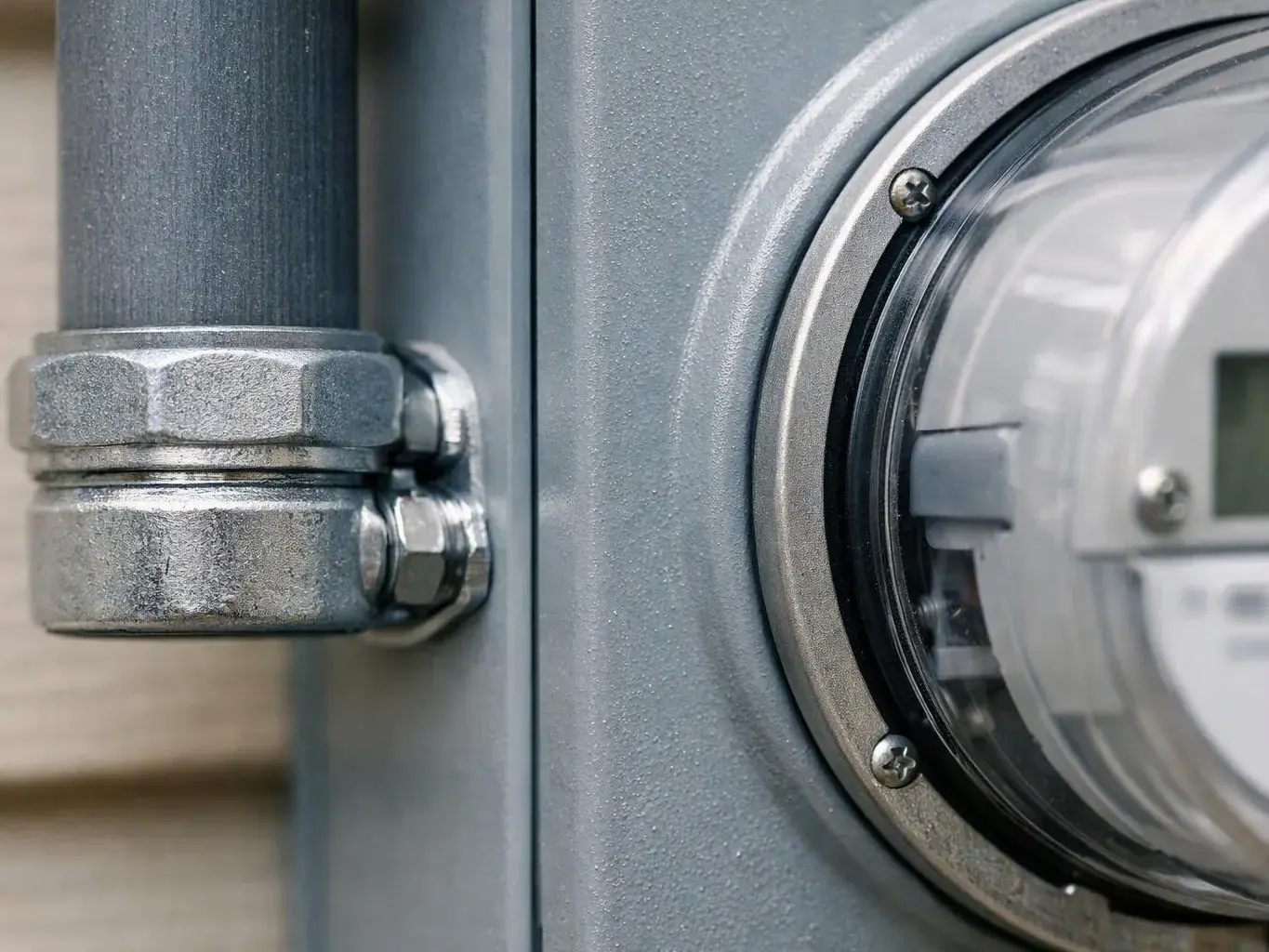
A properly installed junction box reduces the chance of a loose splice. It keeps the splice from contacting wood, insulation, or a person. A poor connection can create resistance, heat, and arcing. This can happen even when a circuit breaker doesn't trip. The enclosure gives an electrician a set location for testing and repair. It also supports future changes.
Accessibility affects safety and maintenance. A covered box behind a removable panel may stay serviceable. A box buried behind drywall is difficult to inspect. It may also violate adopted electrical requirements. Clear labeling helps identify the circuit. This helps before someone opens the cover for testing or repair.
When Junction Box Matters Most?
Junction boxes matter during remodeling, circuit extensions, and lighting changes. They also matter after rodent or water damage. They're especially useful when existing cable can't reach a new device. They're also useful when several cable routes meet in one location. The box must suit the wiring method and environmental conditions. It must also suit the available mounting surface.
Warning signs include a warm cover, a burning odor, or buzzing. Other signs include discoloration, loose fittings, or a cover that won't stay secured. These signs can point to an overheated connection or damaged insulation. They can also point to excess box fill. Turn off the circuit before inspection. Avoid opening a box when its circuit identity is uncertain. Also avoid opening it when its electrical condition is uncertain.
How to Evaluate Junction Box?
- Check whether the box has a secure, listed cover and remains accessible after walls or ceilings are finished.
- Count insulated conductors, grounding conductors, clamps, and devices to assess box-fill capacity.
- Inspect connectors for matching wire size, tight installation, and no exposed copper beyond the connection.
- Look for heat marks, melted insulation, corrosion, buzzing, or a burning smell.
- Confirm that metal boxes are bonded and that cable or conduit fittings hold conductors firmly.
Related Concepts Compared
Junction Box vs. Electrical Panel
An electrical panel distributes power through breakers or fuses and usually contains overcurrent protection. A junction box normally houses connections without controlling or protecting circuit current.
Junction Box vs. Pull Box
A pull box provides space for pulling and routing conductors through conduit. A junction box is intended to contain electrical connections, although some boxes can serve both functions when permitted.
Junction Box vs. Wire Nut
A wire nut is a connector that joins conductors. A junction box is the enclosure that protects the connector and the completed splice.
Expert Note
Box fill is often missed during quick repairs. Each conductor and device takes up calculated space, and crowded conductors can damage insulation or prevent a cover from seating. Replacing a small box with a larger listed box may be safer than forcing existing wires into place.
Common Mistakes or Myths About Junction Box
- Burying a junction box behind drywall, paneling, or permanent insulation.
- Using a box that is too small for the conductor count and wire size.
- Leaving a junction box without a cover or with a damaged cover.
- Treating a wire connector as a substitute for an enclosure.
- Ignoring heat, odor, discoloration, or buzzing near a box.
Junction Box in Practice: A Real-World Example
An electrician extends a kitchen lighting circuit to a new ceiling fixture. The electrician places the cable splice inside an accessible junction box, secures the cable with an approved connector, bonds the metal box if present, and installs a fitted cover. The new fixture connects from the box rather than from an exposed splice.
Sources & Further Reading on Junction Box
Related Services
Related Terms
Wire Nut
Wire Nut is a twist-on connector that joins two or more electrical wires inside a junction…
Conduit
Conduit is a tube or raceway that protects and routes insulated electrical conductors. It may be…
Electrical Ground
Electrical Ground is a conductive connection that provides a safe path for unwanted electrical current to…
National Electrical Code
National Electrical Code is a widely adopted safety standard for designing, installing, and inspecting electrical systems…
Chris Miller Electric
Have Questions About Junction Box?
Contact Chris Miller Electric for practical guidance on Junction Box and related 24 hour electrician work in Fort Wayne.