
What is Overloaded Circuit?
Overloaded Circuit is an electrical circuit carrying more current than its wires, devices, or protective equipment can safely handle. The condition usually occurs when connected loads demand more amperage than the circuit rating allows. Excess current can heat conductors, trip a circuit breaker, damage equipment, and increase fire risk if protection fails.
Quick Facts About Overloaded Circuit
Category
Electrical safety problem
Measured by
Circuit amperage and connected load
Main risk
Overheated wiring and fire
Common confusion
Often mistaken for a short circuit
Also called
Overloaded electrical circuit, Circuit overload
Often discussed with
Electrical Panel Upgrades, Electrical Code Corrections
Key Takeaways About Overloaded Circuit
- A circuit overloads when connected equipment draws more current than its rating permits.
- Frequent breaker trips may signal high demand, loose connections, damaged equipment, or another electrical fault.
- A larger breaker does not fix an overloaded circuit and may leave the wiring unprotected.
- High-wattage heaters, microwaves, air conditioners, and power tools often create heavy circuit loads.
Understanding Overloaded Circuit
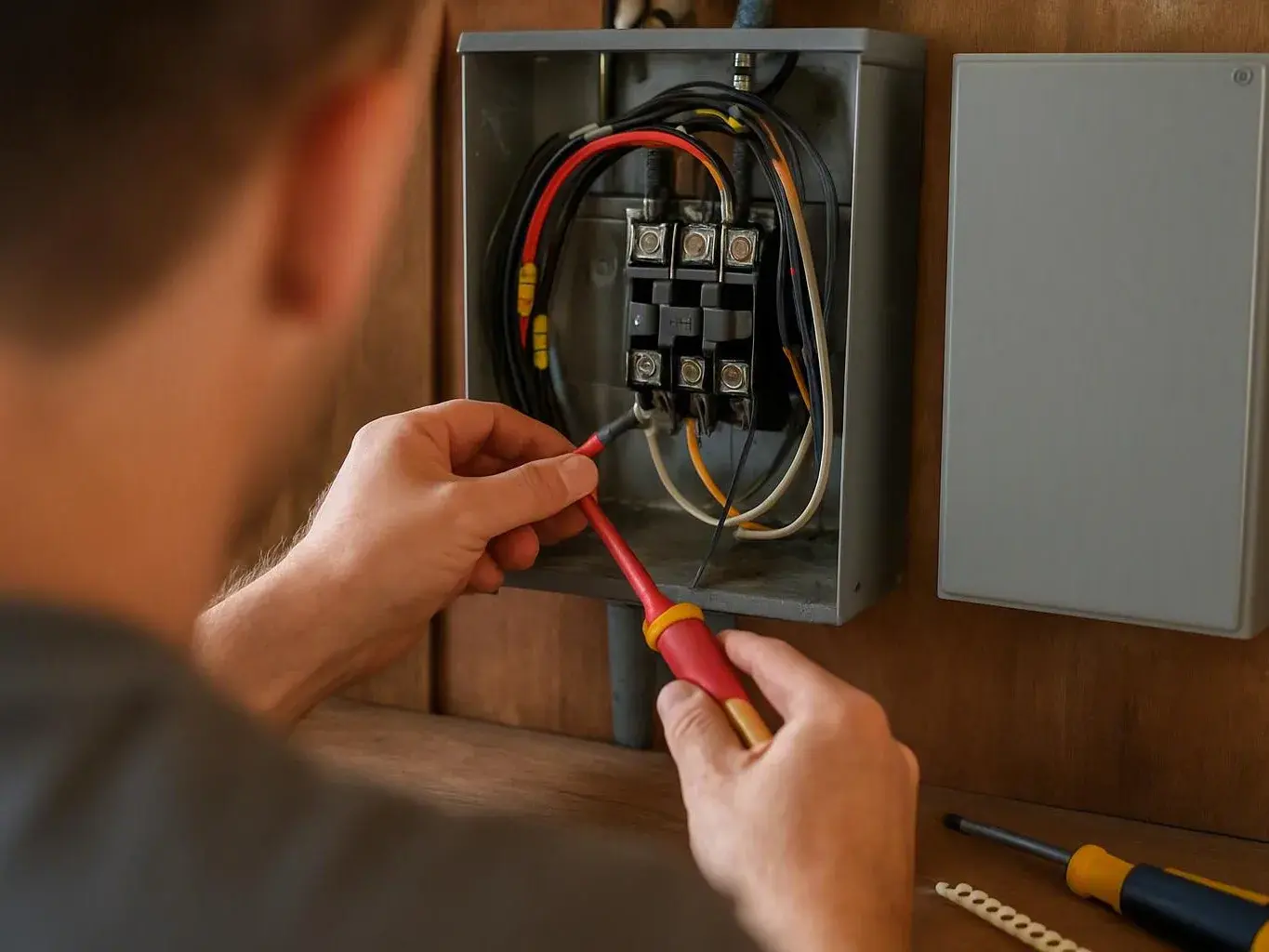
Overloaded Circuitdescribes a condition. The circuit carries more current than its design allows. Every circuit has limits.circuit breaker, wire size, outlets, and equipment set these limits. A 15-amp circuit shouldn't supply more current than its wiring can safely carry.
Related glossary terms: Ampacity, Amperage, Circuit Breaker.
The problem usually starts when several appliances run on one branch circuit. Portable heaters, kitchen appliances, compressors, and power tools can create high demand quickly. Current flowing through a wire creates heat. Too much current can heat wires, damage insulation, trip the breaker, or cause a fire.
How Overloaded Circuit Works, Is Measured, or Is Used?
Electricians check an overloaded circuit by comparing its load with its rated ampacity. Ampacity means the safe current a wire can carry. A simple estimate divides watts by volts to find amperage. For example, a 1,500-watt heater on a 120-volt circuit draws about 12.5 amps. Other devices can add to the load. Readings may change as motors start and appliances cycle.
A clamp meter measures current while equipment runs. A load inventory shows which devices share the circuit. The check also covers.wire gauge, breaker size, outlet condition, and box connections. A tripping breaker may respond correctly to overload. Repeated trips can also show a short circuit, ground fault, loose connection, or failing appliance.
Safe correction depends on the cause and the building's wiring. Solutions may include moving equipment to another circuit. They may include replacing a damaged device. Other options include installing a properly designed dedicated circuit or completing.load calculation. A larger breaker isn't valid unless the whole circuit supports the higher current.
Why Overloaded Circuit Matters?
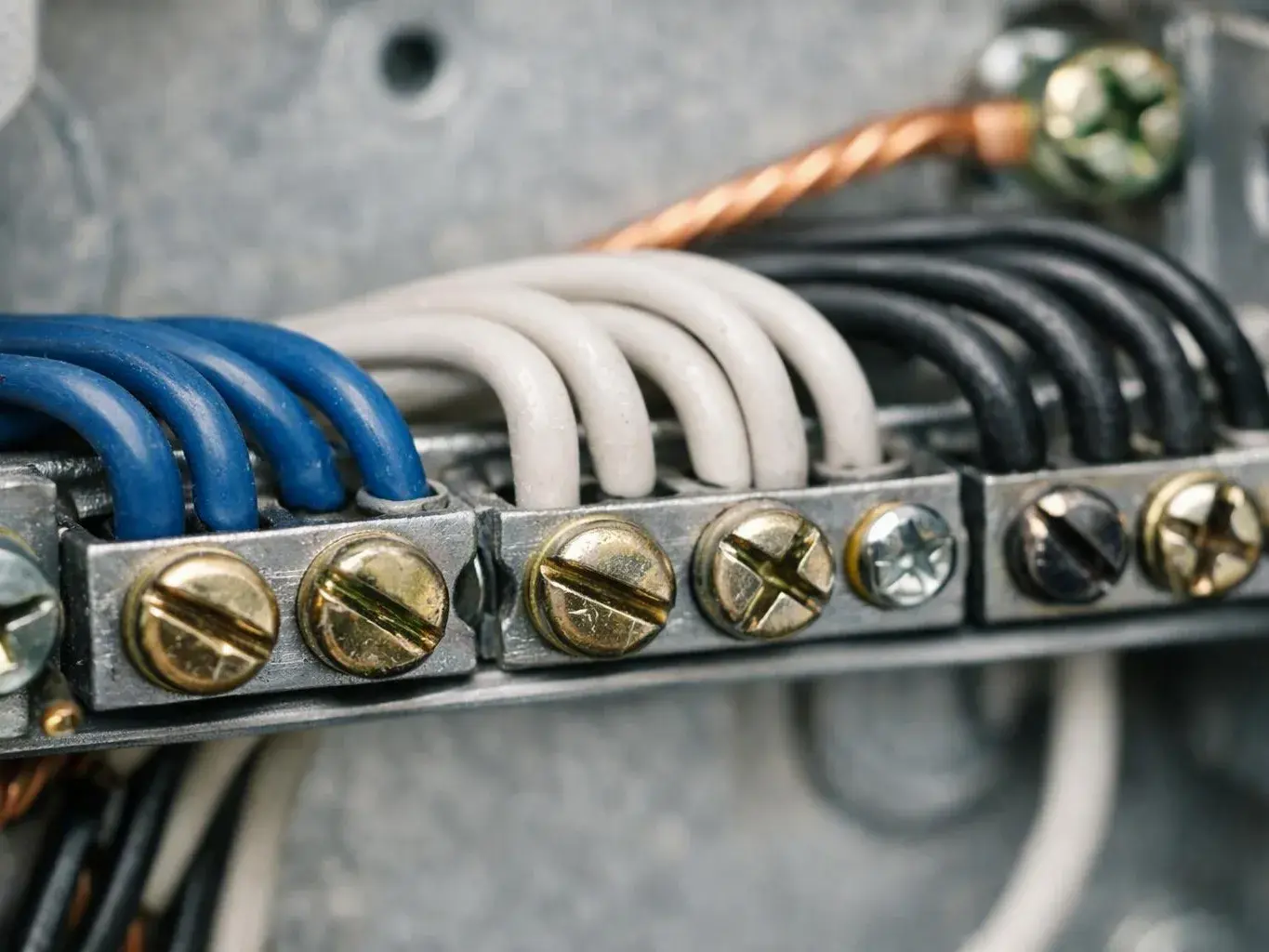
An overloaded circuit can create hidden heat inside walls, outlets, or electrical boxes. Discoloration, melted plastic, a burning smell, buzzing, warm outlets, and flickering lights are warning signs. These signs need prompt attention. Breaker trips may prevent serious damage. The protective device can't fix poor connections or a defective appliance.
Understanding the condition helps you choose the right repair. It helps you avoid resetting a breaker again and again. It also helps separate a capacity problem from a short circuit. It can separate these problems.ground-fault circuit interruptertrip. Correct diagnosis protects wiring and reduces equipment damage. It also supports compliance.National Electrical Code adopted by the local authority.
When Overloaded Circuit Matters Most?
The issue becomes more likely when a home adds high-demand equipment. This can happen without a wiring review. Common examples include a basement heater, window air conditioner, electric vehicle charger, workshop tools, or a second refrigerator. Older homes may have fewer branch circuits. Modern appliance use can place more demand on existing wiring.
Pay close attention when a breaker trips during cooking, laundry, heating, or tool use. Stop using equipment that produces smoke, heat, sparks, or a burning odor. Don't replace a breaker with one that has a higher rating. In Fort Wayne, an electrical permit or inspection may apply to some changes. Check local rules before new circuit work begins.
How to Evaluate Overloaded Circuit?
- Record the circuit breaker rating and identify every appliance, receptacle, and fixed load supplied by that circuit.
- Measure operating current with a properly rated clamp meter while high-demand equipment runs.
- Check for warm outlets, discoloration, buzzing, melted plastic, burning odors, and repeated breaker trips.
- Confirm that conductor size, breaker rating, receptacles, and connected equipment are compatible.
- Ask whether a dedicated circuit or load calculation is needed for newly added equipment.
Related Concepts Compared
Overloaded Circuit vs. Short Circuit
A short circuit creates an unintended low-resistance path and often causes a sudden, high current surge. An overloaded circuit develops from normal equipment drawing more current than the circuit can safely supply.
Overloaded Circuit vs. Circuit Breaker
A circuit breaker is a protective device that opens a circuit when current becomes unsafe. An overloaded circuit is the condition that may cause the breaker to trip.
Overloaded Circuit vs. Voltage Drop
Voltage drop is a reduction in voltage along wiring because of resistance and load. It can occur without exceeding the circuit's ampacity, although heavy loads can increase both conditions.
Overloaded Circuit vs. Ampacity
Ampacity is the maximum current a conductor can carry safely under stated conditions. An overloaded circuit exists when current demand exceeds the applicable circuit capacity.
Expert Note
A breaker trip does not prove that an overload is the only problem. A loose terminal can heat under normal load, while a motor may trip protection briefly during startup. Diagnosis should include current readings, connection inspection, conductor sizing, and the equipment's operating pattern.
Common Mistakes or Myths About Overloaded Circuit
- Replacing a tripping breaker with a larger breaker without verifying conductor size and circuit ratings.
- Repeatedly resetting a breaker while a receptacle feels warm or smells burned.
- Assuming every breaker trip means an overloaded circuit instead of checking for faults or damaged equipment.
- Plugging multiple high-wattage appliances into one power strip or receptacle.
- Treating a temporary overload as proof that permanent wiring changes are always required.
Overloaded Circuit in Practice: A Real-World Example
A 1,500-watt portable heater uses about 12.5 amps on a 120-volt circuit. A shared vacuum cleaner or microwave may make the 15-amp breaker trip. Moving the heater to a properly rated separate circuit may fix the immediate overload, but an expert should check the wiring and equipment if trips continue.
Sources & Further Reading on Overloaded Circuit
Related Terms
Ampacity
Ampacity is the maximum current, measured in amperes, that a conductor can carry continuously under specified…
Amperage
Amperage is the amount of electric current flowing through a circuit, measured in amperes, also called…
Circuit Breaker
Circuit Breaker is an automatic electrical safety device that opens a circuit when current exceeds a…
Load Calculation
Load Calculation is a method for estimating the electrical demand a building or circuIt'll place on…
Chris Miller Electric
Have Questions About Overloaded Circuit?
Contact Chris Miller Electric for practical guidance on Overloaded Circuit and related 24 hour electrician work in Fort Wayne.