
What is Circuit Breaker?
Circuit Breaker is an automatic electrical safety device that opens a circuit when current exceeds a safe level or a fault occurs. By stopping current flow, the device helps protect wiring from overheating and reduces fire risk. For more detail, see Circuit Breaker Replacement Warning Signs: When to Call an Electrician in Fort Wayne, IN.
Quick Facts About Circuit Breaker
Category
Electrical protection device
Used for
Overcurrent and fault protection
Measured by
Amperes and interrupting rating
Common confusion
A breaker is not the same as a ground-fault interrupter
Also called
Electrical breaker, Overcurrent protective device
Often discussed with
Circuit Breaker Replacement, Electrical Panel Upgrades
Key Takeaways About Circuit Breaker
- A breaker opens the circuit when current rises above its rated safe level.
- Repeated trips may signal an overload, short circuit, damaged device, or wiring problem.
- Breaker size must match the wire ampacity and the circuit design.
- A tripped breaker should not be repeatedly reset without finding the cause.
- Arc-fault and ground-fault breakers provide protection beyond ordinary overcurrent control.
Understanding Circuit Breaker
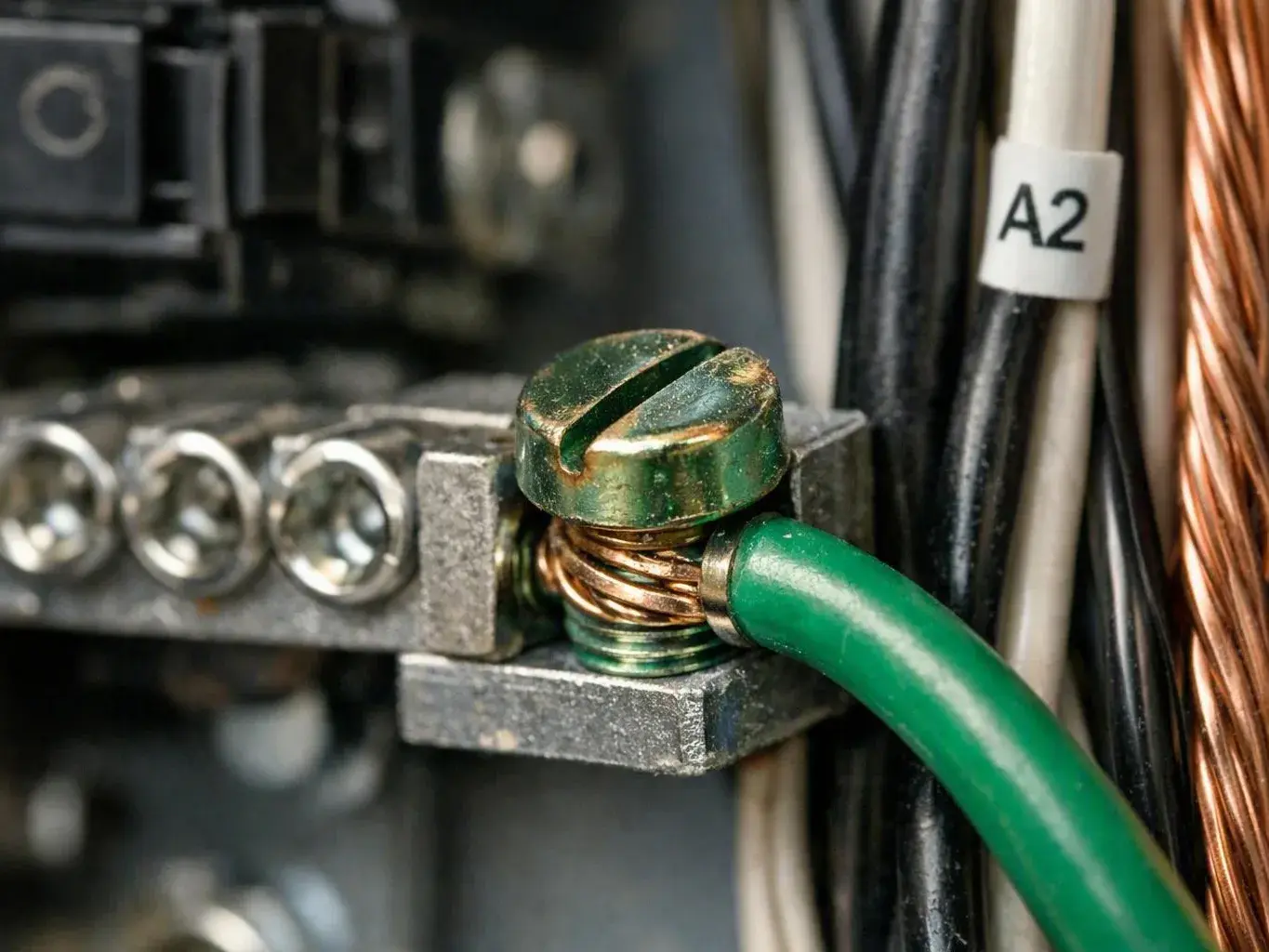
Circuit Breaker is a switching device that protects an electrical circuit. It stops too much current from flowing through the circuit. It sits in a panelboard and carries current during normal operation. If current becomes unsafe, an internal trip mechanism opens the circuit. This stops power from reaching downstream wiring and equipment.
Related glossary terms: Ampacity, Arc-Fault Circuit Interrupter, Ground-Fault Circuit Interrupter.
Most breakers respond to an overload or a short circuit. An overload happens when connected loads draw too much current. The circuit carries this extra current for too long. A short circuit creates a low-resistance path between energized conductors. This path can produce very high current almost instantly. The breaker rating, wire ampacity, and equipment needs must work together.
How Circuit Breaker Works, Is Measured, or Is Used?
A thermal-magnetic breaker uses two main trip methods. A thermal element responds to overload current, and a magnetic element reacts to fault current. The breaker opens its contacts and interrupts the flow through the circuit. After the cause is corrected, move a standard breaker fully off. Then move it back on.
Breakers are identified by voltage, amperage, number of poles, and interrupting rating. The amperage rating shows the continuous current the breaker can carry. This rating applies under its listed conditions. The interrupting rating shows the fault current the breaker can safely stop. Special devices add another function.arc-fault circuit interrupter detects dangerous arcing. A ground-fault circuit interrupter detects current leaving its intended path.
Why Circuit Breaker Matters?
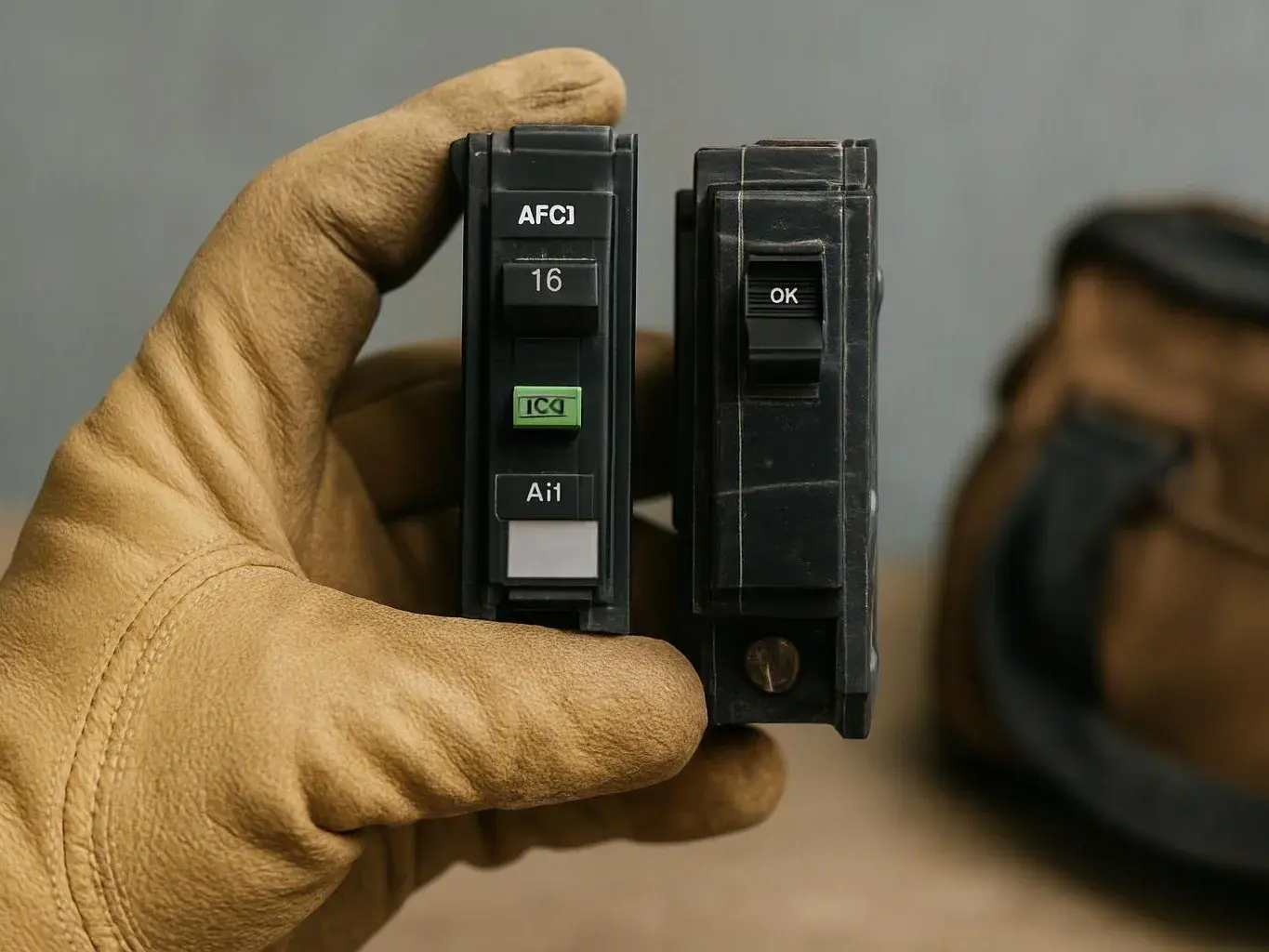
A properly selected breaker limits heat in the branch-circuit wiring. It acts before insulation or nearby materials become dangerously hot. It also gives you a way to disconnect power during maintenance or emergencies. A breaker doesn't make an overloaded circuit safe. This can happen when someone installs a breaker that's too large for the wire.
Frequent trips provide useful diagnostic information. One trip may follow a temporary surge or a large motor starting. Repeated trips, warm panel parts, burning smells, buzzing, visible damage, or sparks need prompt attention. A breaker that won't reset may be defective. The protected circuit may still have an active fault.
When Circuit Breaker Matters Most?
Breaker selection matters during remodeling, panel changes, added appliances, and electrical service work. An electrician checks the load calculation, wire size, breaker type, and panel compatibility. The electrician also checks available fault current. The replacement breaker must be listed for the panel. The manufacturer must approve it.
Safety also matters after water intrusion, lightning, electrical fires, or repeated unexplained trips. Don't hold a breaker in the on position. Don't replace it with a higher-rated model to stop nuisance tripping. Turn off affected equipment and keep the panel closed. Arrange qualified troubleshooting when the cause isn't clear.
How to Evaluate Circuit Breaker?
- Verify that the breaker amperage matches the circuit wire ampacity and design.
- Check the voltage, pole count, manufacturer listing, and panel compatibility.
- Compare the breaker interrupting rating with the available fault current.
- Look for repeated trips, heat, discoloration, buzzing, burning odors, or physical damage.
- Confirm whether the circuit requires arc-fault or ground-fault protection.
Related Concepts Compared
Circuit Breaker vs. Fuse
A fuse opens a circuit by melting a metal element when current becomes excessive. A circuit breaker opens mechanically and can normally be reset after the fault is cleared.
Circuit Breaker vs. Ground-Fault Circuit Interrupter
A ground-fault circuit interrupter watches for an imbalance between outgoing and returning current. A standard breaker mainly responds to overloads and short circuits.
Circuit Breaker vs. Arc-Fault Circuit Interrupter
An arc-fault circuit interrupter detects electrical arcing patterns that ordinary breakers may not detect. It still provides overcurrent protection as part of its listed function.
Circuit Breaker vs. Panelboard
A panelboard is the enclosure that houses breakers, busbars, and circuit connections. A circuit breaker is one protective component installed inside that enclosure.
Expert Note
A breaker trip is a symptom, not a diagnosis. The correct response depends on what caused the trip, how quickly it occurred, and whether heat, damage, or moisture is present. Replacing the breaker without testing the circuit can leave the original hazard in place.
Common Mistakes or Myths About Circuit Breaker
- Resetting a breaker repeatedly without identifying why it trips.
- Installing a larger breaker to stop trips on undersized wiring.
- Assuming every trip means the breaker itself has failed.
- Using a breaker that is not listed for the panel.
- Ignoring heat, buzzing, burning odors, or discoloration near the panel.
Circuit Breaker in Practice: A Real-World Example
A 15-amp bedroom circuit trips whenever a portable heater and vacuum run together. The combined load exceeds the circuit capacity, so the breaker opens. Moving one appliance to a separate circuit may solve the overload, but a trip with no connected load would require further testing.
Sources & Further Reading on Circuit Breaker
Related Terms
Ampacity
Ampacity is the maximum current, measured in amperes, that a conductor can carry continuously under specified…
Arc-Fault Circuit Interrupter
Arc-Fault Circuit Interrupter is a protective device that detects dangerous electrical arcing and disconnects power before…
Ground-Fault Circuit Interrupter
Ground-Fault Circuit Interrupter is a safety device that monitors electrical current flowing through a circuit and…
Interrupting Rating
Interrupting Rating is the highest fault current that a circuit breaker, fuse, or similar protective device…
Chris Miller Electric
Have Questions About Circuit Breaker?
Contact Chris Miller Electric for practical guidance on Circuit Breaker and related 24 hour electrician work in Fort Wayne.