
What is Surge Protector?
Surge Protector is a device that limits brief increases in electrical voltage, called surges, to help protect connected equipment. A surge protector usually diverts excess voltage through a metal oxide varistor or similar component. Unlike a basic power strip, a listed surge protector provides a specified protection rating and may include status indicators.
Quick Facts About Surge Protector
Category
Electrical protection device
Used for
Limiting brief voltage surges
Measured by
Joules, clamping voltage, and response time
Common confusion
A power strip is not always a surge protector
Also called
Surge suppressor, Transient voltage surge suppressor
Often discussed with
Whole-House Surge Protection, Electrical Code Corrections
Key Takeaways About Surge Protector
- A surge protector limits short voltage spikes, but it cannot fix low voltage or sustained overvoltage.
- Joule rating shows energy capacity, while clamping voltage shows the level that starts protection.
- A power strip is not a surge protector unless its label lists surge protection.
- Whole-house surge protection works at the electrical panel and can add to plug-in protection.
- Replace a protector after a major surge, visible damage, or a failed protection indicator.
Understanding Surge Protector
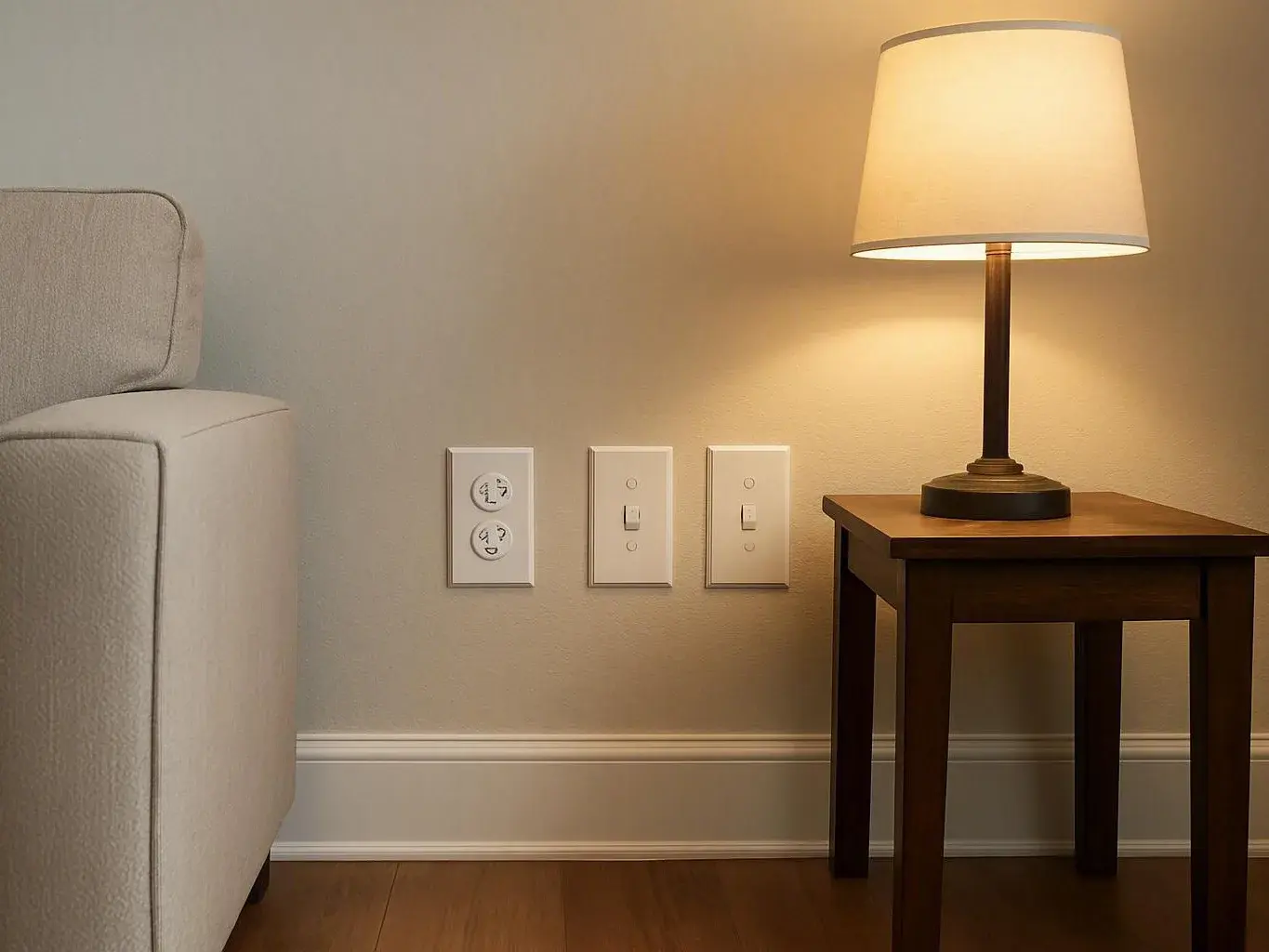
Surge Protector is a device that reduces voltage rise effects. It protects connected electrical equipment from brief voltage rises. A surge may enter through a power line, communication cable, or nearby lightning event. Common protected equipment includes computers, televisions, network equipment, appliances, and audio systems.
Related glossary terms: Electrical Ground, Grounding Electrode, Circuit Breaker.
Most plug-in protectors contain a metal oxide varistor, or MOV. It changes its electrical behavior during a surge. The device normally allows power to pass. It then diverts excess energy away from the connected load. Protection ends when the surge stops. Repeated events can wear down internal parts without obvious exterior damage.
How Surge Protector Works, Is Measured, or Is Used?
A surge protectorresponds when voltage rises above a set level. This level is called.clamping voltage. The protector directs excess energy toward the equipment grounding path. It may also use another designed discharge path. A lower clamping voltage can limit a surge sooner. The entire installation must support safe operation.
Product labels use several ratings to describe performance. The joule rating estimates how much surge energy the device can absorb. Its protective parts degrade after absorbing too much energy. Response time describes how quickly the device reacts. A listed safety certification shows that the product meets tested requirements. A higher joule rating alone doesn't prove better protection for every type of equipment.
Use a plug-in unit only with a properly grounded receptacle. The receptacle must match the product instructions. Connect sensitive equipment directly to the protector. Don't place one power strip into another. For broader coverage, an electrician can install whole-house surge protection at the panel. The device can protect branch circuits there. It can also reduce surges entering through the service.
Why Surge Protector Matters?
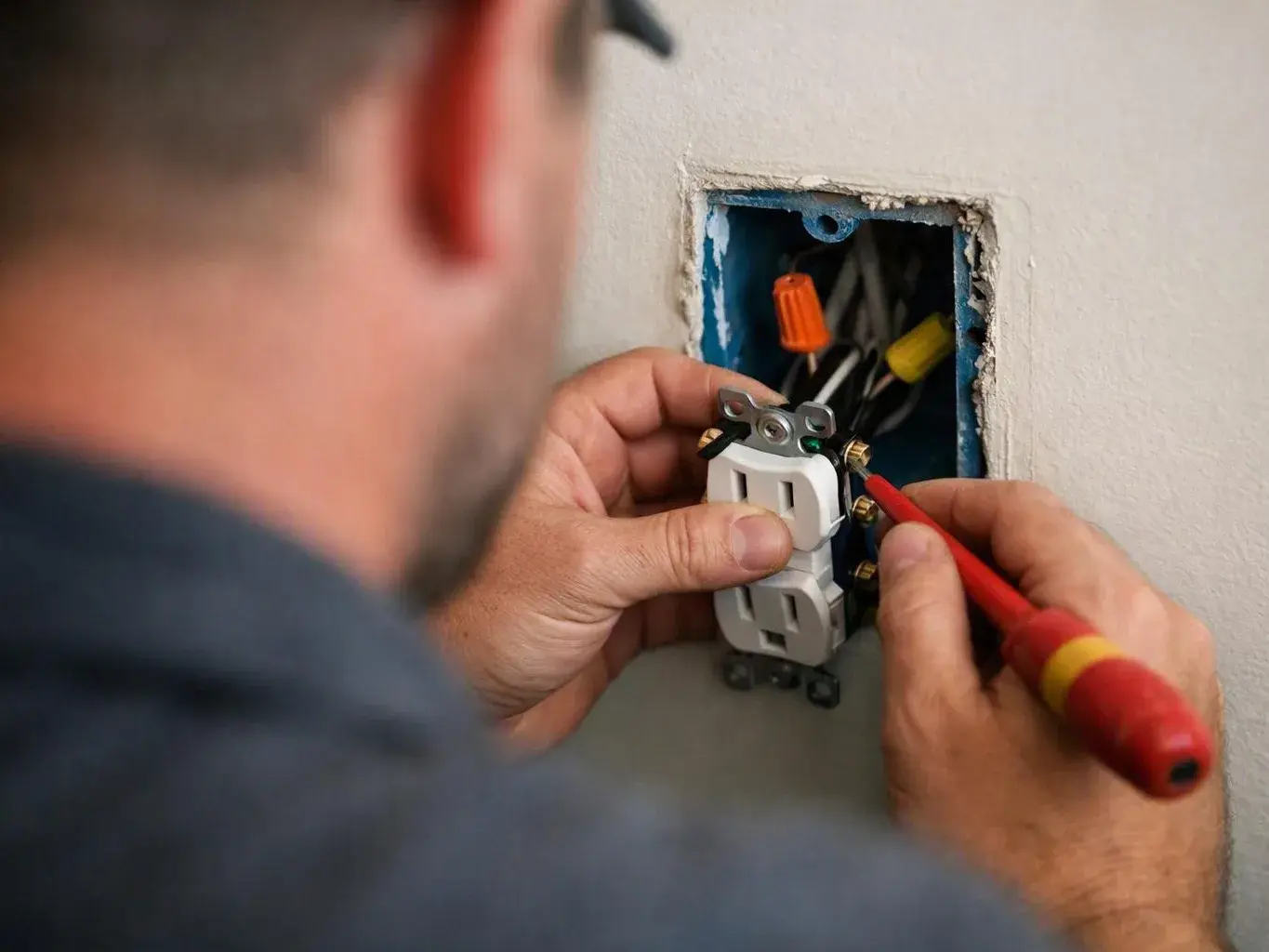
Surge Protector matters because modern equipment contains small electronic controls. These controls can fail after a short voltage event. Damage may appear right away. A weakened component may fail later. A protector can reduce this risk. It can't guarantee that equipment will survive a severe surge or lightning strike.
Protection also depends on the electrical system around the device. A working grounding systemaffects the result. Correct wiring also affects the result. Suitable overcurrent protection affects the result too. A properly installed panel device also matters. Surge protection shouldn't replace.circuit breaker. A circuit breaker protects wiring from excessive current. It also shouldn't replace a ground-fault circuit interrupter. This device helps protect people from shock.
When Surge Protector Matters Most?
Surge Protector becomes especially useful for costly equipment. It also helps with equipment that's hard to replace. Equipment connected to several cables may need protection. Home offices, entertainment systems, security equipment, heating controls, and network hardware can benefit. Protection can cover both power and signal entry points. A protector may also matter in areas with frequent storms. Utility switching or overhead service lines can also raise the need.
Inspect the device after a major storm or electrical fault. Check it after a nearby lightning event too. Replace it if.status light shows failed protection. Replace it if the casing is cracked. Replace it if the plug is hot. Replace it if the unit smells burned. Whole-house equipment must match the service voltage and panel arrangement. Installation should follow the product instructions. It should also follow applicable National Electrical Code requirements.
How to Evaluate Surge Protector?
- Check whether the label identifies the product as a surge protector rather than only a power strip.
- Compare joule rating, clamping voltage, response time, and the number of protected modes.
- Look for a recognized safety certification mark and clear manufacturer replacement instructions.
- Confirm that the receptacle has a working equipment grounding path before using plug-in protection.
- Inspect the status indicator, housing, plug, and cord for heat, damage, or failed protection.
Related Concepts Compared
Surge Protector vs. Power Strip
A power strip adds outlets and may include a switch. It does not provide surge protection unless the label lists a protective circuit and performance ratings.
Surge Protector vs. Whole-house Surge Protection
Whole-house protection installs at the electrical panel and covers multiple circuits. A plug-in surge protector protects equipment connected to that individual device.
Surge Protector vs. Circuit Breaker
A circuit breaker opens a circuit when current becomes unsafe for the wiring. A surge protector limits a short voltage spike, so the two devices serve different purposes.
Surge Protector vs. Voltage Regulator
A voltage regulator manages longer changes in supply voltage. A surge protector responds mainly to short, high-voltage events.
Expert Note
A protector can fail quietly after repeated surges. Treat the indicator light as useful but not conclusive, since some devices lack monitoring for every protective component. Panel protection also requires correct bonding, grounding, voltage selection, and installation at the service equipment.
Common Mistakes or Myths About Surge Protector
- Assuming every power strip provides surge protection.
- Plugging one surge protector into another power strip.
- Relying on a protector to stop lightning or repair faulty wiring.
- Ignoring a failed indicator light, burned odor, heat, or cracked housing.
- Using a plug-in protector with an ungrounded or incorrectly wired receptacle.
Surge Protector in Practice: A Real-World Example
A home office has a computer, monitor, router, and printer on a listed surge protector. A utility switch creates a brief voltage spike, and the protector diverts some excess energy. After a later storm, the indicator shows failed protection, so the unit is replaced before normal use continues.
Sources & Further Reading on Surge Protector
Related Terms
Electrical Ground
Electrical Ground is a conductive connection that provides a safe path for unwanted electrical current to…
Grounding Electrode
Grounding Electrode is a conductive object that connects an electrical system to the earth. Common examples…
Circuit Breaker
Circuit Breaker is an automatic electrical safety device that opens a circuit when current exceeds a…
Panelboard
Panelboard is an enclosed electrical distribution assembly that receives power and sends it through branch circuits…
Chris Miller Electric
Have Questions About Surge Protector?
Contact Chris Miller Electric for practical guidance on Surge Protector and related 24 hour electrician work in Fort Wayne.