How Seniors Can Choose a 24-Hour Electrician
A 24-hour electrician for seniors provides urgent electrical help at home. This help may include unsafe outlets, power surges, and code hazards. The electrician should explain the issue in plain language. They should also protect residents from shock and fire risks. Outlet replacement can fix loose, warm, cracked, or sparking receptacles. Whole-house surge protection can help protect appliances and medical equipment. Electrical code corrections can fix hazards found during an inspection or repair. Seniors and caregivers should ask about emergency hours and clear updates. They should also ask about safety steps and written repair notes.
Chris Miller Electric provides residential electrical service in Fort Wayne. We explain each issue and keep work areas safe. We help older adults and caregivers decide what needs quick help. We also explain what can wait.
Get a Free EstimateWhy Seniors May Need Electrical Help Around the Clock?
Older adults living independently may need a 24-hour electrician during an electrical emergency. A quick response can help with shock, fire, outage, and access risks. Common signs include damaged outlets, burning smells, and repeated breaker trips.
Exposed wires and lost power can also cause problems. These problems may affect key home equipment. Limited movement can make an electrical emergency worse. A dark hall or failed lift chair can cause a fall. A dead refrigerator can affect food safety. Leave the area if you see smoke or flames. Call emergency services during an active fire. Don't touch damaged wires.
Our team first checks for immediate danger. We then separate urgent work from work that can wait. We protect the area and explain the next safe step. Residents don't need to make rushed choices.
What Makes Emergency Electrical Service More Accessible for Seniors?
Senior-friendly emergency electrical service pairs a quick response with clear communication. The electrician should find immediate hazards and explain each repair choice. They should use plain words and work with an approved caregiver when needed. They should also leave the area safe and easy to use.
Good access helps keep electrical service safe. Tell the dispatcher about movement, hearing, sight, or memory needs. Also mention medical equipment that must stay powered. We can use written notes and larger print when available. We can also speak face to face and explain things slowly.
Ask what we do before you approve service. We find the urgent risk first. Then we explain the choices. We separate needed safety work from optional upgrades. This helps residents and caregivers choose without pressure.
Common Electrical Problems in Senior-Owned Homes
Aging electrical systems can develop loose outlets and damaged wires. They can also cause overloaded circuits and repeated breaker trips. Older homes may lack enough surge protection. Call an electrician for a warm, sparking, burnt, cracked, or loose outlet. Don't try a do-it-yourself repair.
Older homes may have weak grounding or worn connections. Their circuits may not suit modern appliances. The cause may involve an outlet, breaker, appliance, or hidden wire.
Outlet Replacement in Fort Wayne can help with loose, cracked, or damaged receptacles. The same safety steps apply in every home. We inspect the box and wires before installing a new outlet. A GFCI receptacle may help near water. Local rules and the existing circuit guide that choice.
A power surge can harm TVs, computers, HVAC controls, and medical equipment. Whole-home surge protector installation can be planned. A smoking outlet or exposed wire needs quick safety work. A simple outlet repair often takes one to two hours. Hidden wire damage can take longer.
Features and Challenges That Matter Most
Senior needs differ from home to home. The service plan should fit the resident and property. It should also protect equipment that must stay available.
Important service features include:
- Mobility limitation support: Keep cords and tools away from walkers and wheelchairs. Keep paths clear.
- Hearing impairment support: Face the resident and speak clearly. Provide written steps.
- Vision impairment support: Describe hazards and changed controls. Explain safe paths.
- Medical equipment planning: Identify devices that can't lose power. Discuss safe short-term options.
- Home access planning: Confirm entry details. Keep residents away from hazards.
Narrow paths, poor light, and hard-to-read labels can cause delays. A hard-to-reach panel can create another challenge. A caregiver may help with approval, pets, medicine times, or updates. The electrician shouldn't assume the resident understands the repair. Finished technical work doesn't always mean clear understanding.
Three Electrical Services That Can Improve Home Safety
Outlet replacement, whole-house surge protection, and electrical code corrections address three common home risks. These risks include unsafe outlets, voltage spikes, and unsafe wiring work. A qualified electrician should inspect the issue first. They should explain the best service and follow electrical safety rules.
These services don't solve the same problems. A new outlet won't fix a damaged circuit. Surge protection won't fix exposed wires. Testing helps show the right choice. The panel's condition and safety risks also matter.
How the Three Services Compare?
The right service depends on the home's electrical risk. Outlet replacement fixes a damaged receptacle. Whole-house surge protection helps limit voltage spikes. Electrical code corrections address unsafe installation work.
| Service | Main purpose | When it may matter | What to confirm |
|---|---|---|---|
| Outlet replacement | Fix an unsafe or unreliable receptacle | Loose plugs, warmth, sparks, cracks, or dark marks | Wiring, box condition, grounding, and device type |
| Whole-house surge protection | Help limit harmful voltage spikes | Sensitive appliances or medical equipment are in use | Panel fit, grounding, and equipment coverage |
| Electrical code corrections | Improve code compliance and reduce hazards | An inspection finds unsafe installation work | Which items are urgent and whether permits apply |
Heat, smoke, sparks, exposed wires, or lost power can signal an emergency. Lost power to key equipment also needs quick attention. A surge protector may be planned after an inspection. Clear notes help residents and caregivers understand the difference. They also help prevent work that isn't needed.
How Seniors and Caregivers Can Prepare for a 24-Hour Electrician?
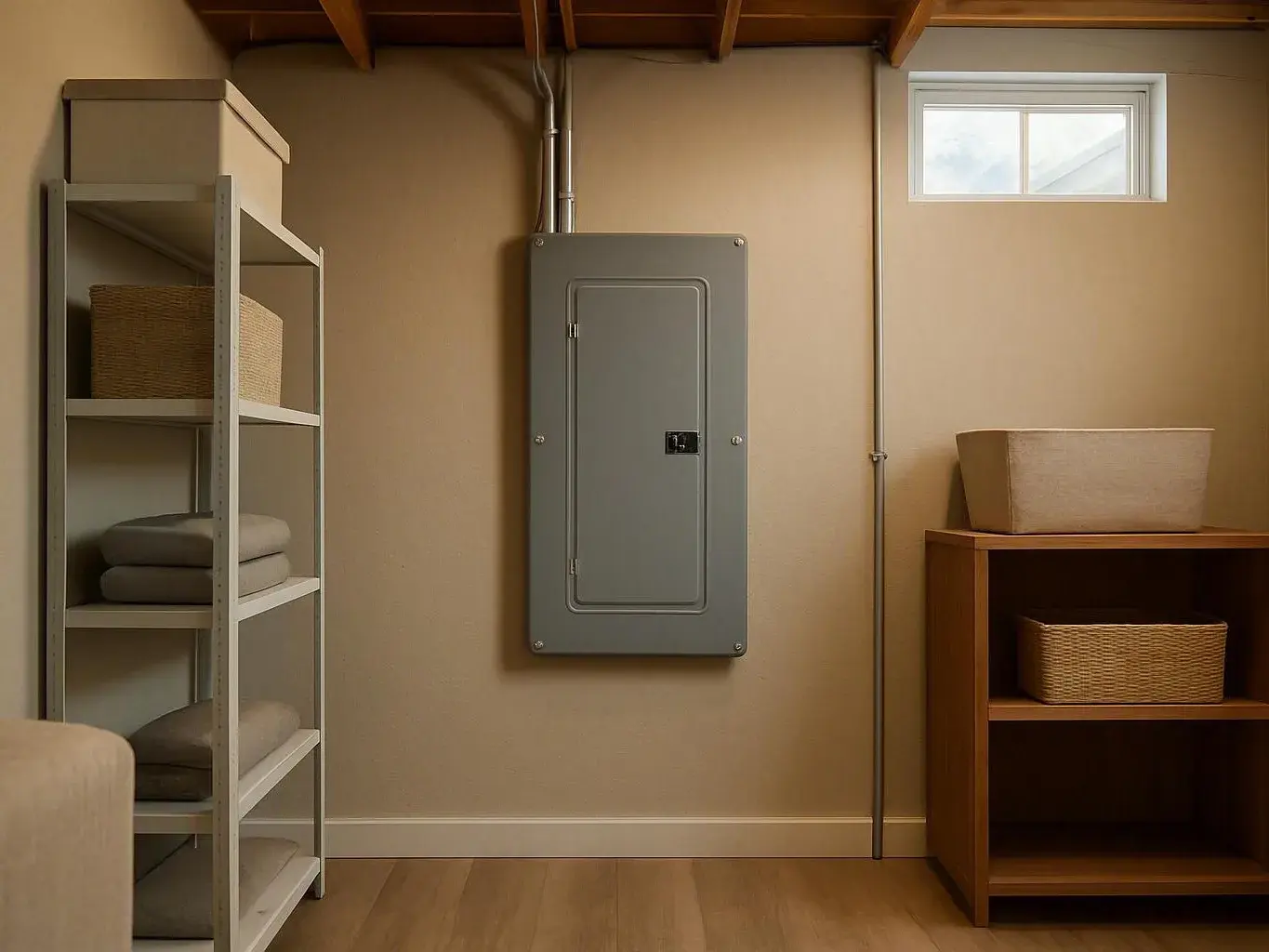
Seniors and caregivers can prepare by finding the electrical panel and noting the symptoms. Keep paths clear and list equipment affected by the issue. During the visit, ask for a plain-language answer. Ask which repairs are urgent. Get clear steps for safe use after service.
Before calling, note when the issue began. Write down the rooms and outlets affected. Note any tripped breaker, heat, noise, smell, or visible damage. Don't remove covers or reset a breaker again and again. Keep children, pets, and mobility gear away from the hazard.
Prepare caregiver approval details and an emergency contact. Make sure the panel is easy to reach. Tell the technician about oxygen gear, monitors, lifts, and refrigerators. Mention any other medical equipment that needs power.
Ask for a service estimate and written repair notes. The notes should separate emergency work from planned upgrades. Our crews explain the finished work and any limits that remain. We also provide a simple safety list for outlets, breakers, and follow-up care.
Questions About 24 Hour Electrician
What Does a 24-Hour Electrician Do for Seniors?
A 24-hour electrician handles urgent home electrical problems at any time. These problems include unsafe outlets, repeated breaker trips, burning smells, exposed wires, and lost power. We explain the cause and protect the work area. We can also work with an approved caregiver. We recommend only needed repairs.
When Should an Older Adult Call an Emergency Electrician?
Call an emergency electrician for smoke, burning smells, sparks, or hot outlets. Call for exposed wires, repeated breaker trips, or lost power. Power loss needs quick help when it affects medical equipment or safe movement. Leave during an active fire and call emergency services. Don't touch damaged electrical parts.
How Much Does a 24-Hour Electrician Cost?
Costs vary based on time, travel, testing, parts, access, and repair size. A simple outlet issue may need less work than hidden wire damage. A panel correction may also take more time. Ask for a clear estimate and written details before approving non-emergency work.
Can an Electrician Replace Unsafe Outlets in an Older Home?
Yes. An electrician can check the receptacle, box, wires, grounding, and circuit. They can then complete the outlet replacement. The right device may be standard or GFCI. The location and home wiring guide that choice.
Is Whole-House Surge Protection Useful for Medical Equipment?
Whole-house surge protection can reduce the effect of some voltage spikes. It may help protect appliances and medical equipment. It doesn't prevent all damage. It also doesn't replace safe wires, proper grounding, or equipment protection. Ask the electrician to review the panel and equipment.
Contact our team for urgent concerns or safer electrical planning. We'll explain the next steps and help arrange accessible service.
Contact our electrical service teamRelated Resources
Electrical Panel Warning Signs in Fort Wayne, IN
signs you need an electrical panel upgrade
When You Need ItCircuit Breaker Replacement Warning Signs: When to Call an Electrician in Fort Wayne, IN
signs you need a circuit breaker replacement fort wayne
When You Need ItOutlet Replacement Warning Signs: When an Outlet Is Unsafe in Fort Wayne, IN
when should you replace an electrical outlet fort wayne
When You Need ItElectrical Burning Smell? When to Call a 24-Hour Electrician in Fort Wayne, IN
when to call an emergency electrician for a burning smell