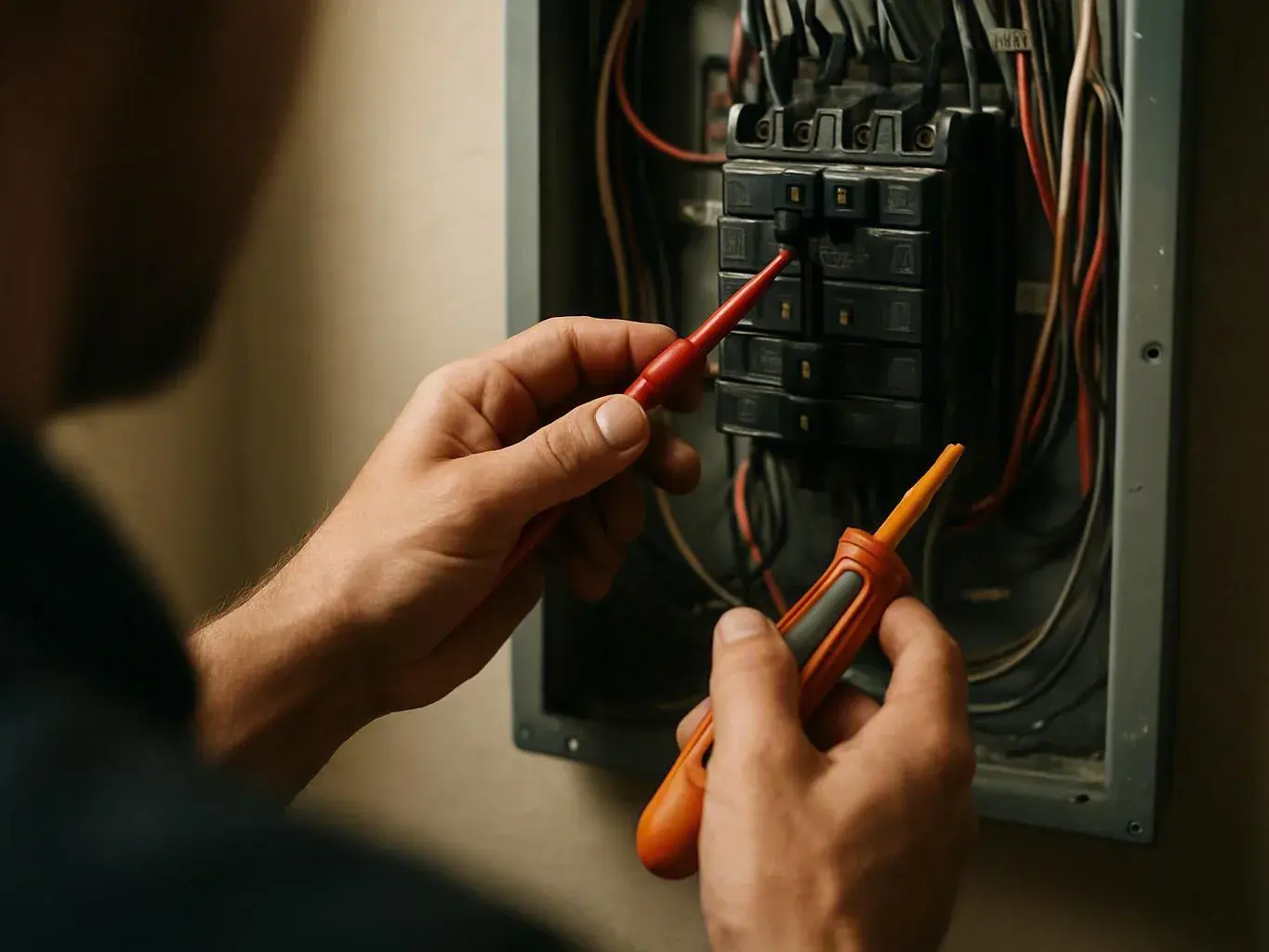
What to Do After an Electrical Shock From an Outlet
An electrician for electrical shock from an outlet should check the circuit before anyone uses it again. First, leave the power source without touching the person directly. Turn off the breaker if it’s safe. Call emergency services for serious symptoms. They can replace the outlet and fix code issues when needed. Don’t reset the breaker again and again. Don’t try DIY repairs after a shock. Hidden damage may still cause danger.
Get a Free Estimate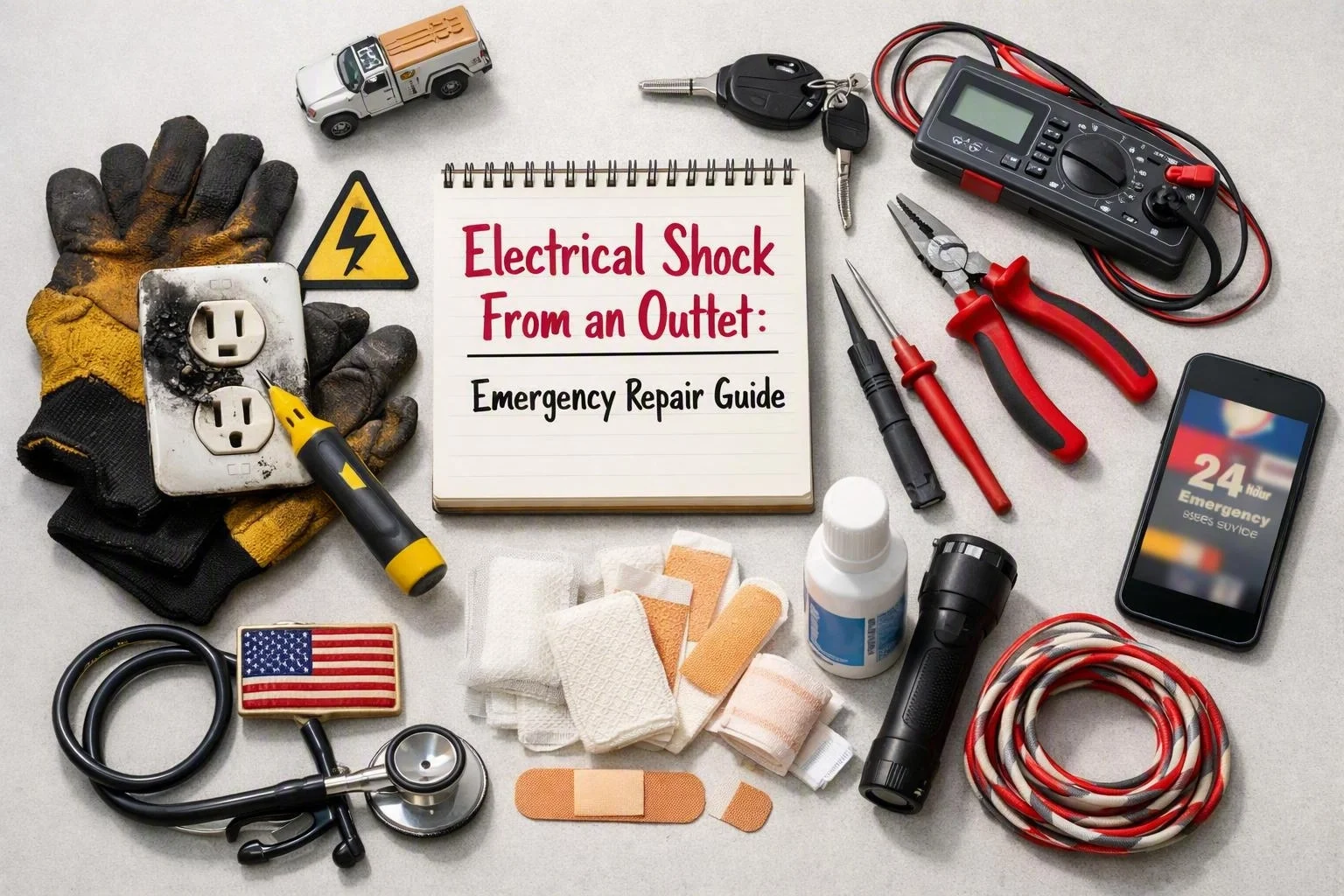
What to Do Immediately After an Outlet Shock?
Electrical shockrequires quick action. Never touch someone who may still touch live electricity. Turn off.circuit breaker only when it’s safe. Call emergency services for serious symptoms. Keep the outlet unused until an electrician checks it.
Even a small tingle is a warning. It doesn’t prove the danger has passed. Keep children away from the room. Older adults may need help leaving safely. Don’t touch electrical equipment to move them. Renters should tell the property manager. They shouldn’t remove the cover or reset breakers repeatedly. A 24 Hour Electrician may help when sparking or smoke continues. Call one when power can’t be isolated safely.
Signs and Symptoms That Need Medical Attention
Electrical shock symptoms can include burns, chest pain, and breathing trouble. They can also include confusion, muscle tightening, numbness, and fainting. Call emergency services for severe symptoms or high-voltage contact. Call for a child involved in the event. Get help for lasting pain, weakness, uneven heartbeat, or visible tissue damage.
Electrical contact can harm the heart, muscles, nerves, and inner tissue. A small skin mark doesn’t show the full injury. Children, pregnant people, and older adults need prompt medical advice. People with heart problems need care too. Medical care doesn’t replace an electrical check. Both the person and home need attention.
Why an Outlet Can Shock Someone Even When It Looks Normal?
An outlet can shock someone without visible damage. Causes include a grounding fault, wrong wiring, damaged insulation, or a loose connection. An inner part may also fail. Don’t judge safety by appearance. Turn off the circuit and have an electrician test it.
An outlet may look clean while its terminals stay loose behind the wall. Heat can damage insulation without marks on the outlet. A missing ground leaves fault current without a safe path. This risk grows when someone touches a metal appliance and outlet.
Reverse polarity means the hot and neutral wires use the wrong terminals. This error can make switches and outlet parts more dangerous. Electrical arcing may happen behind the cover. It can cause heat, noise, or a burning smell.
Water makes these risks worse. Wet-area outlets need proper protection and installation. This includes kitchens, bathrooms, basements, laundry rooms, garages, and outdoor areas. A GFCI outlet shock is still dangerous, so is a shock from a grounded outlet. The breaker may not trip.
Common Causes of Electrical Shock from an Outlet
Common causes include a bad outlet, poor grounding, water, and old wiring. An overloaded or changed circuit can also cause shocks. An electrician should find the failure with testing. Replacing the cover or resetting the breaker isn’t enough.
- Faulty receptacle: Cracks, loose contacts, heat, or inner damage can expose live parts.
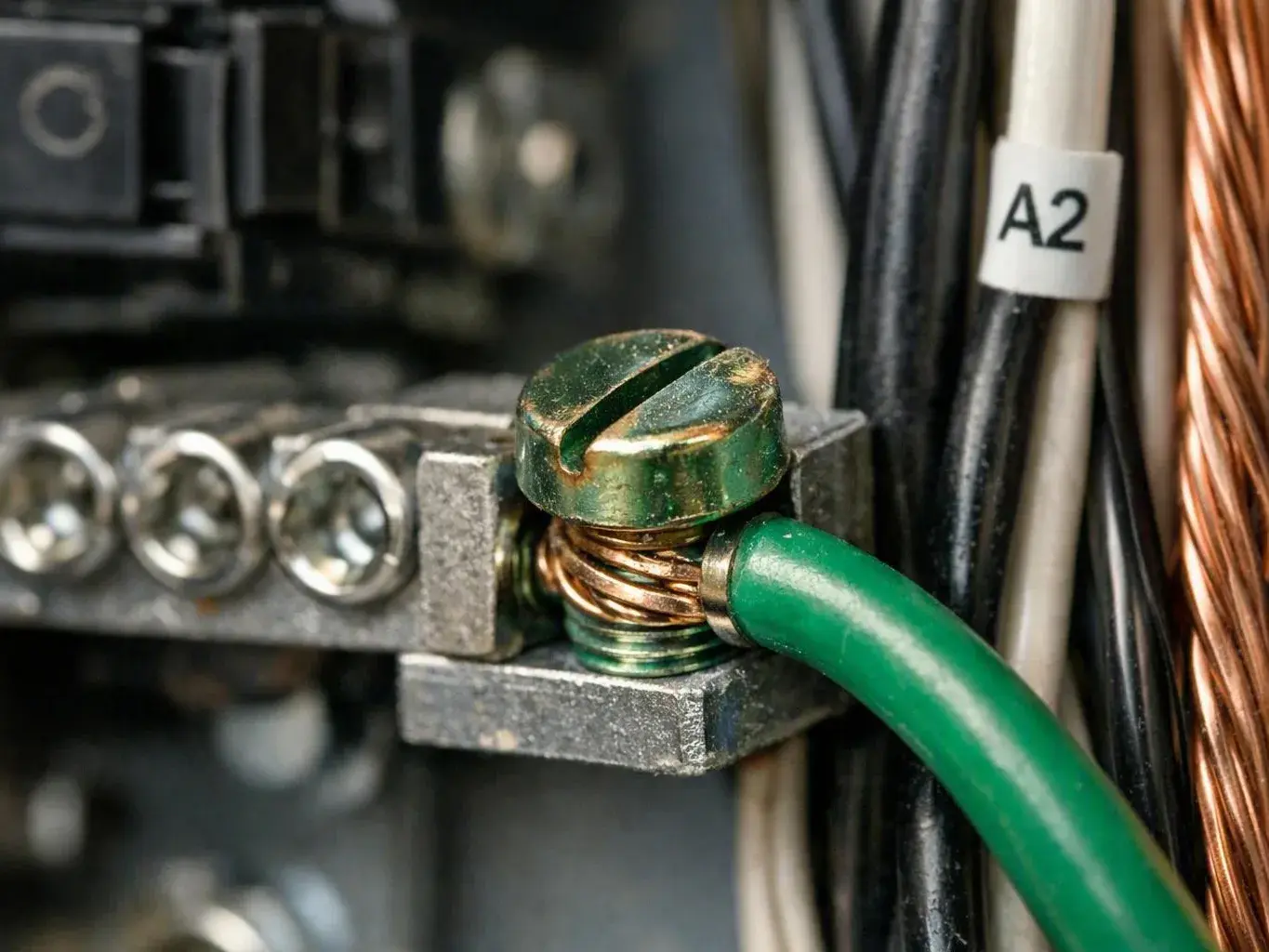
- Missing ground: A loose ground wire may not carry fault current safely.
- Water exposure: Moisture in wet areas can raise shock risk.
- Overloaded circuit: Too many loads can create heat and damage insulation.
- Old wires, loose connections, or a poorly installed replacement device
The cause may be away from the affected outlet. Our team checks nearby outlets, junction points, and the panel. We don’t assume the cover caused the full problem. Reverse polarity or damaged wiring may affect one connection.
How an Electrician Diagnoses a Shocked Outlet?
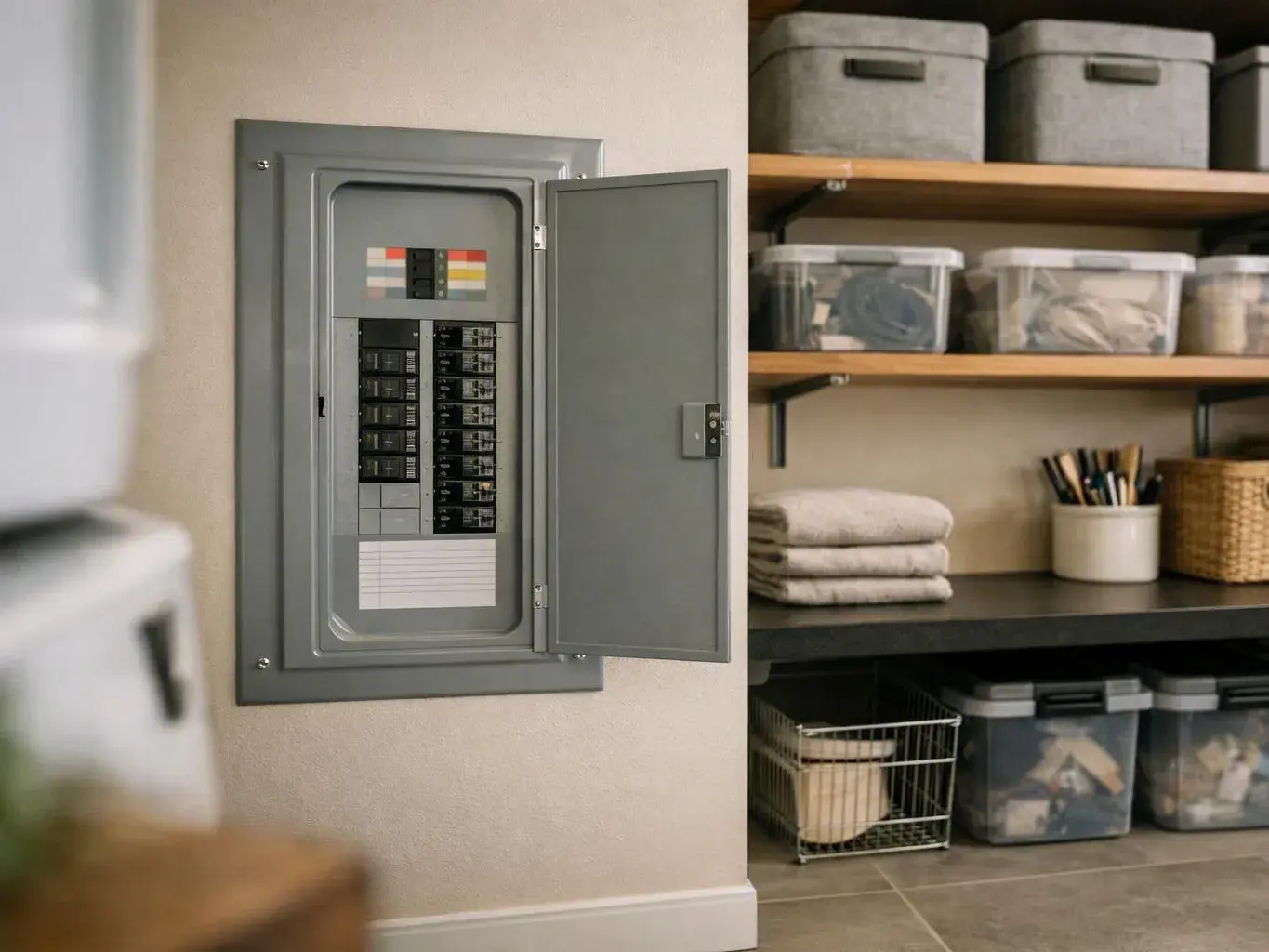
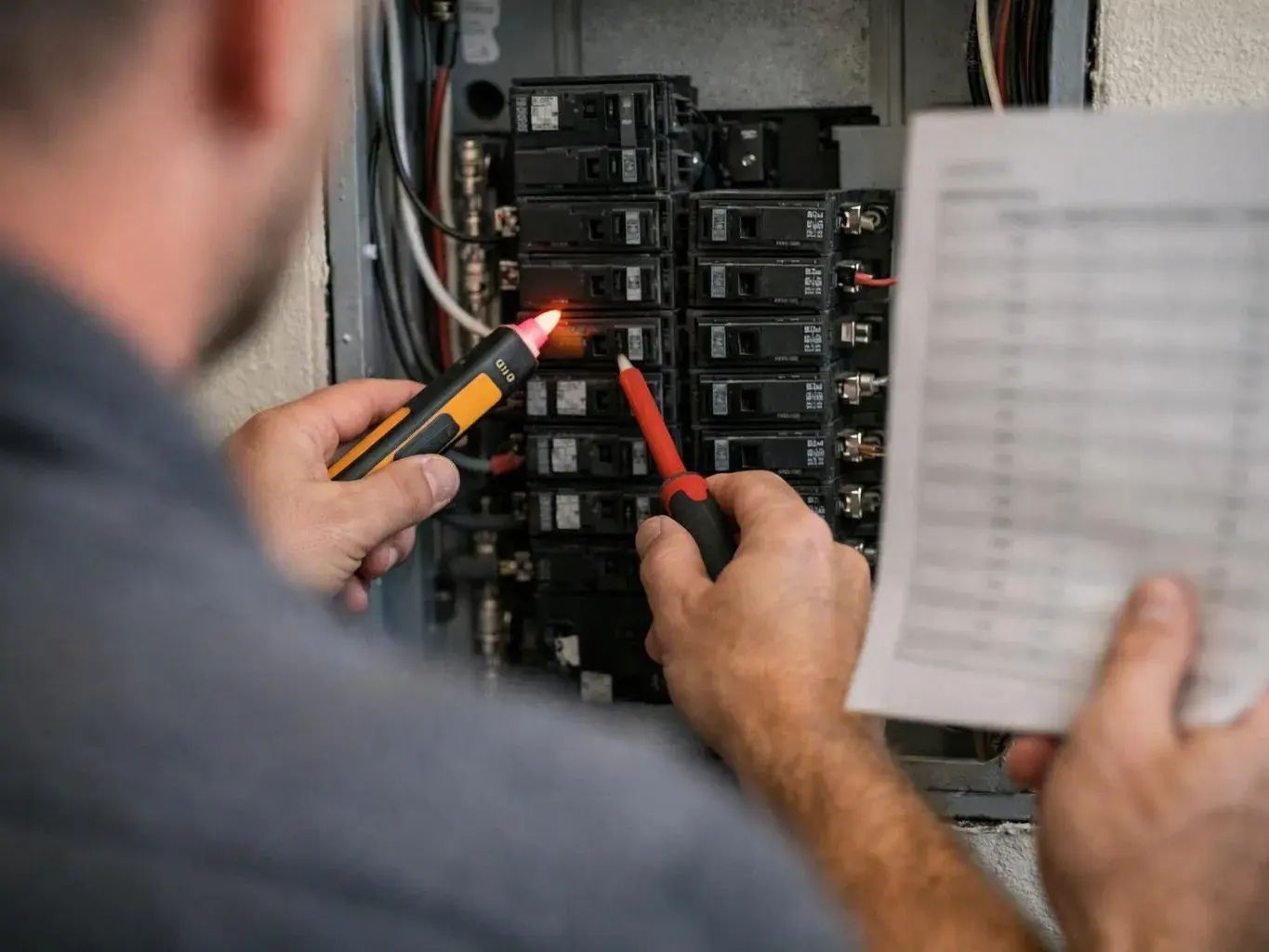
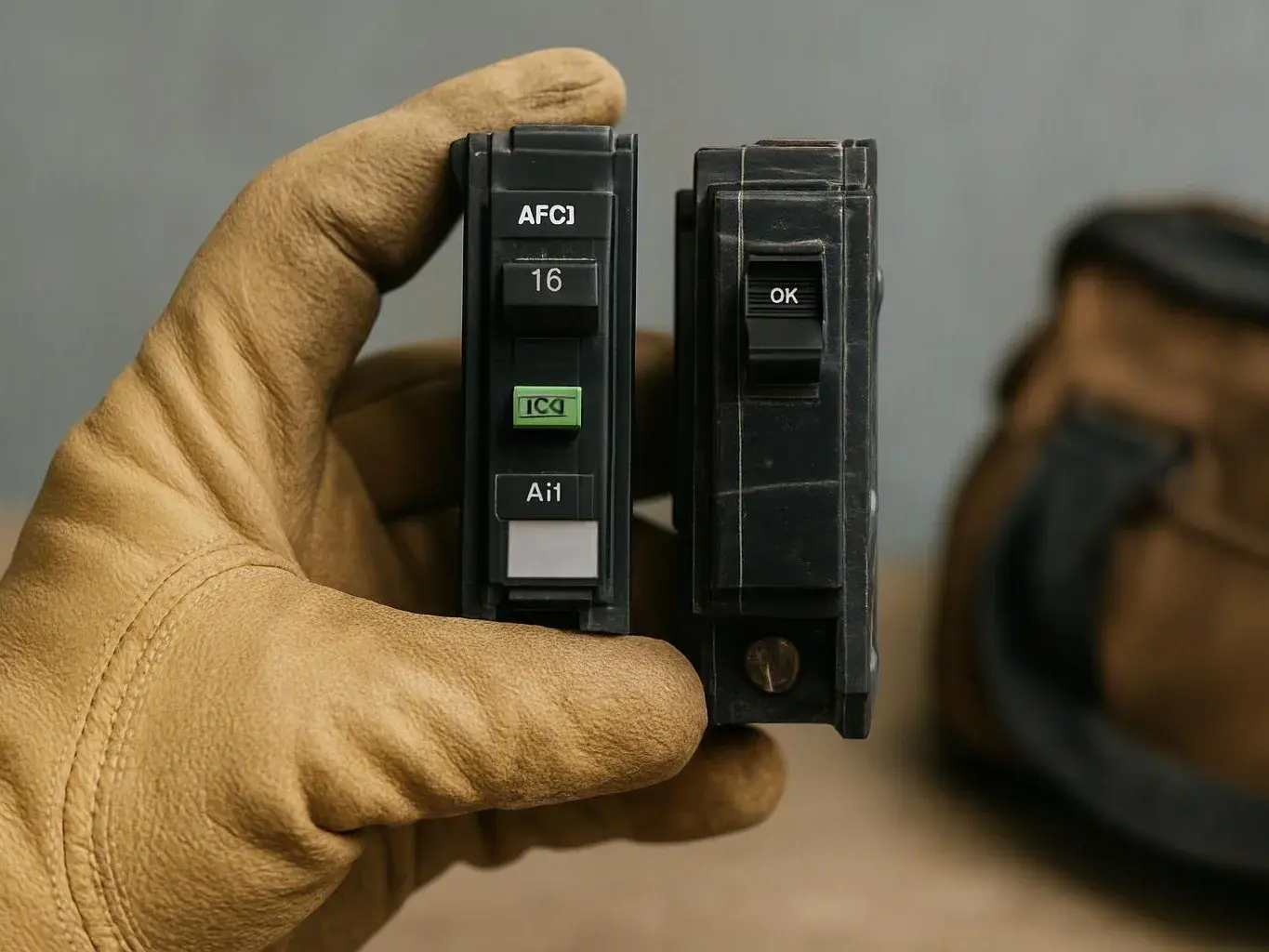
An electrician finds the cause by turning off the branch circuit. They test voltage, polarity, grounding, and wire paths. They inspect the connections and electrical panel. They may test GFCI or AFCI protection. These safety devices help stop shocks and fires.
First, we find the branch circuit, the wire path serving the outlet. Then we find its breaker and test for voltage. We test before opening any box. The test may show live wires or odd readings. Power may remain after a breaker is switched off.
Continuity testing checks wires and ground paths after power is off. We inspect terminals, splices, boxes, and ground wires. We look for loose parts, heat, rust, and wrong connections. We also check the panel for damaged breakers and hot spots.
We test the ground fault circuit interrupter, a device that helps prevent shocks. It senses an unsafe current change and shuts off power. We may check AFCI protection too. It can detect dangerous arcing. These tests guide the repair choice.
Most simple inspections take about 30 to 90 minutes. Hidden damage can take longer. Several outlets or hard access can add time. This range isn’t a promise. The fault and home condition set the work time.
| Finding | Likely next step |
|---|---|
| Cracked, loose, scorched, or warm receptacle | Replace the device and inspect connections |
| Open ground, reverse polarity, or damaged conductors | Repair wiring and complete required code corrections |
| Moisture or missing protection | Correct the location, box, device, and GFCI protection |
| Damage at several outlets or the panel | Repair the branch circuit or evaluate the service equipment |
Prevention Steps That Reduce Outlet Shock Risk
GFCI protection lowers shock risk in wet areas. Replace damaged outlets and keep power away from water. Don’t overload power strips. Schedule an inspection after repeated trips or unexplained tingles. Tamper-resistant outlets.whole-house surge protection can add more safety.
- Use GFCI protection: Install and test it in wet areas and outdoor locations.
- Choose a tamper-resistant receptacle: It can help stop children from inserting objects.
- Use weather-resistant outlets: Outdoor devices need proper covers and rain protection.
- Keep cords, appliances, and hands dry. Don’t use damaged power strips or overload outlets.
- Schedule an inspection after trips, flickering, tingles, burning smells, or warm outlets.
Families should use child safety steps. Plastic inserts aren’t a replacement for tamper-resistant devices. Older adults may need better lights and clear panel access. Renters should report moisture, loose outlets, and shocks quickly. The property owner can arrange safe repairs.
When Outlet Replacement or Code Corrections Are Needed?
Outlet replacement may be needed when a receptacle is cracked, loose, hot, or scorched. Replacement may also help after sparking or a shock. Electrical code corrections may require better grounding, wiring, boxes, GFCI, or AFCI protection. An electrician should find the full repair. A new outlet alone may not remove the danger.
Outlet Replacement may fix the issue when the device is worn or damaged. The wiring, box, ground, and safety devices must also work. The new receptacle must fit the circuit and location. Wet areas may need special devices and covers.
Code corrections may be needed for missing grounds or wrong polarity. They may also be needed for poor boxes, loose splices, or missing GFCI and AFCI protection. Junction boxes must stay easy to reach. They must also have the right size. A loose, crowded, or damaged box may need repair first.
We choose branch-circuit repair when the fault goes beyond the outlet. The work may involve damaged wires, bad connections, wet boxes, or panel problems. We check the ground wire instead of assuming it works. Older homes may need tests at several outlets.
Homeowners should leave the circuit off until inspection. Renters should record the issue and contact the owner or manager. They shouldn’t make repairs. We provide Outlet Replacement in Fort Wayne when it’s the right local service. The same testing steps work in any home.
Our full range of 24 Hour Electrician work can help with active sparking or smoke. We can also help with repeated trips. We can help when power can’t be isolated safely. A new cover doesn’t prove the danger is gone.
Should You Add Whole-House Surge Protection After an Outlet Shock?
Whole-house surge protection doesn’t fix an outlet shock fault. It can help protect electronics from short voltage surges. The unsafe condition must be fixed first. An electrician installs the device at the service panel. They also check the ground and system fit.
A shock often points to bad insulation, poor grounding, wrong polarity, or a failed outlet. Surge protection handles a different risk. It helps with short voltage increases from utility events or lightning. It can’t make an unsafe outlet safe. Never leave a damaged circuit on.
After repairs, we check the panel, grounding, bonding, and equipment. Surge protection may help homes with computers and appliances. It may also protect heating controls and security equipment. Plug-in protection can help single devices when used correctly.
Follow this order: safety response, medical care, electrical testing, and repairs. Add surge protection after those steps. This order keeps protection equipment from hiding an active home problem.
Questions About 24 Hour Electrician
What Should I Do if an Outlet Shocked Me?
Move away without touching anyone who may still touch electricity. Turn off the breaker only if it’s safe. Seek emergency care for serious symptoms.
Can a Bad Outlet Cause an Electric Shock?
Yes. A worn, cracked, loose, or scorched receptacle can expose live parts. Wrong wiring can cause shocks too. Other causes include damaged wires, poor grounding, moisture, or faults elsewhere.
Do I Need an Electrician After a Small Electrical Shock?
Yes, a professional check is wise after a brief tingle. A small shock can signal wrong polarity, poor grounding, moisture, or hidden arcing. Seek medical advice if symptoms continue.
Why Did My Outlet Shock Me When Nothing Was Plugged In?
An empty outlet can still have live terminals. Causes include wrong polarity, a bad receptacle, exposed wires, loose connections, or poor grounding. Turn off power if safe. Arrange testing instead of touching the outlet.
How Much Does It Cost to Replace an Outlet That Caused a Shock?
Cost depends on the cause. The issue may involve the outlet, wires, ground, box, GFCI, AFCI, or panel. An electrician should find the cause first. Replacing only the visible outlet may leave danger active.
Stop using the circuit after any shock, spark, heat, or burning smell. Arrange a professional inspection. Our team can explain the safest repair path and needed electrical work.
Contact our electrical teamRelated Resources
Electrical Panel Warning Signs in Fort Wayne, IN
signs you need an electrical panel upgrade
When You Need ItCircuit Breaker Replacement Warning Signs: When to Call an Electrician in Fort Wayne, IN
signs you need a circuit breaker replacement fort wayne
When You Need ItOutlet Replacement Warning Signs: When an Outlet Is Unsafe in Fort Wayne, IN
when should you replace an electrical outlet fort wayne
When You Need ItElectrical Burning Smell? When to Call a 24-Hour Electrician in Fort Wayne, IN
when to call an emergency electrician for a burning smell