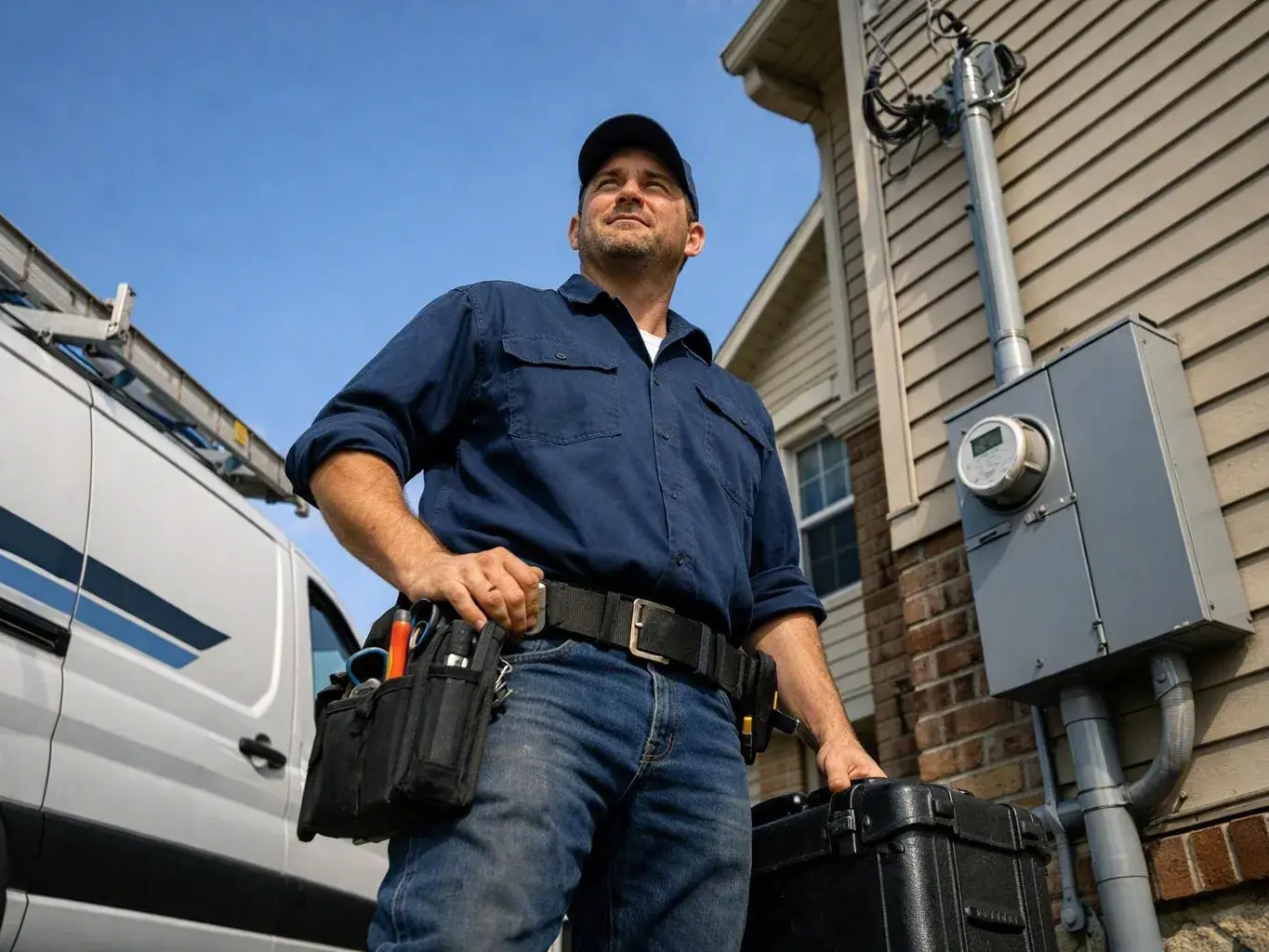
Outlet Replacement After Electrical Code Corrections in Fort Wayne, IN
Outlet replacement after electrical code corrections restores safe power in Fort Wayne, IN. Chris Miller Electric replaces damaged, old, or noncompliant outlets. We also check wiring, install the right device, and test grounding and polarity. Schedule an inspection and replacement.
Why Electrical Code Corrections Often Require Outlet Replacement?
Electrical code correction work often needs a new receptacle. The old device may be damaged, poorly grounded, wired wrong, or outdated. A new outlet helps fix the connection and restore safe use.
An outlet may look fine but still have worn parts inside. Loose screws can also cause trouble. The outlet may connect to unsafe wiring or a weak electrical box.
A new receptacle may not fix the whole problem. The wiring and box need a full check. This helps find hidden risks before the new device goes in.
Older Fort Wayne, in homes may have old wire or ungrounded outlets. Some may have cloth-covered conductors or small boxes. These issues don't always mean the whole house needs new wiring.
They do call for a close look at the circuit. A qualified electrician can find a simple outlet issue. They can also spot a larger electrical repair.
Home safety also depends on the right outlet for each area. Kitchens, bathrooms, garages, basements, and outdoor areas may need GFCI protection. This safety device helps lower shock risk near moisture.
A tamper-resistant outlet may help protect children in living areas. The outlet rating must also match the circuit and its use.
Fort Wayne, in winters can increase electrical use. Portable heaters may reveal weak connections or overloaded outlets. Early service can help prevent heat damage or a circuit failure.
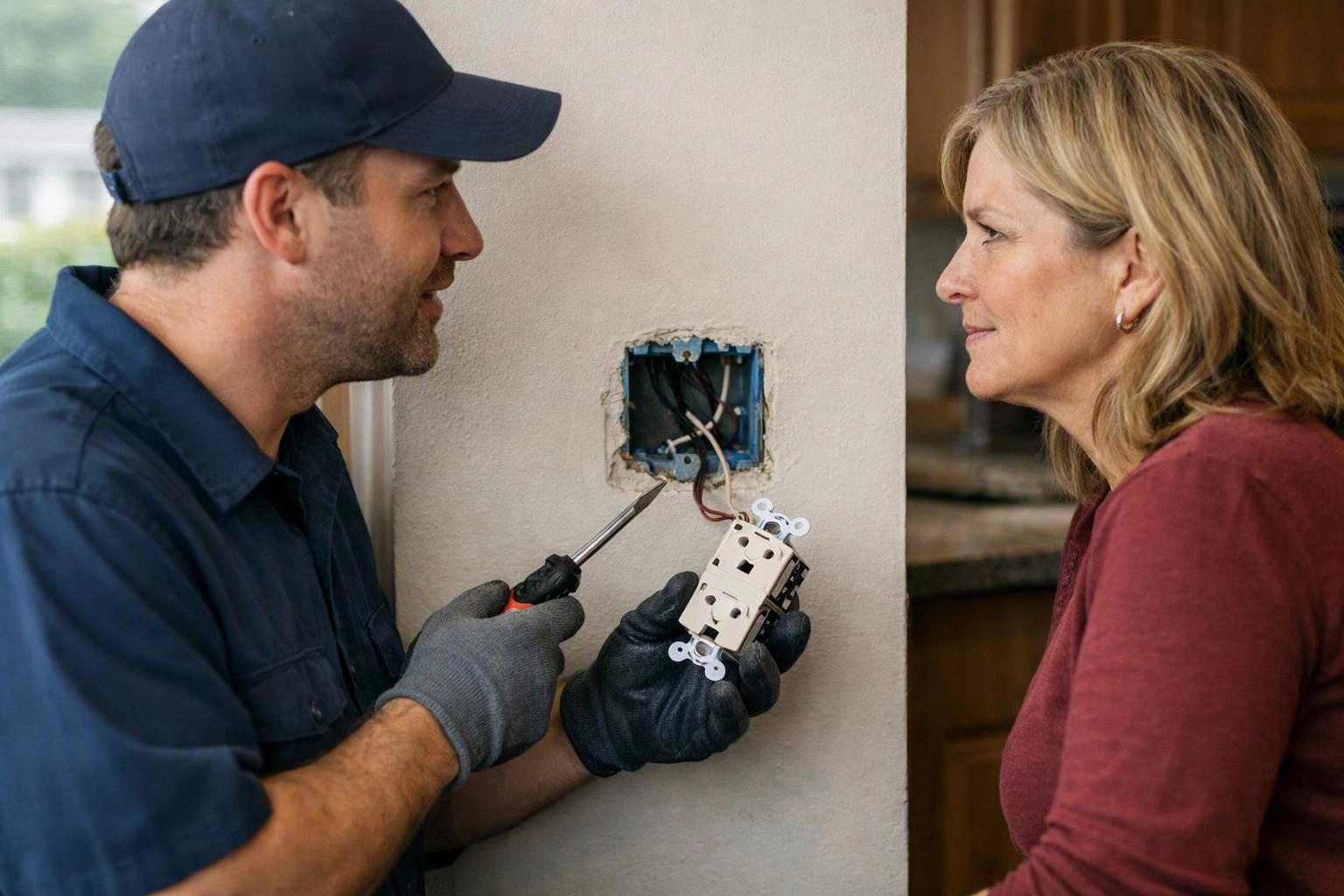
Signs an Outlet Cannot Stay in Service
A receptacle should stop being used if it feels hot, moves, sparks, or works poorly. These signs may point to a damaged device or loose wire.
Burn marks, melting, or a hot cover plate show possible overheating. Stop using the outlet right away. Turn off the breaker if you can identify it safely. Then arrange an inspection.
A loose receptacle can strain the terminals and box. Arcing may cause snaps, flashes, or a sharp smell. These problems can worsen with high-use appliances.
A GFCI outlet that won't reset also needs service. Repeated trips or a failed test can have several causes. The issue may involve wiring, moisture, grounding, or the device.
Don't replace a failed GFCI outlet before finding the cause.
When You Need Outlet Replacement and Code Corrections Together?
Outlet replacement and electrical code corrections often go together. The outlet may be unsafe, while the wiring also needs work. Common issues include poor grounding, reversed polarity, missing GFCI protection, and heat damage.
Fixing only the visible outlet may leave the danger in place. These situations often need both services:
The grounding wire gives fault current a safe path. This helps protect people from energized metal parts. It isn't the same as a neutral wire.
A visual check can't prove that grounding works. Testing must confirm the full circuit path.
GFCI protection also depends on the outlet location. Basements, garages, kitchens, bathrooms, and outdoor areas may have damp conditions. A professional can find the right place for this protection.
How an Electrician Corrects the Outlet and the Wiring?
Circuit de-energization comes first. The electrician turns off the right breaker and tests for power. Then the work area is made safe.
The electrician checks the box and wires. They find the code issue, install the right outlet, and test the finished connection.
Power shouldn't be assumed off because a switch is open. A nearby dead outlet also proves nothing. The breaker must be found and tested.
Shared circuits or mislabeled breakers need extra care. Some circuits may have more than one power source.
During the wire check, the technician looks for loose screws and damaged insulation. They also check for burned copper, aluminum conductors, poor splices, and short wires.
The wire size and outlet rating must match the circuit. A clean faceplate doesn't rule out hidden damage.
The electrical box must be secure and large enough. The electrician also checks for cracks, rust, and proper depth.
A loose or crowded box may need repair first. Older homes may have ungrounded wiring or past changes.
Grounding work may include securing the grounding wire to the box and outlet. It may also require a larger circuit repair.
The hot and neutral wires go on the correct terminals. Each wire must be tight without damage.
The replacement may be a standard grounded receptacle, a GFCI device, or a tamper-resistant model. The choice depends on the area, circuit, and planned use.
We don't treat every outlet as the same.
After installation, testing checks polarity, grounding, GFCI operation, and mounting. A simple change often takes about 30 to 90 minutes.
Damaged wires, hard access, or several outlets can take longer. The inspection decides the actual time.
What to Expect During a Professional Outlet Replacement?
They also ask which appliances use the circuit.
Our team finds the breaker and confirms the power is off. We also protect the work area. This helps prevent a wiring fault from being missed.
The electrician removes the plate and outlet. They inspect the wire ends and check the box for damage or movement.
A voltage tester confirms the power status. Brittle, burned, short, or poorly joined wires may change the repair plan.
The new device must fit the location and circuit. A GFCI outlet may suit a wet area. A grounded or tamper-resistant outlet may fit another space.
The device is mounted straight and the terminals are secured. The plate goes on without stressing the wires.
We may check nearby outlets when the failed device shares a circuit. Older wiring can carry problems from one outlet to another.
If an inspection report caused the service call, we match the repair to that report. We explain any other concern clearly.
For smoke, sparks, heat, or sudden power loss, seek prompt electrical repair. A 24 Hour Electrician may help with an active hazard.
A planned replacement can often wait if the circuit is stable and safely off.
What the Final Electrical Safety Check Should Confirm?
A final electrical safety check should confirm correct polarity and safe grounding. It should also confirm tight wires, proper GFCI operation, and secure mounting.
Testing shows whether the repair fixed the code issue. It also shows whether the circuit is safe for normal use.
Testing should check more than power at the outlet. An outlet may power a device but still have poor grounding or reversed polarity.
It may also have a loose terminal or failed GFCI protection. A full check supports code compliance and home safety.
How to Plan Outlet Repair Service in Fort Wayne, IN?
Fort Wayne, in electrical service should fit the home's wiring and repair needs. It should also account for inspection or permit rules.
A professional check can show if one outlet needs work. It can also show if several outlets or circuit parts need repair.
Start with the inspection report if you have one. Note the outlet location and reported defect.
Also note trips, heat, odd sounds, and equipment on the circuit. Photos can help explain the issue, but they can't replace an in-person check.
Older Fort Wayne, in homes may need more time for testing. Old insulation, ungrounded circuits, and crowded boxes can affect the work.
Replacing an outlet isn't the same as fixing the wiring. It also differs from changing a box or repairing a larger circuit.
Permit rules can depend on the work and local requirements. Electrical work in Fort Wayne, in may need a permit or inspection.
Check current rules with the proper local authority. Ask if a follow-up inspection is needed.
Winter demand is another planning concern. Fort Wayne, in homes may use heaters, furnaces, and humidifiers for longer hours.
If an outlet gets warm or trips, lower the load. Arrange service instead of using an extension cord or power strip.
Moist areas need special care. Basements, garages, kitchens, bathrooms, and outdoor areas may need GFCI protection.
They may also need checks for water entry or rust. Ask if the estimate covers wiring, box repairs, testing, and records.
When you speak with our team, ask what device we'll use. Ask if the circuit has a grounding wire.
Also ask how we'll test the outlet and what other repairs may be needed. Clear answers help you compare service plans.
A simple replacement with easy access may fit one visit. Larger repairs may need more parts or an inspector.
We'll explain the next step after checking the conditions. We won't make promises before the inspection.
Questions About 24 Hour Electrician
Why Does an Electrical Code Correction Require Outlet Replacement?
An electrical code correction may need a new receptacle when the old device is damaged, wired wrong, poorly grounded, outdated, or wrong for the circuit. Replacement lets the electrician make a safe connection and test the repair.
How Much Does It Cost to Replace an Electrical Outlet After a Code Violation?
The cost depends on the device, access, wiring, box, and testing. It also depends on any added repair work. Request a service estimate after the issue is inspected.
Can an Electrician Replace an Outlet Without Rewiring the Whole House?
Yes, many repairs affect one outlet, box, or branch circuit. The electrician must check the wiring first. Unsafe or ungrounded wires may need more circuit work.
How Do I Know if an Outlet Needs GFCI Protection?
GFCI protection is common near moisture. This includes kitchens, bathrooms, garages, basements, laundry areas, and outdoor locations. An electrician can test the circuit and find the right protection method.
What Should I Do if an Outlet Fails an Electrical Inspection in Fort Wayne, IN?
Stop using the outlet if it's hot, loose, damaged, or sparking. Turn off the circuit if you can identify it safely. Save the inspection notes and contact a qualified electrician. Confirm permit or reinspection rules before work starts.
Our team can inspect the failed receptacle and find the wiring issue. We'll complete the needed repair and test the circuit.
Contact us to discuss the service scope and schedule an inspection.
Schedule electrical serviceRelated Resources
Electrical Panel Warning Signs in Fort Wayne, IN
signs you need an electrical panel upgrade
When You Need ItCircuit Breaker Replacement Warning Signs: When to Call an Electrician in Fort Wayne, IN
signs you need a circuit breaker replacement fort wayne
When You Need ItOutlet Replacement Warning Signs: When an Outlet Is Unsafe in Fort Wayne, IN
when should you replace an electrical outlet fort wayne
When You Need ItElectrical Burning Smell? When to Call a 24-Hour Electrician in Fort Wayne, IN
when to call an emergency electrician for a burning smell