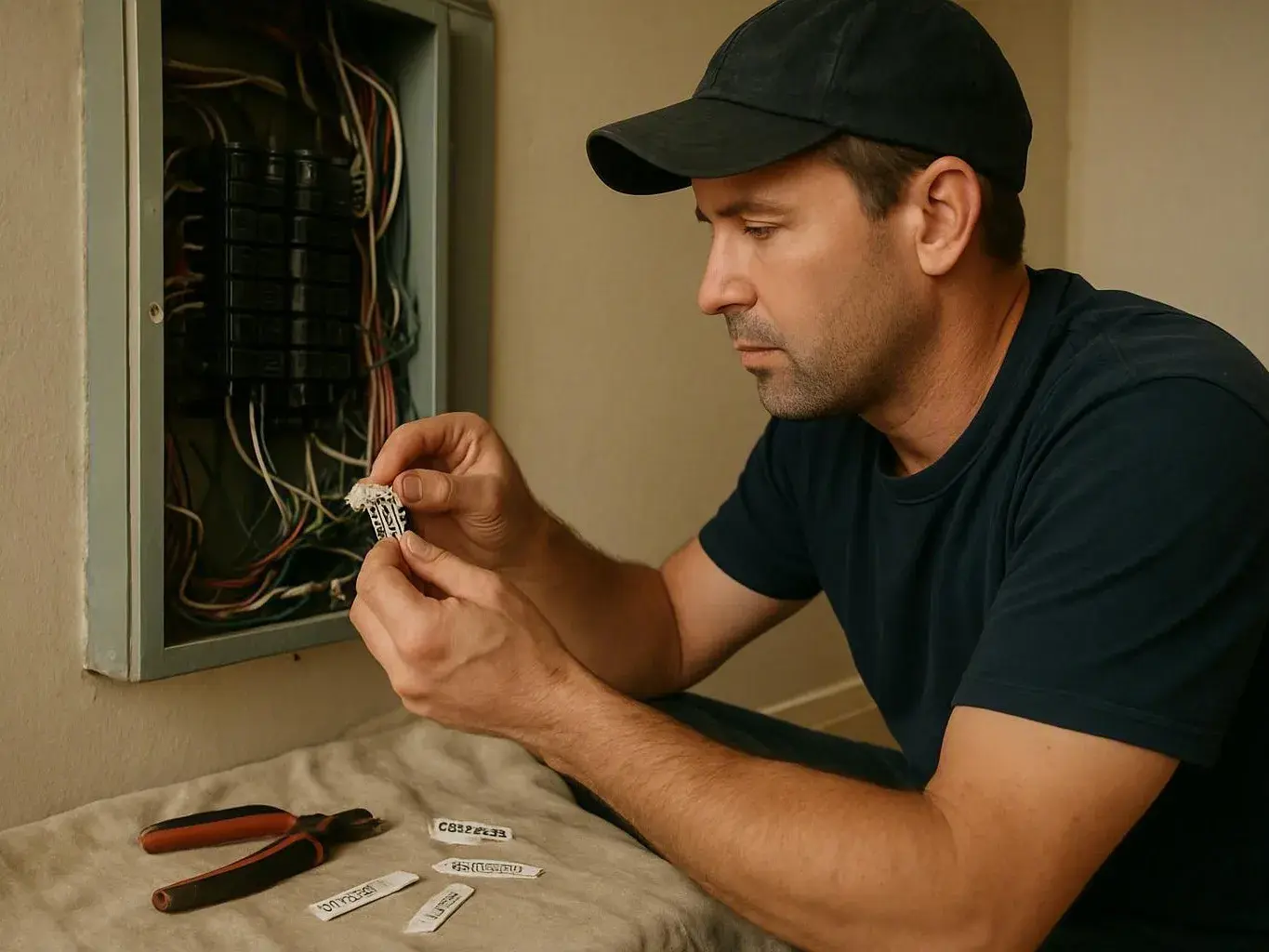
Should You Combine Surge Protection With a Panel Upgrade?
Whole-house surge protection helps shield appliances from voltage spikes. An electrical panel upgrade adds capacity, safety, and better system fit. Combining both services can make planning easier. An electrician should first check the panel, grounding, load, wiring, and equipment. The surge protective device must match the home’s electrical needs.
Get a Free EstimateChris Miller Electric helps homeowners plan electrical work before it starts. We match each project to the home’s condition, power needs, and safety concerns.
A panel-mounted protector may work well during a home upgrade. This is true when old wiring, limited capacity, or service equipment needs attention. Surge protection may also be installed later after an electrical inspection.
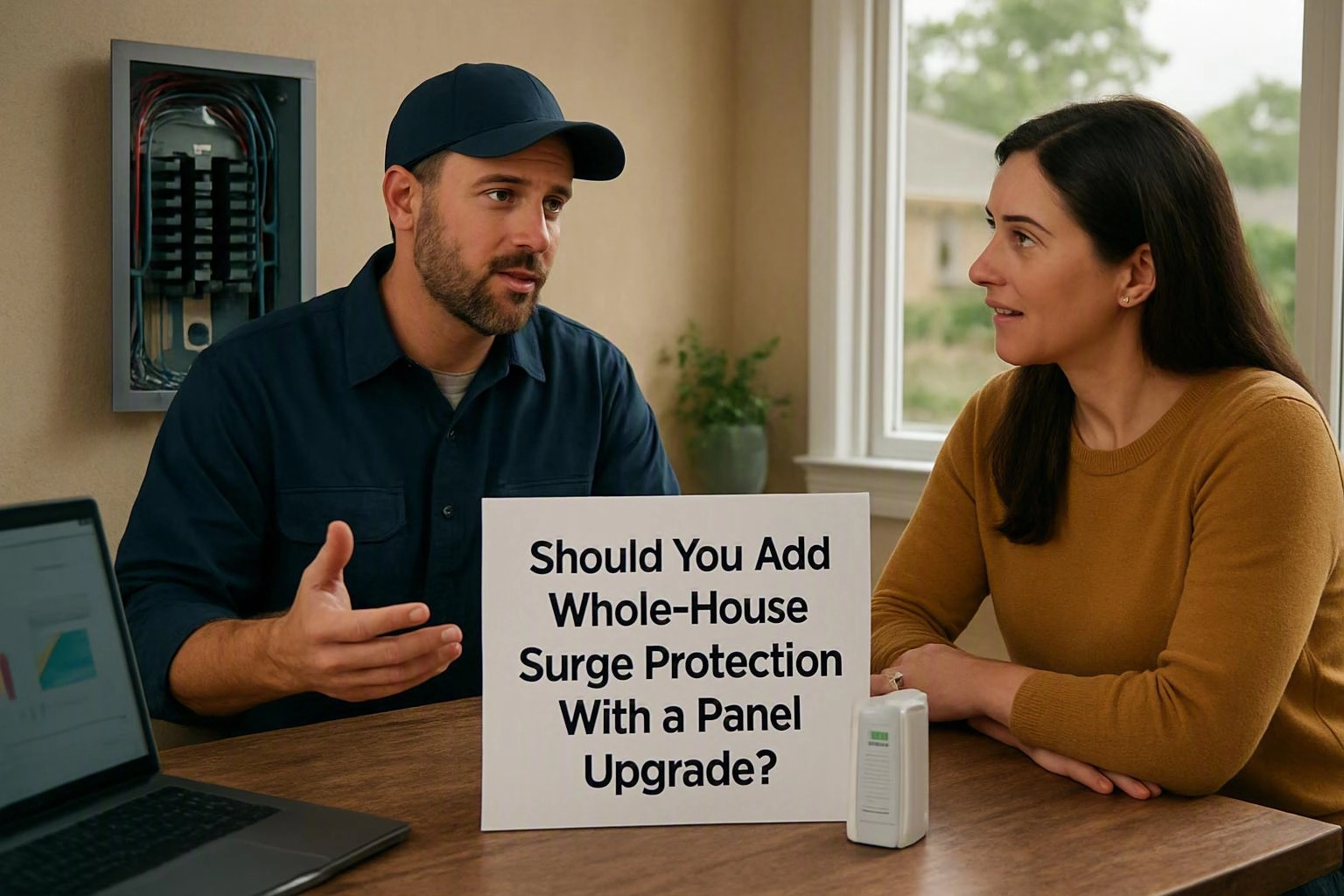
Can Surge Protection and a Panel Upgrade Be Installed Together?
Whole-house surge protection and a panel upgrade can usually be planned together. The electrician must first check the panel, grounding, wiring, and available capacity. This review helps confirm that the panel can support the chosen surge protective device.
Both services often use the same work area. That makes joint planning helpful. The electrician can check the service panel, main breaker, grounding electrode, and bonding connections. This helps prevent a poor match between the panel and protective device.
A new panel does not mean every surge device will fit. The product guide sets the connection method, wire length, breaker setup, and space needed. A Type 1 surge protective device may connect near service equipment. A Type 2 surge protective device often goes on the load side. The right choice depends on the system and product.
Our team also checks access, labels, inspection needs, and future power use. Homes with computers, smart devices, or new appliances may need surge protection. The finished work should be tested and recorded. We’ll explain the device and its status lights.
When Do You Need Both Services at the Same Time?
You may need both services when an old panel can’t support modern power use. The home may also need protection from voltage surges. Common examples include service upgrades, major remodels, and new high-demand appliances.
Several home needs may support one planned project:
Electric vehicle charging needs close review. It can add a large, steady load. The electrician may check the service entrance, charger circuit, panel rating, and future plans. A basic review may take 30 to 90 minutes. Access and system details can change that time.
Combining projects isn’t always needed. A separate surge installation may work if the panel has enough capacity. The choice should follow an inspection and load calculation.
How Does a Panel Upgrade Affect Whole-House Surge Protection?
A panel upgrade can change space, bus capacity, breakers, grounding, and wiring needs. The surge protective device must connect correctly to the panel and grounding system. The upgrade gives the electrician a chance to check that fit.
The service panel divides incoming power among branch circuits. A new panel may change the main breaker, breaker layout, wire path, and open spaces. These changes affect where the protective device can go.
Grounding and bonding matter too. The grounding system connects the home to grounding electrodes. Bonding joins metal parts and gives fault current a safe path. Surge equipment needs a good path to release extra energy. It can’t repair poor or missing grounding.
A panel upgrade may reveal service entrance problems. These can include damaged wires, poor bonding, or equipment needing utility work. The electrician should explain any needed repair first. A new panel adds capacity, but it won’t stop every voltage surge.
What Should an Electrician Inspect Before Combining the Work?
Before joining the projects, an electrician should inspect the panel, service entrance, grounding, bonding, and branch circuits. The electrician should also review the product guide. This confirms that the home can safely accept the planned work.
The review starts with the existing service. Our team looks for rust, heat damage, crowded wires, loose connections, and damaged covers. We also check for water entry. Then we compare the service size with current and future power needs.
Next, the electrician checks grounding electrodes and bonding paths. This may include the grounding wire, service bond, and metal water pipes. Any weak path needs repair. New equipment should not hide the problem.
Branch circuits need a careful check too. The electrician reviews wire sizes, breaker ratings, labels, and multi-wire circuits. We also look for heat damage. Product instructions guide device location, breaker needs, wire length, and working space.
Older wiring and past remodels may require a wider review. The electrician should explain permits and inspections before scheduling the work.
What Is the Difference Between the Two Services?
A panel upgrade improves power capacity, layout, and safety. Whole-house surge protection limits short voltage spikes. The services solve different problems. A panel upgrade doesn’t add surge protection by itself. A surge device doesn’t add power capacity.
This difference helps homeowners choose the right service. The chart below compares each option.
| Service or device | Primary purpose | Common benefit | Important limit |
|---|---|---|---|
| Panel replacement | Updates the main power equipment | Adds space, better layout, and proper capacity | Doesn’t automatically include surge protection |
| Whole-home surge protection | Moves short voltage spikes away from circuits | Helps protect many appliances and systems | Doesn’t increase service size or fix overloads |
| Branch circuit protection | Limits current during faults or overloads | Helps protect wires and loads when sized correctly | Is different from transient surge protection |
| Plug-in surge protector | Adds protection at one outlet | Supports selected electronics near the device | Doesn’t replace a panel-mounted device |
Panel replacement addresses capacity, equipment age, and circuit layout. Surge protection addresses short energy bursts from utility work or nearby lightning. Using both can add layers of protection. The setup must still match the home’s grounding, bonding, and service equipment.
What Happens During a Combined Installation?
A combined job starts with an electrical review and load calculation. Next comes panel choice, circuit planning, device selection, installation, and testing. The electrician should check grounding, label the equipment, and explain status lights before service returns.
Each home is different, but most jobs follow these steps:
Most simple combined jobs take one workday. Hard access, service repairs, rewiring, or utility work may take longer. The electrician should provide a written scope. It should separate panel work from surge protection.
How Should You Decide Whether to Combine the Projects?
Combine whole-house surge protection with a panel upgrade when the home needs more capacity and equipment protection. The decision should consider future power use, panel condition, grounding, fit, timing, and the written work plan.
Start with the actual problem. If overloaded circuits trip breakers, surge protection won’t fix them. If the panel has enough capacity, a separate surge project may work. If both problems exist, one planned job may save time.
Ask if the service entrance, grounding, and bonding are ready. Ask which surge device the electrician plans to use. Ask where it will go and how its status light works. Also ask if it has a replaceable module.
Timing matters. A remodel, car charger, or large appliance project may support both services. Home office gear and smart-home systems may also raise the need for protection. Still, no device can protect every appliance from every event.
Our team can review the work plan, access, product needs, and inspection steps. Homeowners seeking 24 Hour Electrician service should still request a written assessment. Fast service shouldn’t replace careful planning. Residents seeking Whole-House Surge Protection in Fort Wayne need the same review. Capacity, grounding, fit, and equipment needs come first.
Questions About 24 Hour Electrician
Should I Install Whole-House Surge Protection Before or After a Panel Upgrade?
It can be planned and installed during the panel upgrade. This lets the electrician check space, breakers, grounding, bonding, and product instructions. If the panel work is finished, protection can often be added later. The system should be inspected first.
Does a New Electrical Panel Include Whole-House Surge Protection?
No. A new panel improves capacity, circuit layout, and equipment condition. Surge protection is separate unless the written scope includes it. Ask if the plan includes a panel-mounted surge protective device.
How Much Does It Cost to Add Surge Protection During a Panel Upgrade?
The added cost depends on the device, panel, grounding, service equipment, and access. Needed repairs can also affect the price. Request a written estimate.
Can Whole-House Surge Protection Protect Appliances from Lightning?
It can reduce surge energy reaching many connected circuits. This includes energy from nearby lightning. It can’t promise protection from a direct strike or every event. Good grounding, bonding, installation, and device protection still matter.
How Long Does a Whole-House Surge Protector Last?
Service life varies by the number and strength of surge events. Check the status light during electrical work. Replace the device when its indicator shows failure. Follow the product guide after a major event.
We can help review your home’s capacity and surge needs. A qualified electrician should check the system and explain the work before installation.
Contact our team to discuss your electrical projectRelated Resources
Electrical Panel Warning Signs in Fort Wayne, IN
signs you need an electrical panel upgrade
When You Need ItElectrical Burning Smell? When to Call a 24-Hour Electrician in Fort Wayne, IN
when to call an emergency electrician for a burning smell
When You Need ItSigns Your Home Needs an Electrical Service Upgrade
signs you need an electrical service upgrade
When You Need ItDo You Need Whole-House Surge Protection? Warning Signs to Know
how do I know if I need whole house surge protection