How to Tell If Your Home Needs an Electrical Service Upgrade
Your home may need an electrical service upgrade when the panel is overloaded. Flickering lights, tripped breakers, hot outlets, and damaged wiring also signal trouble. An electrician should inspect these warning signs and check the service entrance and panel. The right fix may include a panel replacement, more service capacity, rewiring, or a smaller repair. Stop using damaged outlets or equipment right away. Don’t keep resetting breakers. Arrange an inspection before adding an electric vehicle charger, heat pump, or central air conditioner.
Get a Free Estimate
What Does an Electrical Service Upgrade Do for Your Home?
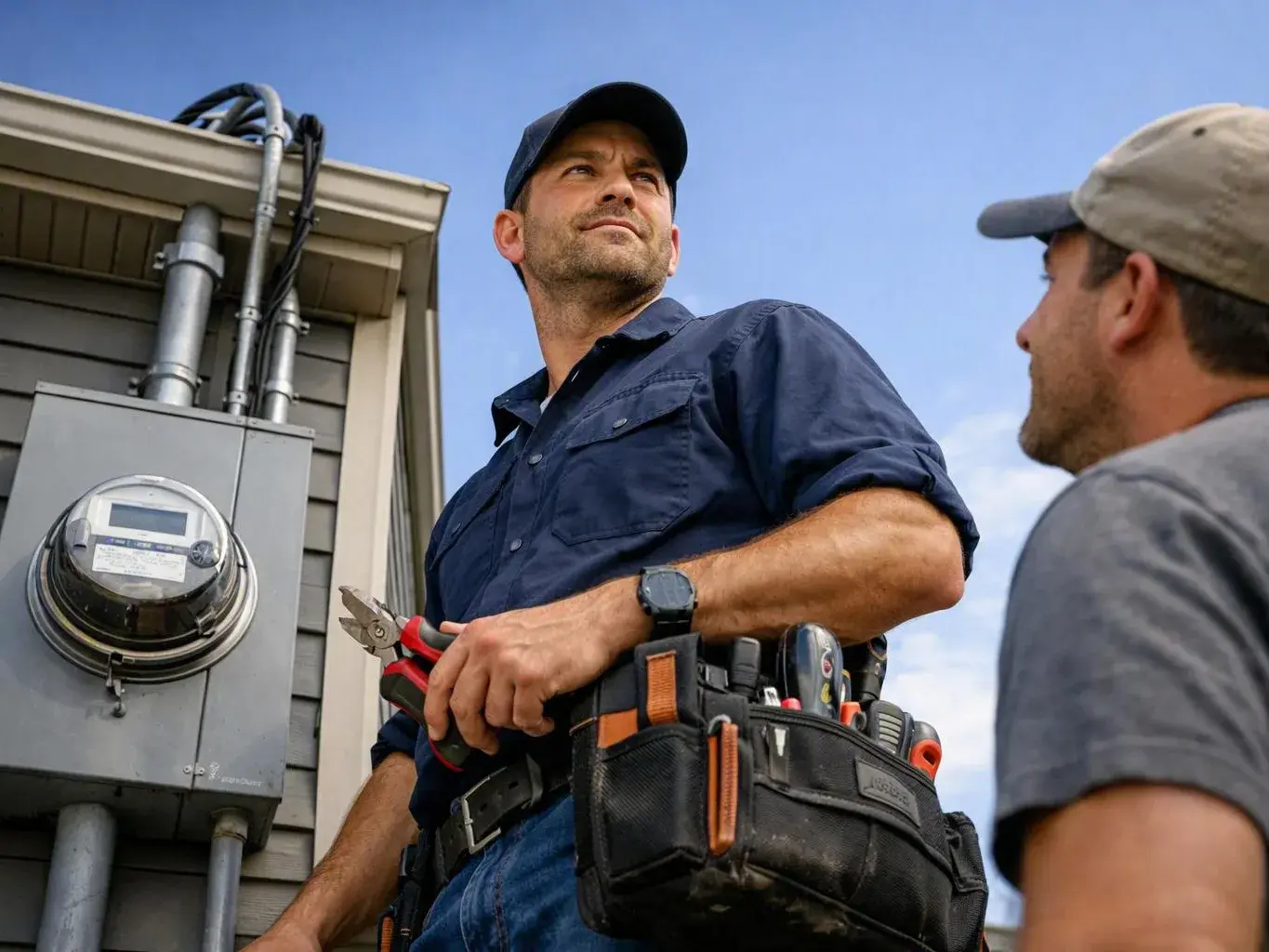
Electrical service capacity and safety improve with the right upgrade. The work may include the service entrance, meter, main panel, wires, grounding, and circuits. An electrician checks the home’s power needs before choosing the right fix.
The service entrance is where utility power reaches your property. Service wires carry power to the electrical panel. The main breaker and smaller breakers then send power through branch circuits. Each part must fit the home’s electrical load.
Older homes may have limited power capacity or damaged wiring. Their equipment was built for homes with fewer appliances.fuse box, small service rating, or worn connection can cause concern. This risk grows after adding an electric range, heat pump, central air conditioning, electric vehicle charger, workshop tools, or home addition.
Our team may suggest a full service entrance replacement. We may also suggest a 200-amp service upgrade where appropriate. Other options include a panel replacement or a smaller repair. We check the current equipment first. A larger panel alone may not fix the problem. Electrical Service Upgrades in Fort Wayne may need utility approval and an inspection.
7 Warning Signs Your Home May Need an Electrical Service Upgrade
Tripping breakers, flickering lights, warm outlets, buzzing equipment, and burning odors need attention. An old fuse box can also raise concerns. Limited power for major appliances may signal a larger issue. These signs can point to overloads, worn wires, loose connections, or faulty equipment.
One symptom may come from one bad device. Several signs may show a larger problem. A breaker is not an annoyance. It stops unsafe current from flowing. Repeated resets can hide a serious fault.
Most home evaluations take about one to two hours. The time depends on access, equipment condition, and circuit count. An inspection can show whether you need a small repair or larger project.
Which Electrical Problems Require Immediate Attention?
Smoke, sparks, exposed wires, hot outlets, and strong burning odors can create.electrical fire hazard. Leave the area at once. Don’t touch the equipment. Contact emergency services if there is fire or active danger.
An arc fault can create heat without visible flames. Don’t open the panel or remove an outlet cover. If safe, turn off the affected circuit. Keep people away and call a qualified electrician. A 24 Hour Electrician may help with urgent problems after normal hours.
Electrical Service Upgrade vs. Electrical Panel Upgrade
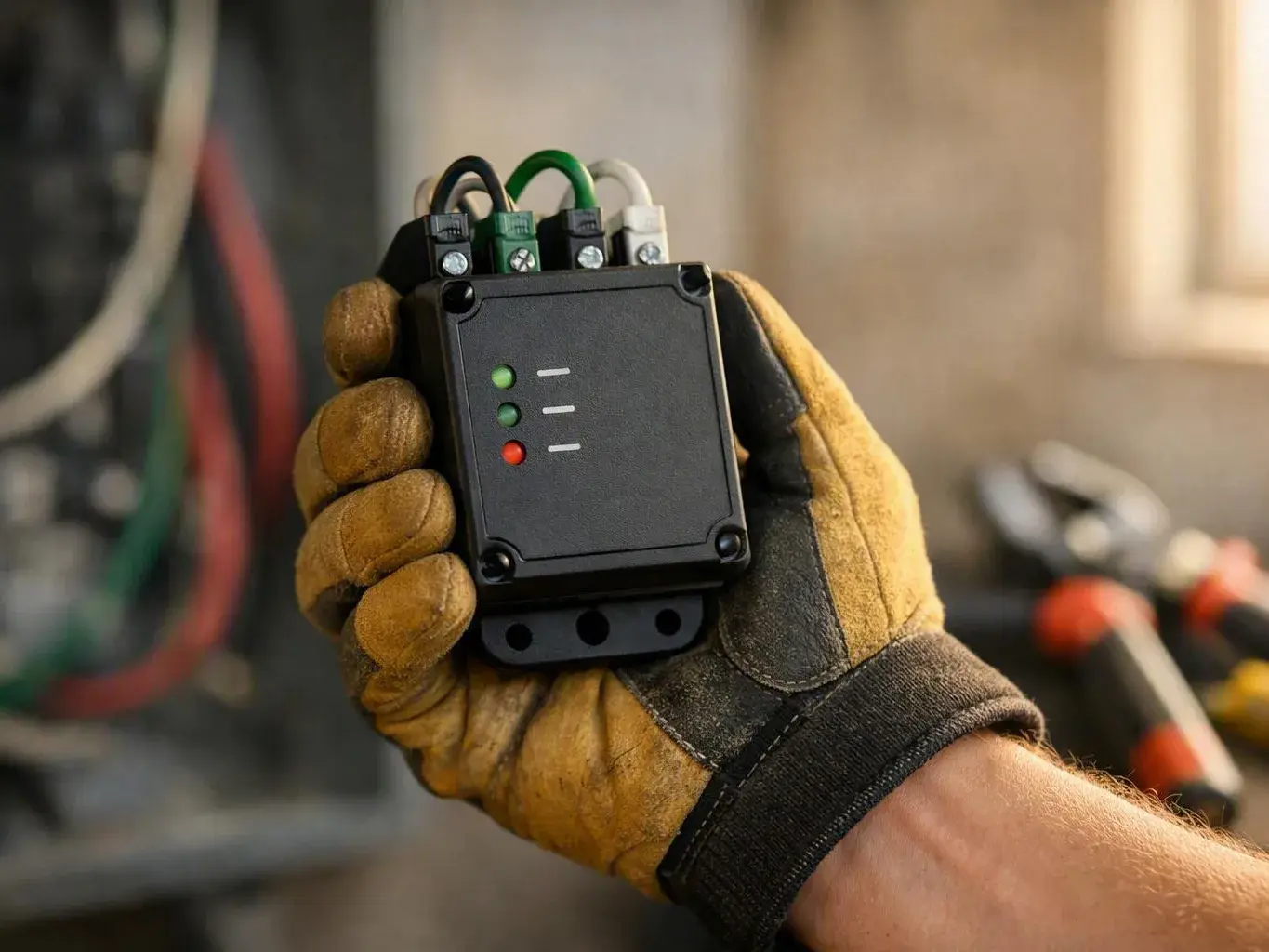
Electrical Panel Upgrades replace or improve the distribution panel. A full electrical service upgrade may do more. It may add utility capacity, replace service wires, update the meter, and improve grounding. A load calculation and inspection show which option your home needs.
A panel-only project may work when the service entrance and wires are sound. It can help when the panel is damaged, old, or too small. A larger project may be needed when the main breaker, service wires, meter, or grounding system cannot support the planned load.
| Factor | Electrical panel upgrade | Electrical service upgrade |
|---|---|---|
| Main focus | Distribution panel and breakers | Overall service capacity and entrance equipment |
| Common work | Panel replacement, breaker updates, circuit organization | Larger service, service conductors, meter connection, grounding |
| Decision tool | Panel inspection and circuit review | Electrical load calculation and full equipment inspection |
| Typical result | Safer or more organized circuit distribution | More usable capacity for present and future loads |
A larger panel does not always add utility capacity. The service rating, wires, meter, and main breaker must match. An electrician checks the full system before making a recommendation.
Can You Diagnose or Upgrade Electrical Service Yourself?
Electrical safety means noting symptoms and spotting clear warning signs. It does not mean opening a service panel or working on live equipment. Don’t replace service wires or upgrade electrical service yourself. A qualified electrician checks capacity and completes the work safely. They can also manage utility needs, permits, and inspections.
You can note which appliances ran when a breaker tripped. You can photograph visible damage from a safe distance. Make a list of planned projects too. You may unplug a suspect appliance if it is safe. These notes help our team find the problem.
DIY electrical work can cause shock, fire, insurance, and inspection problems. Service equipment may stay live after a branch breaker turns off. Utility work may also be needed near the meter or service entrance. Trained professionals should handle these tasks.
When homeowners ask what we do, we start with careful testing. We find the source and explain the choices. Then we match the repair or upgrade to the home’s needs.
DIY Checks vs. Professional Electrical Evaluation
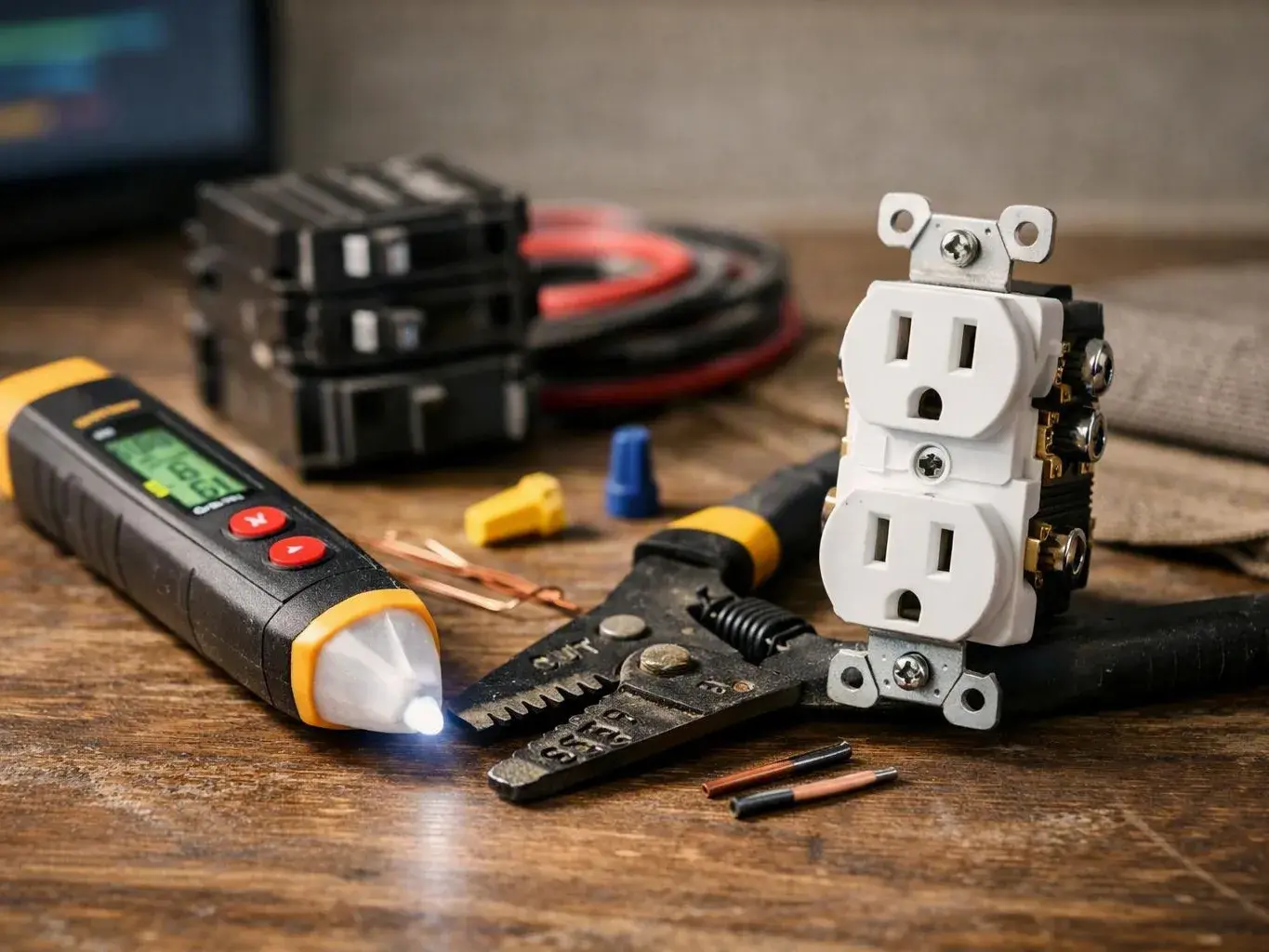
A homeowner can gather useful details without touching live equipment. A professional evaluation goes further. It tests circuits, checks the panel, and confirms the home’s power capacity.
| Factor | DIY | Professional |
|---|---|---|
| Visual inspection | Notice odors, heat, damage, or discoloration from a safe distance | Inspect accessible equipment and connections using safe procedures |
| Circuit testing | Record which devices were in use | Test voltage, continuity, connections, and protective devices |
| Load calculation | List present and planned appliances | Calculate demand and compare it with service capacity |
| Panel inspection | Do not remove the cover | Evaluate panel condition, ratings, wiring, grounding, and code concerns |
How an Electrician Determines the Right Upgrade?
Electrical load calculation helps choose the right electrical service upgrade. It shows how much power the home uses now. It also shows how much power the home may need later. The check covers the service rating, panel, wiring, grounding, circuits, appliances, and future demand.
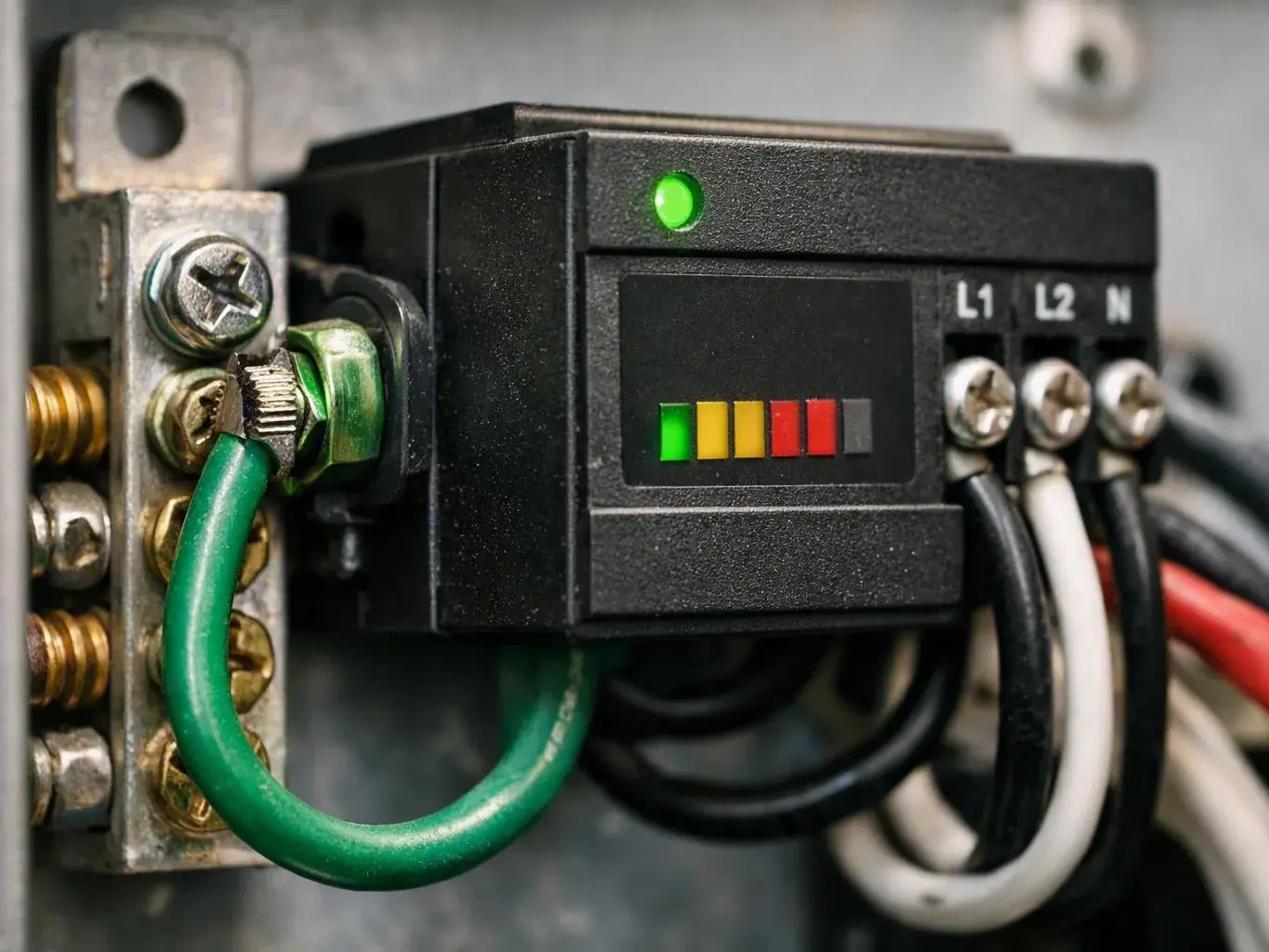
First, the electrician checks the service entrance and meter connection. They inspect the main breaker, panel, and visible wires. They look for corrosion, heat damage, loose connections, and improper changes. They also check for an old fuse box or worn wiring.
Next, the load calculation reviews fixed appliances and likely use. An electric vehicle charger, heat pump, range, or air conditioner may change the result. A workshop or home addition may raise the load too. One appliance may need a dedicated circuit. Several new loads may need more service capacity.
Grounding and bonding help fault current follow a safe path. They also help safety devices work as planned. The final recommendation should explain the needed repair. It should cover rewiring, panel replacement, or a full electric service upgrade. It should also explain utility and inspection steps.
What to Do After You Notice These Electrical Warning Signs?
Electrical inspection is the safest next step after warning signs appear. Stop using damaged or hot equipment. Don’t keep resetting a tripped breaker. Reduce extra electrical loads and schedule an evaluation.
Quick action can limit damage and show the safest path. Our crews can review the signs and explain the work. Not every warning sign requires a full replacement.
Questions About 24 Hour Electrician
How Do I Know if My House Needs an Electrical Service Upgrade?
Repeated trips, flickering lights, hot outlets, burning odors, old fuse boxes, and damaged wiring may show a need. Several large appliances may also require an upgrade.
What Are the Signs That an Electrical Panel Needs to Be Upgraded?
Common signs include frequent trips, buzzing, heat, rust, burning smells, and visible damage. A panel may also lack space for new circuits. Replacement may help when the panel is outdated or changed incorrectly.
Does a Panel Upgrade Increase Electrical Service Capacity?
Not always. A panel upgrade improves power distribution and may add circuit space. It does not always increase utility capacity. A larger service may need new wires, meter work, a new main breaker, grounding updates, and utility coordination.
How Much Does It Cost to Upgrade Electrical Service?
Cost depends on the service rating, panel, wires, meter work, grounding, access, permits, and needed repairs. Utility coordination can also affect the price. An inspection and written scope are needed for a reliable estimate. Don’t choose a contractor only by the lowest first price.
Can an Old Electrical Panel Cause Lights to Flicker?
Yes, an old or damaged panel can cause flickering. Loose wires, bad fixtures, overloaded circuits, or service connections can also cause it. An electrician should inspect the lights before blaming the panel.
If your home shows these signs, our team can help find the cause. You may need a targeted repair, Electrical Panel Upgrades, or broader Electrical Service Upgrades. Chris Miller Electric can help arrange an evaluation and explain the work before it starts.
Contact our electrical team Get a Free EstimateRelated Resources
Emergency Electrical Power Outage Troubleshooting and Repair
emergency electrician for power outage
What It SolvesElectrician for a Circuit Breaker That Keeps Tripping
electrician for breaker that keeps tripping
What It SolvesElectrician for Flickering or Dimming Lights
electrician for flickering lights
What It SolvesElectrical Problems Caused by an Old Fuse Box
electrician for old fuse box problems