Skip to content

Carbon Monoxide Detector Installation in Grabill, Indiana

Sealed battery detectors suit Grabill homes and businesses when you need a self-contained power option. We install and test detectors for dependable alarm coverage.

Licensed & InsuredWarranty AvailableSame-Day ServiceUpfront, Transparent Pricing

Quick Summary: carbon monoxide detectors in Grabill, Indiana

Carbon monoxide detector installation in Grabill is provided by Chris Miller Electric for homeowners and businesses. The service covers detector placement, mounting, power selection, and alarm testing, with 24-hour emergency electrical response available through the wider service team.

  • What we do: Chris Miller Electric installs and tests carbon monoxide detectors for homes and businesses in Grabill, Indiana.
  • What is included: Sealed battery, hardwired power, battery backup, and plug-in detector installation with testing.
  • What you get: The installed detector has a suitable power source, secure mounting, and a tested alarm function.

Why does a carbon monoxide detector keep losing power?

A detector can lose power because its battery is depleted, its plug is loose, or its circuit has a fault. We check the power source, wiring, and alarm unit before recommending a replacement or new installation.
Carbon monoxide detector installation for Grabill properties

Carbon monoxide detector installation gives a home or business a dedicated way to detect this dangerous gas. The job includes choosing a suitable detector power option, securing the unit, and checking that the alarm responds as intended.

Sealed battery models work without a new branch circuit. Hardwired detectors connect to the electrical system and may include battery backup. Plug-in models use an existing receptacle, but the receptacle must be accessible and in good condition.

The main decision is the power method that fits the property. We assess the existing wiring, outlet access, detector location, and customer preference before giving a quote.

  • Confirm whether the detector will use a sealed battery, hardwired connection, battery backup, or plug-in power.
  • Check the mounting surface and nearby electrical access.
  • Test the detector alarm after installation.
  • Explain basic use and the signs of a power or alarm fault.
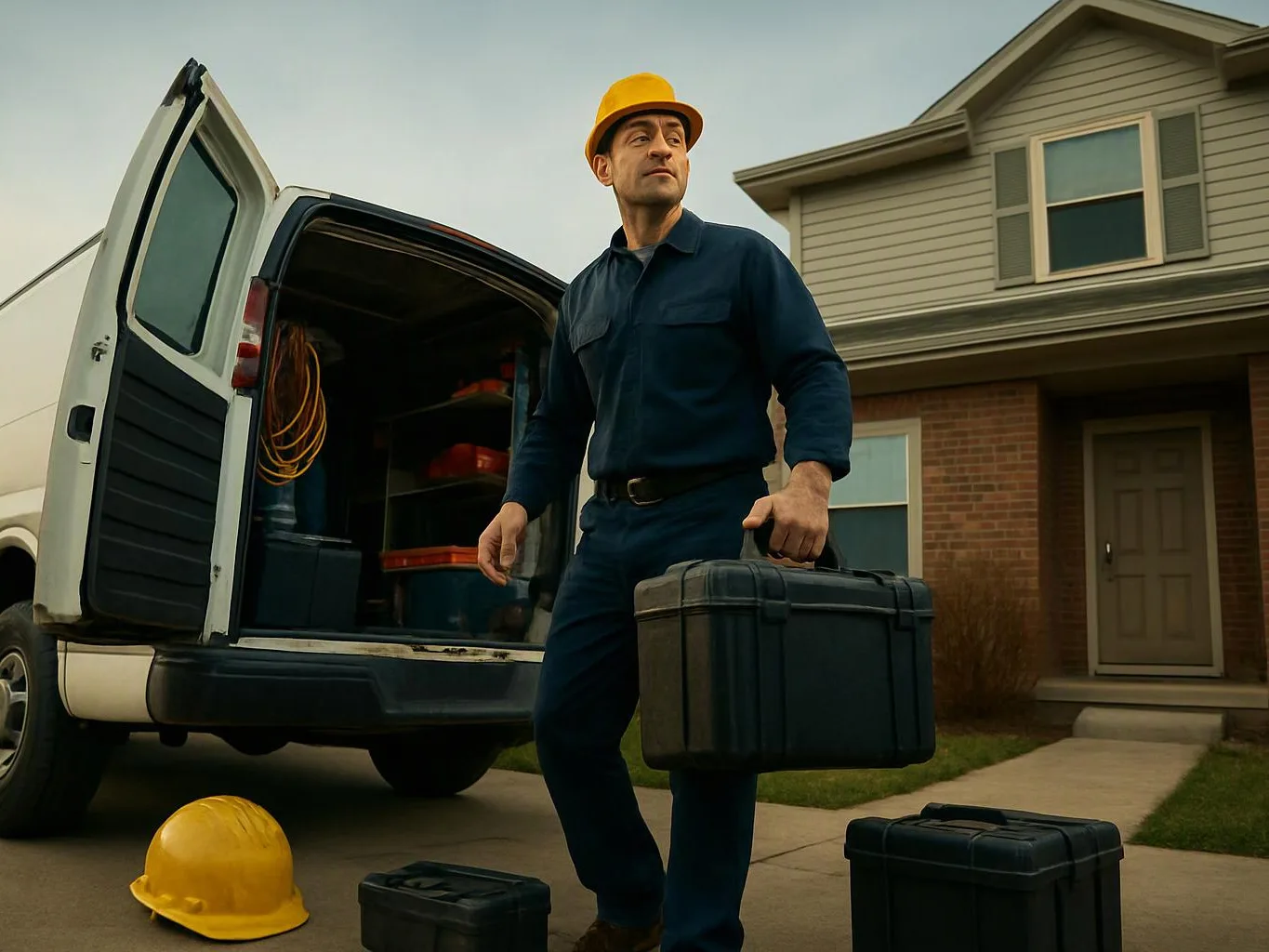
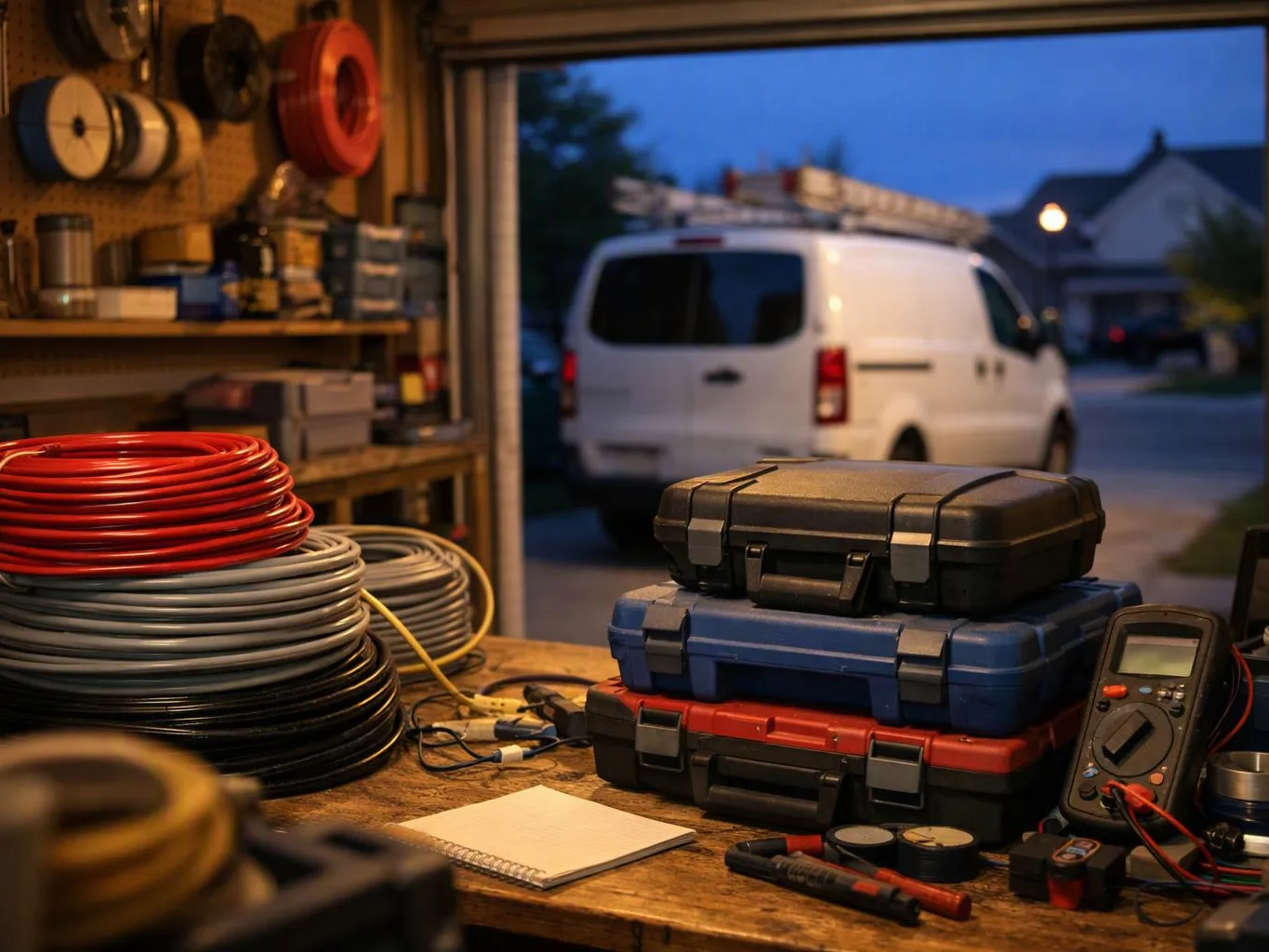
Coiled cables and tool cases sit on a workbench in a garage, with a white van parked outside at dusk

Service Overview

Carbon monoxide detector installation is a safety service that mounts a detector, connects its power source, and tests its alarm.

  • The work differs from general electrical troubleshooting because it focuses on detector power, placement, connection, and alarm operation.
  • Chris Miller Electric provides this service for homes and businesses in Grabill.

What the right detector power setup changes

A sealed battery model avoids adding a new electrical connection for the detector.

Hardwired power supports a fixed installation when the property has suitable wiring access.

Battery backup helps a hardwired detector continue working during a power interruption.

A plug-in model uses an existing receptacle when that location fits the detector and property.

Testing gives you a direct check that the alarm responds after installation.

Process

How we install and test the detector

1

Review the detector power choice

We discuss sealed battery, hardwired, battery backup, and plug-in options, then confirm which setup fits the property.

2

Check the installation point

We inspect the mounting surface, nearby receptacle, and accessible wiring before placing or connecting the detector.

3

Connect and secure the detector

We install the selected power setup and secure the detector so it stays in the planned location.

4

Test the alarm function

We test the detector after installation and explain the basic signs of power or alarm trouble.

How we approach detector power choices

Match power to the property

The power source should fit the wiring, outlet access, and detector location. We compare those points before installation, so the selected setup suits the space.

Check the electrical connection

Hardwired and plug-in models need a sound electrical connection. We inspect the accessible connection and test the detector after setup.

Know when another service fits

Detector installation is the wrong job when the property has an active carbon monoxide alarm or suspected gas source. Leave the area and contact emergency services or the fuel supplier first.

What the detector installation includes

Chris Miller Electric provides comprehensive Carbon Monoxide Detector Installation in Grabill. Here's what you get:

  • We review the detector location and the available power method.
  • We mount the carbon monoxide detector securely on the approved surface.
  • We connect hardwired, battery, or plug-in power as the selected setup requires.
  • We check accessible wiring and receptacles when the installation uses electrical power.
  • We test the alarm and confirm that the detector operates after installation.
  • We explain the installed setup and any follow-up electrical work that the property may need.

Detector power choices for this installation

These options differ in how they receive power and what the property must provide.

Power optionConnection neededMain fit consideration
Sealed batteryNo connection to property wiringUseful when new wiring is not part of the job
Hardwired powerAccessible electrical wiringFits a fixed detector setup with suitable circuit access
Battery backupHardwired connection plus backup batterySupports detector operation during a power interruption
Plug-in modelAccessible, suitable receptacleFits locations where an existing outlet meets the need

The Chris Miller Electric Standard

  • Around-The-Clock Assistance
  • Residential And Commercial
  • Issue Diagnosis
  • Urgent Care

Questions about detector power and installation

What power options are available for carbon monoxide detectors?

Sealed battery, hardwired power, battery backup, and plug-in models are available for carbon monoxide detectors. Sealed battery units avoid a wiring connection. Hardwired units connect to the electrical system, while battery backup supports operation during power loss. Plug-in models use an existing receptacle. We match the choice to the property and test the detector after installation.

What does the crew look at first during detector installation?

The installation point is checked first for mounting access, nearby power, and safe wiring conditions. We then confirm the detector type and power method. Hardwired work needs accessible electrical wiring, while plug-in work needs a suitable receptacle. The final check confirms that the detector is secure and its alarm operates.

What happens at each stage of detector installation?

The process starts with a power review, followed by an installation-point check, connection, mounting, and alarm testing. We explain the selected setup before connecting the detector. The final discussion covers basic power and alarm signs, so you know what the installed unit is doing.

Which part of this job changes the quote?

The power method, wiring access, receptacle condition, mounting surface, and needed repairs change the quote. A sealed battery unit may need no new wiring. A hardwired or plug-in setup requires a suitable electrical connection. We review those conditions and provide a project-specific estimate.

When should a detector power issue be treated as urgent?

A suspected carbon monoxide release is urgent, especially when an alarm sounds or people feel unwell. Leave the property and contact emergency services or the fuel supplier first. Electrical issues such as a burning smell, buzzing panel, or sparking outlet also need urgent attention. We handle the electrical inspection after immediate safety steps are complete.

Why would a hardwired detector need battery backup?

A hardwired detector needs battery backup when continued alarm operation matters during a power interruption. The electrical connection supplies normal power, and the backup battery supports the detector when that supply stops. We check the connection and test the alarm after installation.

How should a business prepare for detector installation?

The business should identify the work area, access limits, existing detector type, and any power concern before scheduling. We use that information to review receptacles, wiring access, and mounting surfaces. A manager can also point out areas that must remain accessible during business operations.
Contact

Request a carbon monoxide detector installation quote in Grabill

Tell Chris Miller Electric which power option you’re considering and what the property needs; urgent requests get priority scheduling.

A black cable plugs into a dark rectangular port on a gray device panel

ZIP Codes We Serve in Grabill, Indiana

46741

Carbon Monoxide Detector Installation in Other Areas

(260) 305-8344