Skip to content

Carbon Monoxide Detector Installation in New Haven, Indiana

A sensor malfunction in New Haven needs a clear cause before detector replacement. We check the warning, the power source, and nearby combustion risks.

Licensed & InsuredWarranty AvailableSame-Day ServiceUpfront, Transparent Pricing

Quick Summary: Carbon Monoxide Detector Installation in New Haven, Indiana

Carbon Monoxide Detector Installation in New Haven is provided by Chris Miller Electric for homes and businesses. The service covers detector setup, sensor checks, power checks, and safe placement across Fort Wayne and surrounding Allen County communities, with licensed and insured electricians.

  • What we do: Chris Miller Electric provides Carbon Monoxide Detector Installation for homes and businesses in New Haven, Indiana.
  • What is included: We check detector sensors, battery power, fuel-burning equipment, ventilation, wiring, and alarm operation.
  • What you get: The property receives a working carbon monoxide detection setup with the cause of any alarm explained.

What causes a carbon monoxide detector to alarm unexpectedly?

A sensor malfunction, fuel combustion, low battery, or poor ventilation can cause an unexpected alarm. We check each cause before recommending detector replacement or installation. Leave the property if an alarm continues or anyone feels ill, then contact emergency services before electrical work.

Carbon Monoxide Detector Installation in New Haven

Carbon monoxide detector installation gives a home or business a way to detect a dangerous gas that people cannot see or smell. The job focuses on the detector, its power source, the room layout, and nearby fuel-burning equipment.

Customers who hear an unexpected alarm need a cause-based check, not a guess. We inspect for a sensor malfunction, low battery, poor ventilation, or carbon monoxide linked to fuel combustion. If the alarm points to an active hazard, leave the property and contact emergency services before we address the electrical work.

This page helps buyers decide whether they need new detectors, replacement units, or a broader electrical inspection. The work does not repair a furnace, water heater, or other fuel appliance.

  • Check the detector and its alarm history.
  • Test battery power, wiring, and the alarm function.
  • Look for nearby fuel-burning equipment and blocked airflow.
  • Separate detector replacement from appliance repair or emergency response.
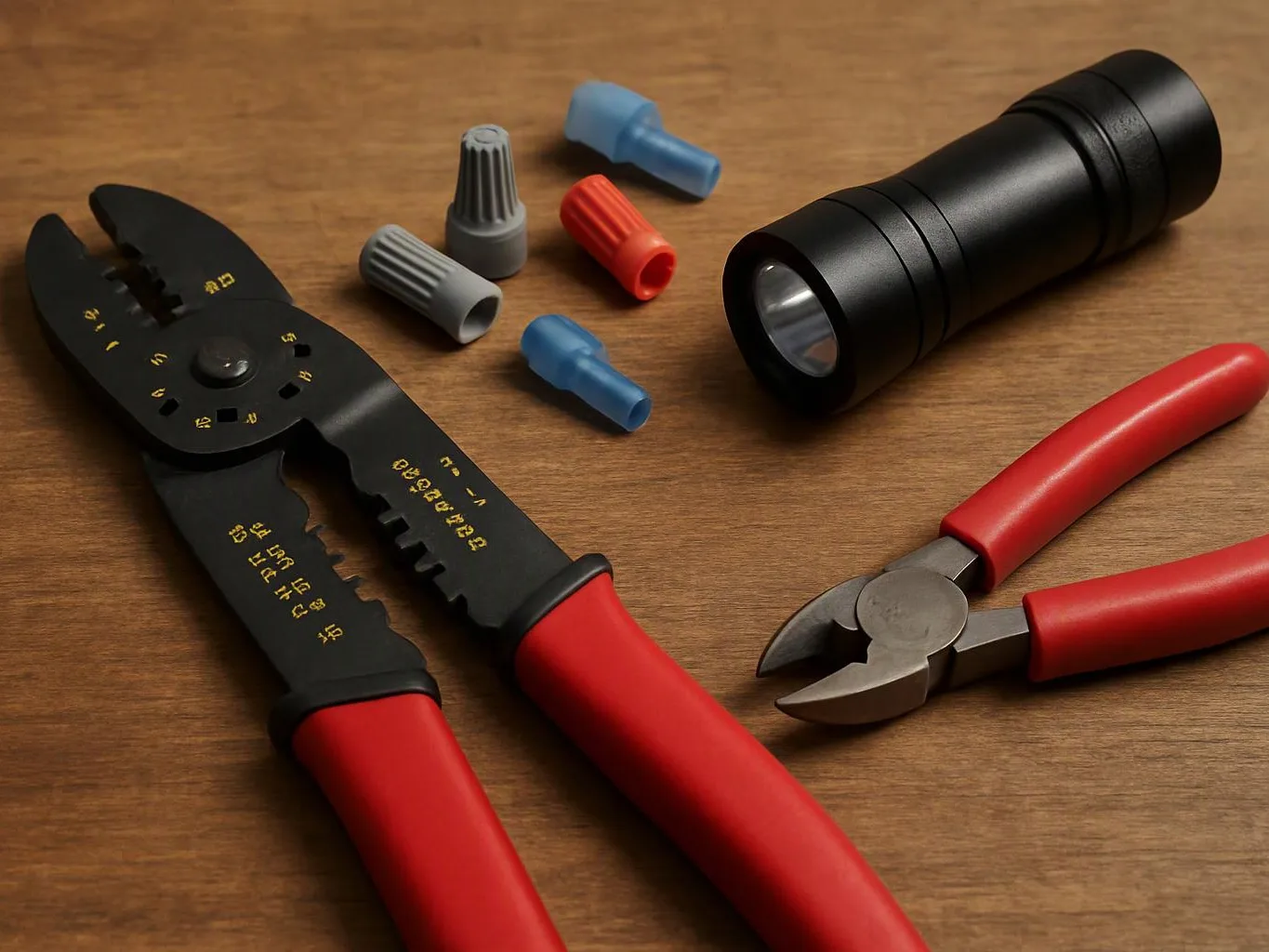
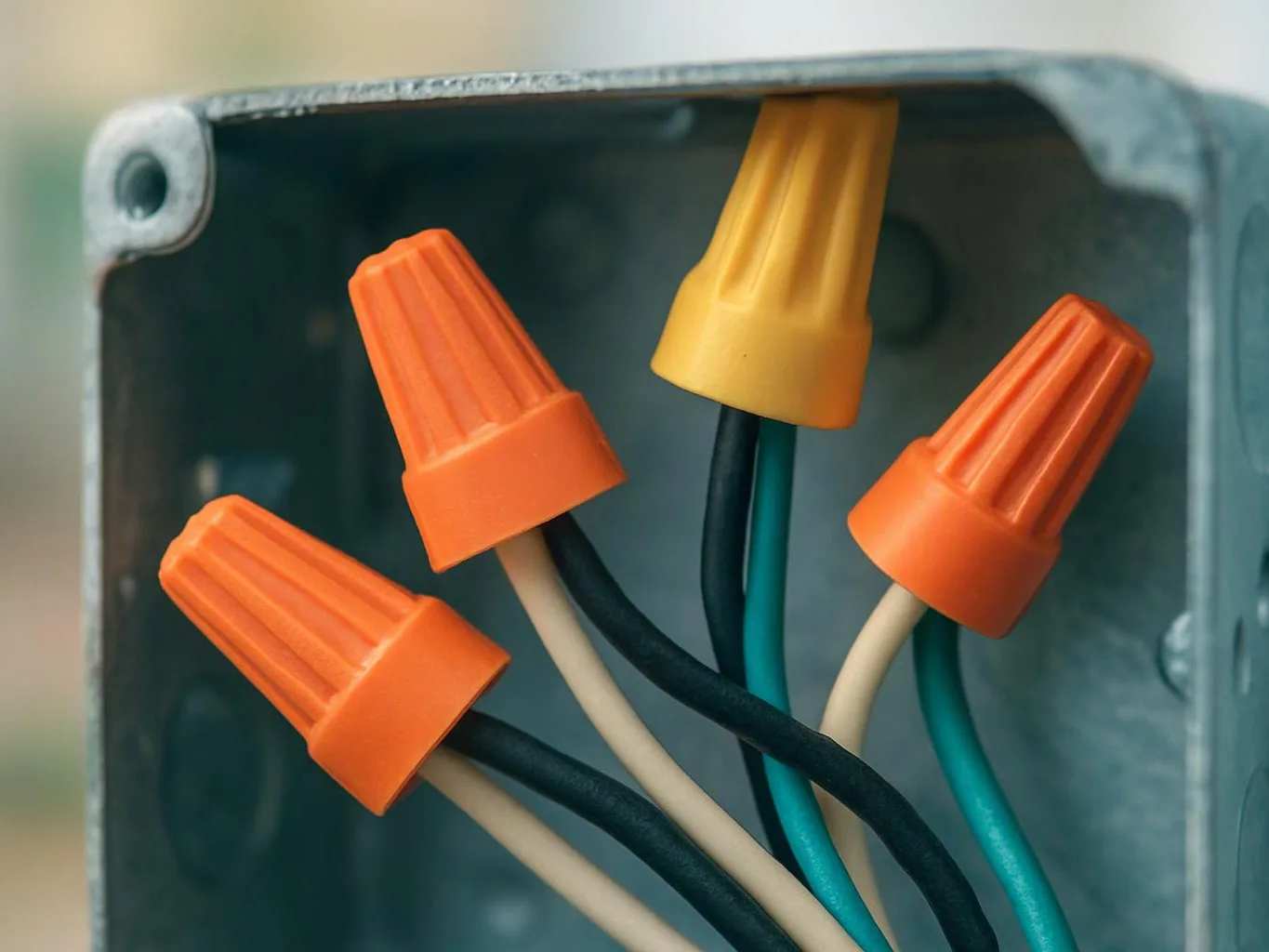
Colored wire nuts connect several electrical wires inside a metal junction box

Service Overview

Carbon monoxide detector installation is an electrical safety service that places, connects, tests, and explains detectors for a property.

  • The work differs from general electrical troubleshooting because it focuses on carbon monoxide detection, alarm behavior, power, and sensor operation.
  • Chris Miller Electric provides this service for homes and businesses in New Haven and surrounding Allen County communities.
Process

How we complete carbon monoxide detector installation

1

Review the alarm concern

We ask what the detector did, when it alarmed, and whether anyone felt ill. Customers should leave the property and contact emergency services if an alarm continues.

2

Inspect the detector and power

We check the sensor, battery, wiring, connection point, and alarm behavior. This step helps separate a detector fault from a broader electrical issue.

3

Check nearby combustion risks

We look for fuel-burning equipment and visible ventilation concerns near the detector location. Appliance repair remains a separate service when equipment causes the issue.

4

Install or replace the detector

We set the detector in the planned location and connect it to the available power source when required.

5

Test and explain the unit

We test the alarm function and explain the warning sounds, battery needs, and conditions that require urgent action.

What to weigh before choosing detector installation

Cause before replacement

Customers get a check of the alarm, battery, wiring, ventilation, and nearby fuel-burning equipment before we set the work scope. This service is the wrong job when a furnace, water heater, or other appliance needs mechanical repair.

Electrical fit and testing

We match the detector setup to the available power and connection points. Customers receive testing and a plain explanation of what the alarm indicates.

Home and business coverage

Residential and commercial properties can request detector installation, replacement, or an electrical inspection when alarm behavior raises concern.

What carbon monoxide detector installation includes

Chris Miller Electric provides comprehensive Carbon Monoxide Detector Installation in New Haven. Here's what you get:

  • We inspect the planned detector locations and the available power source.
  • We check batteries, wiring, connections, and the detector alarm function.
  • We install the detector and secure its connection to the property’s electrical system when required.
  • We test the installed unit and explain its warning signals.
  • We note conditions such as poor ventilation or nearby fuel combustion that may need separate attention.

What this detector work changes for your property

A working detector gives occupants an audible warning when the unit senses carbon monoxide.

Testing helps separate a real alarm from a low battery or sensor fault.

A clear check can show whether the property needs detector work or appliance service.

Homeowners and businesses receive a practical explanation of the installed unit and its alarm behavior.

Detector fault or appliance concern

This comparison helps customers choose the right next service when a detector gives a warning.

ConcernWhat we checkNext service decision
Sensor or battery faultDetector, battery, wiring, and alarm patternInstallation, replacement, or electrical inspection
Fuel combustion concernNearby fuel-burning equipment and visible conditionsEmergency action first, then separate appliance service
Poor ventilation concernVisible airflow limits near the detectorDetector work plus separate ventilation or appliance review

The Chris Miller Electric Standard

  • Around-The-Clock Assistance
  • Residential And Commercial
  • Issue Diagnosis
  • Urgent Care

Questions about carbon monoxide detector installation

How does a detector installation visit move from the first call to the last step?

The visit moves from the alarm concern to inspection, installation or replacement, testing, and an operating explanation. We first review the alarm pattern and property access. Customers then receive a scope based on the detector, power source, wiring, and nearby combustion concerns. Appliance repairs remain separate.

Which part of the property decides the installation scope?

The detector location and available power source decide much of the installation scope. Room access, wiring, connection points, nearby fuel-burning equipment, and ventilation also matter. We inspect these conditions before quoting the work. Customers should share any alarm history and recent electrical changes.

How can a customer tell whether detector installation fits the property?

Detector installation fits a property that needs new detection, replacement units, or a tested electrical connection. We assess the alarm concern, detector condition, power source, and room access. A furnace or water heater fault needs separate appliance service. An active alarm requires emergency action before installation planning.

When should a customer request detector replacement?

Detector replacement makes sense when testing finds a failed sensor, damaged unit, unreliable alarm, or unsuitable power connection. We check the unit before recommending replacement. Customers should not silence repeated alarms or remove a battery without addressing the warning. New detectors also need a final function test.

Why does a detector chirp without a full alarm?

A chirp often points to low battery power, a fault signal, or an aging detector. We test the battery, connection, and alarm pattern to identify the cause. Customers should keep the detector active and follow its warning instructions. Repeated or full alarms need prompt safety action.

What should a customer do before electrical detector work?

Customers should note the alarm pattern, keep people away from an active alarm, and avoid disabling the detector. Leave the property when an alarm continues or anyone feels ill. Emergency services should address immediate danger first. Afterward, we can inspect the detector, power, wiring, and installation location.
Contact

Request a Carbon Monoxide Detector Installation Quote in New Haven

Get a clear detector scope and quote for your property, and urgent requests get priority scheduling.

A clean laundry room shows white cabinets, a sink, folded towels, a tablet, and a bright window

ZIP Codes We Serve in New Haven, Indiana

46774

Carbon Monoxide Detector Installation in Other Areas

(260) 305-8344