Skip to content

Electrical Troubleshooting in New Haven, Indiana

Voltage drops need a careful check in New Haven before you choose repair or replacement. We trace the affected circuit and test each connection.

Licensed & InsuredWarranty AvailableSame-Day ServiceUpfront, Transparent Pricing

Quick Summary: Electrical Fault Diagnosis in New Haven, Indiana

Electrical Troubleshooting in New Haven is handled by Chris Miller Electric for homes and businesses across Fort Wayne, Allen County, and surrounding communities. The work covers circuit tracing, connection testing, wiring concerns, and intermittent power faults.

  • What we do: Chris Miller Electric provides Electrical Troubleshooting for New Haven, Indiana, including circuit tracing, connection testing, and fault checks.
  • What is included: We inspect circuits, test connections, check terminals, identify wire corrosion, and explain repair options.
  • What you get: Electrical Troubleshooting leaves you with a diagnosed fault and a clear decision about repair, replacement, or further testing.

Why do voltage drops keep returning during electrical troubleshooting?

Voltage drops often return when a loose terminal, damaged wire, or failing connection remains in the circuit. We test the circuit under its normal load and log when the fault appears. That record helps us compare symptoms with test results and set the repair scope.

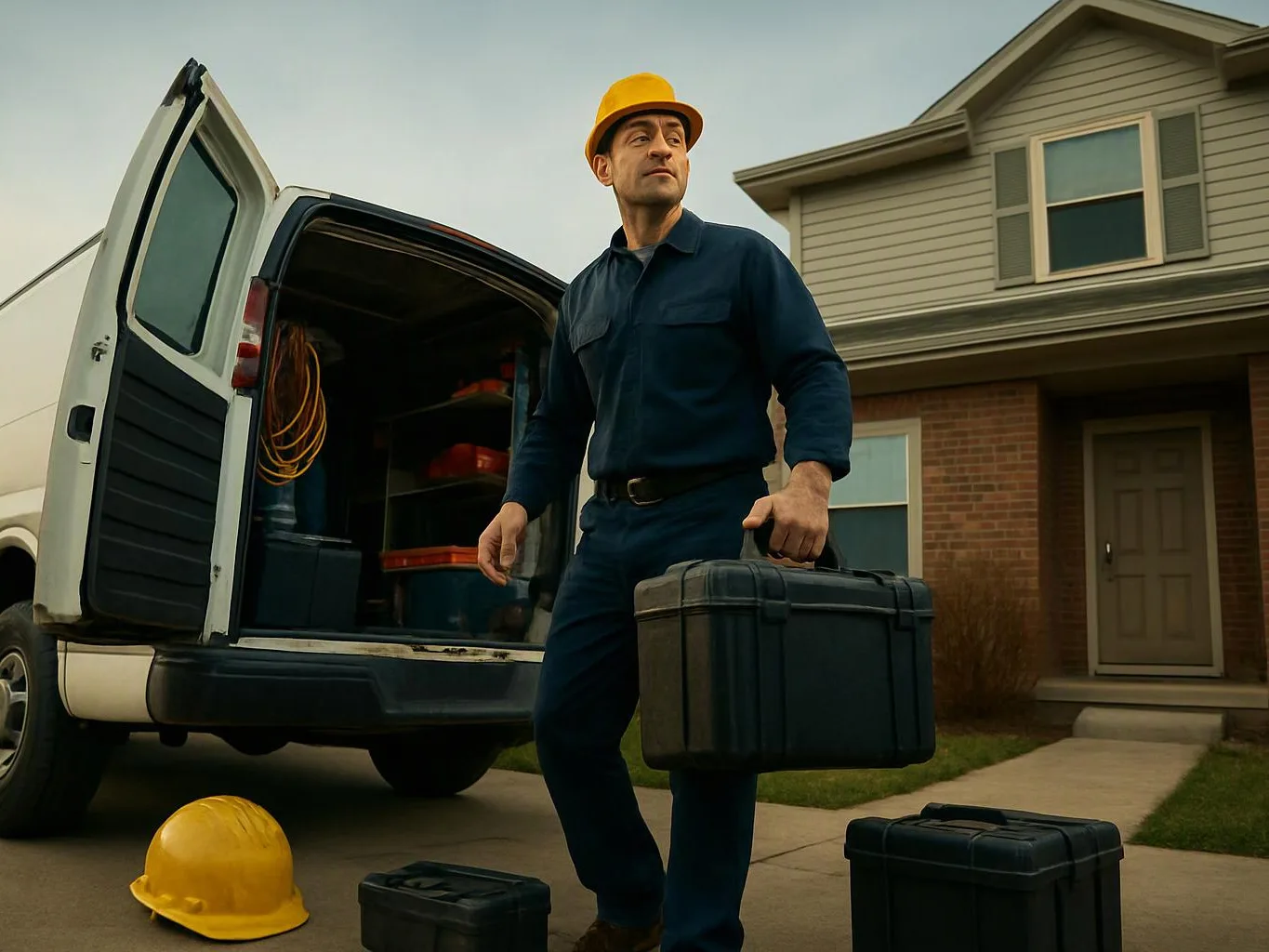
Electrical Troubleshooting for New Haven Power Faults

Electrical Troubleshooting focuses on the cause behind an unstable circuit, not just the visible symptom. Customers call when lights flicker, outlets go dead, breakers trip, or power returns without a clear reason.

The key decision is whether the fault needs a connection repair, wiring work, breaker replacement, or a larger electrical upgrade. We inspect the affected path and explain what the findings support.

Intermittent faults deserve careful attention because they can disappear before testing begins. Fault logging helps us compare when the problem occurs with the circuit load and connection test results.

  • Describe which lights, outlets, or appliances lose power.
  • Note whether the breaker trips or resets by itself.
  • Share when the fault appears and what was running.
  • Keep access open to the panel, affected outlets, and switches.
  • Stop using an outlet with heat, sparks, smoke, or a burning smell.
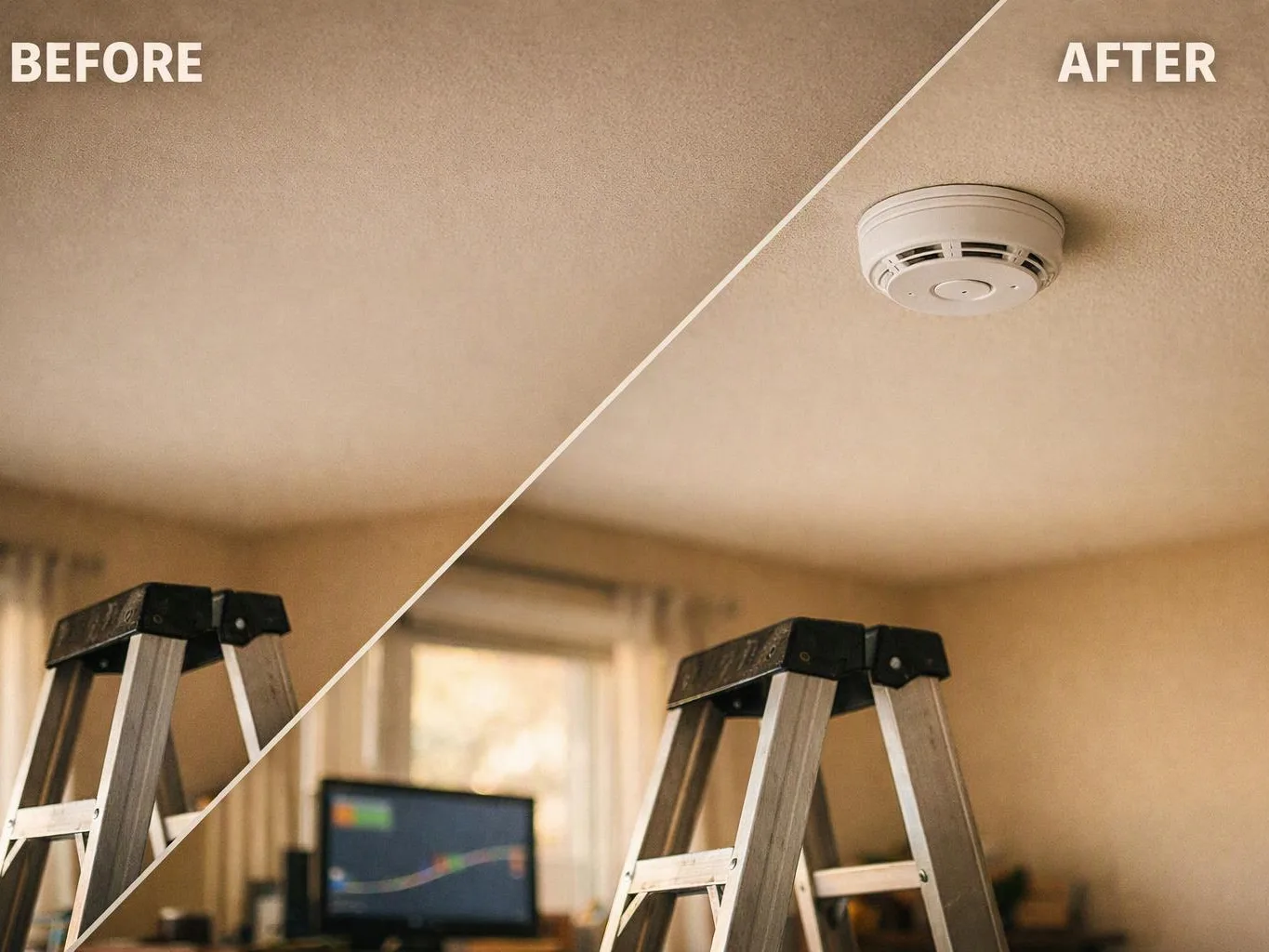
Split before-and-after room ceiling view, with a ladder below and a smoke detector added on the right

Service Overview

Electrical Troubleshooting is a diagnostic service that finds faults in circuits, wiring, outlets, panels, and connections.

  • Unlike an installation, this work starts with symptoms and testing before we choose a repair.
  • Chris Miller Electric provides this service for homes and businesses in New Haven and surrounding Allen County communities.

What Electrical Troubleshooting Includes

Chris Miller Electric provides comprehensive Electrical Troubleshooting in New Haven. Here's what you get:

  • We inspect the panel, breakers, switches, outlets, and visible wiring tied to the reported fault.
  • We trace the affected circuit to identify where power changes or stops.
  • We test connections and check terminals for looseness, heat damage, or corrosion.
  • We record intermittent symptoms when the fault does not appear during the first check.
  • We explain whether the next step involves a repair, replacement, rewiring, or another inspection.
Process

How We Diagnose Intermittent Electrical Problems

1

Record the reported symptom

We ask what loses power, when it happens, and which lights, outlets, or equipment are involved.

2

Inspect the affected circuit

We check the panel, breaker, outlets, switches, visible wiring, and accessible connection points tied to the symptom.

3

Trace the circuit path

Circuit tracing helps us follow power through the affected area and locate where the fault may begin.

4

Test terminals and connections

We check for loose terminals, wire corrosion, heat damage, and unstable contact at key connection points.

5

State the repair in plain words

We explain the findings and identify whether the next step is a repair, replacement, rewiring, or added testing.

How We Approach Electrical Faults

Test before setting repair scope

Customers get a diagnosis before we set the repair scope. We check the circuit path, connection points, and panel equipment so the recommendation matches the fault.

Track faults that come and go

Intermittent problems need more than a quick reset. We note the reported pattern, compare it with testing, and use fault logging when the symptom is not present at first.

Know when another service fits

Electrical Troubleshooting is the wrong starting point when the issue is a planned new circuit or room renovation with no fault to diagnose. Those needs may call for wiring, rewiring, or an installation service.

A situation this service fits

A homeowner notices lights dim when a large appliance starts, then the circuit works normally again. We check the panel and circuit connections, test for a voltage change, and inspect terminals for heat or corrosion. If testing finds damaged wiring, we explain the repair scope before work proceeds.

What This Electrical Diagnosis Helps You Decide

You get a clearer reason for repeated trips, flickering lights, or dead outlets.

Testing helps separate a local connection problem from a wider panel or wiring concern.

Fault logging gives us useful information when an intermittent issue does not appear on demand.

A clear diagnosis helps you weigh repair against replacement before work begins.

Urgent symptoms receive attention from licensed and insured electricians who focus on electrical safety.

Choosing the Right Electrical Service

The reported condition helps determine whether diagnosis, repair, or planned installation should come first.

Service choiceUse it whenWhat we focus on
Electrical troubleshootingAn existing circuit has an unexplained or recurring faultTesting, circuit tracing, connections, and fault location
Electrical repairThe damaged part or failed connection is knownRepair or replacement of the identified component
Electrical installationYou want planned new wiring, lighting, outlets, or equipmentDesign, wiring, installation, and testing for the new work

The Chris Miller Electric Standard

  • Around-The-Clock Assistance
  • Residential And Commercial
  • Issue Diagnosis
  • Urgent Care

Questions About Electrical Fault Diagnosis

How are intermittent electrical problems diagnosed?

Voltage drops are diagnosed by matching the reported symptom with circuit testing and fault logging. Chris Miller Electric checks the panel, terminals, connections, and affected outlets. We record when the issue appears and what was running, then compare those details with test results. This helps set a repair scope based on the fault.

What should be ready before electrical troubleshooting starts?

Access to the panel and affected outlets should be ready before testing starts. Keep a short note of when the issue happens, what equipment was running, and which areas lose power. Photos can help, but customers should not remove covers or handle damaged wiring. We use the information to guide the first inspection.

Which warning signs make an electrical fault urgent?

A burning smell, buzzing panel, sparking outlet, or warm switch plate makes an electrical fault urgent. Stop using the affected area and keep clear of damaged parts. Licensed and insured electricians can inspect the condition and isolate the concern. Repeatedly resetting a breaker can leave the underlying fault active.

Why does a breaker keep tripping after it is reset?

A breaker may keep tripping because the circuit has a fault, damaged wiring, a weak connection, or excess load. We inspect the breaker and trace the circuit before recommending a replacement. Customers should note what was running when the trip occurred. That detail helps connect the symptom to the tested circuit.

When should a customer request troubleshooting instead of a new installation?

Electrical troubleshooting fits an existing circuit with an unexplained fault, unstable power, or repeated failure. A new installation fits planned work with no reported failure, such as adding lighting or an outlet. We review the request and match the service to the property, circuit, and customer decision.

What should a customer ask before agreeing to electrical troubleshooting?

Customers should ask which circuit will be tested, what access is needed, and what findings would lead to repair or replacement. We explain the inspection and the expected repair scope before work proceeds. Ask how damaged wiring, loose terminals, or panel concerns will be handled if testing finds more than one issue.

Can electrical troubleshooting include panel and wiring concerns?

Yes, electrical troubleshooting can include panel, breaker, wiring, outlet, and switch concerns when they relate to the reported fault. We inspect the affected path and explain which repair matches the findings. A larger panel upgrade or full rewiring is separate work when testing shows that the existing system needs broader changes.
Contact

Request a Quote for Electrical Troubleshooting in New Haven

Tell Chris Miller Electric what the circuit is doing, and urgent requests get priority scheduling.

A man carries a box and toolbox toward a house while a woman stands in the doorway at sunset

ZIP Codes We Serve in New Haven, Indiana

46774

Electrical Troubleshooting in Other Areas

(260) 305-8344