How can an electrical inspection identify hidden hazards?
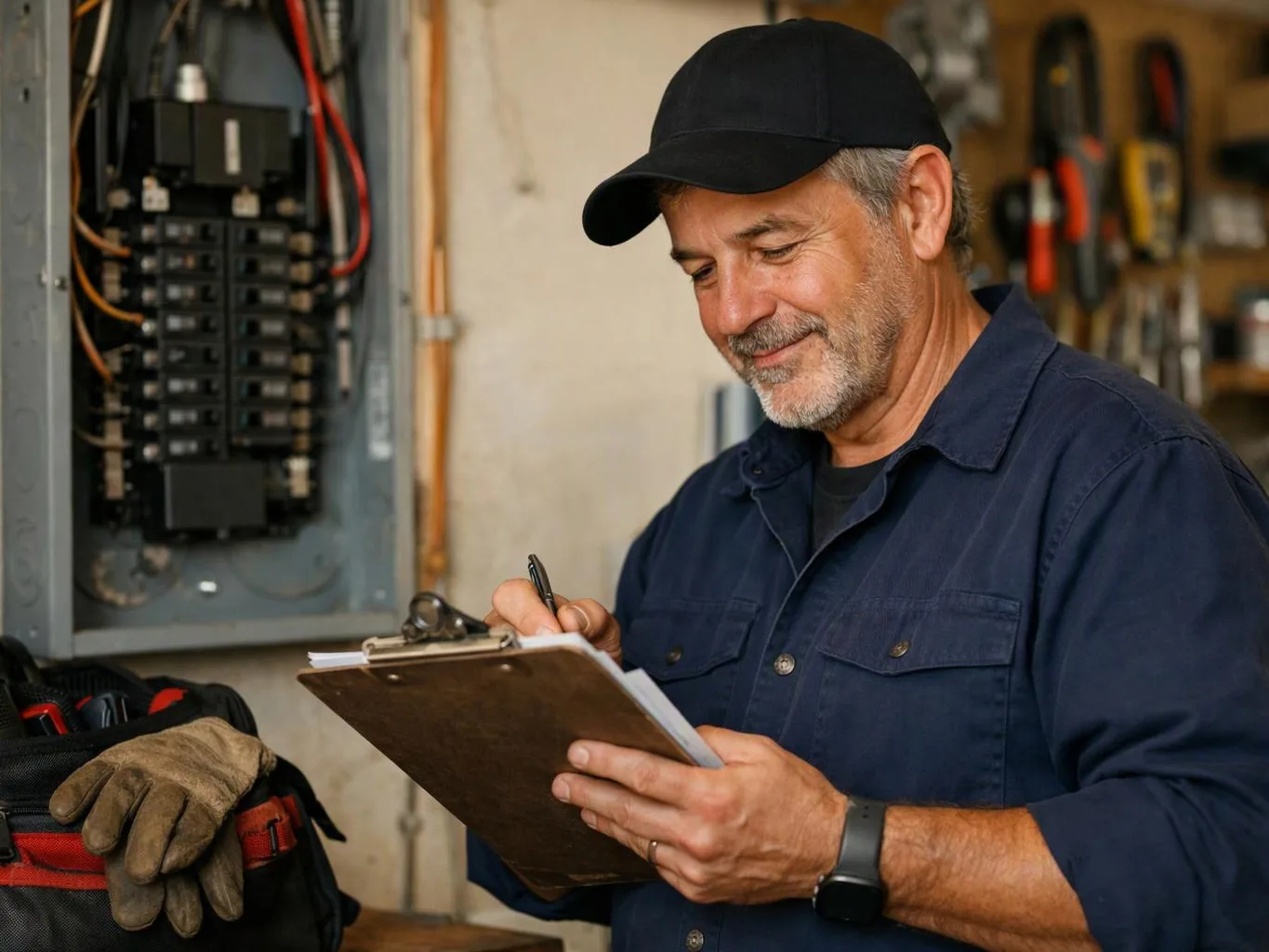
Improper grounding can reveal hidden hazards when testing shows a weak or missing path for fault current. Chris Miller Electric checks grounding, panel connections, circuit paths, insulation, and signs of heat damage. We then explain which finding needs repair and which condition can wait for planned work.
What happens from the first call to the last inspection step?
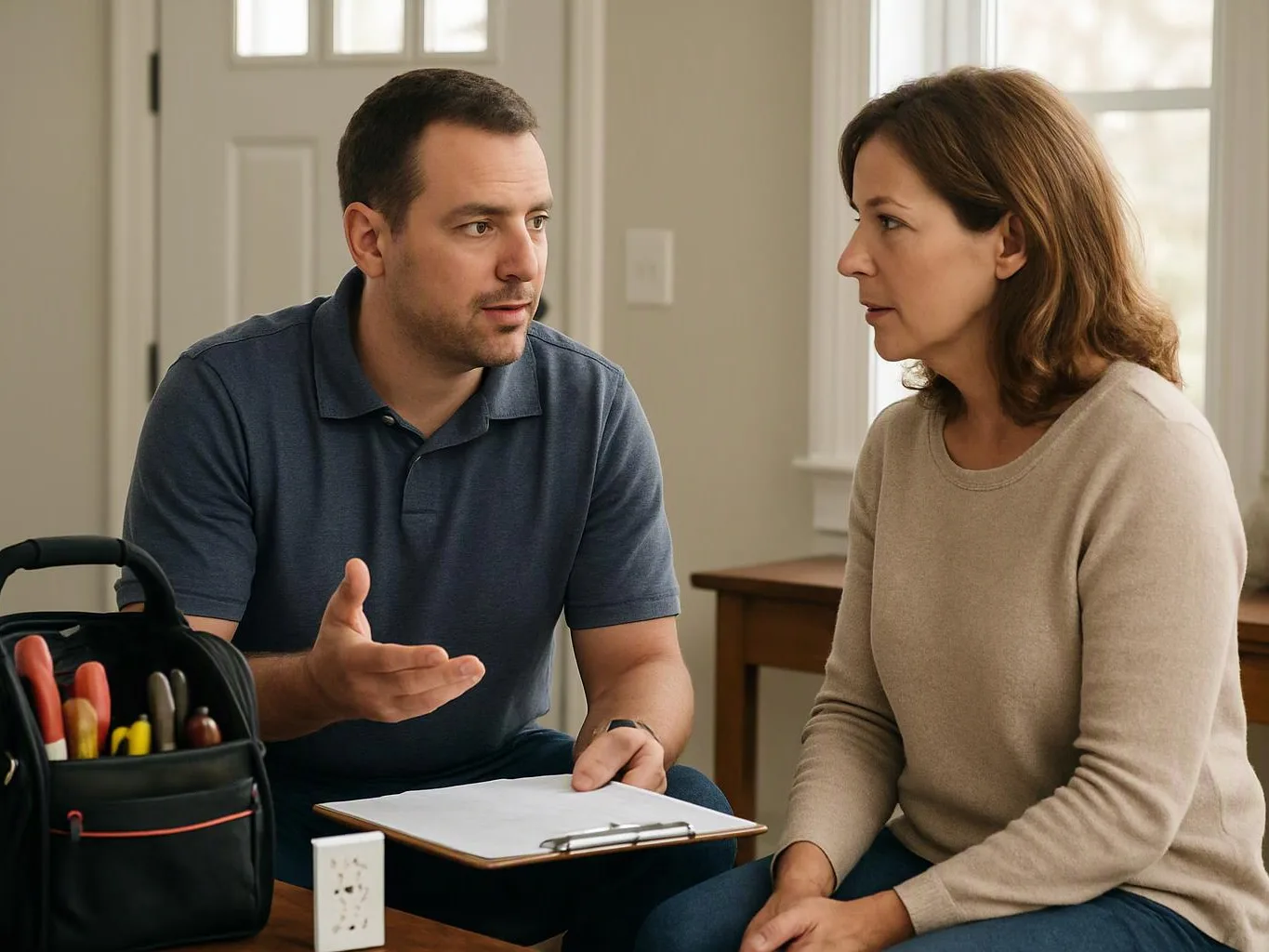
The inspection starts with your symptoms and ends with a written discussion of observed conditions and next steps. We review the concern, inspect the panel, trace affected circuits, check accessible wiring, and test relevant points. The final discussion separates repair needs from further testing or planned upgrades.
Which part of the property decides the inspection scope?
The affected circuit and the property’s electrical layout decide the inspection scope. A panel concern may require checks at breakers and service connections, while a dead outlet may require circuit tracing to related outlets and junction points. Access to wiring also affects what we can inspect directly.
When does an inspection fit a property concern?
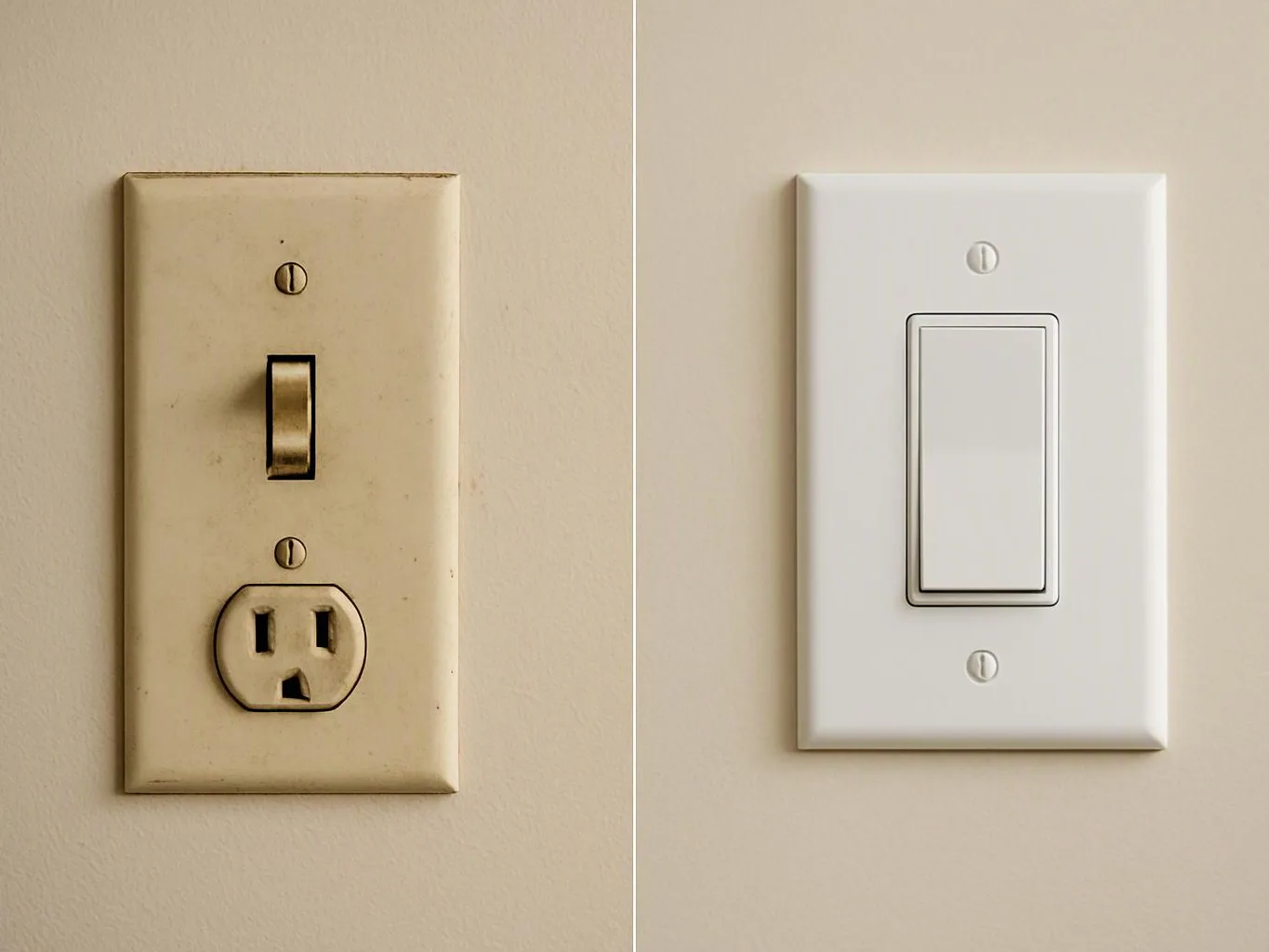
An inspection fits when you need a condition review before choosing repairs, upgrades, or a property decision. It also fits recurring flickering, dead outlets, warm switch plates, or breaker trips. Active smoke, sparking, or a burning smell calls for urgent electrical service instead.
Why might aluminum wiring need closer review?
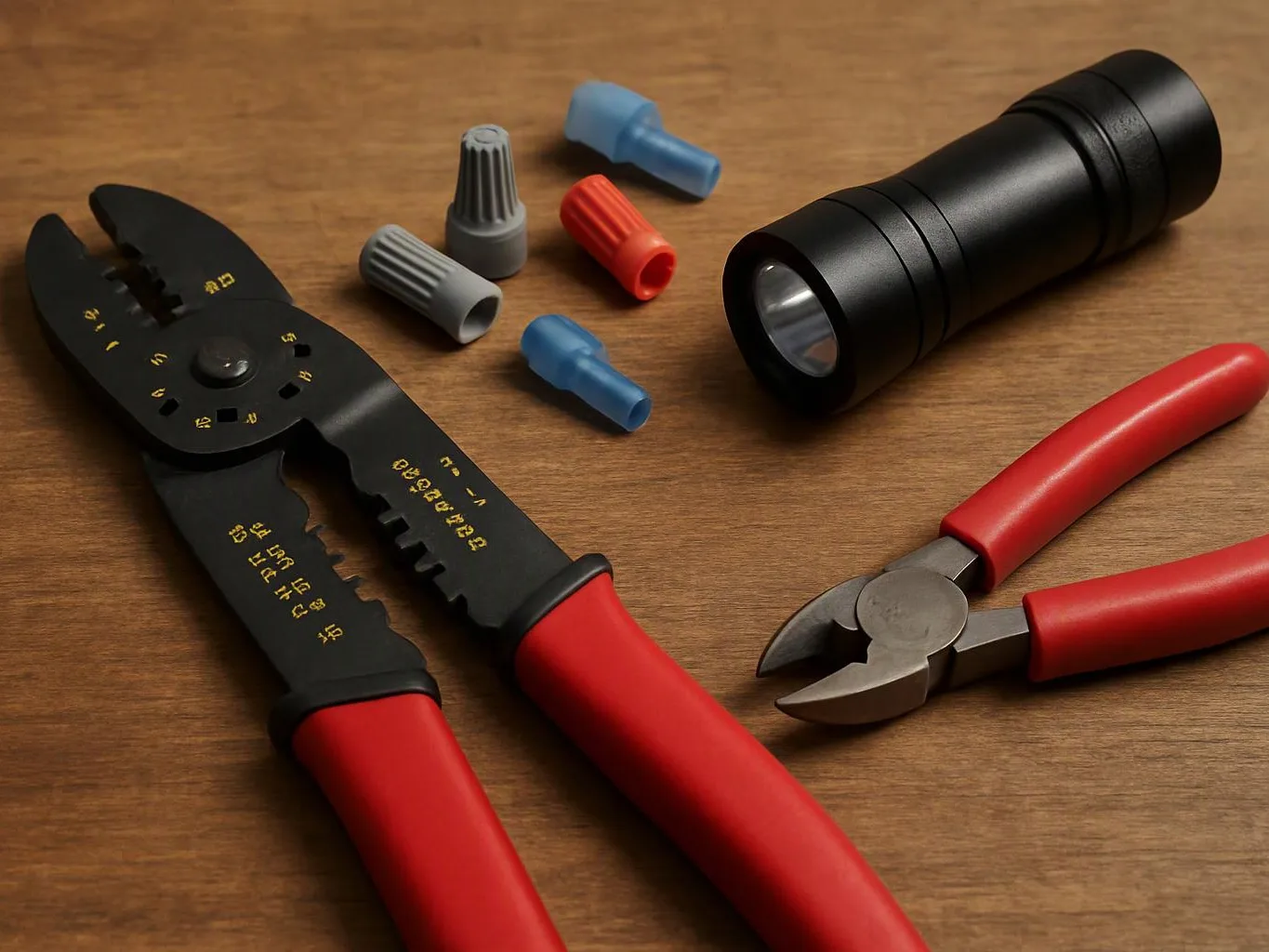
Aluminum wiring needs closer review because connections can develop heat or contact problems when parts are not matched and maintained correctly. We inspect accessible terminations, devices, insulation, and signs of overheating. Any repair plan depends on the wiring condition and the affected circuit.
How does the property owner receive repair guidance?
Repair guidance comes from the conditions found during inspection and testing. We explain the affected part, the safety concern, and whether the next step is repair, replacement, more access, or a panel upgrade. The recommendation stays tied to the observed electrical problem.
What should I do before the inspection visit?
The property owner should list recent symptoms, affected rooms, tripped breakers, and prior electrical work before the visit. Leave panels, outlets, and equipment areas accessible. Do not remove covers or handle damaged wiring, because exposed conductors and loose connections can create a shock or fire hazard.