What does a residential electrical inspection include?
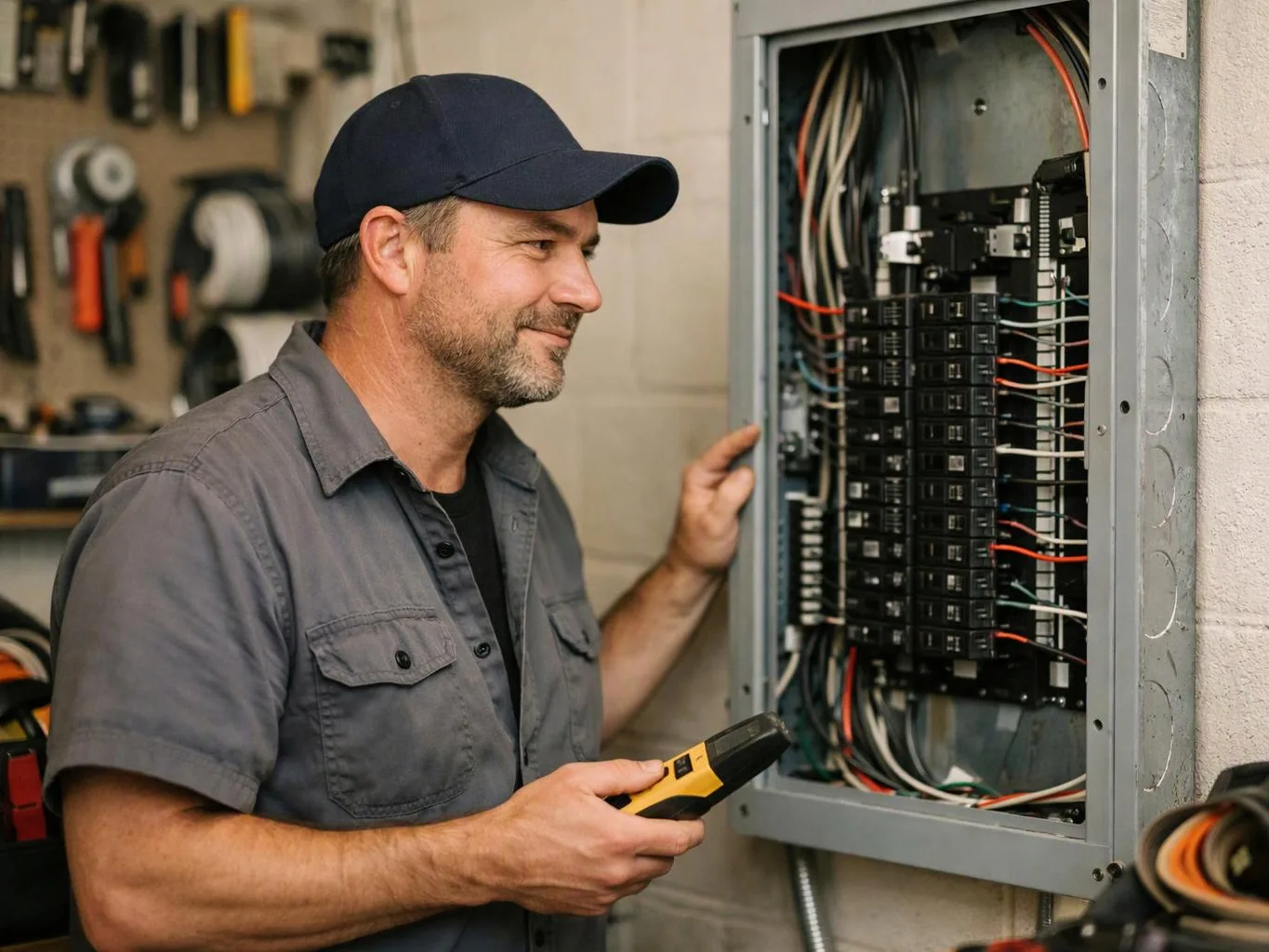
Panel inspection includes a review of the panel, breakers, accessible outlets, switches, wiring, grounding, and visible safety concerns. Chris Miller Electric also traces affected circuits when needed and explains which findings call for repair, more testing, or no immediate action.
How should I prepare before scheduling an inspection?
Property details, warning signs, and planned electrical work help set the inspection scope. Note which outlets or circuits have trouble, avoid opening electrical equipment yourself, and share photos only if they can be taken safely without removing covers.
Who is a good fit for an electrical inspection?
Homeowners, businesses, property managers, and buyers with electrical concerns are good fits for an electrical inspection. Our team checks accessible conditions and explains the next step. A confirmed repair or active electrical emergency needs repair service or urgent response instead.
What happens at each stage of the inspection?
The inspection starts with the property concern, moves through panel and circuit checks, and ends with a clear explanation of findings. We review the panel, test accessible outlets, assess wiring and grounding, then identify repair or further testing needs.
Which panel findings change the inspection scope?
Panel damage, heat marks, unclear circuit labels, repeated breaker trips, and planned new loads can change the inspection scope. We may trace circuits or review electrical demand when the panel must support added equipment.
Why do outlet problems need a wider review?
Outlet problems can come from the receptacle, a breaker, a loose connection, or upstream wiring. We test the outlet and trace the circuit so the visible symptom does not hide a wider electrical concern.
Can an inspection identify the need for a panel upgrade?
An inspection can identify conditions that support considering a panel upgrade, such as damage, limited capacity, or unsafe connections. We review the panel and planned electrical loads, then explain whether repair, replacement, or more testing fits the property.