What should I do before emergency electrical service arrives?
Water avoidance comes first when moisture reaches electrical parts. Keep people away, avoid wet switches and outlets, and do not open the panel. Chris Miller Electric needs the location of the water, affected circuits, and any smoke, heat, or buzzing reported before inspection.
How does an emergency electrical repair visit move from the first call to the last step?
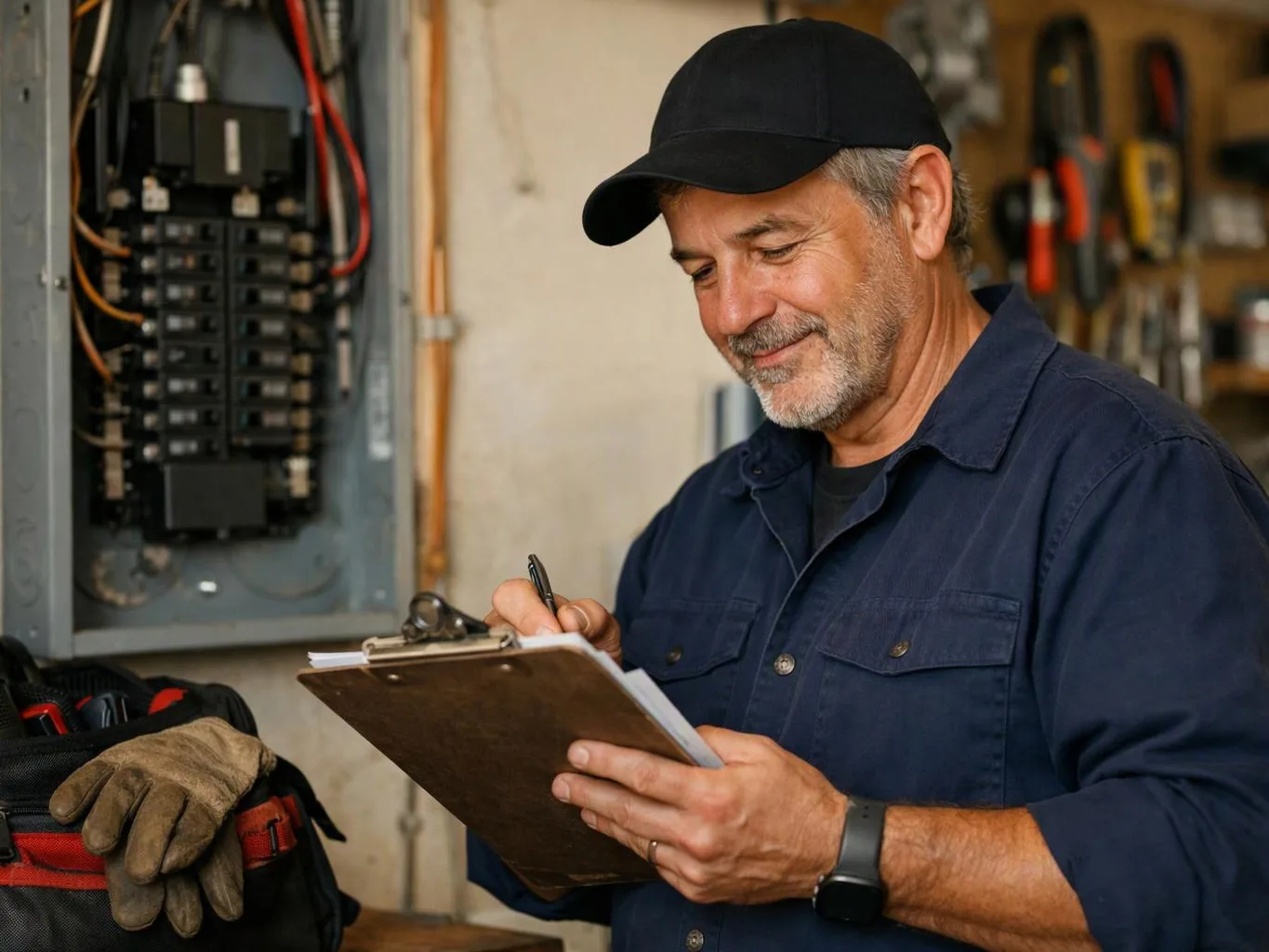
The visit starts with symptom details and ends with testing and a repair decision. We identify the affected circuit, isolate it when safe, inspect the panel and wiring, trace the fault, and explain the work completed or still needed.
Which part of the property decides the repair scope?
The affected circuit usually decides the repair scope. A single outlet may need a focused repair, while a panel fault, damaged feeder, or shared circuit can require wider testing. We inspect connected parts before recommending repair, replacement, or planned electrical work.
How can I tell whether emergency electrical repair fits my property?
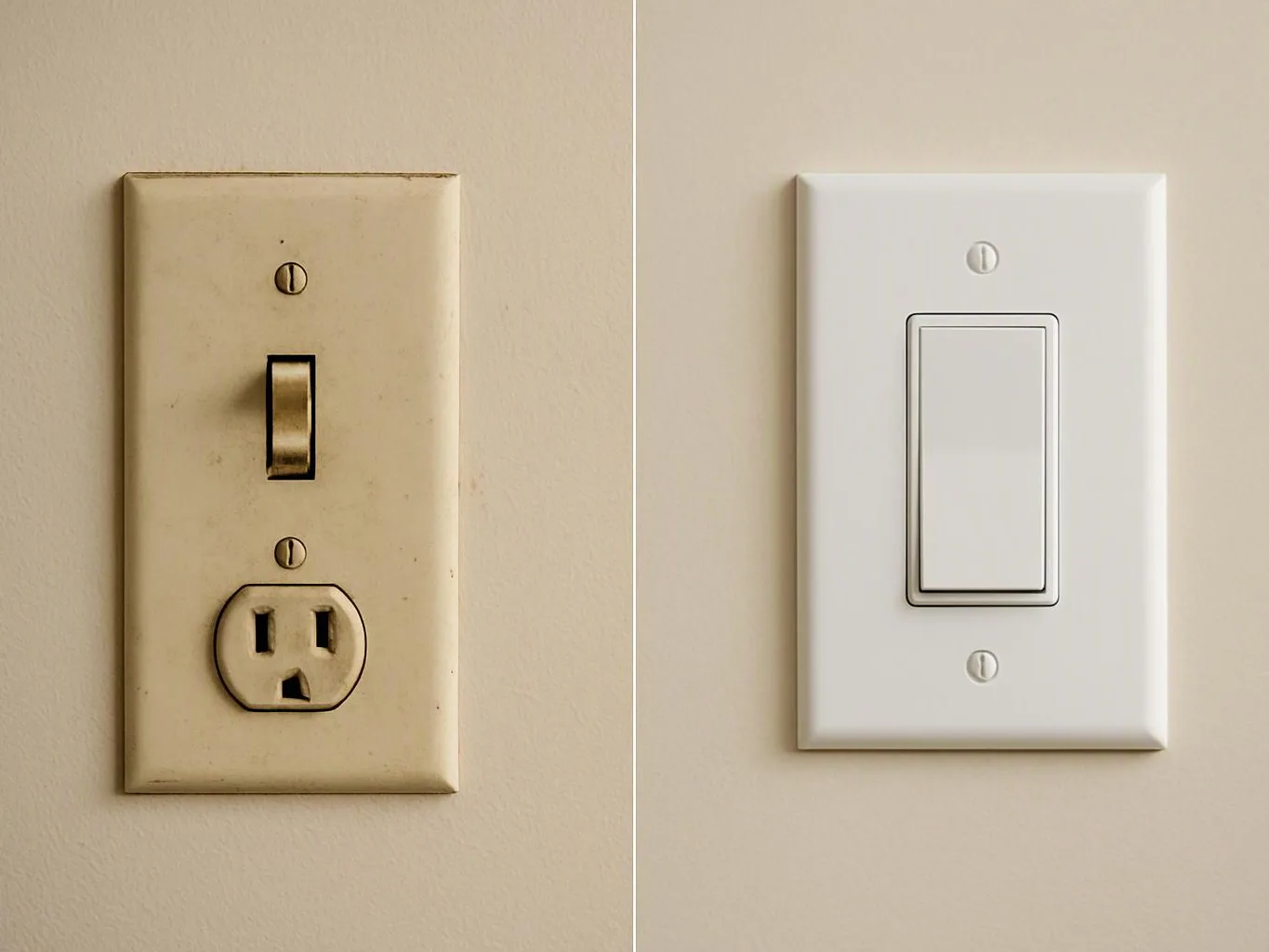
Emergency electrical repair fits when an active electrical fault affects safety, power, or normal use. Flickering lights, dead outlets, repeated breaker trips, sparking, burning smells, and buzzing panels all justify an inspection. Planned lighting, rewiring, or renovation work belongs in a scheduled project.
What information should I share when requesting urgent electrical service?
The affected room, electrical symptom, breaker position, and recent changes help us assess the request. Mention water, smoke, heat, sparks, damaged cords, appliances, and any loss of power. Photos can help when they are taken from a dry, safe location.
Can the main breaker be turned off before the electrician arrives?
The main breaker should only be turned off when the panel and surrounding area are dry and safe to reach. Do not touch a wet, hot, sparking, or smoking panel. Tell us what happened and keep clear while we assess the system.
Why might an appliance be part of an electrical repair?
An appliance can trip a breaker or create a fault that appears to come from the wiring. Unplug it only when the plug and area are dry and safe. We check the appliance connection, outlet, branch circuit, and breaker before assigning the cause.