Questions about GFCI outlet work
Which part of the property decides the outlet installation scope?
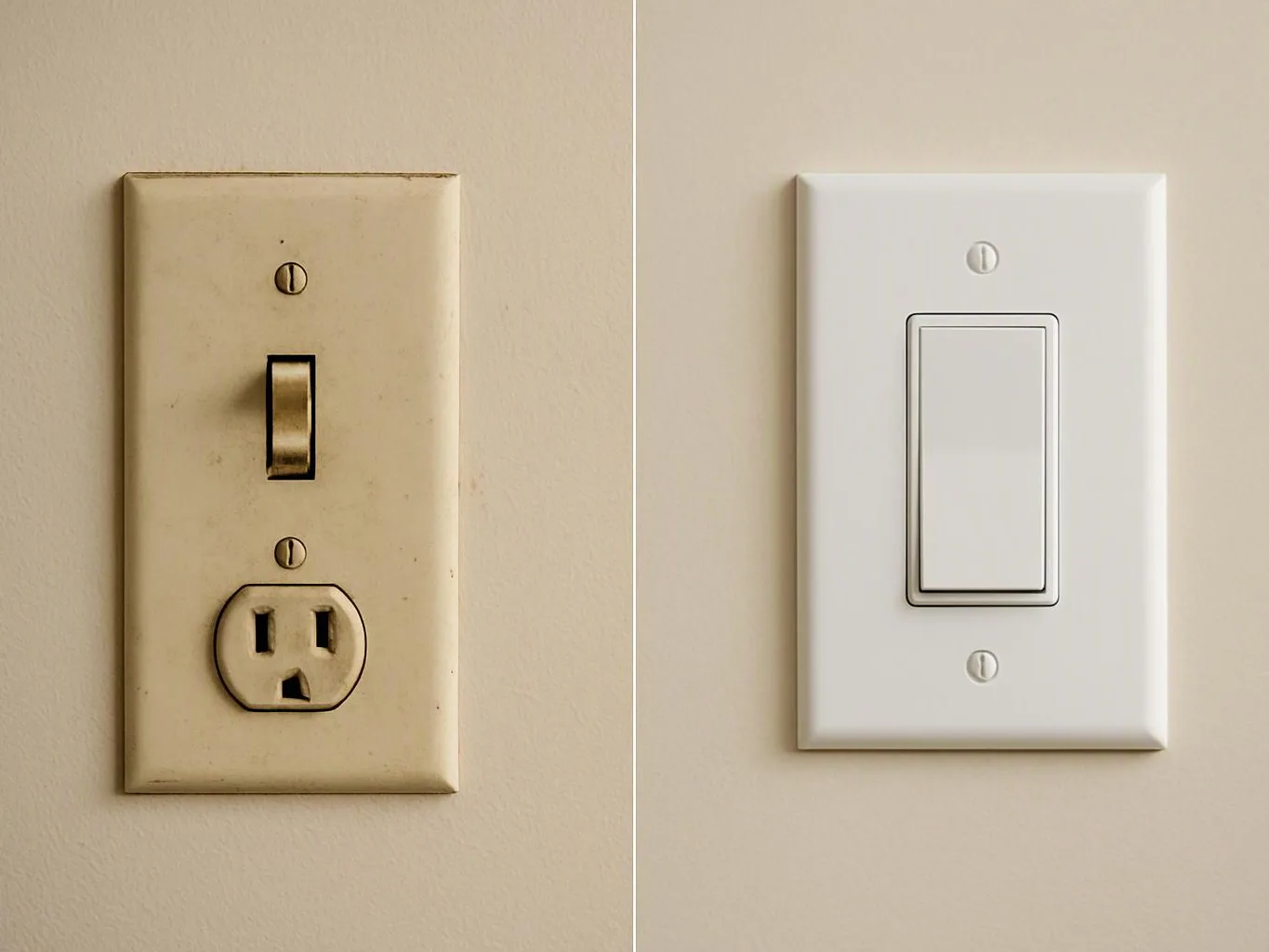
The property area, circuit layout, and outlet condition decide the installation scope. A bathroom, kitchen counter, garage, utility area, or exterior wall may have different access and moisture concerns. We inspect the box, conductors, grounding, and cover before choosing the work. The assessment also identifies panel or wiring issues that outlet work alone will not fix.
How does a GFCI outlet visit move from the first call to the last step?
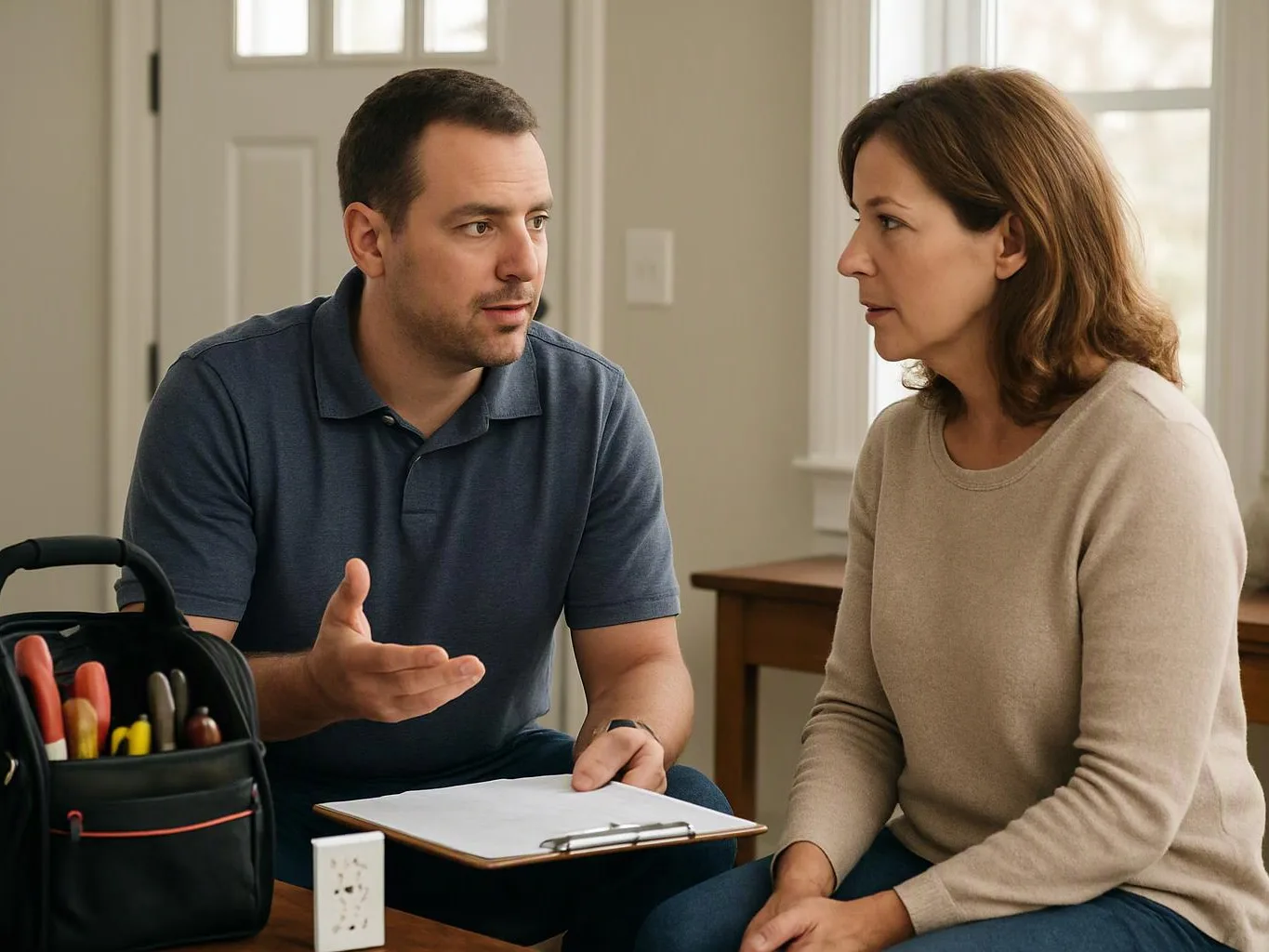
The visit moves from location review to circuit inspection, scope discussion, installation, and testing. We identify the receptacle's use, check line and load conductors, connect the device, and operate its test and reset controls. Customers receive an explanation of the completed work and any related repair needs.
What material can change the outlet work time?
Existing wiring material can change the work because damaged, crowded, or difficult-to-access conductors need closer inspection. The box type, cover, grounding path, and wall access also affect the job. We identify those conditions before setting the scope. Customers should not remove the cover or handle exposed wiring before the assessment.
Why does a new GFCI outlet need testing after connection?
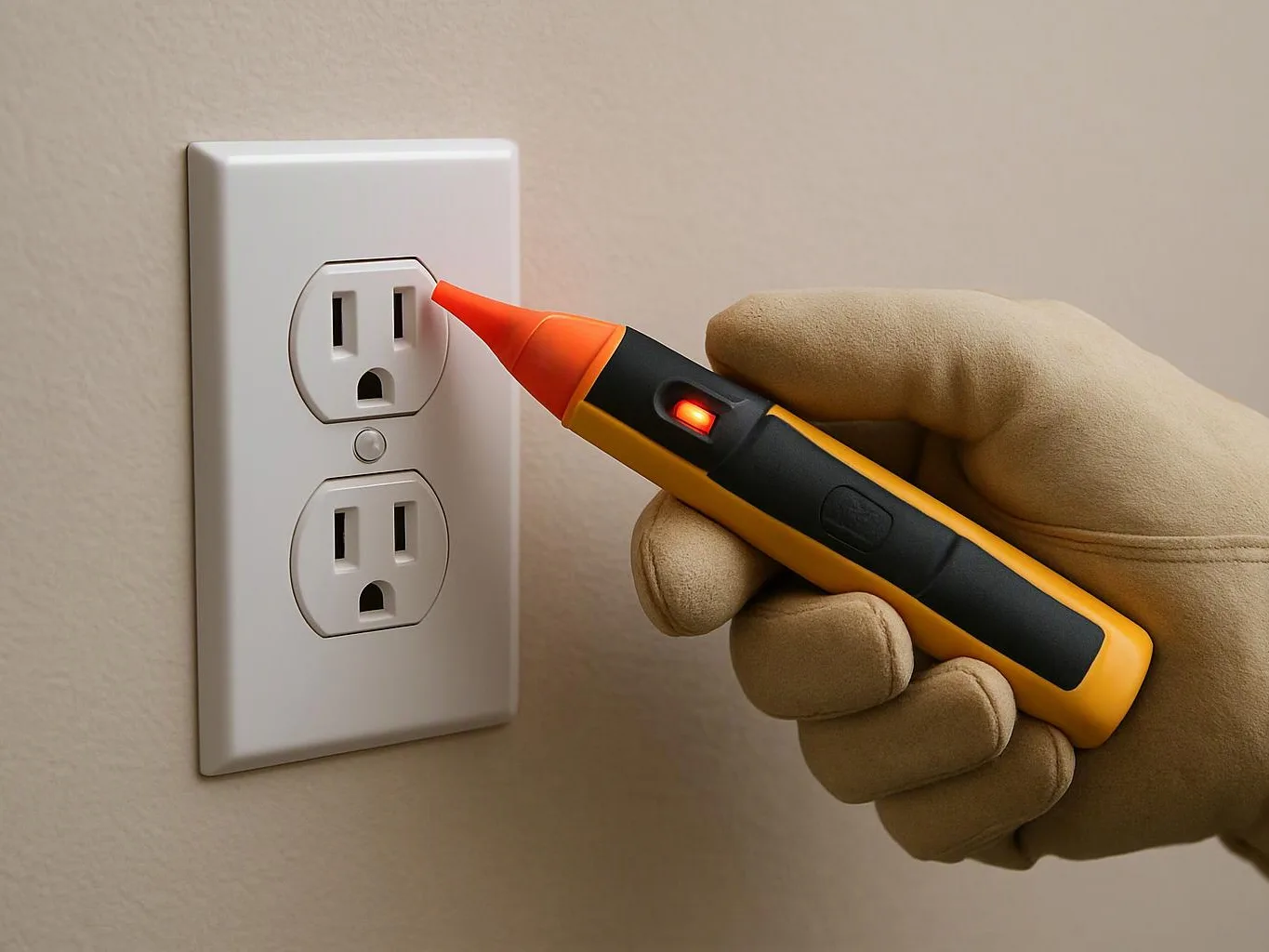
A new GFCI outlet needs testing to confirm that its protective controls respond correctly. We check power, operate the test control, and use the reset control to restore the receptacle. If the device will not reset or power remains absent, we trace the circuit and explain the next repair step.
What should I do before an outlet assessment?
Customers should stop using a damaged, wet, loose, warm, or sparking receptacle before an assessment. Keep water away from the outlet and avoid removing its cover. Photos of the outlet and nearby panel can help describe the issue, but exposed wiring should remain untouched until we inspect it.
Can outlet installation fix a breaker that keeps tripping?
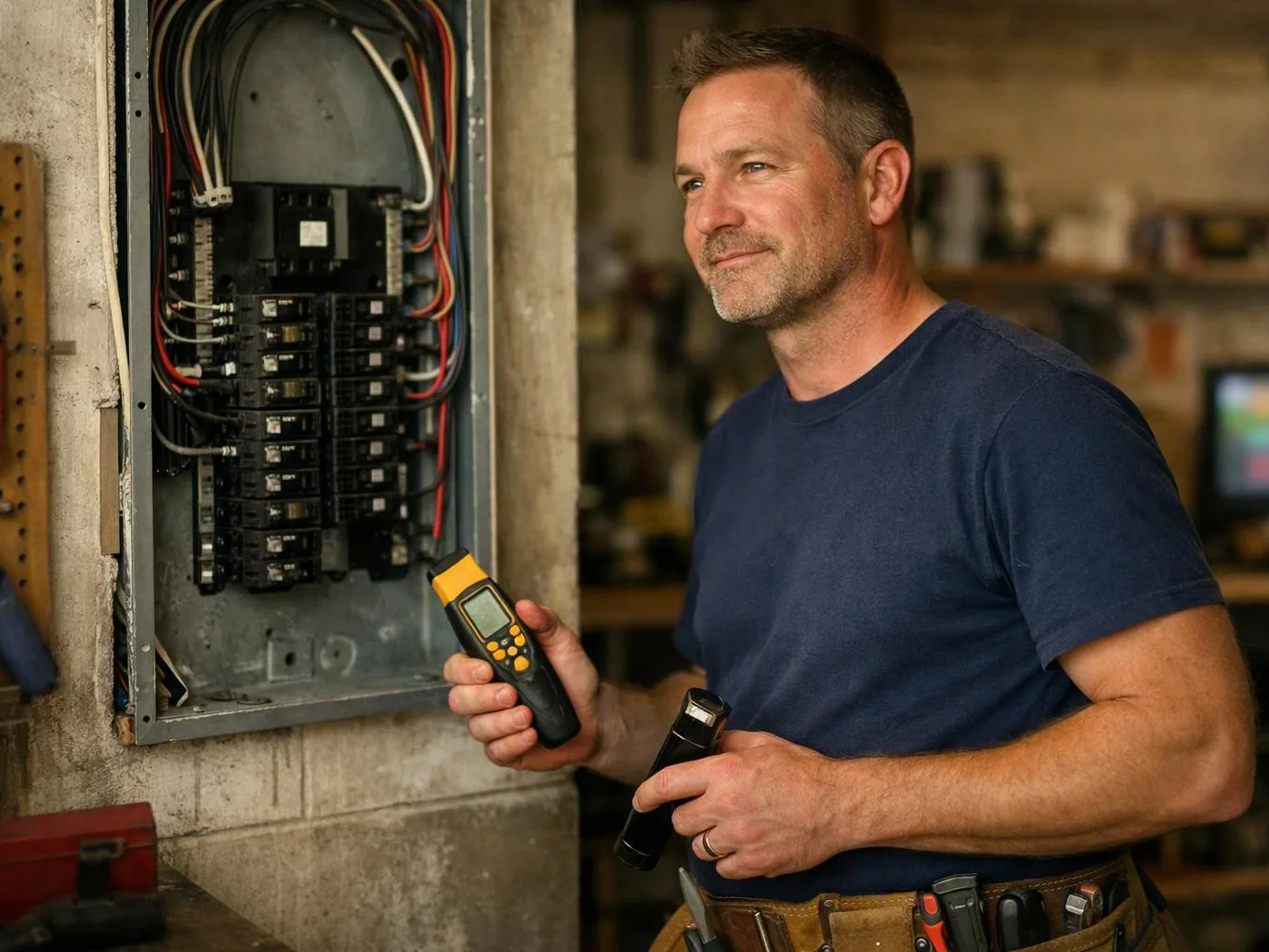
Outlet installation may not fix a breaker that keeps tripping because the cause can involve wiring, overload, or a panel fault. We inspect the receptacle and circuit before recommending work. Customers should avoid repeatedly resetting a tripping breaker, especially when they notice heat, buzzing, smoke, or a burning smell.