
What is a Fuse?
Fuse is an overcurrent protection device that contains a metal element designed to melt when electrical current exceeds its rated limit. The melted element opens the circuit and stops power from reaching downstream wiring or equipment. A fuse must be replaced after operation, unlike a resettable circuit breaker. For more detail, see When to Replace a Fuse Box in Fort Wayne, IN.
Quick Facts About Fuse
Category
Overcurrent protection device
Used for
Protecting conductors and equipment
Common confusion
A fuse is not the same as a circuit breaker
Also called
Electrical fuse, Overcurrent fuse
Often discussed with
Fuse Box Replacement, Electrical Code Corrections
Key Takeaways About Fuse
- A fuse opens a circuit by melting its internal metal element during excessive current.
- Fuse ratings must match the circuit’s voltage, ampacity, and equipment requirements.
- A blown fuse requires replacement after the underlying electrical problem is corrected.
- Installing a larger fuse can overheat wiring and create a fire hazard.
- Modern circuit breakers provide resettable protection in many residential panels.
Understanding Fuse
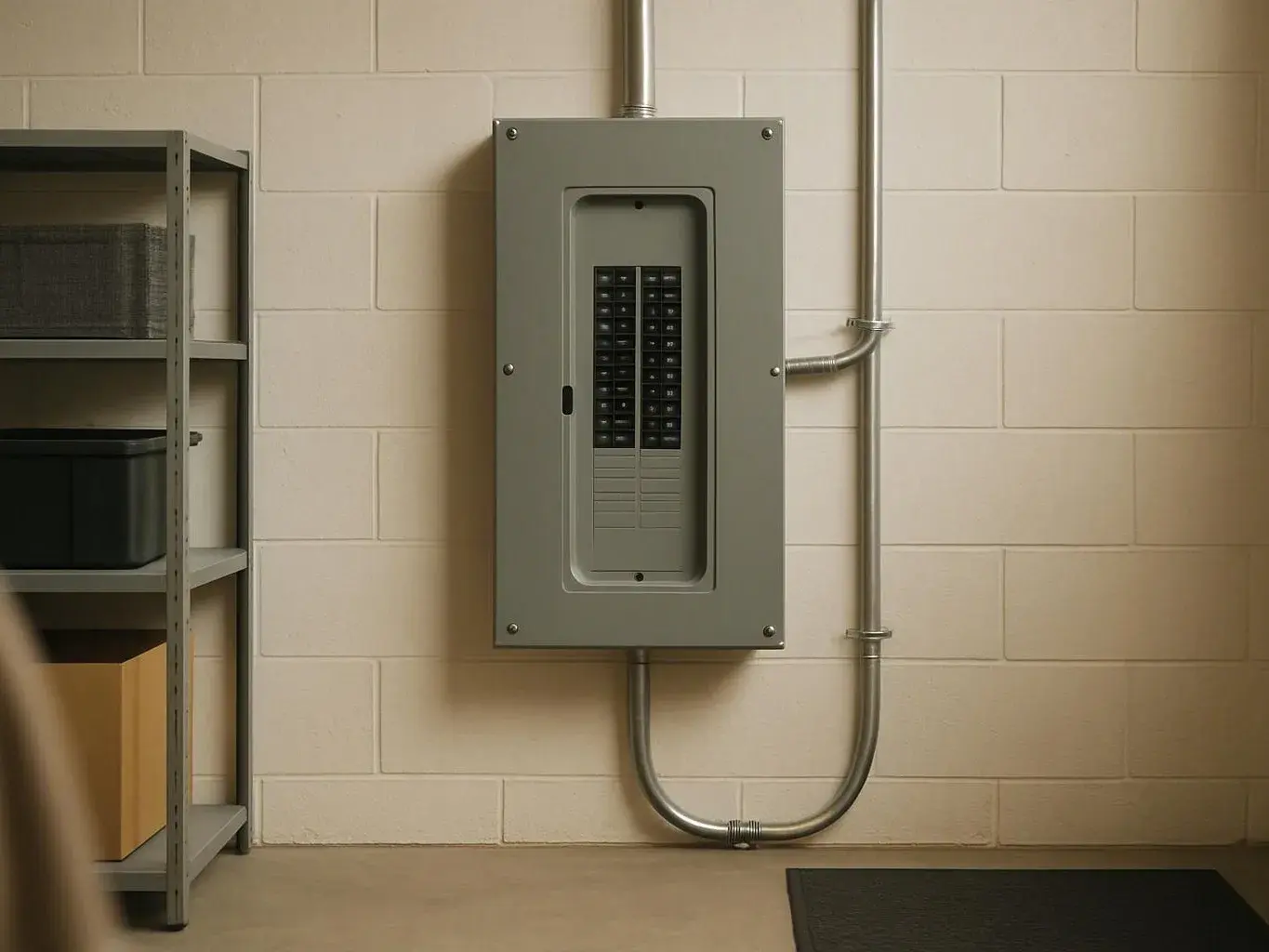
Fuseis a safety device in an electrical circuit.fuse body. Current can rise above the fuse rating. If it stays high long enough, the metal part melts. This opens the circuit. It stops current before heat harms conductors, appliances, or other equipment.
Related glossary terms: Ampacity, Amperage, Cartridge Fuse.
Fuses come in several forms. These include plug fuses for older home panels, cartridge fuses for larger circuits, and special types for vehicles or industrial equipment. Each fuse has a voltage rating, current rating, and operating type. A fast-acting fuse opens quickly during a fault. A time-delay fuse allows a short startup surge from equipment, such as a motor.
How Fuse Works, Is Measured, or Is Used?
A fuse reacts to heat made by electrical current. Current and heating don't rise at the same rate. A small rise above the rated current can cause much more heat. The fuse rating is measured.amperes. The circuit also needs a proper voltage rating and interrupting rating.
Selection starts with the circuit plan and the equipment guide. The fuse must protect the wire’s ampacity, fit the fuse holder, and handle the fault current. A qualified person checks the circuit and removes power. They identify the right fuse type. They replace a blown fuse with the same rating. Repeated operation signals a fault, overload, or equipment problem. The problem needs diagnosis.
Why Fuse Matters?
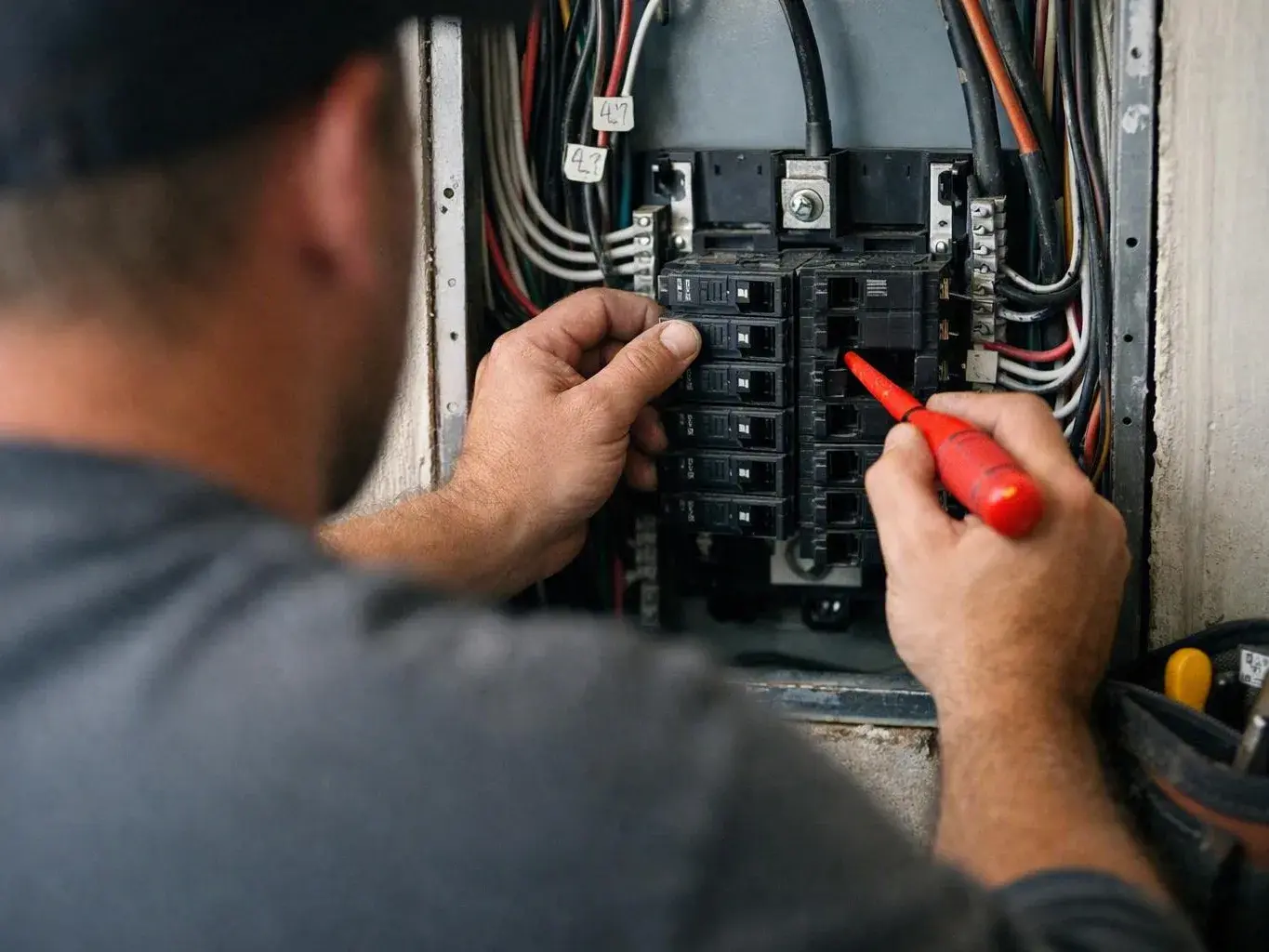
Fuses offer a simple and trusted way to limit damage.overload or short circuit. Without overcurrent protection, a conductor can carry too much current. Its insulation and metal core may not handle it safely. Excess heat can harm insulation, bend connections, and raise fire risk.
A fuse also helps protect costly equipment from fault current. Its limits are clear. But the device can't explain why it opened. Replacing the fuse without finding the cause may leave a damaged appliance in use. It may also leave a loose connection or overloaded circuit in service. Older fuse panels may lack enough capacity. They may also lack features found in modern electrical systems.
When Fuse Matters Most?
Fuses matter most in older homes. They also matter when you add a high-power appliance. They matter when you check repeated power loss. A plug fuse that opens after a space heater runs may show an overloaded branch circuit. A cartridge fuse that opens during motor startup may need the right time-delay type. It doesn't need a larger fuse.
Use these checks before approving a replacement or repair.
- Compare the fuse ampere and voltage ratings with the panel label and equipment instructions.
- Confirm the replacement has the correct physical size and operating type.
- Inspect for heat damage, corrosion, loose connections, or a damaged fuse holder.
- Find the cause of every blown fuse before restoring normal operation.
How to Evaluate Fuse?
- Check that the fuse amperage does not exceed the circuit conductor’s permitted ampacity.
- Match the fuse voltage rating to the circuit voltage.
- Verify the fuse interrupting rating meets the available fault current.
- Look for heat discoloration, melted holders, loose terminals, or repeated fuse operation.
- Confirm the fuse type matches the panel, appliance, and manufacturer instructions.
Related Concepts Compared
Fuse vs. Circuit Breaker
A circuit breaker opens during excessive current and can usually be reset after the fault is corrected. A fuse must be replaced after it operates.
Fuse vs. Overloaded Circuit
An overloaded circuit carries more current than the wiring or protection allows. A fuse is the device that opens to limit that condition.
Fuse vs. Cartridge Fuse
A cartridge fuse is one physical fuse design, usually enclosed in a cylindrical body. The broader term fuse includes plug, cartridge, and specialty designs.
Expert Note
A fuse that blows once may have responded correctly to a temporary fault. Repeated operation deserves testing because replacing it repeatedly can hide a loose connection, damaged appliance, or branch circuit that carries too much load.
Common Mistakes or Myths About Fuse
- Replacing a blown fuse with one that has a higher ampere rating.
- Using a fast-acting fuse where the equipment requires time-delay protection.
- Treating repeated fuse operation as a nuisance instead of a warning.
- Installing a fuse that does not match the holder or equipment specifications.
- Touching or replacing a fuse without first addressing exposed electrical hazards.
Fuse in Practice: A Real-World Example
A homeowner plugs a portable heater into an older kitchen circuit, and the 15-amp plug fuse opens. The correct response is to unplug the heater, inspect the circuit load, and install only the specified 15-amp replacement after the cause is addressed.
Related Services
Related Terms
Ampacity
Ampacity is the maximum current, measured in amperes, that a conductor can carry continuously under specified…
Amperage
Amperage is the amount of electric current flowing through a circuit, measured in amperes, also called…
Cartridge Fuse
Cartridge Fuse is a replaceable overcurrent protection device enclosed in a cylindrical body with metal contacts…
Circuit Breaker
Circuit Breaker is an automatic electrical safety device that opens a circuit when current exceeds a…
Chris Miller Electric
Have Questions About Fuse?
Contact Chris Miller Electric for practical guidance on Fuse and related 24 hour electrician work in Fort Wayne.