
What is a Conduit?
Conduit is a tube or raceway that protects and routes insulated electrical conductors. It may be made from metal, PVC, or other approved materials. Conduit can shield wiring from impact, moisture, heat, and chemical exposure while supporting orderly installations. Electricians select its type, size, fittings, and installation method according to site conditions and electrical code.
Quick Facts About Conduit
Category
Electrical wiring raceway
Used for
Routing and protecting insulated conductors
Common confusion
Conduit is not the same as cable
Relevant standard
National Electrical Code Article 358 and related articles
Also called
Electrical raceway, Wire conduit
Often discussed with
Electrical Code Corrections, Electrical Service Upgrades
Key Takeaways About Conduit
- Conduit protects insulated conductors from damage, moisture, heat, and other site hazards.
- Rigid metal, flexible metal, PVC, and liquidtight conduit fit different installation needs.
- Conduit size must leave room for conductors and meet electrical code rules.
- Fittings, bends, supports, grounding, and bonding affect conduit system safety.
- Conduit provides a wiring path, not insulation or circuit protection.
Understanding Conduit
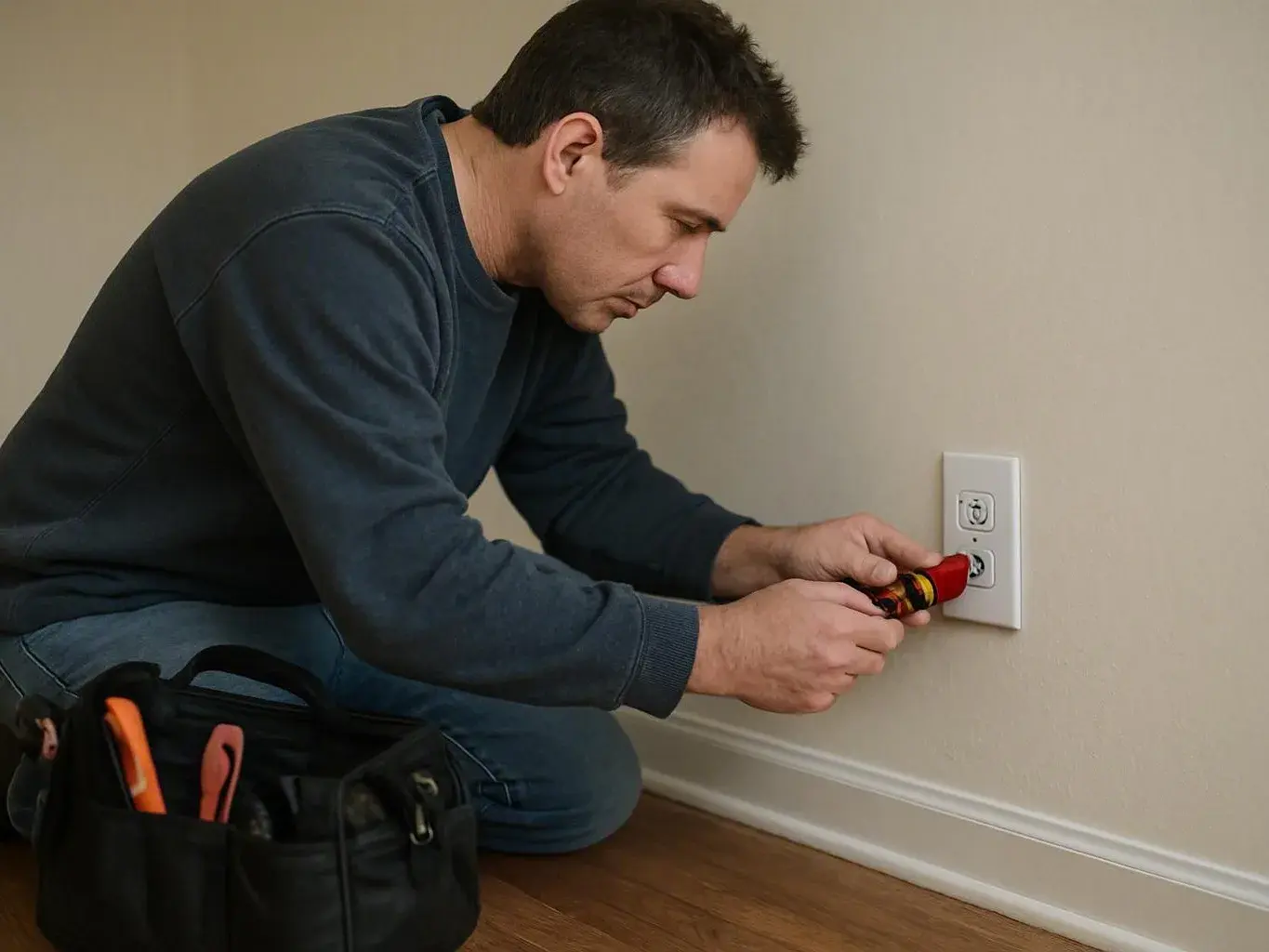
Conduit is a protective pathway for insulated conductors in an electrical system. The pathway may be metallic or nonmetallic. It may be rigid or flexible. Installers may place it indoors, outdoors, underground, or inside exposed structures. Wires pull through the raceway. They don't rest directly against surrounding building materials.
Related glossary terms: American Wire Gauge, Ampacity, Bonding.
Common types include electrical metallic tubing, rigid metal conduit, intermediate metal conduit, PVC conduit, flexible metal conduit, and liquidtight flexible conduit. Each type handles different conditions. Metal can provide physical protection. It may also form part of a grounding path when installed correctly. PVC resists corrosion, but it doesn't provide that metallic path.
How Conduit Works, Is Measured, or Is Used?
An electrician plans the route and chooses a suitable conduit type. The electrician selects fittings that match the raceway. The installer measures the run, cuts and joins sections, and secures the conduit. The installer pulls conductors through after the pathway is ready. Boxes, couplings, connectors, and bushings protect wire insulation at entry points.
Conduit fillcontrols how much conductor area may occupy the raceway. The calculation considers the number, size, insulation type, and shape of the conductors. It also considers the conduit’s inside area. The installer must also account.bend limits, pulling tension, conductor ampacity, and voltage drop. A larger raceway can make installation easier. However, it doesn't correct an undersized conductor or an overloaded circuit.
Installation methods depend on the location. PVC may suit a corrosive or underground area. The system must have proper support and transition fittings. Flexible conduit can connect equipment that moves or vibrates. Grounding and bonding requirements depend on the conduit material, wiring method, and local code rules. A metallic raceway can't be assumed to be grounded just because it's metal.
Why Conduit Matters?
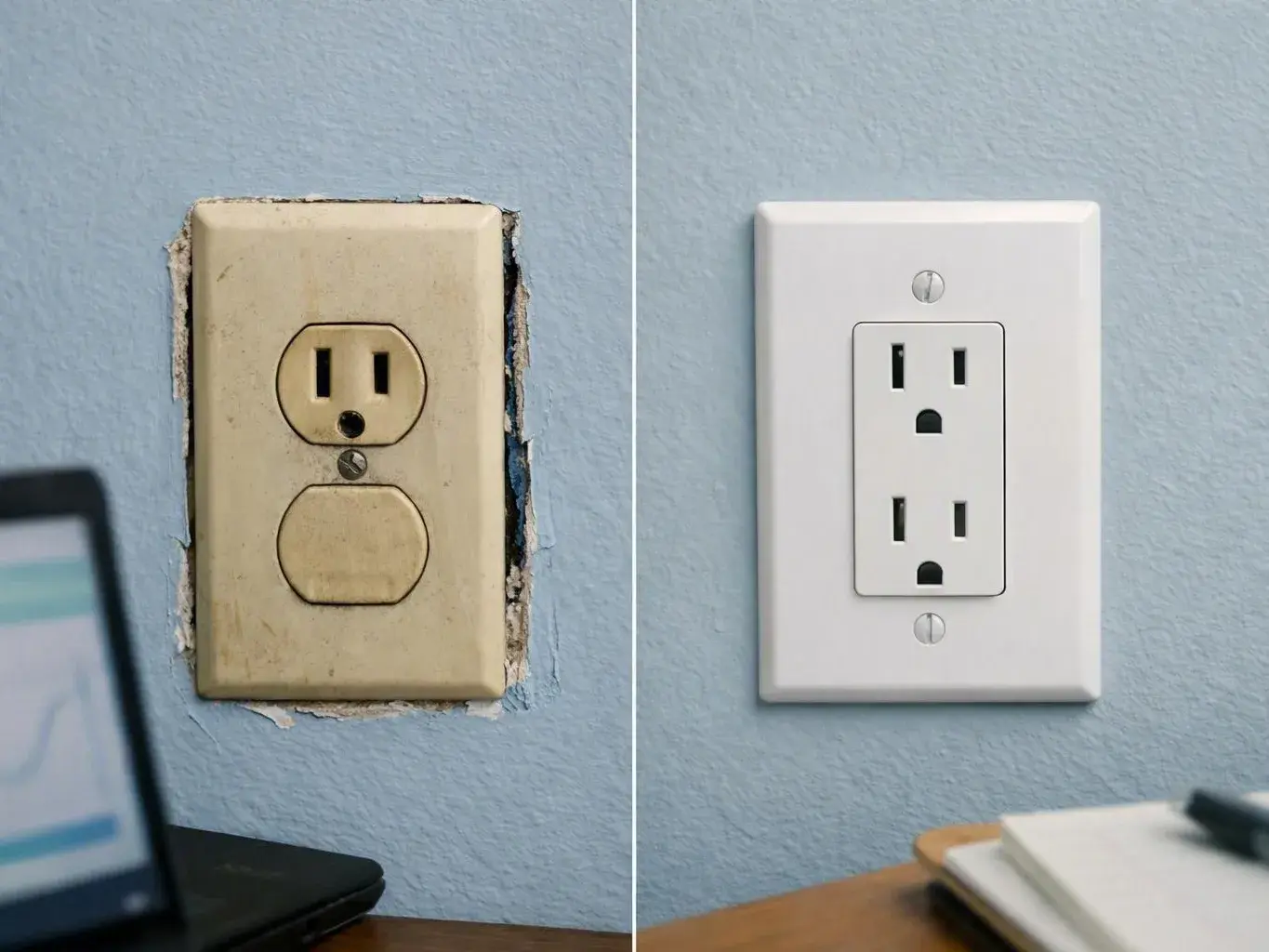
Proper conduit reduces the chance of wiring damage. This damage can include abrasion, crushing, impact, or exposure. It also keeps circuits organized. This helps an electrician identify conductors during testing, repair, or future changes. In a commercial space, a visible raceway can make wiring easier to inspect. Conductors hidden behind finished surfaces can be harder to inspect.
Conduit affects installation cost and long-term maintenance. A straight, accessible route may reduce labor. Many bends, tight spaces, or difficult wall penetrations can increase pulling time. Poorly supported conduit, sharp edges, open fittings, and water entry can damage insulation. These problems can create a shock and fire hazard.
When Conduit Matters Most?
Conduit becomes especially important where wiring faces physical damage, moisture, sunlight, chemicals, or temperature changes. Garages, workshops, unfinished areas, exterior walls, parking areas, and industrial spaces often need more protection than exposed cable. Local building conditions and the circuit’s voltage also influence the correct choice.
Conduit is also central during remodels, service changes, equipment installations, and code corrections. Before work begins, evaluate the route, conductor size, available box space, support points, and access for future maintenance. In Fort Wayne, permit and inspection requirements may apply to electrical alterations. The installation must follow the adopted code and local rules.
How to Evaluate Conduit?
- Is the conduit type approved for the location, including moisture, sunlight, corrosion, temperature, and physical exposure?
- Does the raceway have enough interior space for the conductor count and sizes?
- Are bends, couplings, connectors, supports, and bushings installed without sharp edges or loose joints?
- Do metallic sections have the required grounding and bonding path?
- Can the conductors be pulled, inspected, and replaced without excessive force or insulation damage?
Related Concepts Compared
Conduit vs. Cable
Cable contains insulated conductors inside an outer jacket or assembly. Conduit is a separate raceway that houses and protects individual conductors or cable.
Conduit vs. Raceway
Raceway is the broader term for an enclosed wiring pathway. Conduit is one common type of raceway.
Conduit vs. Cable Tray
Cable tray is an open support system for cables and raceways. Conduit is normally an enclosed tube that offers more protection from contact and impact.
Conduit vs. Electrical Grounding
Grounding connects parts of an electrical system to earth or a grounding source. Conduit can support grounding in some metallic wiring methods, but conduit itself is not the whole grounding system.
Expert Note
A conduit route that looks large enough may still fail because of excessive bends, poor support, or insufficient box space. Check the complete pathway, not only the tube diameter. Water entry and dissimilar-metal connections also deserve attention in outdoor installations.
Common Mistakes or Myths About Conduit
- Treating conduit as a substitute for correct conductor ampacity or circuit protection.
- Filling a raceway beyond its permitted conductor capacity.
- Leaving sharp cut edges that can damage insulation.
- Assuming PVC provides an equipment grounding path.
- Using indoor-rated fittings in wet or outdoor locations.
Conduit in Practice: A Real-World Example
A detached garage receives a 60-amp feeder through underground PVC conduit. The installer sizes the wires and raceway with sweep bends. The installer seals the building entry and joins wires in rated boxes. A separate equipment grounding conductor clears faults because PVC does not conduct fault current.
Related Terms
American Wire Gauge
American Wire Gauge is a standardized system that identifies electrical wire diameter with numbered sizes. Smaller…
Ampacity
Ampacity is the maximum current, measured in amperes, that a conductor can carry continuously under specified…
Bonding
Bonding is the electrical connection of conductive metal parts so they remain at nearly the same…
National Electrical Code
National Electrical Code is a widely adopted safety standard for designing, installing, and inspecting electrical systems…
Chris Miller Electric
Have Questions About Conduit?
Contact Chris Miller Electric for practical guidance on Conduit and related 24 hour electrician work in Fort Wayne.