
What Is an Electrical Meter?
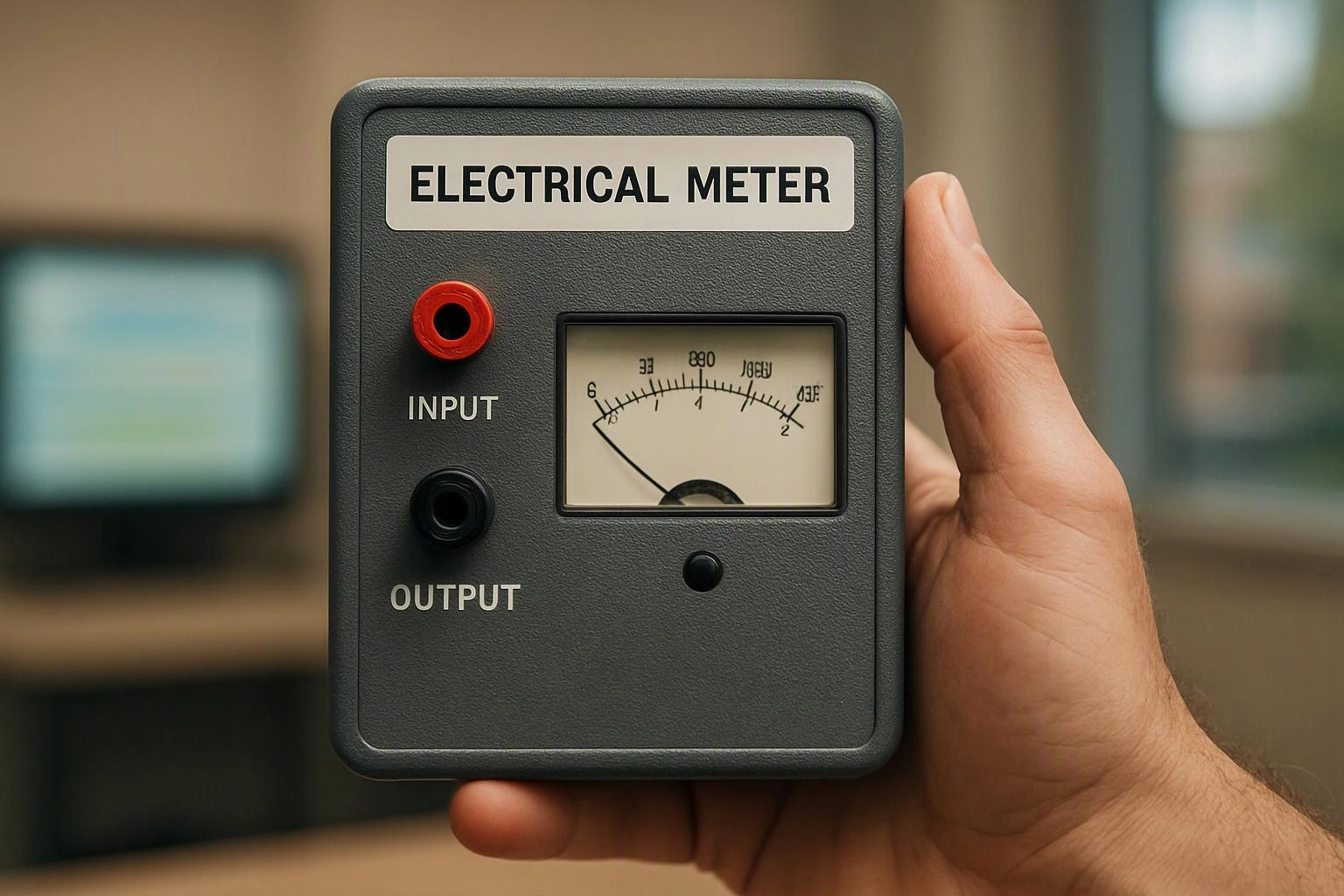
An electrical meter is a testing instrument that measures electrical values in a circuit, such as voltage, current, or resistance. Technicians select a measurement mode and connect the meter leads at appropriate points. The resulting reading helps identify energized conductors, open paths, excessive resistance, and other conditions during inspection or troubleshooting.
Quick Facts About Electrical Meter
Category
Electrical testing instrument
Used for
Measuring circuit conditions
Common confusion
Utility meter versus test meter
Also called
Electric Meter, Multimeter
Often discussed with
Electrical Inspection
Key Takeaways About Electrical Meter
- An electrical meter measures circuit values instead of supplying power.
- The selected mode must match the measurement being performed.
- A utility meter records energy use, while a test meter checks circuits.
How Electrical Meter Works

An Electrical Meter measures an electrical property through test leads connected to selected points in a circuit. The meter setting determines whether the instrument checks voltage, current, resistance, or continuity. Each setting uses a different internal measurement method, so the display has meaning only when the setting and connection match the task.
Related glossary terms: Voltage Tester, Current, Continuity Test.
A voltage reading shows the electrical potential between two points. A resistance reading examines opposition to current in a de-energized path. A continuity check looks for a complete connection and may produce an audible tone. During an inspection, a technician compares readings with the circuit design and visible conditions. A voltage tester performs a narrower check, while a utility meter records energy use for billing.
From the Chris Miller Electric team
When we inspect a circuit, we choose the meter function for the condition under review and verify the test points before reading the display. We compare the result with the wiring layout, device condition, and other inspection observations. This approach helps separate a supply issue from a problem within the circuit.
Electrical Meter in Practice: A Real-World Example
During an Electrical Inspection, we may measure voltage at a receptacle and then check continuity through an accessible conductor. The readings help show whether the circuit has the expected connection and whether a suspected open path needs further investigation.
Related Services
Related Terms
Voltage Tester
Voltage Tester is a handheld electrical testing tool that indicates whether voltage is present in a…
Current
Current is the movement of electric charge through a conductor, such as a wire or circuit…
Continuity Test
A continuity test is an electrical check that shows whether a complete path exists between two…
Line Voltage
Line Voltage is the electrical potential supplied by a building’s wiring system to operate equipment and…
Chris Miller Electric
Have Questions About Electrical Meter?
Contact Chris Miller Electric for practical guidance on Electrical Meter and related 24 hour electrician work in Fort Wayne.