
What is Grounding Electrode?
Grounding Electrode is a conductive object that connects an electrical system to the earth. Common examples include metal underground water pipe, concrete-encased electrode, and ground rod. The electrode helps stabilize system voltage and provides a path for lightning, surges, and fault energy. It works with grounding conductors and bonding connections.
Quick Facts About Grounding Electrode
Category
Electrical grounding component
Used for
Connecting an electrical system to earth
Common confusion
A grounding electrode is not the same as a grounding conductor
Also called
Grounding electrode system, Earth electrode
Often discussed with
Electrical Panel Upgrades, Electrical Code Corrections
Key Takeaways About Grounding Electrode
- A grounding electrode connects the electrical system to earth.
- Ground rods are only one type of grounding electrode.
- The electrode does not replace equipment grounding conductors.
- Corrosion, loose connections, and damaged conductors can weaken the grounding path.
- The National Electrical Code sets electrode installation and connection requirements.
Understanding Grounding Electrode
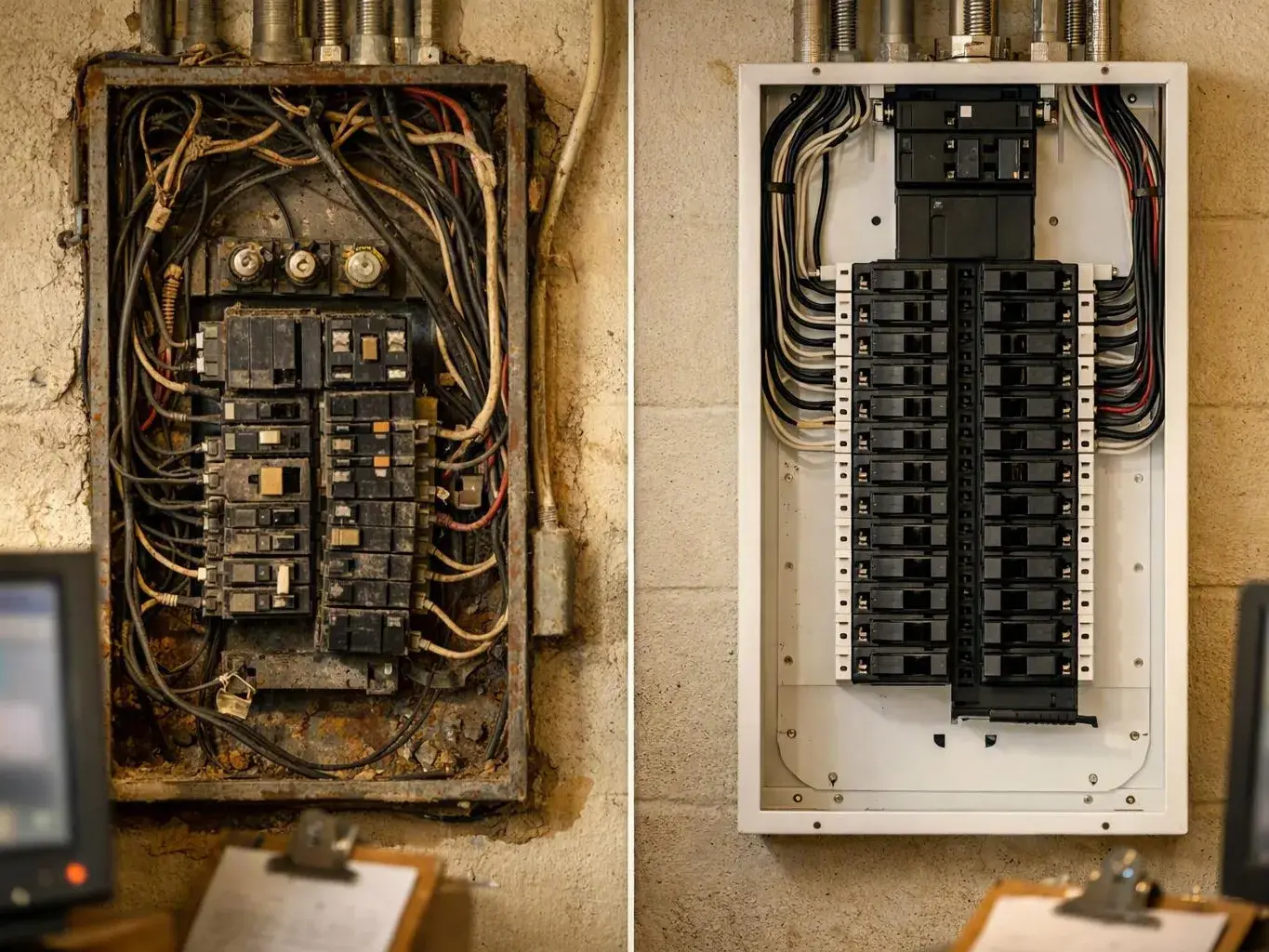
Grounding Electrodemeans a conductive object that connects an electrical system to the earth. The object may be a driven ground rod or concrete-encased reinforcing bar. It may also be an underground metal water pipe. Another electrode recognized.National Electrical Code may also qualify. The electrode connects to the building's grounding system through a grounding electrode conductor.
Related glossary terms: Electrical Ground, Bonding, National Electrical Code.
The earth connection helps limit voltage between the electrical system and nearby grounded objects. It also provides a path for lightning effects and utility surges. It can also carry some fault energy. A grounding electrode doesn't normally carry current during everyday operation. Its value appears during abnormal events. A sound connection can help keep dangerous voltage from remaining on metal parts.
How Grounding Electrode Works, Is Measured, or Is Used?
An electrician first identifies the available grounding electrode at the building. The electrician may inspect a concrete-encased electrode, metal water pipe, or building steel. The electrician may also inspect driven rods. A grounding electrode conductor then connects the electrode to the service equipment. It may connect to another required point in the grounding system. The conductor must have suitable size, protection, routing, and connection hardware.
Grounding electrodes are evaluated through visual inspection and continuity checks. Electricians also use measurements suited to the installation. A resistance reading alone doesn't prove the entire grounding system is safe. Bonding, conductor size, connection condition, and fault-clearing paths also matter. If a single rod doesn't meet the applicable code conditions, installers may add another rod. They may also use another approved method. The ground rod must remain accessible enough for inspection. It must also stay protected against physical damage.
Grounding and bonding perform different jobs within the same safety system.grounding electrode conductorconnects the system to earth. Equipment grounding conductors connect electrical equipment to the grounded system. This lets a fault return to the source. That return path helps a breaker or fuse open during a fault.bonding jumper connects metal parts. This helps them remain at nearly the same voltage.
Why Grounding Electrode Matters?
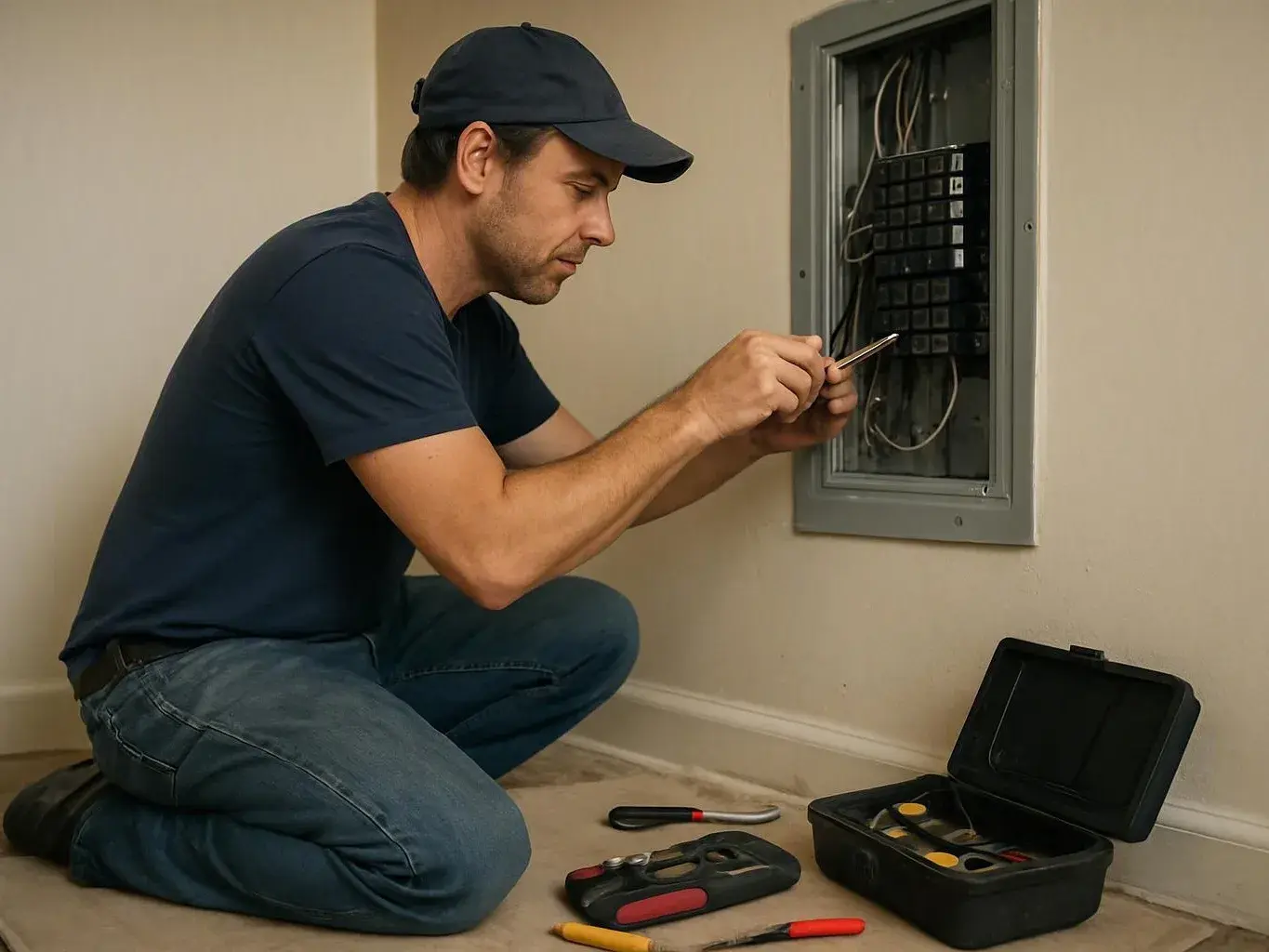
A reliable grounding electrode supports voltage stability and surge control at the service. It can reduce unusual voltage from lightning or utility disturbances. The electrode also supports the broader grounding and bonding network. This network protects people by helping fault current reach the source.
Problems often come from loose clamps, corrosion, or broken conductors. Buried damage can also cause problems. An electrode may also have never been installed correctly. Replacing a panel without checking the existing electrode can leave an older defect in place. A correct evaluation considers the service equipment, electrode type, and conductor connection. It also considers local code requirements as one system.
When Grounding Electrode Matters Most?
Grounding electrodes deserve close attention during a service upgrade or panel replacement. They also matter during a new construction project or electrical code correction. They matter after lightning damage, flooding, excavation, or underground water service work. These events can damage metal paths or expose hidden connections.
Older properties may have more than one possible electrode. The best connection depends on what the building contains. A concrete-encased electrode may be available in newer construction. An older building may rely on driven rods or metal water pipe. Never remove a grounding connection to solve a nuisance breaker trip. A qualified electrician should identify the fault. The electrician should preserve the required grounding and bonding paths.
How to Evaluate Grounding Electrode?
- Identify every available electrode type, including concrete-encased steel, building steel, metal water pipe, and ground rods.
- Inspect clamps and connections for corrosion, looseness, physical damage, and poor contact with metal.
- Verify that the grounding electrode conductor has suitable size, routing, protection, and termination.
- Check whether the installation follows the current edition adopted by the local authority having jurisdiction.
- Confirm that equipment grounding and bonding paths remain continuous back to the service equipment.
Related Concepts Compared
Grounding Electrode vs. Grounding Electrode Conductor
The grounding electrode conductor is the wire or other conductor that connects the electrical system to the grounding electrode. The grounding electrode is the conductive object in contact with the earth.
Grounding Electrode vs. Equipment Grounding Conductor
An equipment grounding conductor connects electrical equipment to the grounding system. It is intended to carry fault current back to the source. While a grounding electrode connects the system to earth.
Grounding Electrode vs. Electrical Ground
Electrical ground is a broad term for a reference point or conductive path connected to earth or the grounding system. A grounding electrode is one physical component that creates an earth connection.
Grounding Electrode vs. Bonding
Bonding connects metal parts so they share nearly the same electrical potential. Grounding electrode connections link the system to earth. While bonding creates low-impedance paths between conductive parts.
Expert Note
A ground rod is not automatically the main or only electrode. Inspectors may require connections to concrete-encased steel, building steel, or metal water pipe when those electrodes are present. The complete grounding and bonding system matters more than any single rod.
Common Mistakes or Myths About Grounding Electrode
- Assuming every grounding electrode is a ground rod.
- Treating the grounding electrode as a substitute for an equipment grounding conductor.
- Leaving a corroded clamp or loose connection in service.
- Removing a grounding connection to stop a breaker from tripping.
- Testing only rod resistance and ignoring bonding, conductor condition, and fault paths.
Grounding Electrode in Practice: A Real-World Example
A Fort Wayne home has two driven ground rods beside the service entrance, but the clamp on one rod is heavily corroded. An electrician inspects the connection, checks other electrodes, and repairs grounding electrode conductor as required. The electrician also checks panel bonding and equipment grounding paths.
Sources & Further Reading on Grounding Electrode
Related Terms
Electrical Ground
Electrical Ground is a conductive connection that provides a safe path for unwanted electrical current to…
Bonding
Bonding is the electrical connection of conductive metal parts so they remain at nearly the same…
National Electrical Code
National Electrical Code is a widely adopted safety standard for designing, installing, and inspecting electrical systems…
Chris Miller Electric
Have Questions About Grounding Electrode?
Contact Chris Miller Electric for practical guidance on Grounding Electrode and related 24 hour electrician work in Fort Wayne.