
What is a Receptacle?
Receptacle is a wiring device that receives a plug and connects electrical equipment to a branch circuit. A receptacle normally has slots for energized, neutral, and grounding contacts. Common examples include duplex outlets, GFCI receptacles, tamper-resistant receptacles, and receptacles rated for specific voltage, amperage, or weather conditions.
Quick Facts About Receptacle
Category
Electrical wiring device
Used for
Connecting plug-in equipment to a branch circuit
Common confusion
Receptacle means the installed device, while outlet can mean a broader circuit connection
Relevant standard
National Electrical Code requirements
Also called
Electrical receptacle, Outlet
Often discussed with
Outlet Replacement, Electrical Code Corrections
Key Takeaways About Receptacle
- A receptacle connects plug-in equipment to branch-circuit conductors.
- Different receptacles serve different voltage, amperage, grounding, weather, and safety needs.
- A GFCI receptacle can reduce shock risk in damp or wet locations.
- Loose, warm, damaged, or discolored receptacles need prompt attention.
- The circuit rating must match the receptacle rating and connected equipment.
Understanding Receptacle
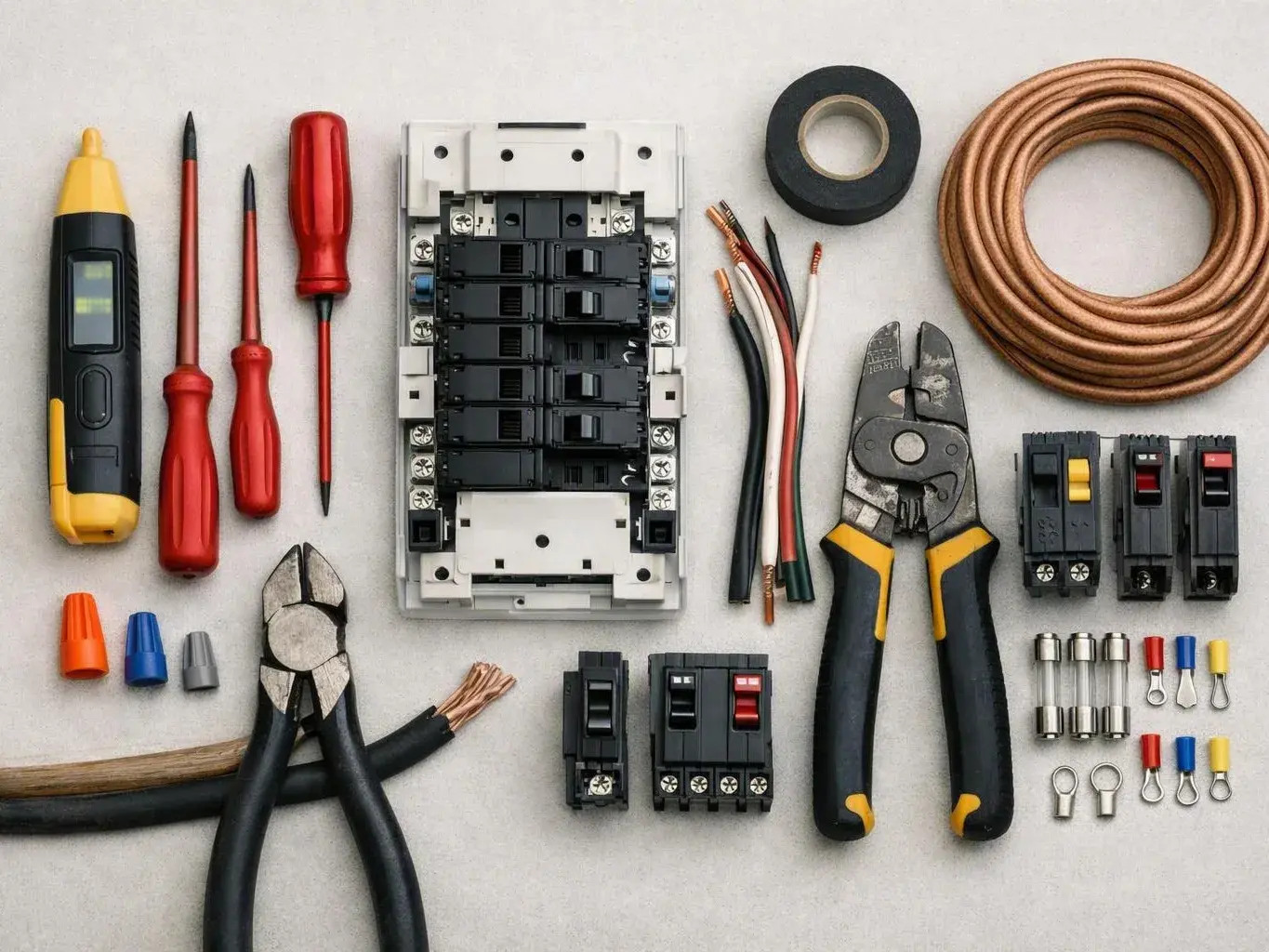
Receptacle is the technical name for an installed device. It accepts an electrical plug. The device connects the plug's contacts to branch-circuit conductors. Many people call a receptacle an outlet. Outlet is a broader electrical term. It can describe other points where current is supplied.
Related glossary terms: Ground-Fault Circuit Interrupter, Electrical Ground, Hot Wire.
A common household receptacle is a duplex unit. It has two plug locations in one face. Each opening may connect.hot conductor, a neutral conductor, and an equipment grounding conductor. The face, body, terminals, and mounting strap must suit the circuit and location. Receptacles may have ratings for 15 or 20 amperes. They may have ratings for 125 or 250 volts. Some suit indoor use, outdoor use, or special equipment.
How Receptacle Works, Is Measured, or Is Used?
When you insert a plug, its blades engage contacts inside the receptacle. Its grounding pin also engages a contact. Current flows from the branch-circuit hot conductor through the equipment. It returns through the neutral conductor when needed. The grounding path normally carries fault current only. This helps a protective device disconnect power during a fault.
Receptacles are identified by their voltage rating, amperage rating, configuration, and listed application. A 15-ampere receptacle may be allowed on a 20-ampere multi-outlet circuit. Applicable code rules must allow this use. A single receptacle serving a 20-ampere load generally needs a matching rating. The circuit breaker, conductor size, receptacle, plug, and equipment must work together.
Special versions add protection or control the environment. A GFCI receptacle compares current leaving and returning through the circuit. It opens the circuit when it detects an imbalance. A tamper-resistant model uses internal shutters. A weather-resistant model uses materials for damp or wet locations. Receptacles in garages, kitchens, bathrooms, and exterior areas often need added protection. Unfinished spaces may also need protection under the electrical code.
Why Receptacle Matters?
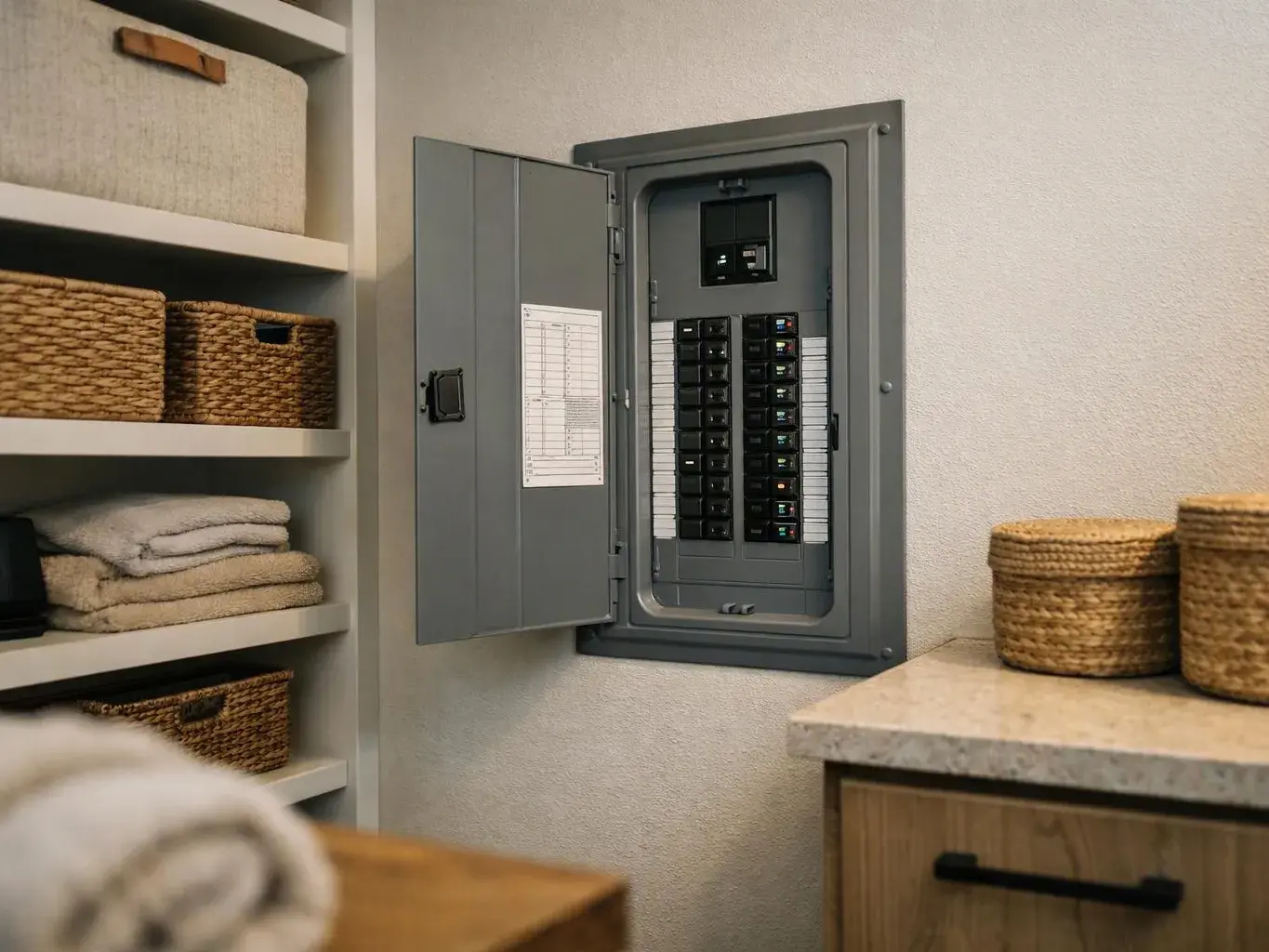
The receptacle is where people often interact with the electrical system. A loose terminal can create heat, arcing, or uneven power. This risk increases when equipment draws substantial current. Discoloration, cracking, buzzing, burning odor, warmth, or sparks are warning signs. A plug that falls out is also a warning sign. The device or its wiring needs inspection.
Correct selection also protects equipment and reduces shock risk. A receptacle with the wrong configuration can accept an unsuitable plug or load. A missing ground, reversed polarity, or overloaded circuit can create danger. A failed GFCI function can also expose a user to danger. The device may look normal during this condition.
When Receptacle Matters Most?
Receptacle selection matters during remodeling and appliance installation. It also matters during circuit changes and electrical repairs. A new appliance may need a dedicated circuit, different voltage, or higher ampere rating. It may need more than a simple device replacement. An older home may have ungrounded or damaged wiring. Installing a new face device alone can't fix this wiring safely.
Before replacement, check the circuit breaker rating and conductor condition. Check the box size, grounding path, and location. Look for required GFCI protection and tamper resistance. Also check weather resistance and suitable working space. In Fort Wayne, local permits and inspections may apply to changes. The installation should follow the adopted code and local rules. Don't rely only on the old receptacle's appearance.
How to Evaluate Receptacle?
- Confirm the receptacle voltage and amperage ratings match the branch circuit and connected equipment.
- Test GFCI receptacles with the TEST and RESET buttons, then replace devices that fail either function.
- Check for warmth, buzzing, loose plugs, cracks, discoloration, burning odor, or visible arcing.
- Verify that grounding, polarity, box mounting, and terminal connections are correct.
- Confirm the location has the required GFCI, tamper-resistant, or weather-resistant protection.
Related Concepts Compared
Receptacle vs. Outlet
Outlet is a general term for a point where electrical power is supplied. Receptacle specifically describes the device that accepts a plug.
Receptacle vs. GFCI Receptacle
A GFCI receptacle is a special receptacle with ground-fault protection. A standard receptacle does not provide that protective sensing by itself.
Receptacle vs. Electrical Outlet Box
An electrical box encloses and supports wiring connections. A receptacle mounts to the box and provides the plug connection.
Receptacle vs. Plug
A plug is attached to a cord or appliance. A receptacle is the fixed device that receives the plug.
Expert Note
Replacing a loose receptacle is not always a device-only repair. Heat damage can extend into the box, terminals, or conductors, and an ungrounded circuit may require a different corrective approach than a new receptacle alone.
Common Mistakes or Myths About Receptacle
- Calling every outlet a receptacle, even though outlet has a broader technical meaning.
- Installing a 20-ampere receptacle on a circuit or conductor that cannot support the intended load.
- Replacing a discolored device without inspecting heat-damaged wiring and terminals.
- Assuming a receptacle is grounded because it has a three-slot face.
- Ignoring failed TEST and RESET buttons on a GFCI receptacle.
Receptacle in Practice: A Real-World Example
A kitchen receptacle feels warm and a coffee maker plug slips out. The problem may involve worn contacts, loose terminals, or an overloaded circuit. Replacing the face device without checking the box, conductors, circuit rating, and required GFCI protection could leave the hazard unresolved.
Related Services
Related Terms
Ground-Fault Circuit Interrupter
Ground-Fault Circuit Interrupter is a safety device that monitors electrical current flowing through a circuit and…
Electrical Ground
Electrical Ground is a conductive connection that provides a safe path for unwanted electrical current to…
Hot Wire
Hot Wire is an energized conductor that carries electrical voltage from a power source to a…
Neutral Wire
Neutral Wire is a current-carrying conductor that normally returns electricity from a 120-volt load to the…
Chris Miller Electric
Have Questions About Receptacle?
Contact Chris Miller Electric for practical guidance on Receptacle and related 24 hour electrician work in Fort Wayne.