
What is Ground-Fault Circuit Interrupter?
Ground-Fault Circuit Interrupter is a safety device that monitors electrical current flowing through a circuit and quickly shuts off power when current takes an unintended path to ground. A GFCI helps reduce shock risk near water or damp locations by responding to small current differences that ordinary circuit breakers may not detect.
Quick Facts About Ground-Fault Circuit Interrupter
Category
Electrical safety device
Used for
Shock protection near water or damp locations
Common confusion
A GFCI is not the same as a standard circuit breaker
Also called
GFCI, Ground-Fault Interrupter
Often discussed with
Outlet Replacement, Electrical Code Corrections
Key Takeaways About Ground-Fault Circuit Interrupter
- A GFCI watches for small differences between current leaving and returning through a circuit.
- The device can interrupt power in a fraction of a second when it detects leakage.
- GFCI protection is common near sinks, bathrooms, garages, outdoors, and damp work areas.
- The TEST and RESET buttons help confirm whether the device responds to a fault.
- A GFCI does not replace overcurrent protection from a circuit breaker or fuse.
Understanding Ground-Fault Circuit Interrupter
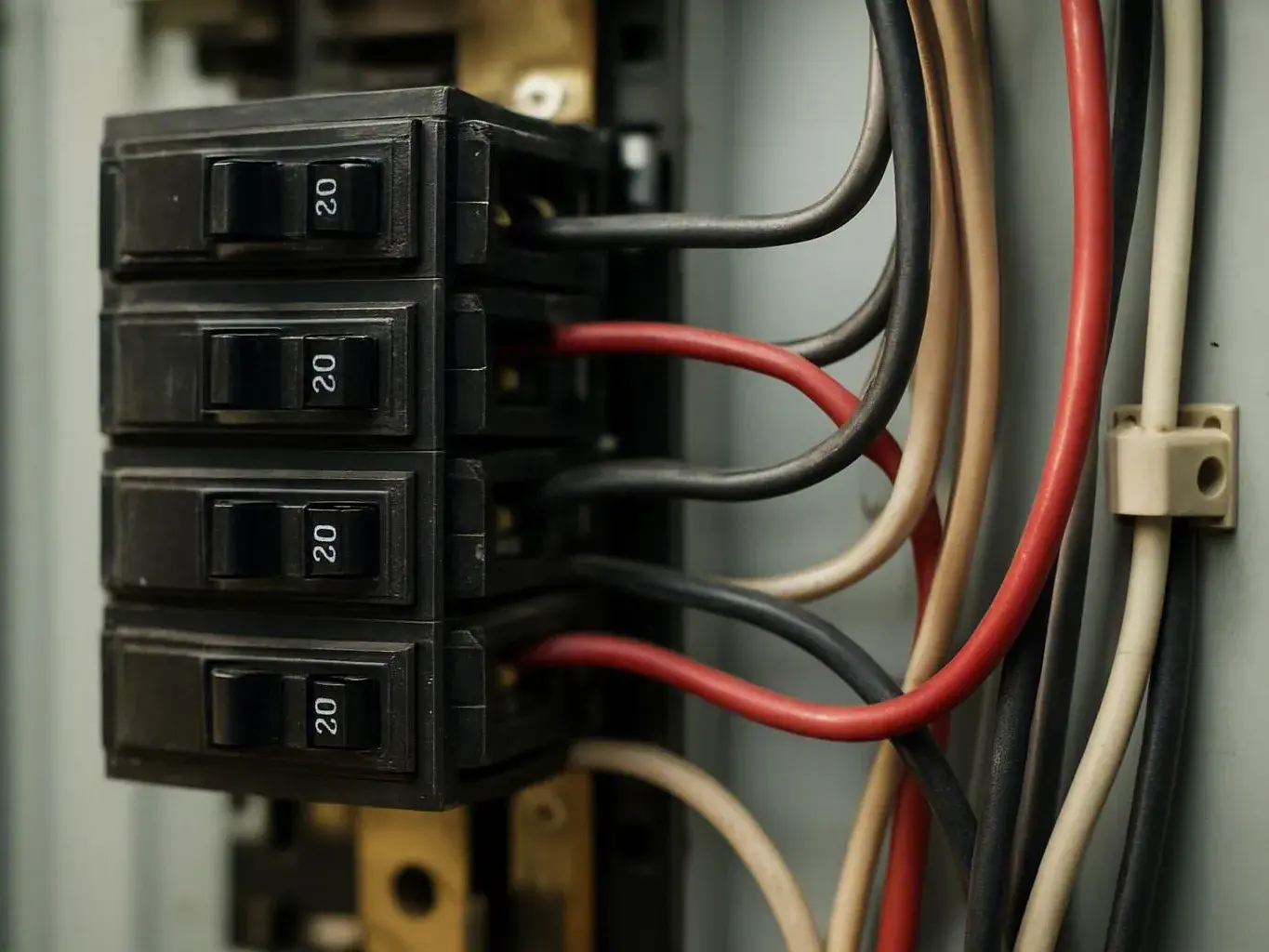
Ground-Fault Circuit Interrupter is a protective device that detects electrical current imbalance. Under normal conditions, current leaving the hot wire returns through the neutral wire. Some current may travel through a person, water, damaged insulation, or another wrong path. The device senses the difference and disconnects power.
Related glossary terms: Circuit Breaker, Electrical Ground, National Electrical Code.
A GFCI receptaclemay protect its own outlet and other outlets downstream. These outlets must share the same circuit. GFCI protection can also come.GFCI circuit breaker in the electrical panel. It can also come from a portable GFCI device. The device protects people from shock caused by current leakage. An ordinary circuit breaker mainly protects wires from overloads and short circuits.
How Ground-Fault Circuit Interrupter Works, Is Measured, or Is Used?
A GFCI uses a sensor to compare current on the ungrounded, or hot, conductor. It compares this current with current on the neutral conductor. In a balanced circuit, the two currents are nearly equal. A difference means some electricity is taking another route. The device opens its contacts and stops power to the protected circuit.
Many personnel-protection GFCI devices trip when leakage reaches about 4 to 6 milliamperes. A common nominal trip level is 5 milliamperes. Exact performance depends on the device design and applicable standard. Pressing.TEST button creates a small simulated imbalance. Pressing RESET restores power after a successful test.
Installation requires correct line and load connections. This applies when one GFCI protects downstream outlets. The device also needs a proper enclosure and suitable rating. It needs correct wiring for the circuit. A tester can check basic operation. A failed test, repeated tripping, warmth, or damage needs further diagnosis. Loss of reset function also needs further diagnosis.
Why Ground-Fault Circuit Interrupter Matters?
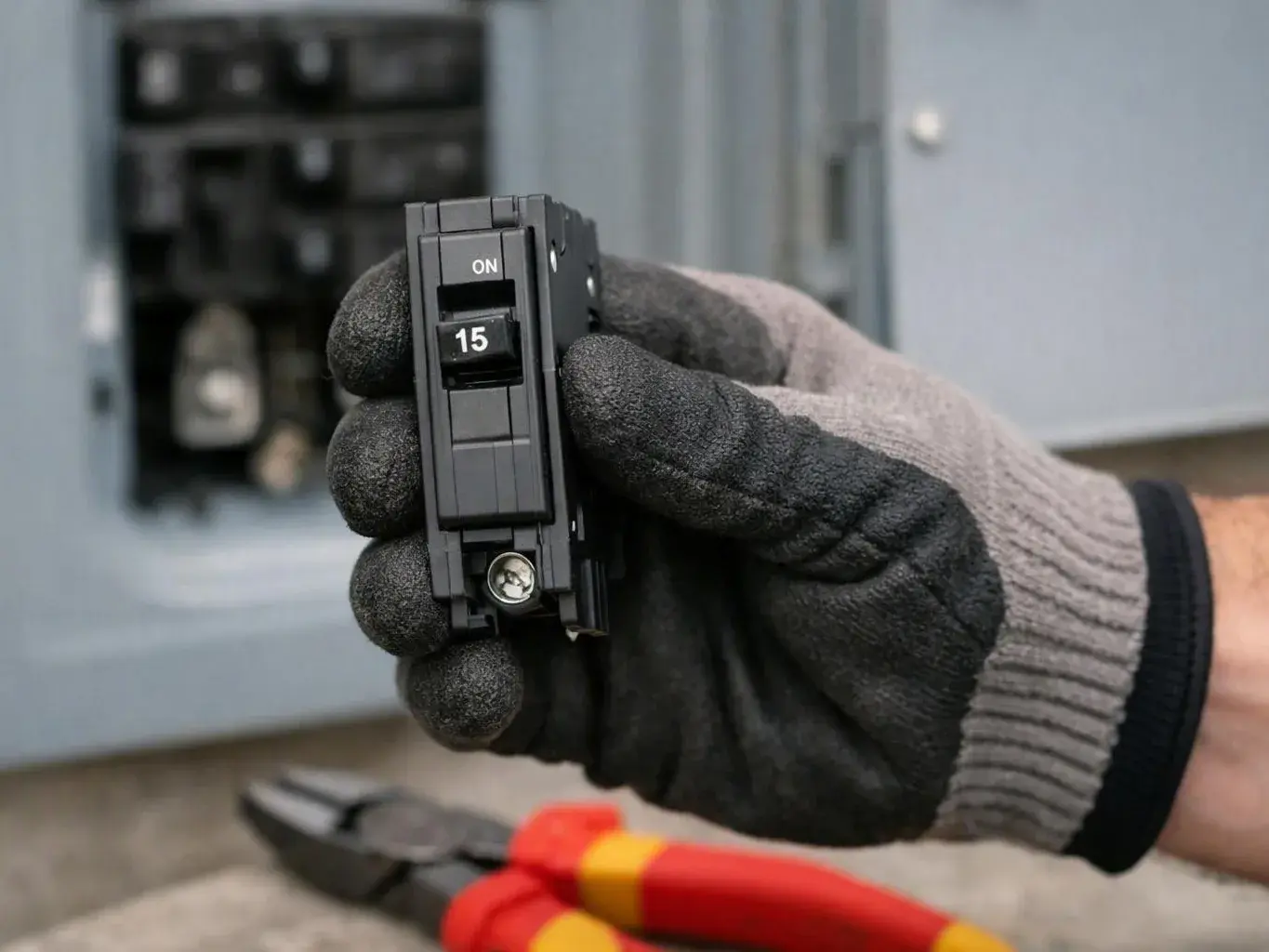
Electricity and water create a serious shock hazard. Wet skin can reduce the body’s resistance. A working GFCI receptacle can remove power before leakage causes severe injury. Protection still matters when an outlet appears dry. Plumbing, condensation, outdoor rain, and damaged equipment can create a wrong path to ground.
GFCI protection also helps identify equipment and wiring problems. Repeated trips may point to a damaged cord or wet appliance. They may also point to insulation failure or shared-neutral wiring issues. A defective device can also cause repeated trips. Resetting the outlet repeatedly can leave a fault active. It can also damage the receptacle.
When Ground-Fault Circuit Interrupter Matters Most?
GFCI protection matters most in bathrooms, kitchens, and laundry areas. It also matters in garages, unfinished basements, and crawl spaces. Exterior outlets and other wet locations need protection too. Current electrical rules list locations and equipment that need protection. Exact requirements can depend on the building type and installation date. They can also depend on outlet location and local code enforcement.
Check the device after a power interruption. Check it before using an outdoor outlet. Check it when equipment near water uses the outlet. If the TEST button doesn't trip the device, stop using the outlet. Stop if the RESET button won't stay engaged. Stop if power returns only sometimes. Find the fault before using the outlet again. A replacement must match the circuit rating and installation method.
How to Evaluate Ground-Fault Circuit Interrupter?
- Press TEST and confirm that power turns off, then press RESET and confirm that power returns.
- Check whether the device is rated for the circuit voltage, amperage, location, and weather exposure.
- Look for heat, discoloration, cracked housing, loose plugs, nuisance tripping, or a reset button that will not hold.
- Confirm whether downstream outlets also lose power when the protective device trips.
- Ask whether the installation follows the current National Electrical Code and applicable local requirements.
Related Concepts Compared
Ground-Fault Circuit Interrupter vs. Circuit Breaker
A circuit breaker interrupts power during an overload or short circuit to protect conductors. A GFCI responds to a small current imbalance that may occur before a breaker reaches its trip level.
Ground-Fault Circuit Interrupter vs. Arc-Fault Circuit Interrupter
An AFCI detects electrical arcing patterns that can start fires. A GFCI detects current leaking away from its intended path and focuses on shock protection.
Ground-Fault Circuit Interrupter vs. Electrical Ground
An electrical ground provides a planned path for fault current and stabilizes the electrical system. A GFCI monitors current balance and can trip even when a grounding path is absent.
Expert Note
A GFCI that trips repeatedly is reporting a condition, not simply creating an inconvenience. Unplug connected equipment first, then test the device. If the problem continues with nothing connected, the fault may be in the receptacle, wiring, or circuit configuration.
Common Mistakes or Myths About Ground-Fault Circuit Interrupter
- Assuming a GFCI protects against every overload, short circuit, or electrical fire.
- Replacing a tripping device without checking connected appliances and downstream wiring.
- Installing line and load wires incorrectly on a receptacle that protects other outlets.
- Ignoring a failed TEST button because the outlet still supplies power.
- Using an indoor-rated device or cover in a wet outdoor location.
Ground-Fault Circuit Interrupter in Practice: A Real-World Example
A bathroom receptacle supplies a hair dryer near a sink. If a damaged cord lets current reach the wet countertop, the GFCI detects the imbalance and disconnects power before the leakage continues. The cause still needs correction before the outlet is returned to normal use.
Sources & Further Reading on Ground-Fault Circuit Interrupter
Related Services
Related Terms
Circuit Breaker
Circuit Breaker is an automatic electrical safety device that opens a circuit when current exceeds a…
Electrical Ground
Electrical Ground is a conductive connection that provides a safe path for unwanted electrical current to…
National Electrical Code
National Electrical Code is a widely adopted safety standard for designing, installing, and inspecting electrical systems…
Receptacle
Receptacle is a wiring device that receives a plug and connects electrical equipment to a branch…
Chris Miller Electric
Have Questions About Ground-Fault Circuit Interrupter?
Contact Chris Miller Electric for practical guidance on Ground-Fault Circuit Interrupter and related 24 hour electrician work in Fort Wayne.