Electrical Troubleshooting Mistakes That Can Make Problems Worse
Electrical warning signs can point to shock and fire hazards. We recommend keeping away from damaged equipment and letting our team investigate the cause.
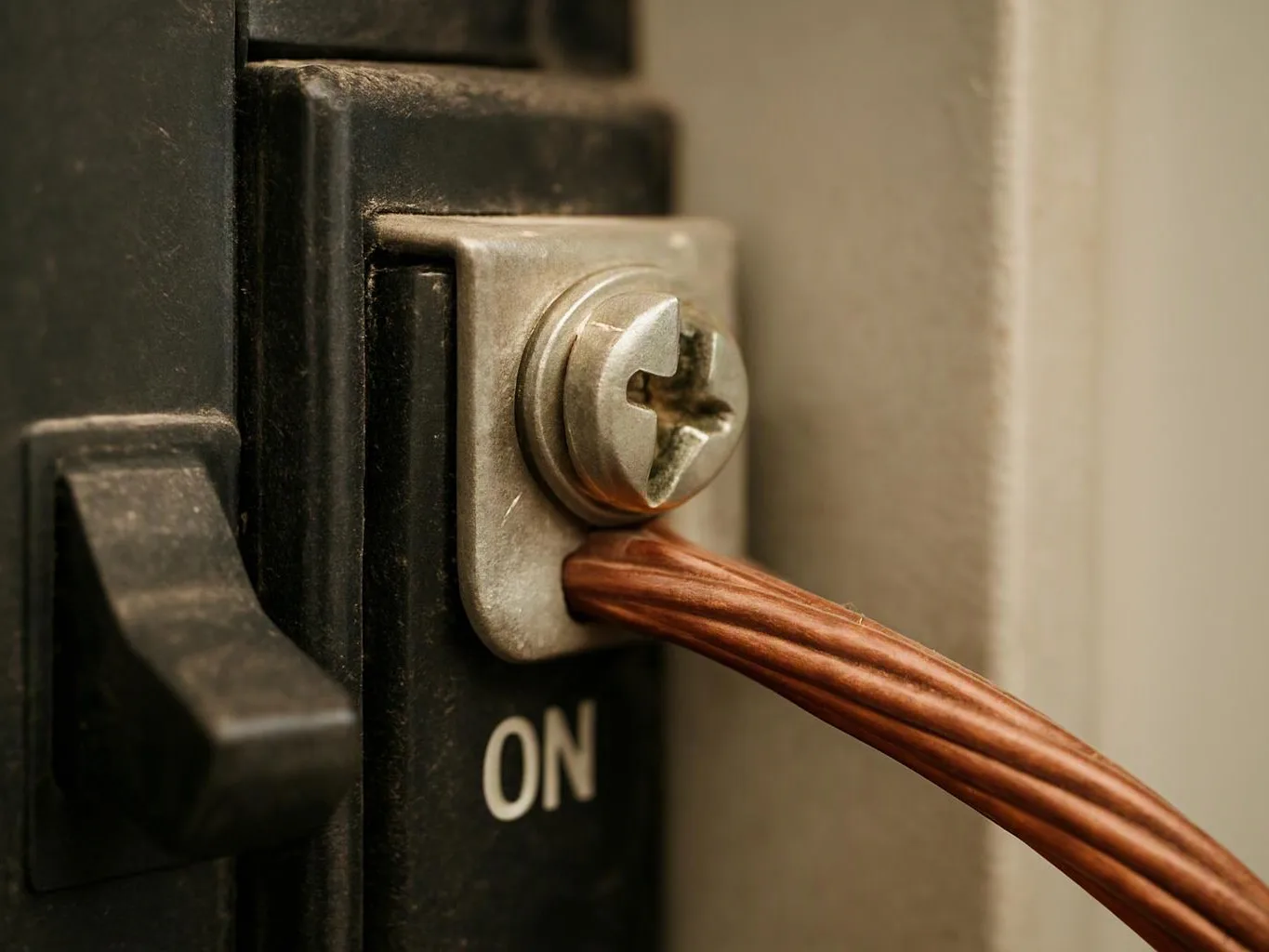
Resetting a Breaker That Keeps Tripping
Repeatedly resetting a tripped breaker can leave an electrical fault unresolved. A breaker may trip because the circuit has too much demand or another fault. Continued use can increase the risk of damage or fire, so stop resetting it and arrange an electrical check with us.
Installing a Higher-Amperage Breaker
A higher-amperage breaker may fail to protect the wire on the circuit. Someone might consider it to stop trips, but the wire could overheat and cause a fire. We'll assess the circuit and determine the right repair rather than simply changing the breaker.
Removing the Electrical Panel Cover
Removing the electrical panel cover can expose parts that carry dangerous electricity. Some parts can remain energized even when a breaker is off, creating a shock hazard. Leave the cover in place and call us to inspect the panel.
Ignoring Burning Smells, Smoke, or Warm Outlets
A burning smell, smoke, or a warm outlet can signal overheating. A loose connection or damaged equipment may be the cause, and ignoring it can lead to fire or property damage. Keep away from the hazard, and call emergency services if there's smoke or fire; contact us to investigate.
Using a Damaged Outlet or Cord
A damaged outlet or cord can expose wiring or make a poor connection. Continued use can cause a shock, overheating, or damage to equipment. Stop using the affected equipment, and ask us to check a damaged outlet.
Assuming a Switch Makes Wiring Safe to Touch
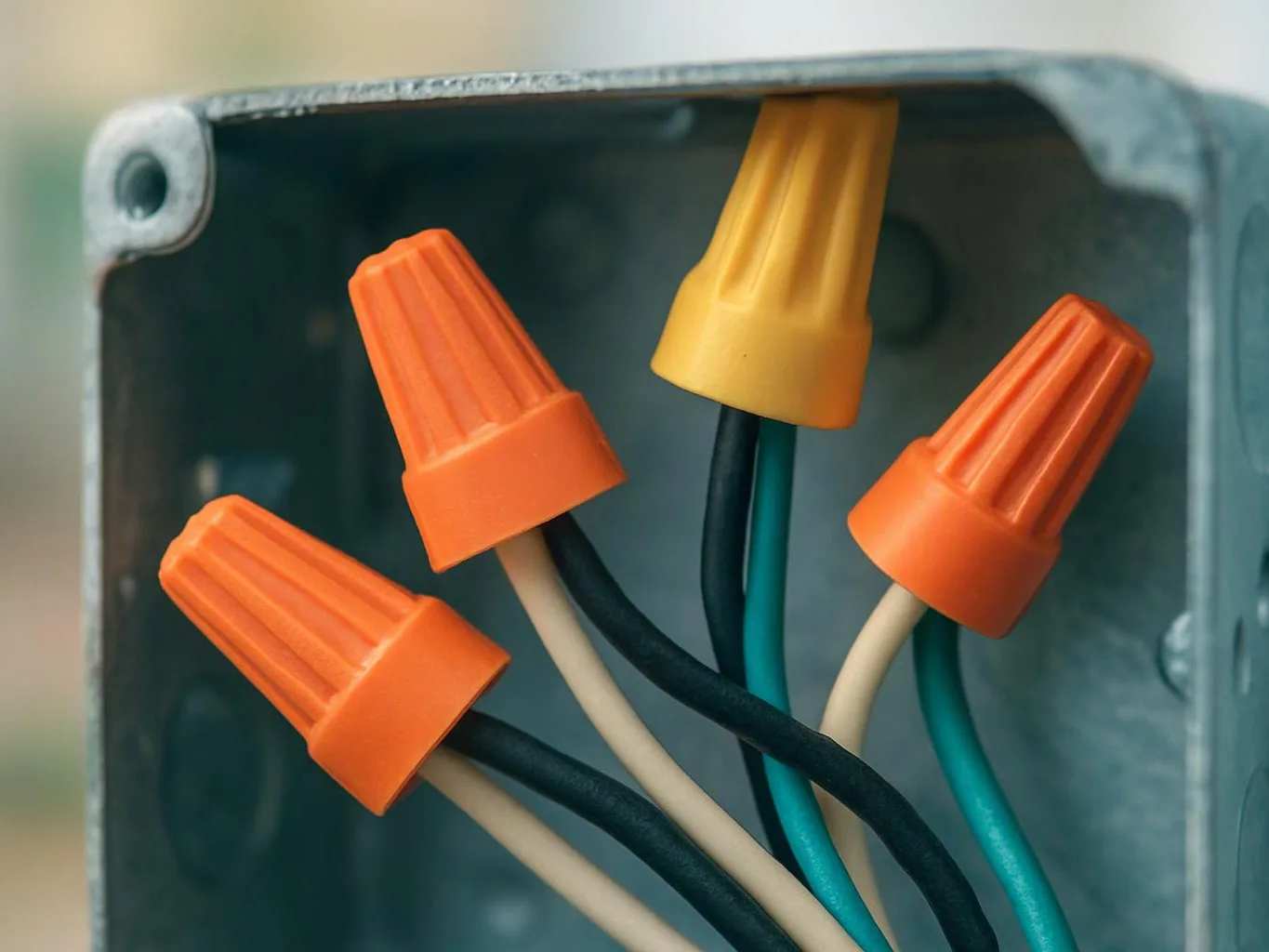
A switch doesn't make all nearby wiring safe to touch. Wiring may still be energized, and touching it can cause a serious shock. Leave exposed wiring alone and let our team handle electrical testing and repairs.
Trying Electrical Repairs Near Water
Electrical repairs near water can create a serious shock risk. Water can carry electricity, so wet equipment may be dangerous to touch. Stay clear of it and call us to assess the problem.
When Is Electrical Troubleshooting Needed for a Tripping Breaker?
Electrical troubleshooting is needed when a breaker trips again or other warning signs appear. Contact us for Electrical Troubleshooting instead of trying to diagnose these problems yourself.
- A breaker trips again after a reset.
- An outlet is warm or smells burnt.
- Lights flicker alongside another electrical symptom.
- Water has reached electrical equipment.
What Does Electrical Troubleshooting Check When a Breaker Trips?
Electrical troubleshooting checks the affected circuit and connected equipment to identify why the breaker trips. We ask about the symptoms and assess the breaker and wiring. We identify the cause before recommending repairs.
The fault and the work needed affect the cost. Our estimate explains the recommended work and its cost. Contact us to request an exact estimate; free estimates.
Electrical Troubleshooting Questions
Can an overloaded outlet cause a breaker to trip?
Yes, too much demand on a circuit can trip its breaker, but other faults can also cause trips. Chris Miller Electric checks connected appliances and the circuit to identify the cause.
Does a tripped breaker always mean the breaker is faulty?
No, a tripped breaker can signal a problem elsewhere in the circuit. A breaker is designed to trip when it detects certain unsafe conditions. We diagnose the cause before recommending a replacement.
What should I tell Chris Miller Electric about an electrical problem?
Tell Chris Miller Electric where the problem occurs and what you've noticed. Let us know which outlets or lights are affected and when the issue happens.
Contact Chris Miller Electric to arrange an electrical check or request an estimate. We'll discuss the symptoms and recommend the next steps.
Get a Free EstimateWhat Are the Key Specifications to Know?
- Topic Focus
- Electrical Troubleshooting Mistakes to Avoid When Something Seems Wrong
- Related Core Service
- Electrical Troubleshooting
- Evaluation Method
- On-Site Inspection & Written Scope
- Compliance Standard
- Local Building Code & Manufacturer Specs
How Does the Evaluation & Execution Process Compare?
| Evaluation Stage | Technical & Quality Criteria | Timeline Checkpoint |
|---|---|---|
| Initial Diagnostic & Assessment | Identify root cause, site constraints & code requirements | Before any work begins |
| Written Scope & Option Comparison | Compare repair vs. replacement tiers & material grades | Prior to project approval |
| Code-Compliant Execution | Follow manufacturer specs & local permitting standards | During active service |
| Final Verification & Walkthrough | Verify installation alignment, performance & clean site handoff | Upon project completion |