How are intermittent electrical problems diagnosed?
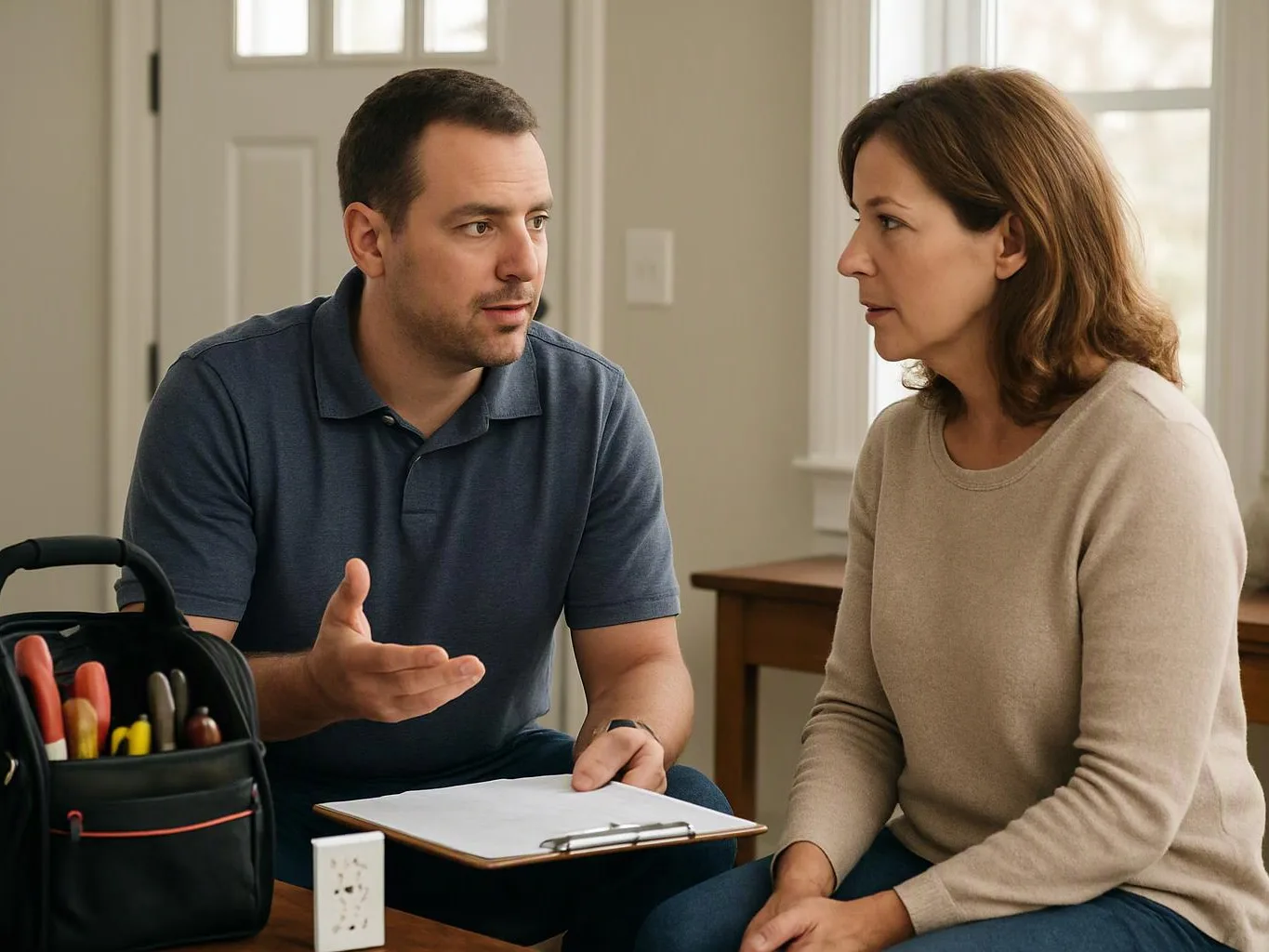
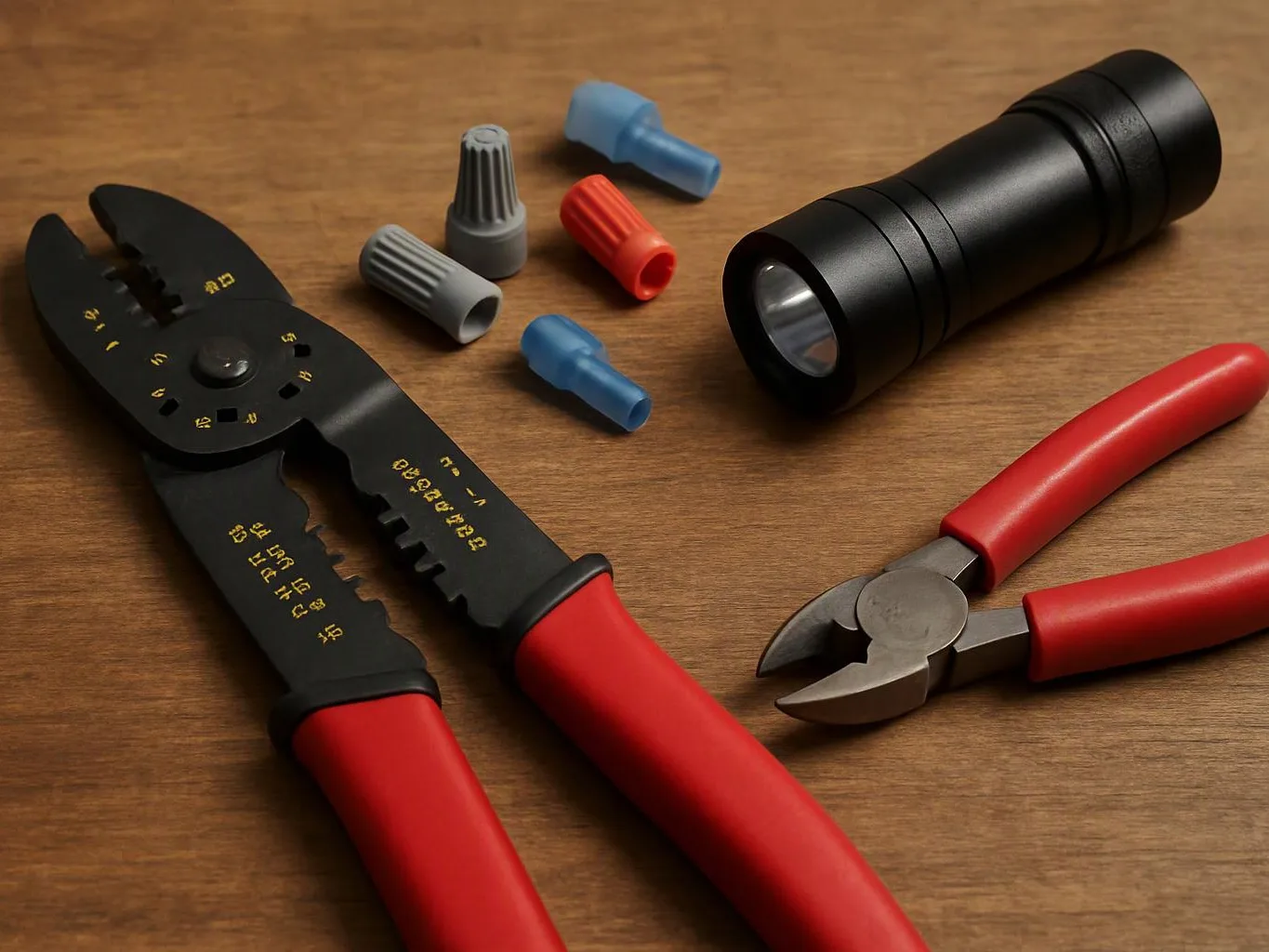
Voltage drops are diagnosed through circuit tracing, connection testing, and fault logging. Chris Miller Electric checks the affected circuit while the reported load is present, then inspects terminals, conductors, outlets, and panel connections. The recorded pattern helps show whether the fault is loose hardware, wire corrosion, overload, or another issue.
What does the crew look at first during electrical troubleshooting?
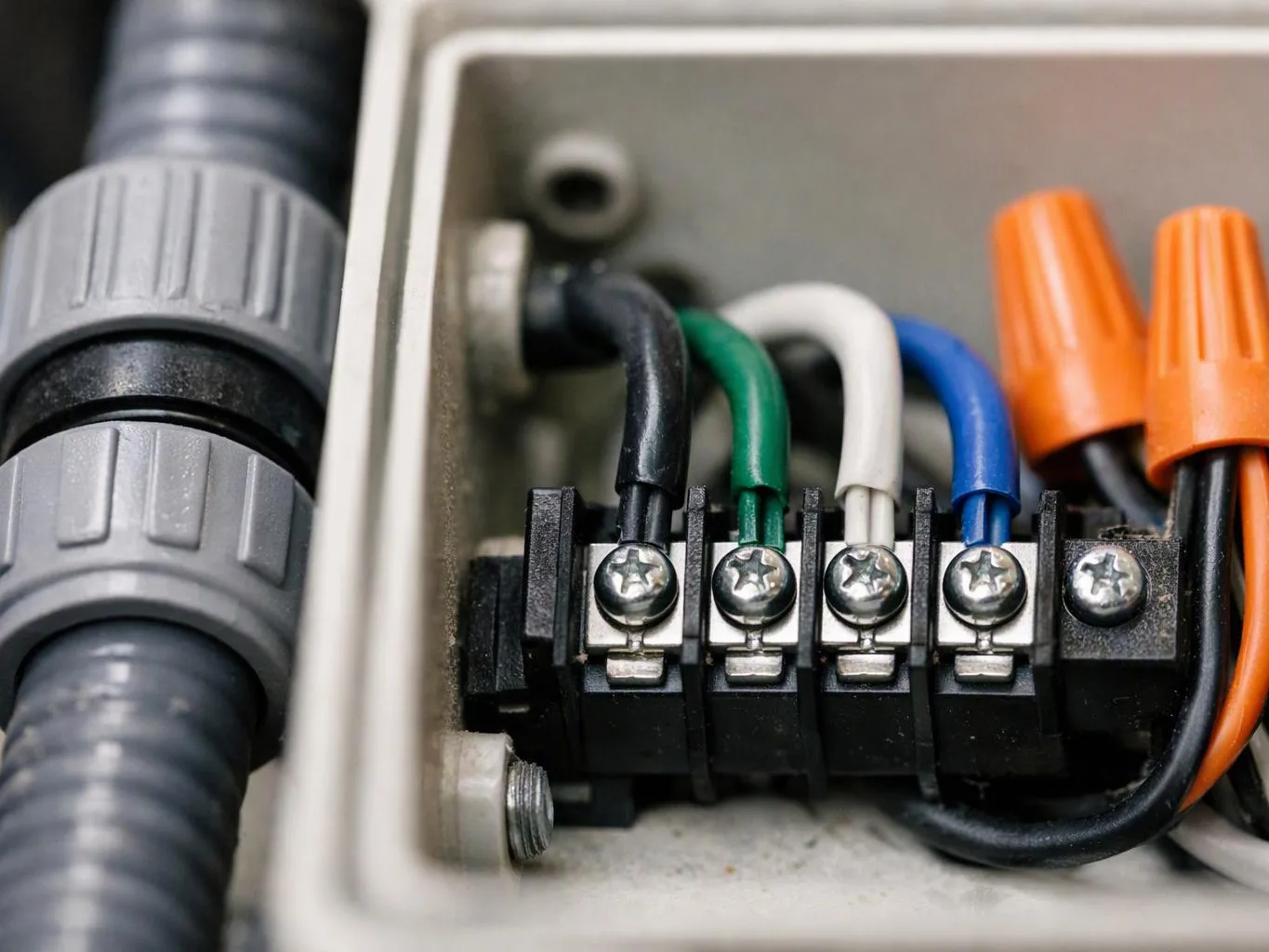
The reported symptom and affected circuit come first. We identify the related breaker, inspect the nearest accessible connection, and check for heat, damage, or loose terminals. That first check helps us choose the next test without opening unrelated parts of the electrical system.
Which signs mean an electrical fault needs urgent attention?
A burning smell, buzzing panel, sparking outlet, or repeated breaker trip needs urgent attention. Stop using the affected equipment and keep clear of damaged parts. Our 24-hour emergency electrical response handles urgent electrical concerns, while testing determines the repair needed.
What should be checked before electrical troubleshooting is scheduled?
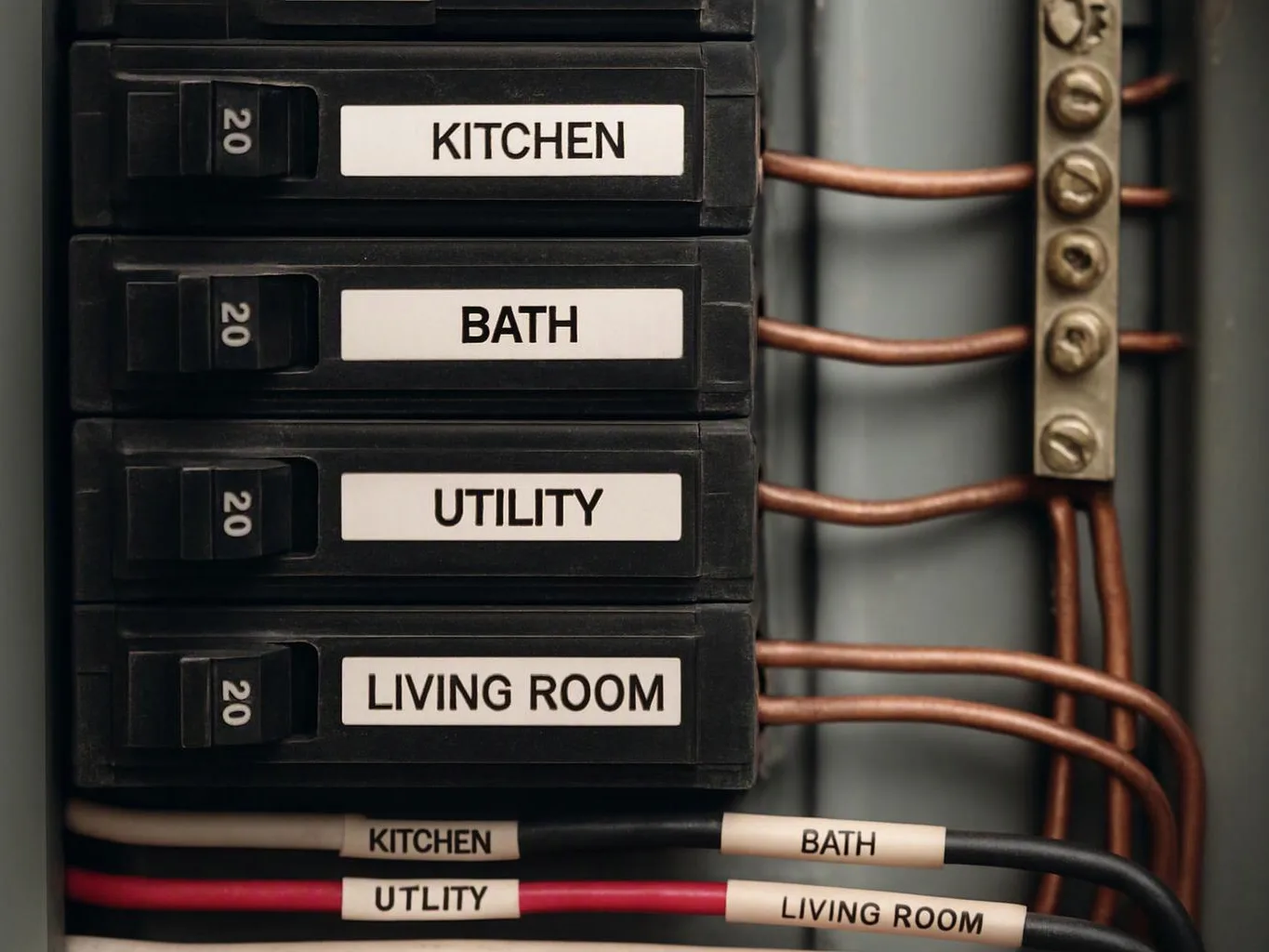
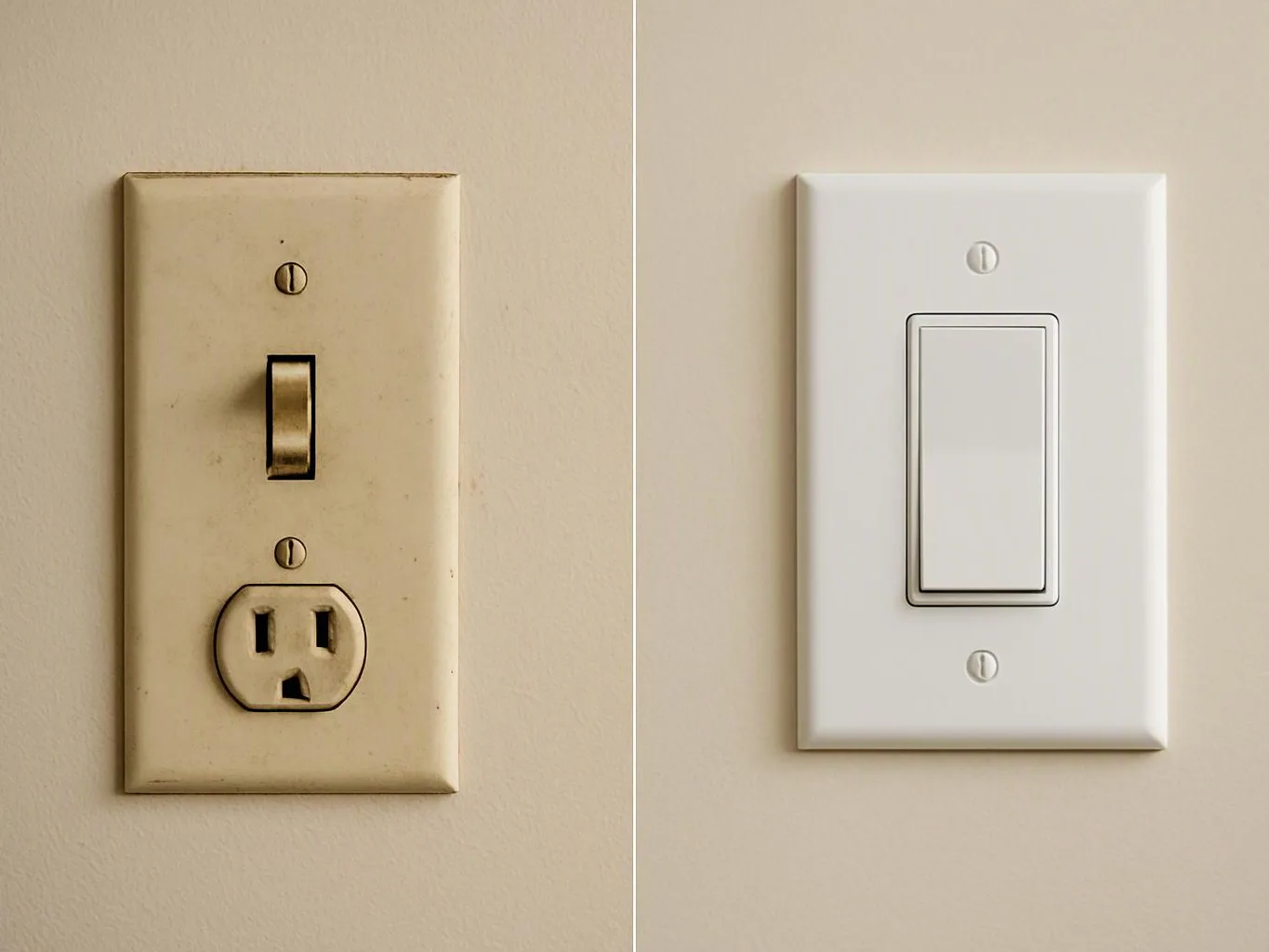
The affected devices, breaker position, recent changes, and visible warning signs should be noted first. Do not remove covers or handle damaged wiring. Photos of a panel label or outlet can help describe the issue, but testing still needs to confirm the cause.
Why can a breaker keep tripping after it is reset?
A breaker can keep tripping when the circuit has an overload, short, damaged wire, or unstable connection. Repeated resets don't identify the cause and can leave a fault active. We trace the circuit, inspect the panel, and test the connected load before setting a repair scope.
When does a wiring problem call for a panel inspection?
A wiring problem calls for a panel inspection when the fault reaches the breaker, service conductors, or multiple branch circuits. We check the panel connections and circuit layout when symptoms extend beyond one outlet or fixture. The findings show whether panel repair, circuit work, or a wider inspection fits.
How does the price change when a fault is hard to access?
Access changes the price when testing requires more tracing, opened finishes, panel work, or added wiring repair. We explain the added scope before proceeding. Free estimates are available, so the requested assessment can address access and likely repair needs together.