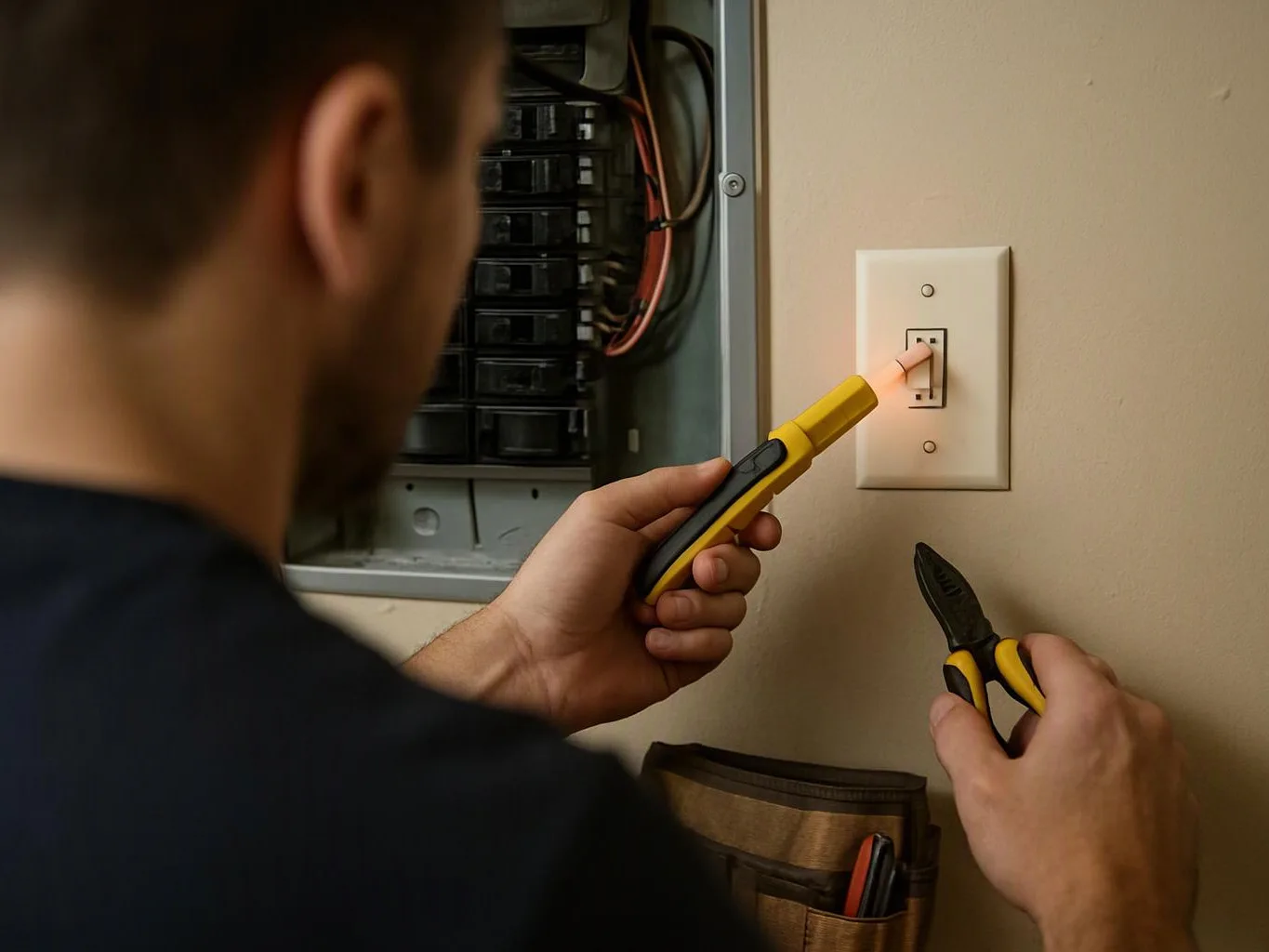
EV Charger Installation Cost Factors: Wiring, Circuit, and Electrical Panel Work — Fort Wayne, Indiana
EV charger installation cost factors include wiring distance, dedicated circuit requirements, electrical panel capacity, charger location, and code-related work; Chris Miller Electric evaluates these conditions and explains what our quote includes before installation.
Request an EstimateWhat Changes the Cost of EV Charger Installation?
EV charger installation cost changes when the electrical system, wiring route, charger location, or required corrective work changes.
We review the planned home EV charger, the charging equipment, and the path from the electrical panel to the charging location. A Level 2 charger may require a dedicated circuit, new branch-circuit wiring, or panel work based on the existing electrical load.
Chris Miller Electric evaluates these conditions in Fort Wayne, Indiana, then explains the installation requirements and quote scope before work begins.
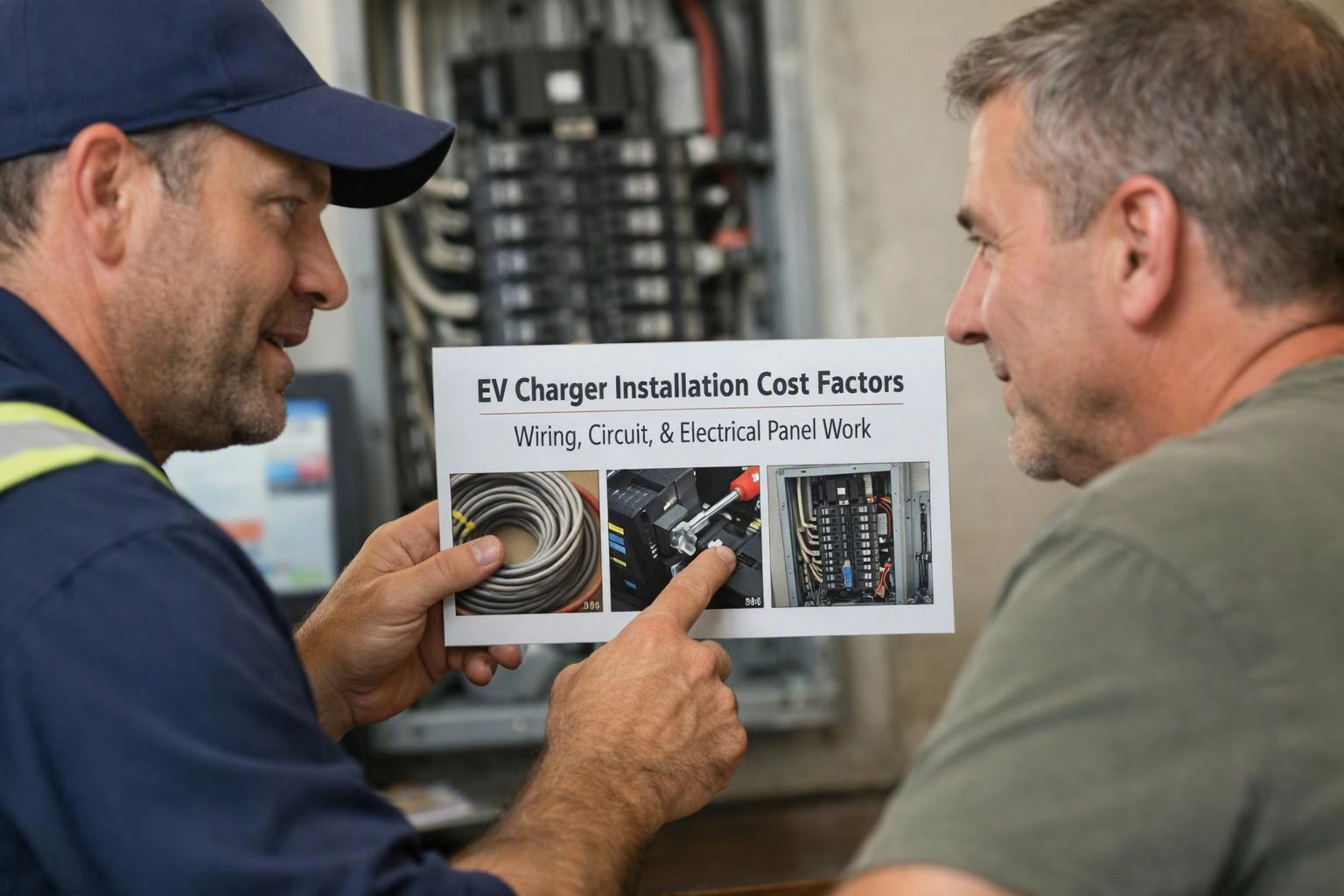
EV Charger Installation Cost Factors at a Glance
Each factor affects the amount of electrical work, materials, and preparation required for the charging equipment. Our team reviews the full route and existing system so the proposed scope matches the property.
| Factor | Why it changes the cost | What to prepare |
|---|---|---|
| Wiring route | A longer or less direct cable route can require more wire, conduit, fastening, and access work. | Identify the electrical panel and preferred charger location. |
| Dedicated circuit | The charger may need a new branch circuit and correctly sized circuit breaker. | Have the charger model and vehicle charging requirements available. |
| Electrical panel capacity | Limited service capacity or breaker space may require panel repair or an upgrade. | Provide access to the existing electrical panel. |
| Charger location | Garage and exterior locations create different wall penetration, protection, and routing needs. | Mark the preferred charging location and vehicle parking area. |
| Trenching | An exterior route may require trenching or additional protection for underground wiring. | Identify the proposed outdoor route and access conditions. |
| Electrical code correction | Unsafe or outdated existing work may need correction before charging equipment is connected. | Share details about prior electrical work or known concerns. |
Our quote separates the main installation from related electrical work that the site requires. This helps you understand which conditions shape the proposed project.
How Wiring Distance and Routing Affect the Work
Branch-circuit wiring connects the charger to the electrical panel through a planned cable route. We select the wire gauge, conduit, and protection based on the charger requirements and the installation path.
Open access can make routing more direct. Finished walls, tight spaces, or an exterior installation can require additional wall access, surface conduit, or weather-protected equipment.
Our crew reviews the route before installation so the quote reflects the actual access conditions.
Why a Longer or More Complex Cable Route Requires More Work
A longer cable route requires more wire and may require more conduit, supports, and connection points. We also check whether the route passes through finished walls, a crawl space, or attic access areas.
Finished walls can limit direct access to the route. Our team plans the work around the structure and explains any access-related installation requirements before we proceed.
When a Dedicated Circuit Changes the Installation
A dedicated circuit gives the EV charger its own branch circuit and circuit breaker. We complete a load calculation to compare the EV charging load with the home’s existing electrical demand.
A new circuit may require wiring from the electrical panel to the charger location. The required wire gauge and breaker depend on the charging equipment and the planned electrical design.
Our Dedicated Circuit Installation work includes reviewing the circuit path and connecting the charging equipment within the planned scope.
How Electrical Panel Capacity Affects the Project
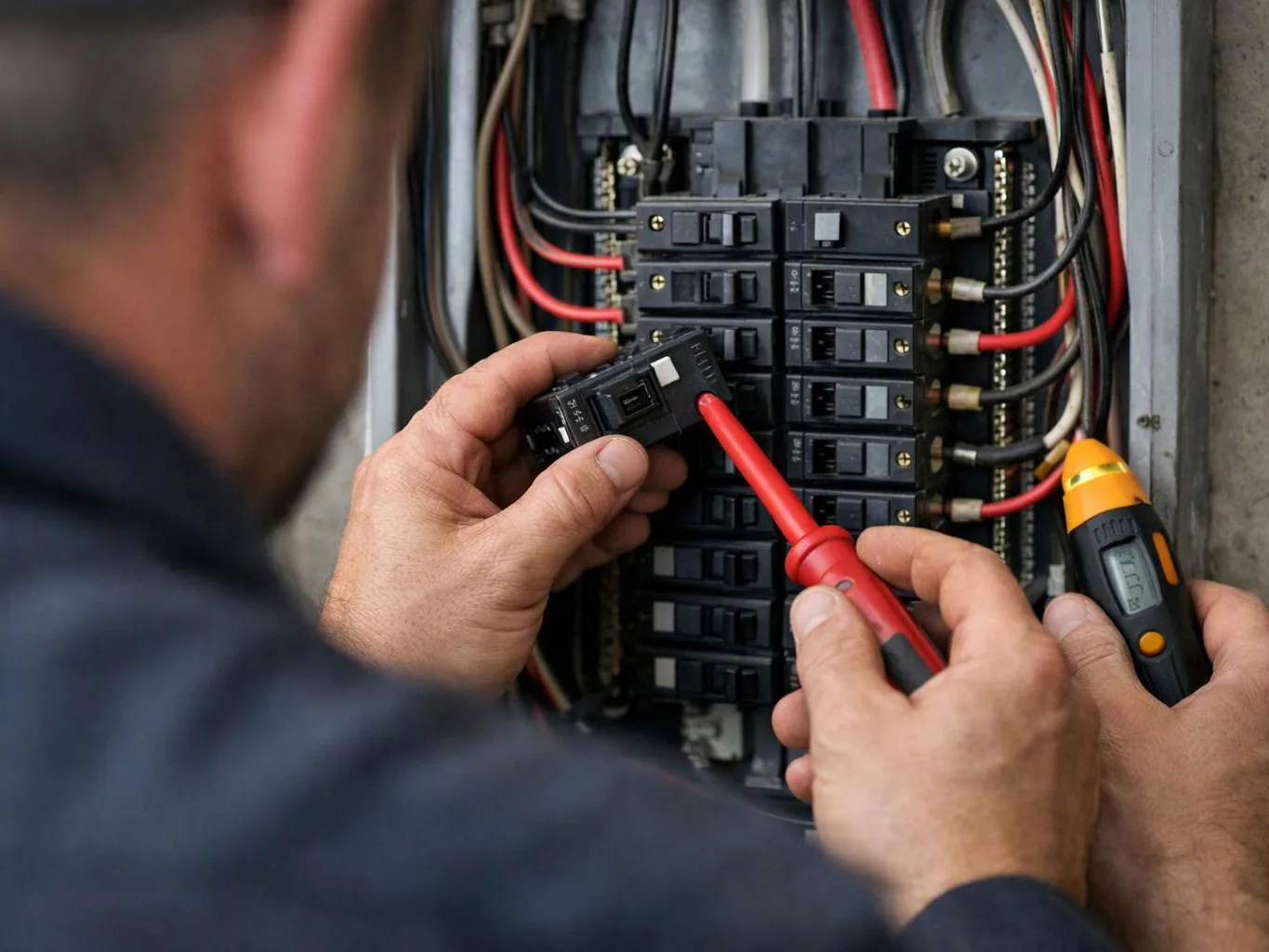
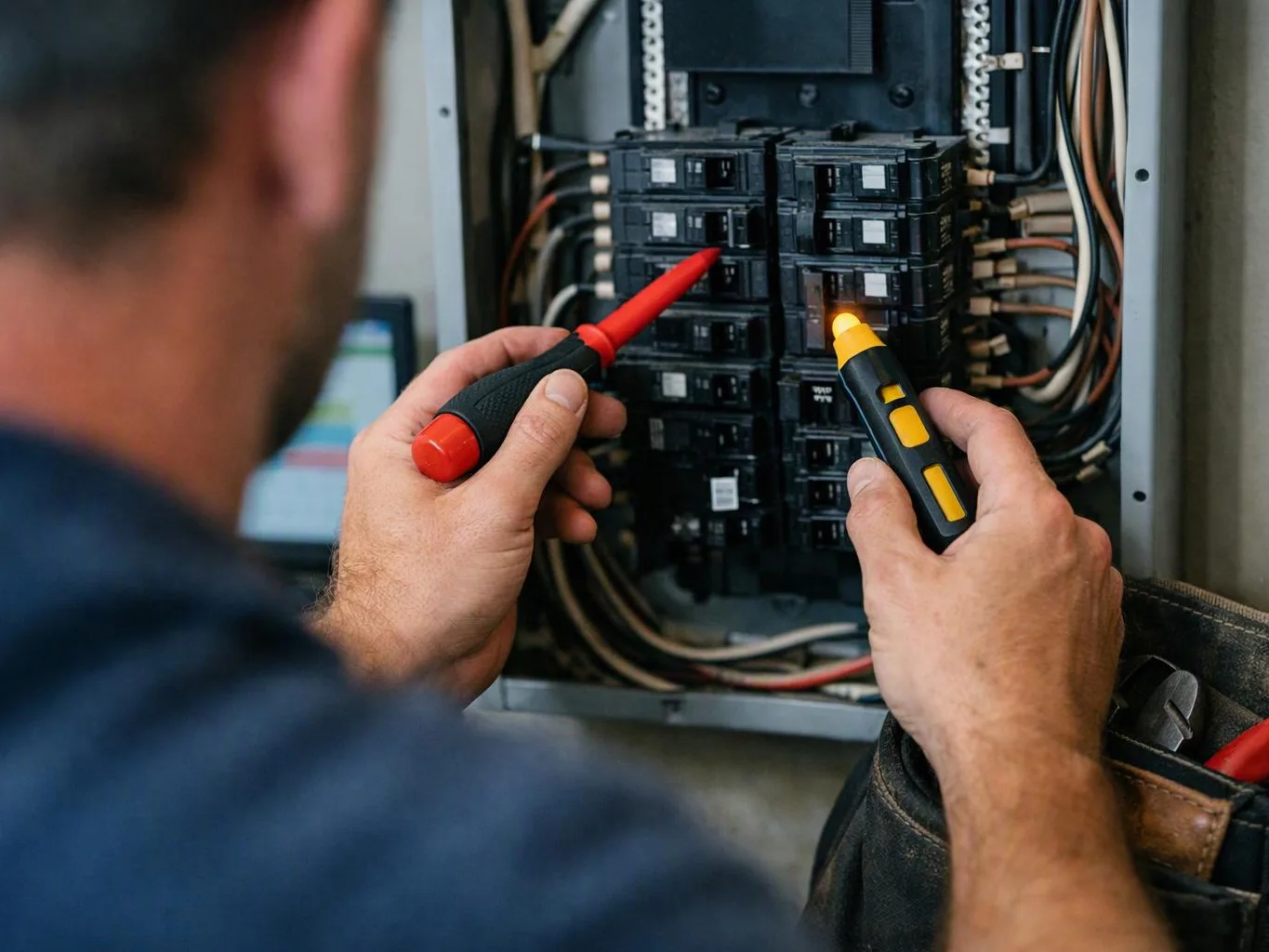
Electrical panel capacity affects whether the home can support the added charging load. We check service capacity, available breaker space, existing circuit demands, and the condition of the circuit breaker connections.
Available breaker space does not always mean the service has enough capacity for a new EV charger. Our team uses a load calculation to guide the proposed circuit and identify whether panel work belongs in the installation scope.
When the existing panel cannot support the planned equipment, an Electrical Panel Upgrade may become part of the project.
When Panel Work Becomes Part of EV Charger Installation
Panel work becomes part of EV charger installation when an inspection finds damage, an overloaded circuit, poor connections, or capacity limits.
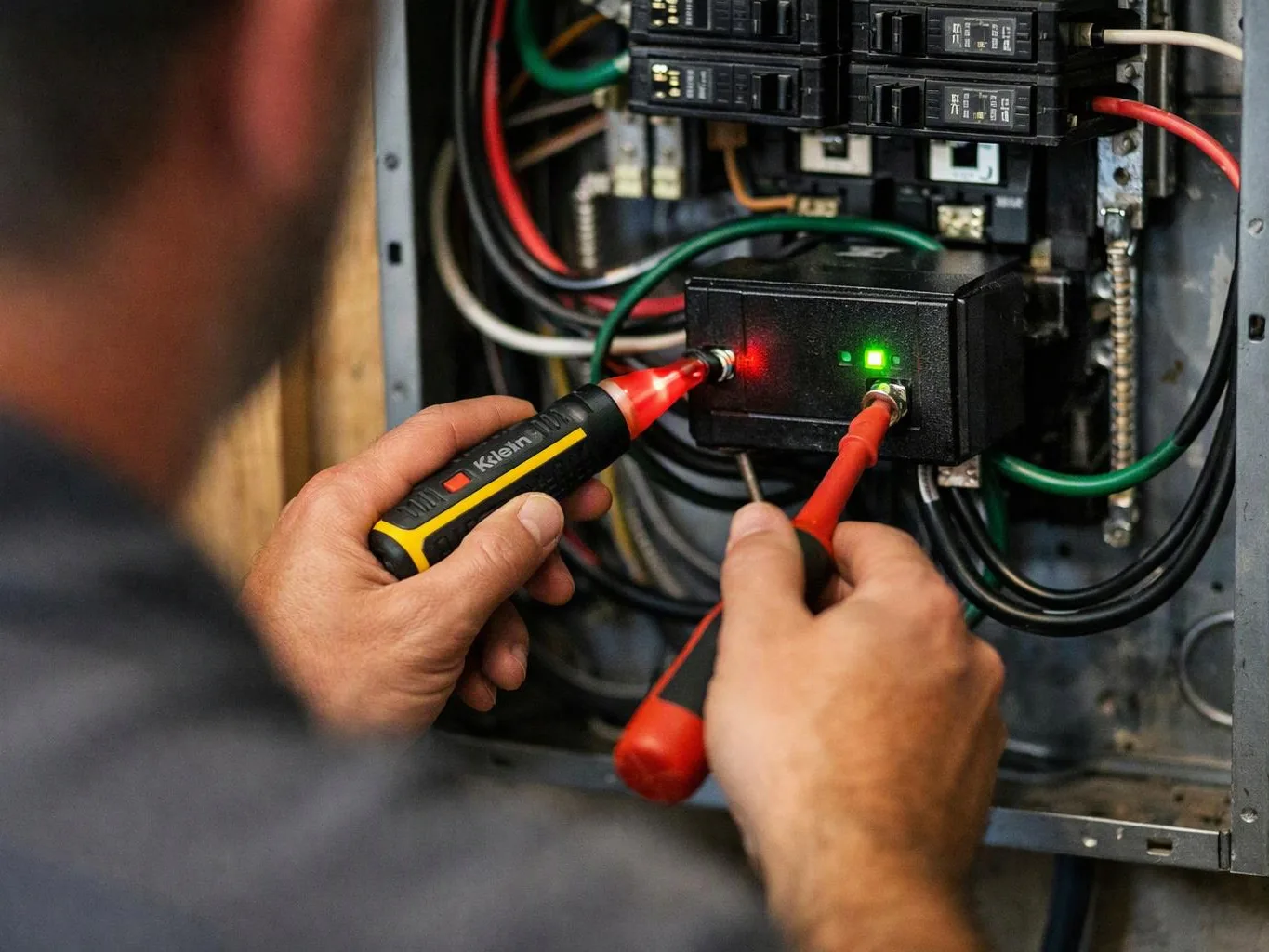
We complete panel repair or recommend an upgrade when the existing equipment cannot safely support the charging load. Corrective work protects the installation and addresses electrical safety before the charger is placed in service.
How Charger Location and Site Access Affect the Quote
Charger location affects the cable route, mounting method, wall penetration, and access needed for installation. A garage installation may have a shorter route, while an exterior charger may need weather protection and additional conduit.
Trenching can become part of an outdoor installation when wiring must pass below an outdoor area. Seasonal winter freezing, snow, and ice can also affect exterior charging equipment in Fort Wayne, Indiana, so we account for exposure when planning the installation.
Our crew reviews garage access, exterior wall conditions, parking position, and other site access concerns before defining the quote scope.
What Our EV Charger Installation Quote Includes
Our EV charger installation quote explains the electrical work, wiring route, circuit requirements, panel work, materials, and site conditions included in the proposed scope.
We begin with a site assessment and wiring review. We then evaluate the dedicated circuit, electrical panel, load calculation, charger location, and any electrical code correction needed for the planned installation.
The quote also identifies work connected with the installation scope, such as conduit, wall access, trenching, or panel repair. Contact us with the charger details and property information to obtain an exact quote from Chris Miller Electric.
Five Ways to Control Installation Costs Without Cutting Safety
Safe planning can reduce unnecessary changes by helping our team understand the project before work begins. These choices do not replace the electrical inspection or required corrective work.
Our team uses these details to define the installation requirements without removing work needed for electrical safety.
How to Prepare for an Accurate EV Charger Quote
The most useful quote information includes the charging equipment, preferred location, panel location, and access conditions. We use these details to review the likely wiring route and electrical scope.
Clear information helps us prepare a quote scope that matches the property and the charging equipment.
When to Request Emergency EV Charger Repair
Request Emergency EV Charger Repair when the charger, wiring, or circuit shows damage, overheating, burning odor, repeated breaker trips, or another electrical hazard.
A charger fault or loss of charging can involve the equipment, circuit breaker, connection points, or damaged wiring. Stop using the charger when you see signs of burning, heat damage, exposed wiring, or unusual electrical sounds.
We inspect the affected equipment and identify the repair needed before restoring charging operation. Do not handle damaged wiring or open electrical equipment yourself.
How Chris Miller Electric Helps Plan the Right Electrical Work
Chris Miller Electric plans EV Charger Installation by reviewing the charger, load calculation, wiring route, electrical panel, and charger location together. Our team explains how each condition affects the proposed work.
We also provide Dedicated Circuit Installation when the charging equipment needs a new branch circuit. Electrical Panel Upgrade work may be included when service capacity, breaker space, or panel condition prevents a safe installation.
When the charger or its wiring presents an immediate hazard, our Emergency EV Charger Repair service addresses the affected electrical equipment. Contact Chris Miller Electric to discuss the site conditions and request an exact quote.
Contact Chris Miller Electric about your EV charger installation
Questions About EV Charger Installation Costs
Does an EV charger always need a dedicated circuit?
Yes, many home EV charger installations require a dedicated circuit because charging equipment adds a sustained electrical load. Chris Miller Electric reviews the charger requirements, circuit breaker, and existing load before selecting the circuit design.
Can an existing electrical panel support an EV charger?
Yes, an existing electrical panel can support an EV charger when its service capacity, breaker space, condition, and calculated electrical load support the planned equipment. We inspect the panel and complete a load calculation before defining the installation scope.
What panel problems can add work to an EV charger installation?
Panel problems that can add work include damaged connections, an overloaded circuit, limited service capacity, poor panel condition, or insufficient breaker space. We explain whether panel repair, circuit breaker work, or an Electrical Panel Upgrade belongs in the quote scope.
Does installing an EV charger outside change the electrical work?
Yes, an exterior EV charger can change the electrical work because the installation may need weather protection, exterior conduit, wall penetration, or trenching. We review the outdoor route and site access before preparing the quote.
What should I have ready before requesting an EV charger installation quote?
Have the EV charger model, vehicle charging requirements, preferred charger location, electrical panel location, garage or exterior access details, and information about existing electrical work ready. We use these details to review the wiring route and prepare an accurate installation scope.
Related Resources
When an EV Charger or Battery Backup Problem Is an Electrical Emergency
What It SolvesEmergency Electrical Help for Hot Tub, Pool, and Dedicated Circuit Problems
What Goes With ItShould You Add Whole-House Surge Protection With a Panel Upgrade?
What Goes With ItEV Charger and Dedicated Circuit Installation: What Comes First?