
What is American Wire Gauge?
American Wire Gauge is a standardized system that identifies electrical wire diameter with numbered sizes. Smaller AWG numbers indicate larger conductors, while larger numbers indicate smaller conductors. Wire size affects current capacity, voltage drop, installation methods, and safe circuit speed. The system applies mainly to solid and stranded nonferrous wire.
Quick Facts About American Wire Gauge
Category
Electrical measurement system
Measured by
Conductor diameter and cross-sectional area
Used for
Selecting wire for circuits and equipment
Common confusion
A lower number means a larger wire
Also called
AWG, gauge wire size
Often discussed with
Electrical Panel Upgrades, Electrical Code Corrections
Key Takeaways About American Wire Gauge
- Lower American Wire Gauge numbers identify thicker wire with greater electrical capacity.
- Wire size must match circuit amperage, conductor length, insulation rating, and installation conditions.
- A larger wire can reduce voltage drop. But it does not replace proper circuit protection.
- AWG describes conductor size, while ampacity describes how much current the conductor may safely carry.
Understanding American Wire Gauge
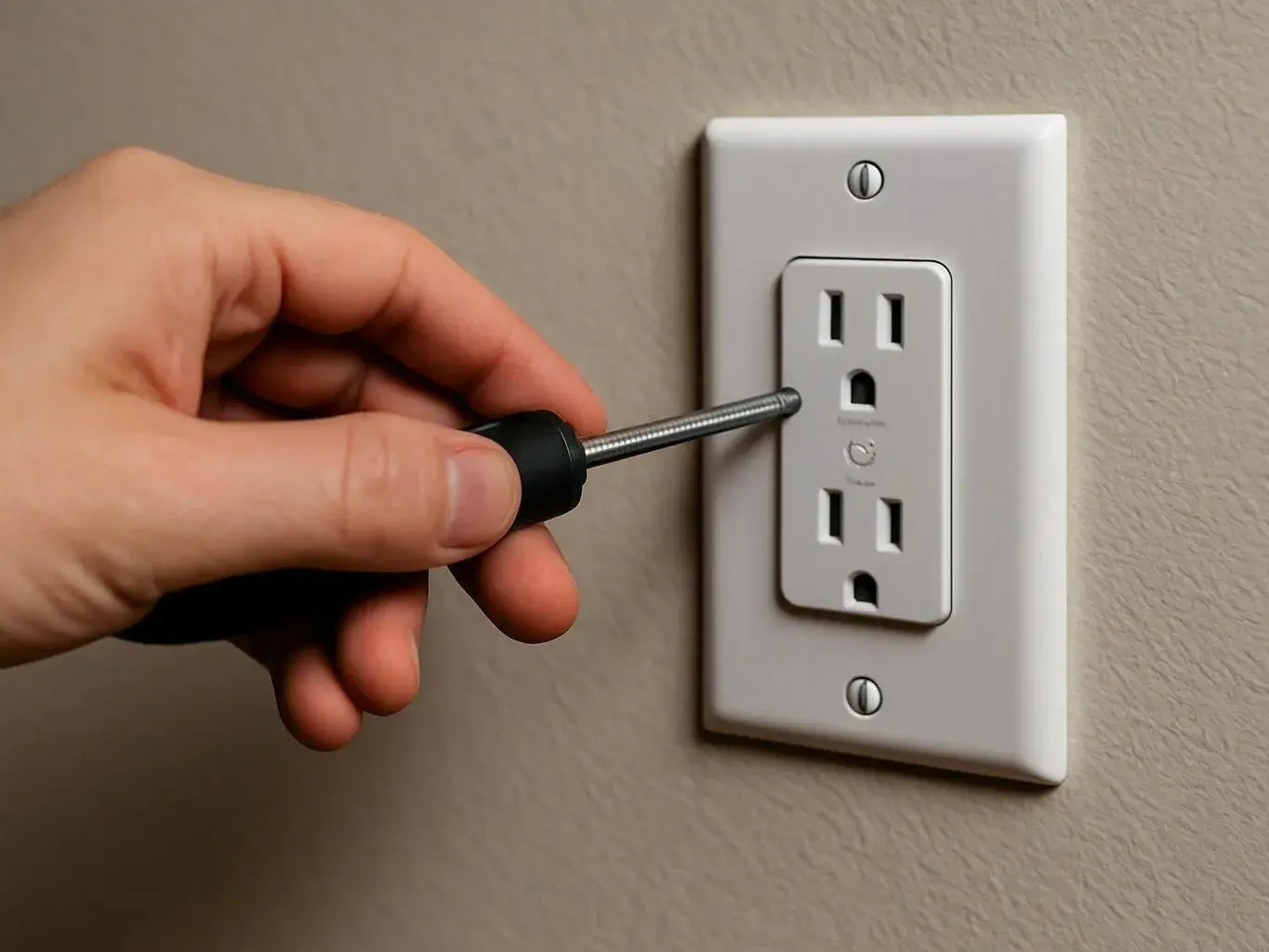
American Wire Gauge, often called AWG, is a numbered system for describing the diameter of electrical conductors. The system is most common for copper and aluminum wire. It's used in buildings, equipment, and low-voltage applications. A 10 AWG conductor is larger than a 14 AWG conductor.
Related glossary terms: Ampacity, Amperage, National Electrical Code.
The numbering pattern can seem backward at first. Lower numbers identify larger conductors, while higher numbers identify smaller conductors. Wire diameter affects resistance, heat, and voltage drop. It also affects the current a conductor can carry under stated conditions.
How American Wire Gauge Works, Is Measured, or Is Used?
AWG sizes follow a geometric scale rather than a simple one-unit change in diameter. Each size step changes the conductor area by a consistent ratio, so, 12 AWG isn't simply twice the diameter of 14 AWG. Manufacturers may list diameter, area, and strand count alongside the AWG designation.
Electricians select a wire size by comparing the expected load with the conductor's permitted ampacity. The selection also considers insulation temperature, wire length, and ambient heat. It considers current-carrying conductors and installation inside conduit or cable. A circuit's circuit breaker must protect the conductor from excessive current.
For example, 14 AWG copper commonly appears on 15-amp branch circuits. 12 AWG copper commonly appears on 20-amp branch circuits. Those examples are common design patterns, not universal rules. The National Electrical Code and equipment instructions control the final selection. They apply when conditions differ.
Why American Wire Gauge Matters?
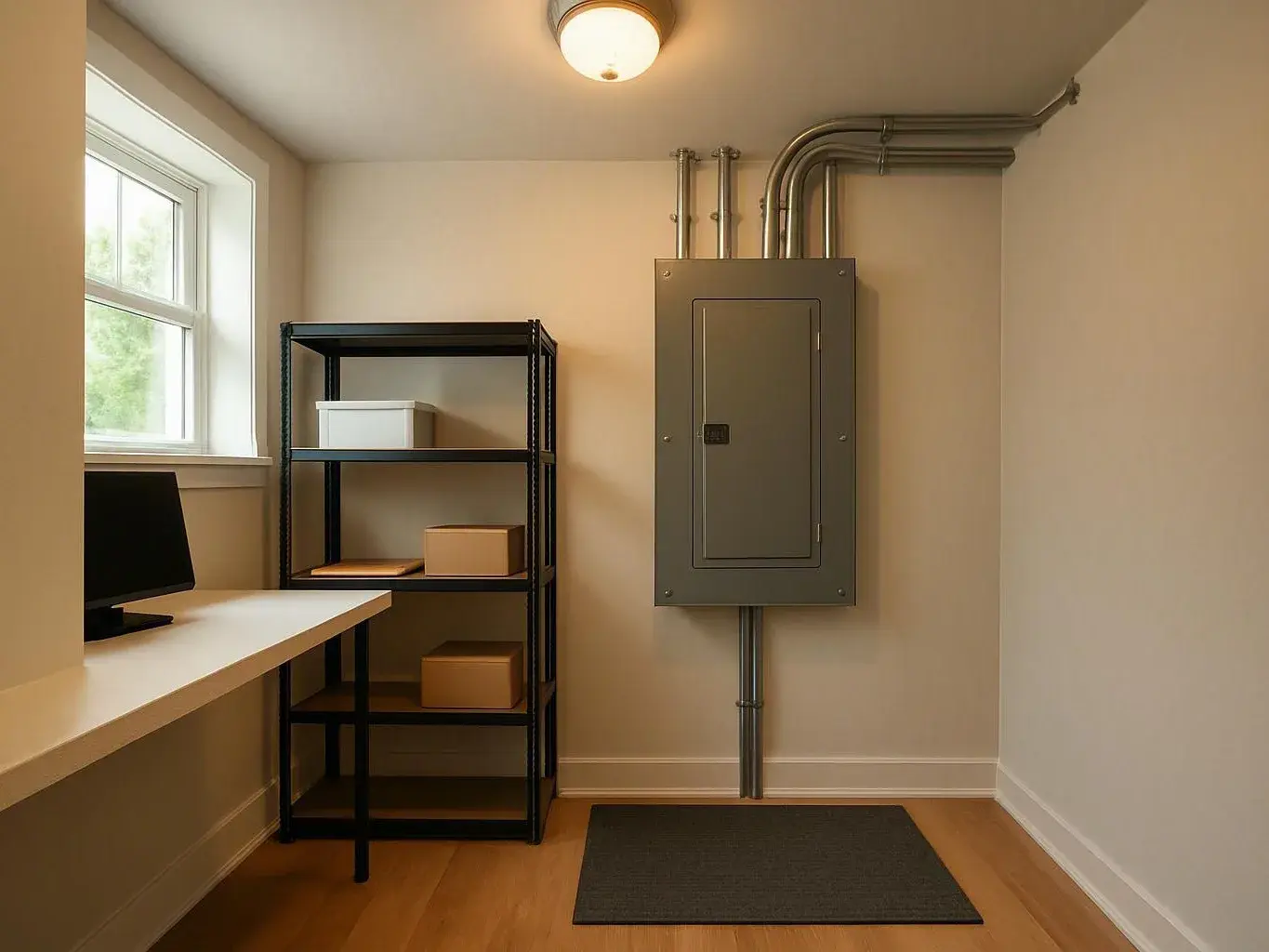
Correct wire size limits conductor heating and helps equipment receive needed voltage. An undersized conductor can develop excess heat when its load exceeds its rating. A long run with an otherwise acceptable size can also lose enough voltage. This loss can affect motors, lights, or electronic equipment.
AWG also gives inspectors, installers, and equipment makers a shared language. Workers can compare cable markings with the circuit rating and terminal rating. They can also check the installation method before work begins. A larger conductor may reduce voltage drop. Oversizing doesn't make an incorrectly rated breaker or terminal safe.
When American Wire Gauge Matters Most?
AWG becomes especially important during new circuit installation, panel changes, equipment replacement, and troubleshooting. It matters when a load increases or a circuit extends over a long distance. It matters when conductors pass through hot spaces. It also matters when matching wire.receptacles, terminals, motors, and other connected equipment.
Before selecting a conductor, verify the load calculation, breaker rating, insulation marking, and cable listing. Check whether local rules require.electrical permit or inspection for the work. For a 24 Hour Electrician serving Fort Wayne, IN, these checks help address urgent faults. They also help avoid missed wire size, voltage drop, or code requirements.
How to Evaluate American Wire Gauge?
- Read the printed AWG marking on the cable jacket or conductor insulation.
- Compare the wire size with the circuit breaker rating and the calculated load.
- Check conductor material, insulation temperature, terminal ratings, and installation conditions.
- Estimate voltage drop on long runs, especially for motors, heaters, and sensitive electronics.
- Look for overheated insulation, discolored terminals, loose connections, or repeated breaker trips.
Related Concepts Compared
American Wire Gauge vs. Ampacity
Ampacity is the maximum current a conductor may carry under stated conditions. AWG identifies conductor size, but ampacity also depends on insulation, temperature, installation method, and other factors.
American Wire Gauge vs. Amperage
Amperage is the amount of electric current flowing through a circuit. AWG describes wire size, which helps determine whether a conductor can safely carry that current.
American Wire Gauge vs. Voltage Drop
Voltage drop is the reduction in voltage along a conductor caused by resistance. Larger AWG conductors usually have less resistance and can reduce voltage drop on long circuits.
American Wire Gauge vs. Metric Wire Size
Metric wire sizing usually uses square millimeters of cross-sectional area. AWG uses numbered sizes, so the two systems require a conversion rather than a direct name match.
Expert Note
Do not choose wire from AWG alone. The same size conductor can have different ampacity results because of insulation temperature, conductor material, ambient heat, bundling, and termination limits.
Common Mistakes or Myths About American Wire Gauge
- Assuming a higher AWG number means a thicker wire.
- Choosing wire by breaker size without checking ampacity conditions.
- Treating copper and aluminum conductors as interchangeable.
- Ignoring voltage drop on long circuits.
- Using a larger wire while leaving an unsuitable terminal or breaker in place.
American Wire Gauge in Practice: A Real-World Example
A 20-amp kitchen receptacle circuit may call for 12 AWG copper conductors under common conditions. If the circuit travels a long distance or passes through a hot, crowded space, the installer may need a different design after checking ampacity and voltage drop.
Sources & Further Reading on American Wire Gauge
Related Terms
Ampacity
Ampacity is the maximum current, measured in amperes, that a conductor can carry continuously under specified…
Amperage
Amperage is the amount of electric current flowing through a circuit, measured in amperes, also called…
National Electrical Code
National Electrical Code is a widely adopted safety standard for designing, installing, and inspecting electrical systems…
Voltage Drop
Voltage Drop is the reduction in electrical voltage that occurs as current travels through a wire…
Chris Miller Electric
Have Questions About American Wire Gauge?
Contact Chris Miller Electric for practical guidance on American Wire Gauge and related 24 hour electrician work in Fort Wayne.