
What is an Amperage?
Amperage is the amount of electric current flowing through a circuit, measured in amperes, also called amps. It describes the rate at which electric charge moves through wires and electrical devices. Amperage affects wire size, circuit breaker ratings, equipment capacity, heat production, and the risk of an overloaded circuit.
Quick Facts About Amperage
Category
Electrical measurement
Formula
Amperage equals voltage divided by resistance
Measured by
Ammeter or clamp meter
Used for
Sizing circuits, wiring, breakers, and equipment
Common confusion
Amperage is not the same as voltage or ampacity
Also called
Current, Electrical current
Key Takeaways About Amperage
- Amperage measures current flow, while voltage measures electrical pressure.
- A circuit’s wire size and breaker rating must match its expected amperage.
- Excessive amperage can overheat wiring and create fire or equipment risks.
- An electrical meter can measure current. But safe testing requires proper procedures.
- A device’s amperage demand may change during startup and normal operation.
Understanding Amperage
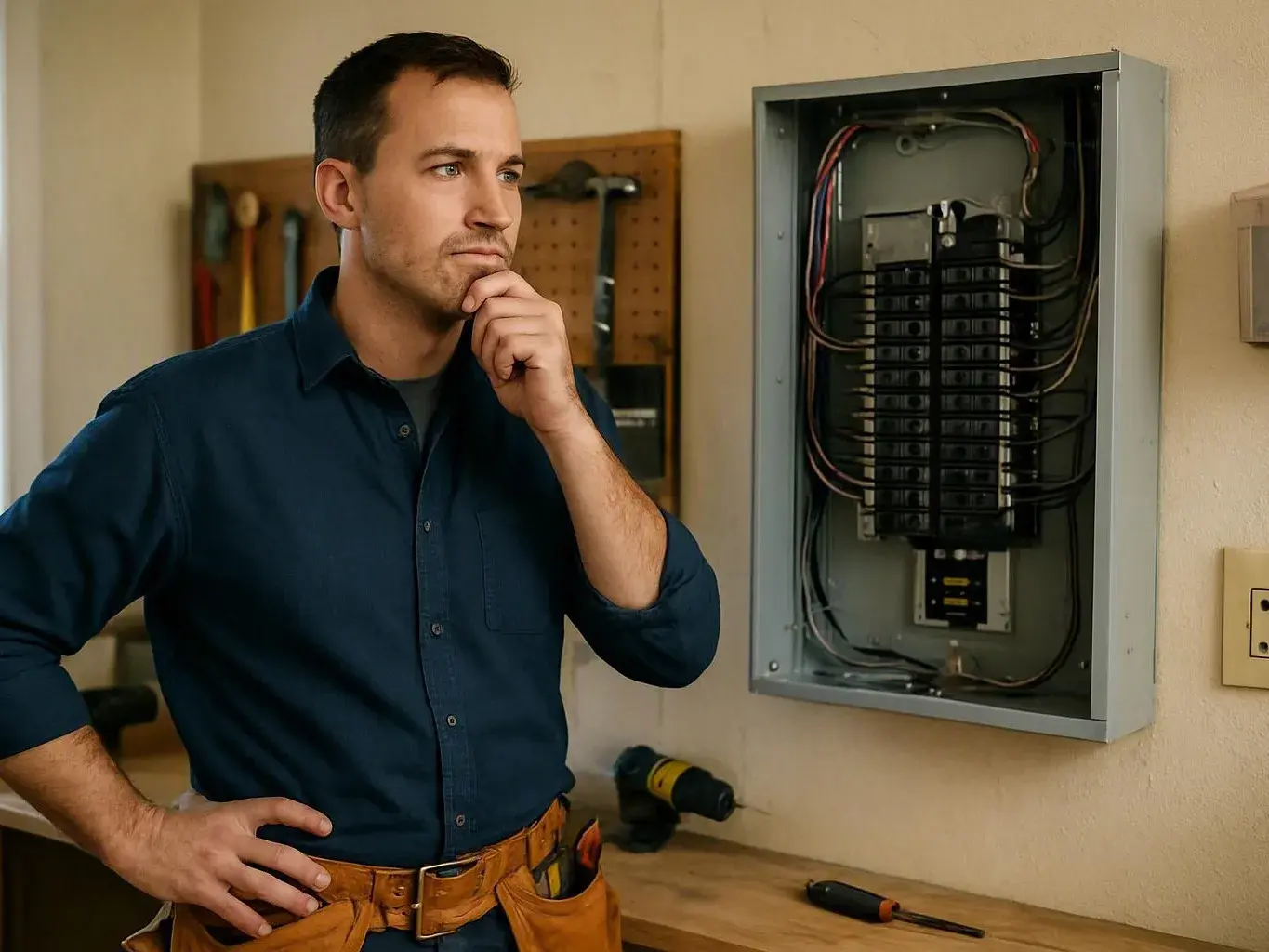
Amperage describes the amount of electric currentmoving through a circuit. It measures the current at a given time. The unit's.amperecommonly shortened to amp. A higher amp reading means more electric charge flows through the conductors.
Related glossary terms: American Wire Gauge, Ampacity, Circuit Breaker.
Amperage is one part of the relationship between voltage, current, and resistance. Voltage provides electrical pressure. Resistance opposes current flow. For a simple circuit, Ohm’s law expresses this relationship as I = V ÷ R. Here, I means current in amperes. V means voltage. R means resistance in ohms. Real equipment can draw different current levels during startup, operation, or a fault.
How Amperage Works, Is Measured, or Is Used?
Amperage is measured with an ammeter or clamp meter. A standard meter may need to become part of the circuit. A clamp meter measures the magnetic field around one conductor. It does this without disconnecting the wire. The selected test method must match the equipment, voltage, and safety conditions.
Electrical designers use expected amperage to select wire size, overcurrent protection, and equipment ratings. A circuit breaker interrupts power when current exceeds its intended range. It acts when the current creates a dangerous condition. The circuit must also account for starting current from motors, compressors, and other equipment. A nameplate often lists running amps and voltage. It may also list a separate starting or locked-rotor value.
The relationship between power and current helps explain common appliance loads. In a simple single-phase system, current can be estimated by dividing watts by volts. Motors and other loads may need power-factor adjustments. For example, a 1,200-watt appliance at 120 volts draws about 10 amps. This estimate assumes ideal conditions. Actual current can vary with the appliance design and supply voltage.
Why Amperage Matters?
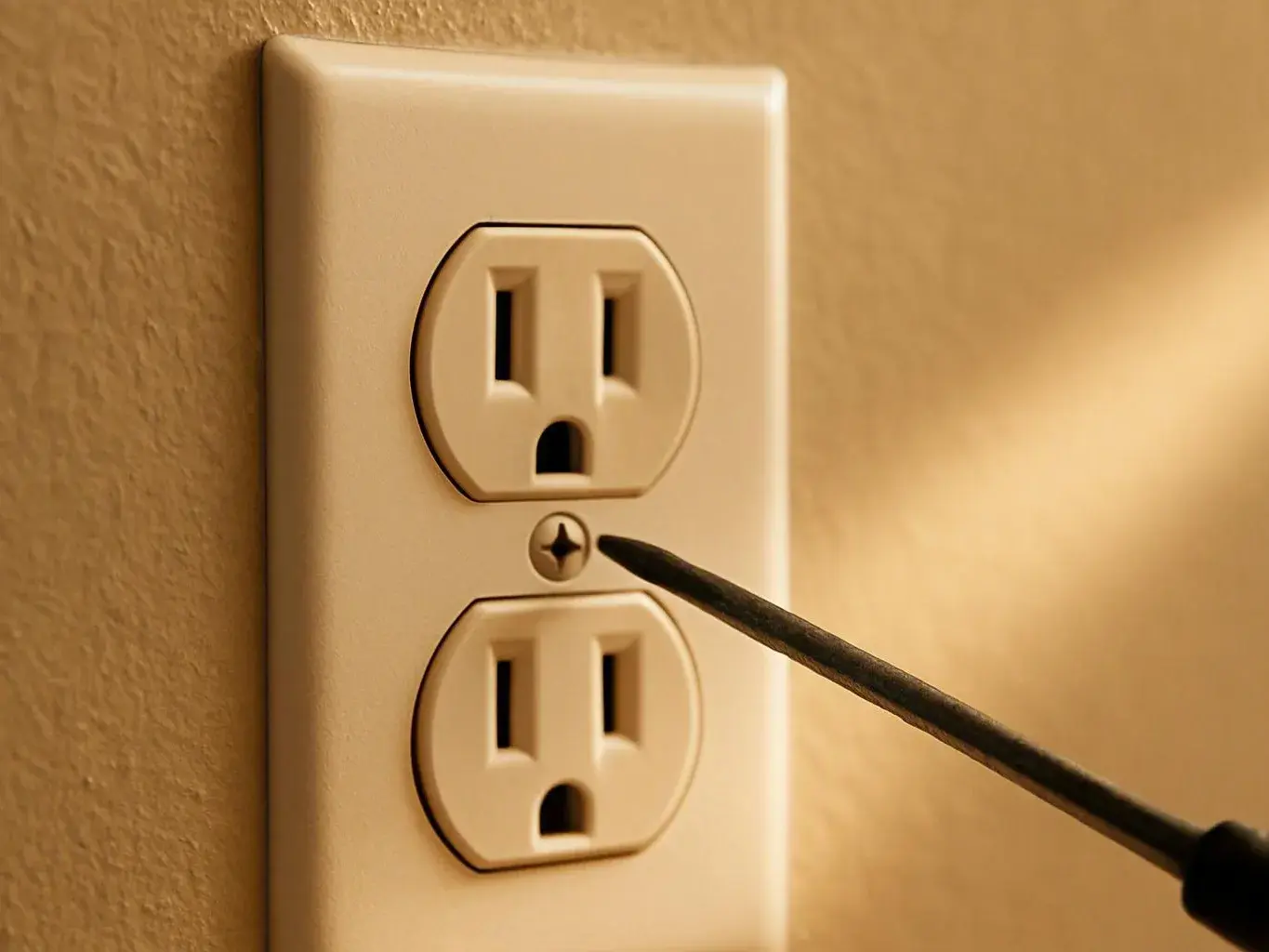
Amperage affects conductor heating, equipment performance, and circuit safety. When current exceeds what a wire can carry, heat builds in the conductor. Heat can also build in its connections. A correctly rated breaker limits this risk, but a breaker can't correct every problem. These problems include a loose terminal, damaged insulation, or an improperly sized conductor.
Knowing the expected current helps identify whether an existing circuit supports new equipment. A panel may have open spaces yet lack enough service capacity. This can happen with an added heat pump, electric range, or workshop tool. A load calculation considers equipment that may run at the same time. It doesn't just count breaker spaces. This review can prevent nuisance trips and reduce overheating risks.
When Amperage Matters Most?
Amperage deserves close attention during panel upgrades, service upgrades, and new appliance installations. Electricians compare equipment nameplates with circuit ratings and wire size. They also check breaker size and available service capacity. A new 50-amp appliance circuit may need more than a new breaker. The existing panel or service may not support the added load.
Amperage also matters when breakers trip repeatedly. It matters when lights dim during motor startup. It matters when outlets feel warm or equipment performs poorly. Replacing a breaker with one rated for more amps doesn't solve an overloaded circuit. It also doesn't solve an undersized circuit. Stop using equipment that produces heat, burning odors, buzzing, or visible damage. Arrange a qualified inspection before restoring normal use. In Fort Wayne, IN, emergency electrical work may need a quick load assessment. Technicians may also need to check damaged wiring and safely isolate the circuit.
How to Evaluate Amperage?
- Compare the equipment nameplate amperage with the circuit breaker rating and electrical design.
- Check whether the wire size is suitable for the circuit’s permitted current and installation conditions.
- Record running current and consider higher startup current from motors and compressors.
- Look for repeated breaker trips, warm outlets, flickering lights, buzzing, or burning odors.
- Confirm that a proposed load fits the service load calculation, not only the available panel spaces.
Related Concepts Compared
Amperage vs. Voltage
Voltage is electrical pressure, measured in volts. Amperage is the current flow produced when that pressure moves charge through resistance.
Amperage vs. Ampacity
Ampacity is the maximum current a conductor can carry safely under stated conditions. Amperage is the current actually flowing through the circuit.
Amperage vs. Wattage
Wattage measures electrical power. In a simple circuit, watts can be estimated by multiplying volts by amps.
Amperage vs. Circuit Breaker
A circuit breaker is a protective switching device. It opens the circuit when current reaches a dangerous condition, while amperage is the measured current itself.
Expert Note
A nameplate amp value may describe normal operation rather than startup demand. Motors, compressors, and transformers can draw a brief surge, so circuit sizing must consider equipment instructions, conductor conditions, and the applicable electrical code.
Common Mistakes or Myths About Amperage
- Assuming a larger breaker makes an undersized wire safe.
- Confusing amperage with voltage, wattage, or ampacity.
- Measuring current around multiple conductors with a clamp meter.
- Ignoring startup current from motors and compressors.
- Adding a high-demand appliance without reviewing the service load.
Amperage in Practice: A Real-World Example
A 1,500-watt space heater on a 120-volt circuit draws about 12.5 amps during normal operation. If other loads share that circuit, the combined amperage may cause the breaker to trip or the circuit to operate near its limit.
Sources & Further Reading on Amperage
Related Terms
American Wire Gauge
American Wire Gauge is a standardized system that identifies electrical wire diameter with numbered sizes. Smaller…
Ampacity
Ampacity is the maximum current, measured in amperes, that a conductor can carry continuously under specified…
Circuit Breaker
Circuit Breaker is an automatic electrical safety device that opens a circuit when current exceeds a…
Load Calculation
Load Calculation is a method for estimating the electrical demand a building or circuIt'll place on…
Chris Miller Electric
Have Questions About Amperage?
Contact Chris Miller Electric for practical guidance on Amperage and related 24 hour electrician work in Fort Wayne.