
What is National Electrical Code?
National Electrical Code is a widely adopted safety standard for designing, installing, and inspecting electrical systems in homes, buildings, and facilities. Published by the National Fire Protection Association as NFPA 70, the code covers wiring, equipment, grounding, overcurrent protection, and safe working clearances. Local authorities decide how the code applies.
Quick Facts About National Electrical Code
Category
Electrical safety standard
Used for
Electrical design, installation, and inspection
Relevant standard
NFPA 70
Common confusion
The NEC is not itself a federal law
Also called
NEC, NFPA 70
Often discussed with
Electrical Code Corrections, Electrical Panel Upgrades
Key Takeaways About National Electrical Code
- NFPA 70 sets safety rules for electrical design, installation, inspection, and maintenance.
- Local governments adopt code editions and may add rules through local laws.
- The code covers wiring methods, grounding, circuit protection, equipment, and working clearances.
- The code does not replace permits, inspections, maker instructions, or sound electrical design.
- Older installations may have been legal when built but may not meet current rules.
Understanding National Electrical Code

National Electrical Code, often called the NEC or NFPA 70, is a safety standard. It covers electrical installations. The National Fire Protection Association publishes the code. It updates the code through a formal review process. The code covers conductors, cables, raceways, panels, receptacles, grounding, bonding, and overcurrent protection.
Related glossary terms: Electrical Permit, Grounding Electrode, Bonding.
The NEC isn't automatically a federal law across the United States. A state, county, city, or other authority must adopt a code edition. The rules become enforceable in that area after adoption. Local amendments can change how a rule applies. The adopted edition and local requirements matter during an electrical project. The code also works with product instructions, building rules, fire codes, and permit steps.
How National Electrical Code Works, Is Measured, or Is Used?
Electrical professionals use the NEC as a reference during design, installation, repair, and inspection. A typical review starts with the electrical load, equipment rating, conductor size, circuit protection, and wiring method. The installer then checks required grounding, bonding, and working clearance rules. These rules depend on the location and equipment.
The code doesn't provide one single pass or fail measurement. Compliance depends on the installation, the adopted edition, and the authority having jurisdiction. An inspector may compare a panelboard, circuit, or receptacle installation with several rules. These include ampacity, interrupting ratingbox fill, accessibility, and protection from physical damage. Manufacturer instructions can also affect the installation. Listed equipment must be installed as marked.
Why National Electrical Code Matters?
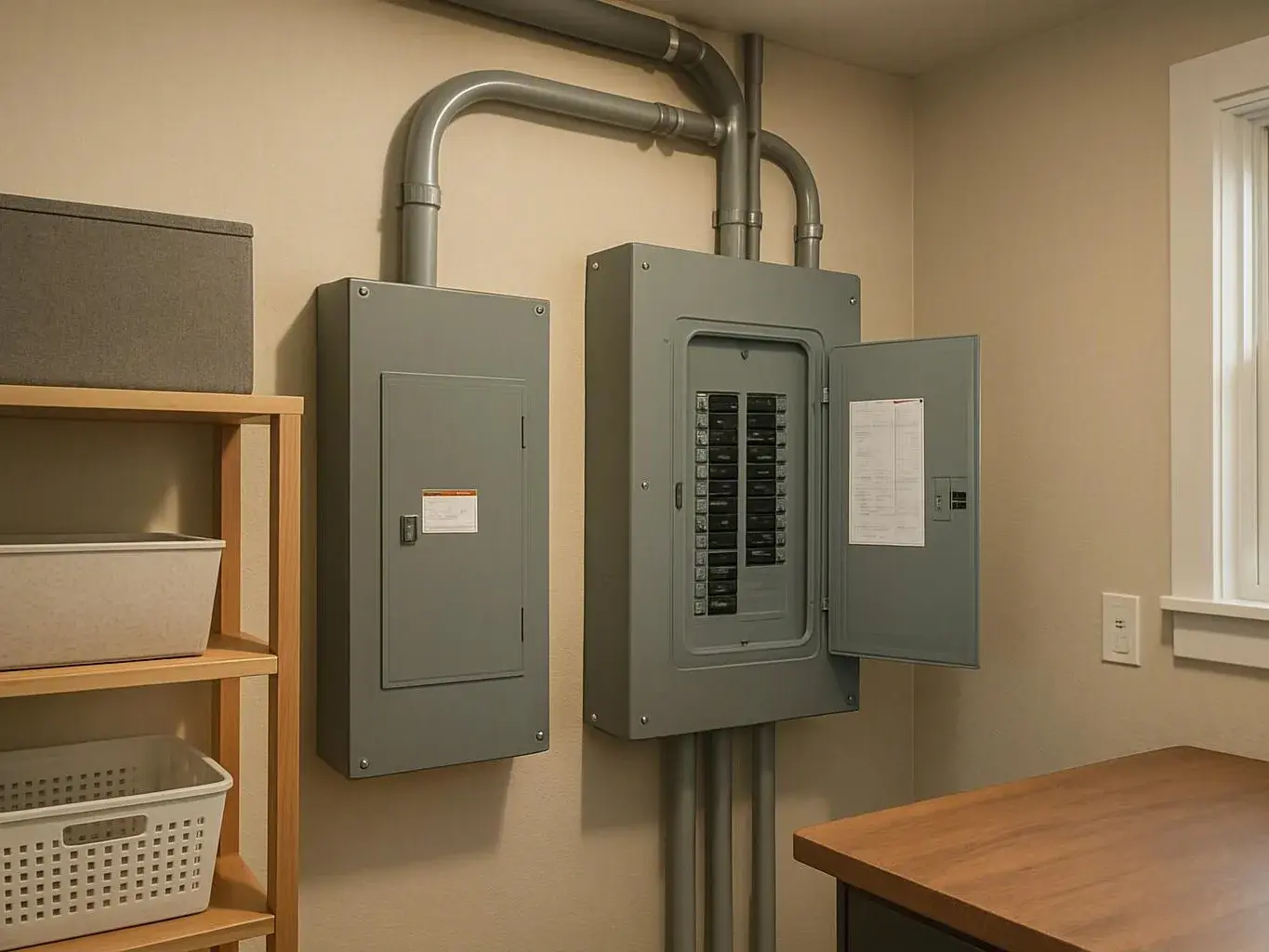
The NEC reduces predictable electrical hazards by setting minimum requirements for equipment and wiring. Correct conductor sizing helps prevent excessive heat. Suitable circuit breakers help limit fault current and overload damage. Proper ground-fault circuit interrupter protection can reduce shock risk. This applies where contact with water or grounded surfaces is possible.
Code compliance also gives inspectors, building owners, and electricians a common technical reference. A code issue can delay an inspection or require correction work. It can also affect an insurance or property transaction. Code compliance doesn't guarantee that an installation will never fail. Equipment condition, workmanship, maintenance, and unusual site conditions still affect safety.
When National Electrical Code Matters Most?
NEC requirements become especially relevant during new construction, remodeling, panel changes, service upgrades, and circuit additions. They also matter after water damage, fire damage, repeated breaker trips, or equipment replacement. A small change, such as adding a receptacle, can affect several parts. These include circuit load, box capacity, protection, and the permitted wiring method.
Older electrical systems need careful review because the rules may have changed since installation. Local rules may allow an existing installation to remain. That installation might not meet the current edition. Major alterations can trigger current requirements. The authority having jurisdiction determines which provisions apply. Useful review questions include these.
- Which NEC edition has the local authority adopted.
- Does the project require an electrical permit and inspection.
- Are conductor ampacity, breaker rating, and equipment ratings compatible.
- Are grounding, bonding, GFCI, AFCI, and working-clearance requirements satisfied.
How to Evaluate National Electrical Code?
- Identify the NEC edition adopted by the local authority having jurisdiction.
- Check whether the project needs an electrical permit, plan review, or inspection.
- Compare conductor ampacity with circuit-breaker ratings and equipment nameplate requirements.
- Verify grounding, bonding, GFCI, AFCI, box fill, and working-clearance requirements.
- Look for unlisted modifications, damaged wiring, open splices, or missing electrical covers.
Related Concepts Compared
National Electrical Code vs. Local Electrical Code
The NEC is a model standard published by NFPA.
National Electrical Code vs. National Electrical Safety Code
The National Electrical Safety Code, or NESC, mainly covers utility and outdoor electric supply systems. The NEC mainly covers premises wiring and electrical equipment in buildings.
National Electrical Code vs. Electrical Permit
An electrical permit is government approval to perform or inspect specified work. The NEC supplies technical rules that permitted work may need to meet.
National Electrical Code vs. Building Code
A building code covers wider construction issues, including structure, fire safety, and access. The NEC focuses on electrical installation safety and equipment.
Expert Note
A code question often depends on the installation date, the adopted edition, local amendments, and the exact scope of work. Do not judge compliance from a breaker label alone. Conductor type, terminal ratings, box fill, grounding paths, and equipment listing can change the result.
Common Mistakes or Myths About National Electrical Code
- Treating the NEC as a single federal law that applies identically in every location.
- Assuming an older installation must meet every rule in the newest NEC edition.
- Matching a breaker to wire size without checking conductor type, temperature rating, or equipment terminals.
- Ignoring local permit, inspection, and amendment requirements.
- Assuming code compliance removes the need for maintenance and safe operating practices.
National Electrical Code in Practice: A Real-World Example
A homeowner adds a 20-amp kitchen circuit during a remodel. NEC rules cover ampacity, receptacle placement, GFCI, grounding, box fill, and panel capacity. An electrical inspection checks those details before approval.
Sources & Further Reading on National Electrical Code
Related Terms
Electrical Permit
Electrical Permit is an official approval from a government building department that allows specified electrical work…
Grounding Electrode
Grounding Electrode is a conductive object that connects an electrical system to the earth. Common examples…
Bonding
Bonding is the electrical connection of conductive metal parts so they remain at nearly the same…
Working Clearance
Working Clearance is the unobstructed space around electrical equipment that lets qualified people install, operate, inspect…
Chris Miller Electric
Have Questions About National Electrical Code?
Contact Chris Miller Electric for practical guidance on National Electrical Code and related 24 hour electrician work in Fort Wayne.