Should You Replace a Breaker or Upgrade Your Electrical Panel?
A circuit breaker replacement fixes one bad or mismatched breaker. An electrical panel upgrade fixes low capacity, old equipment, damage, or major electrical changes. You may need both services when the panel can't safely support a new breaker. This can happen when testing finds heat damage, rust, or poor parts.
Get a Free EstimateWhat Is the Difference Between Breaker Replacement and a Panel Upgrade?
Circuit breaker replacement changes one bad, damaged, tripping, or mismatched breaker. An electrical panel upgrade replaces or improves the larger panel system. It can fix low capacity, old equipment, damage, or service needs. The right choice depends on the problem’s size.
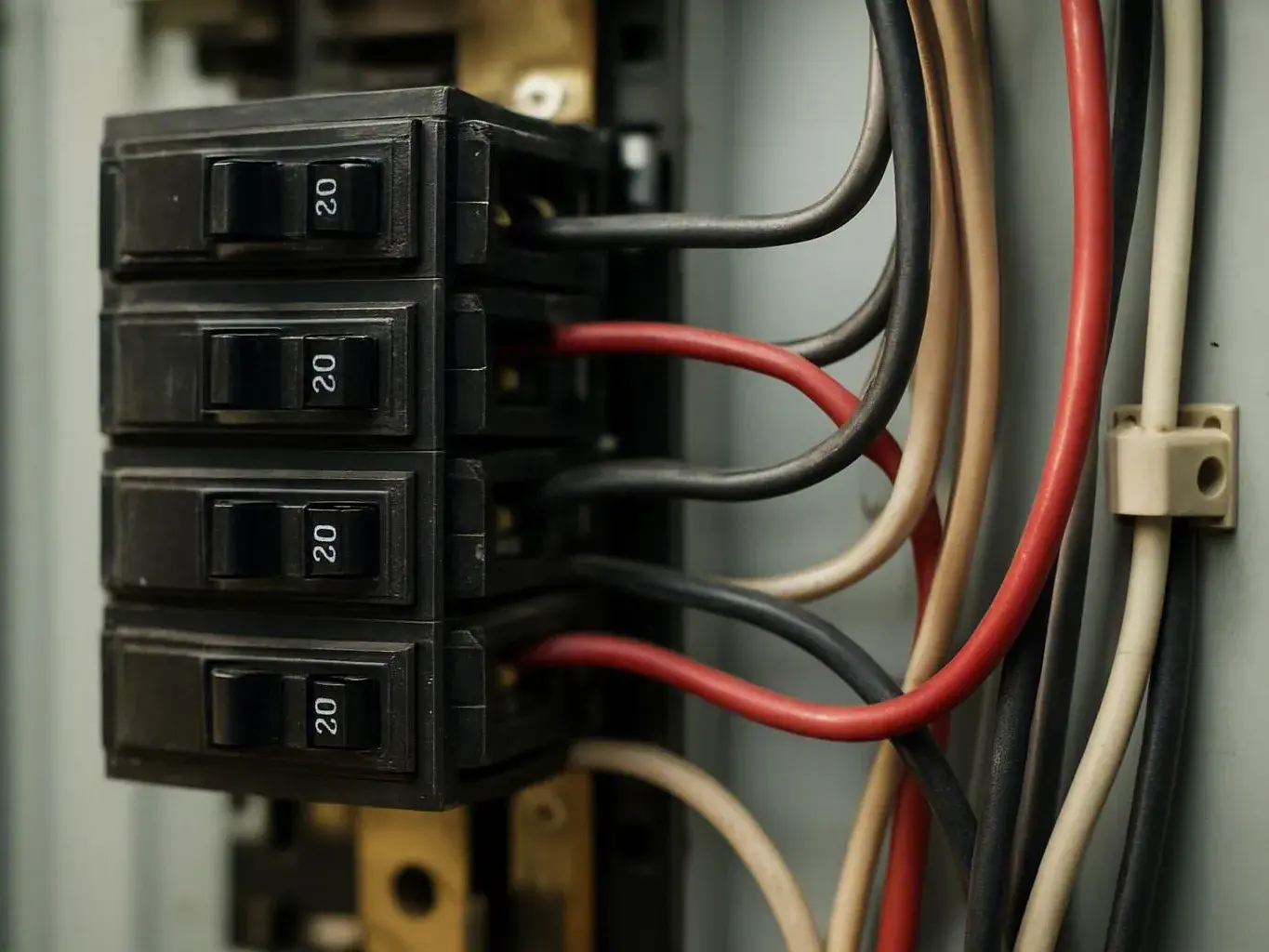
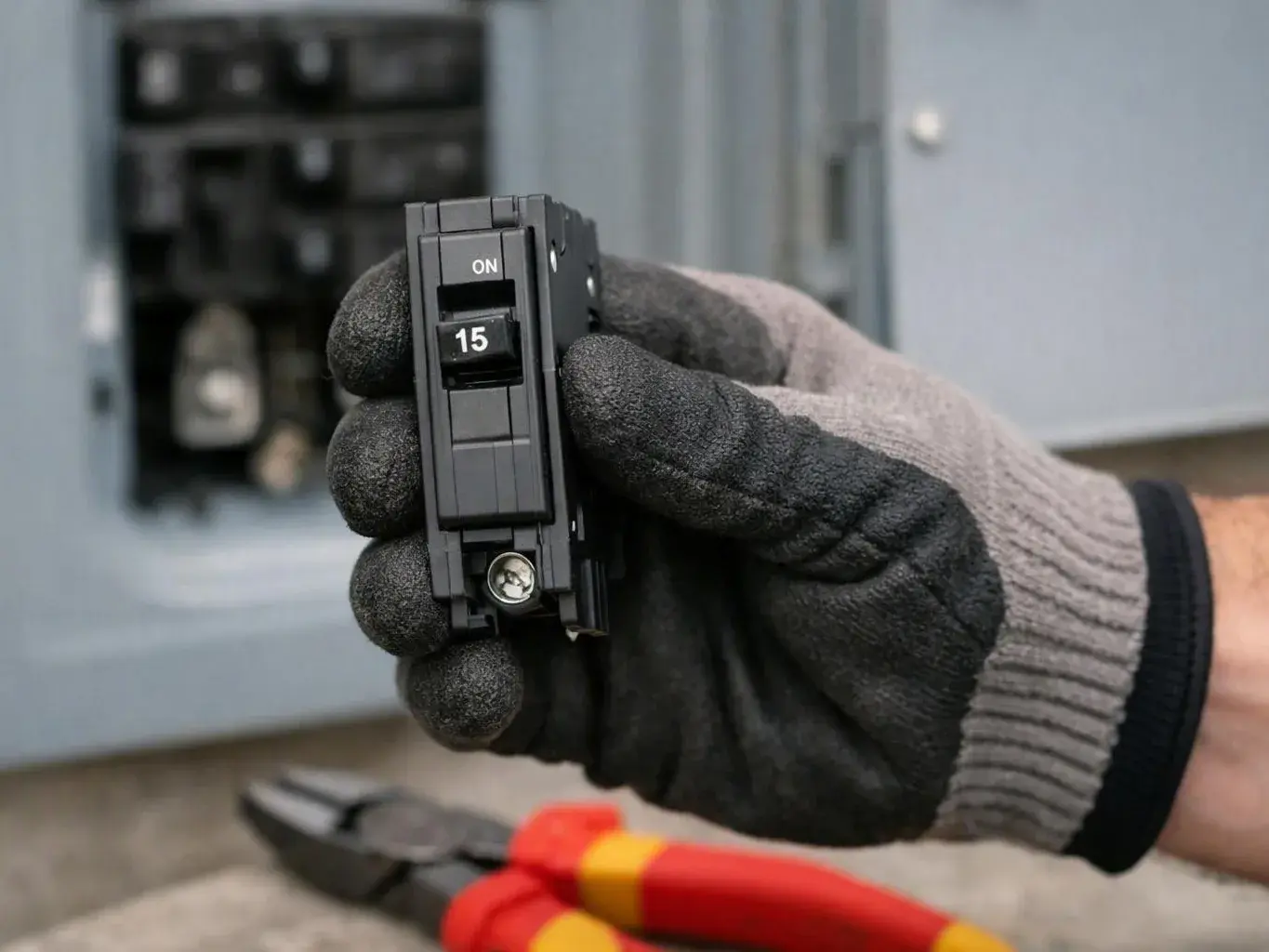
A circuit breaker protects one circuit from unsafe current. It opens when an overload or short circuit occurs. This helps reduce damage. A single-pole breaker serves one circuit. A double-pole breaker serves equipment with two hot wires.
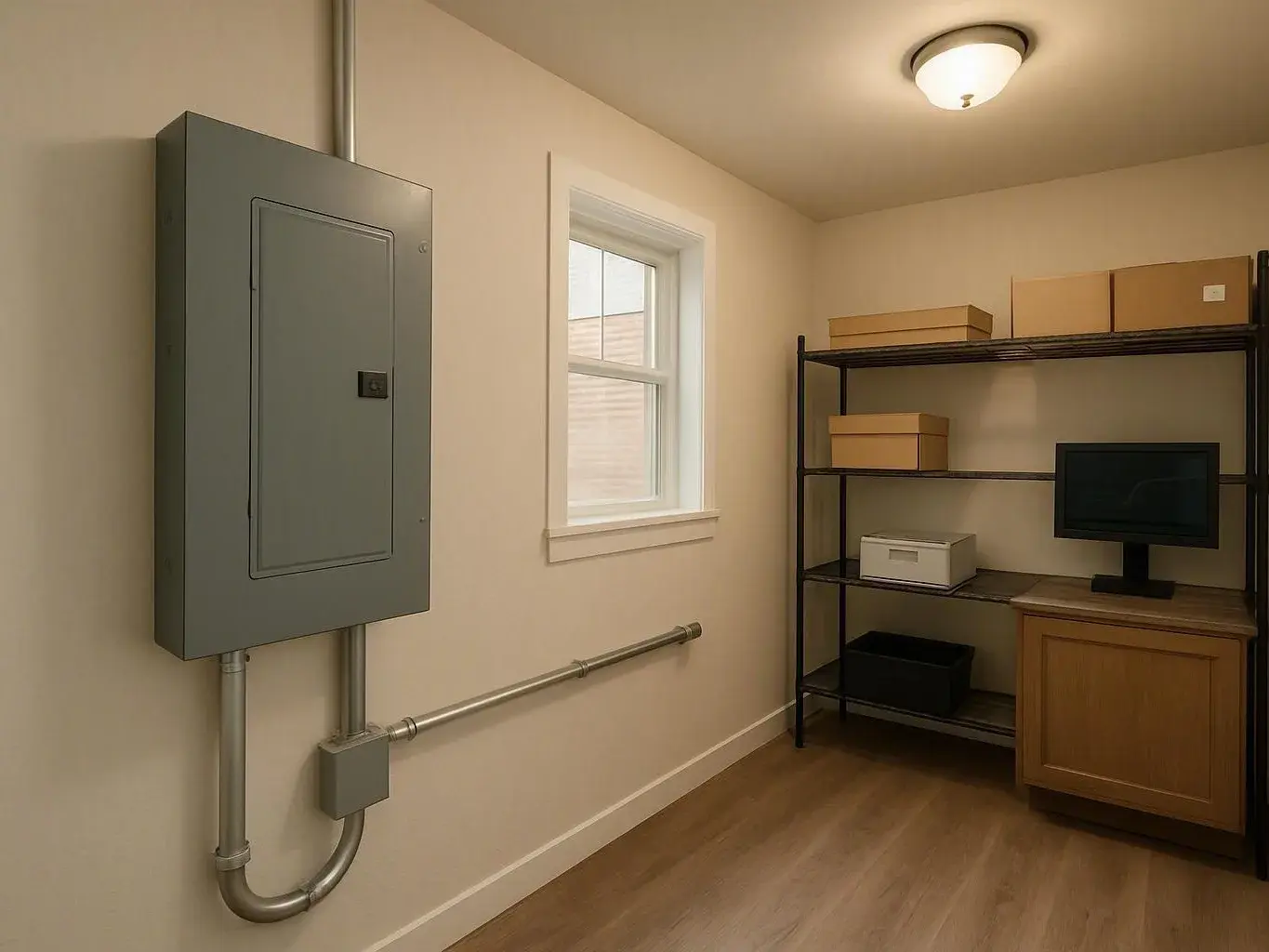
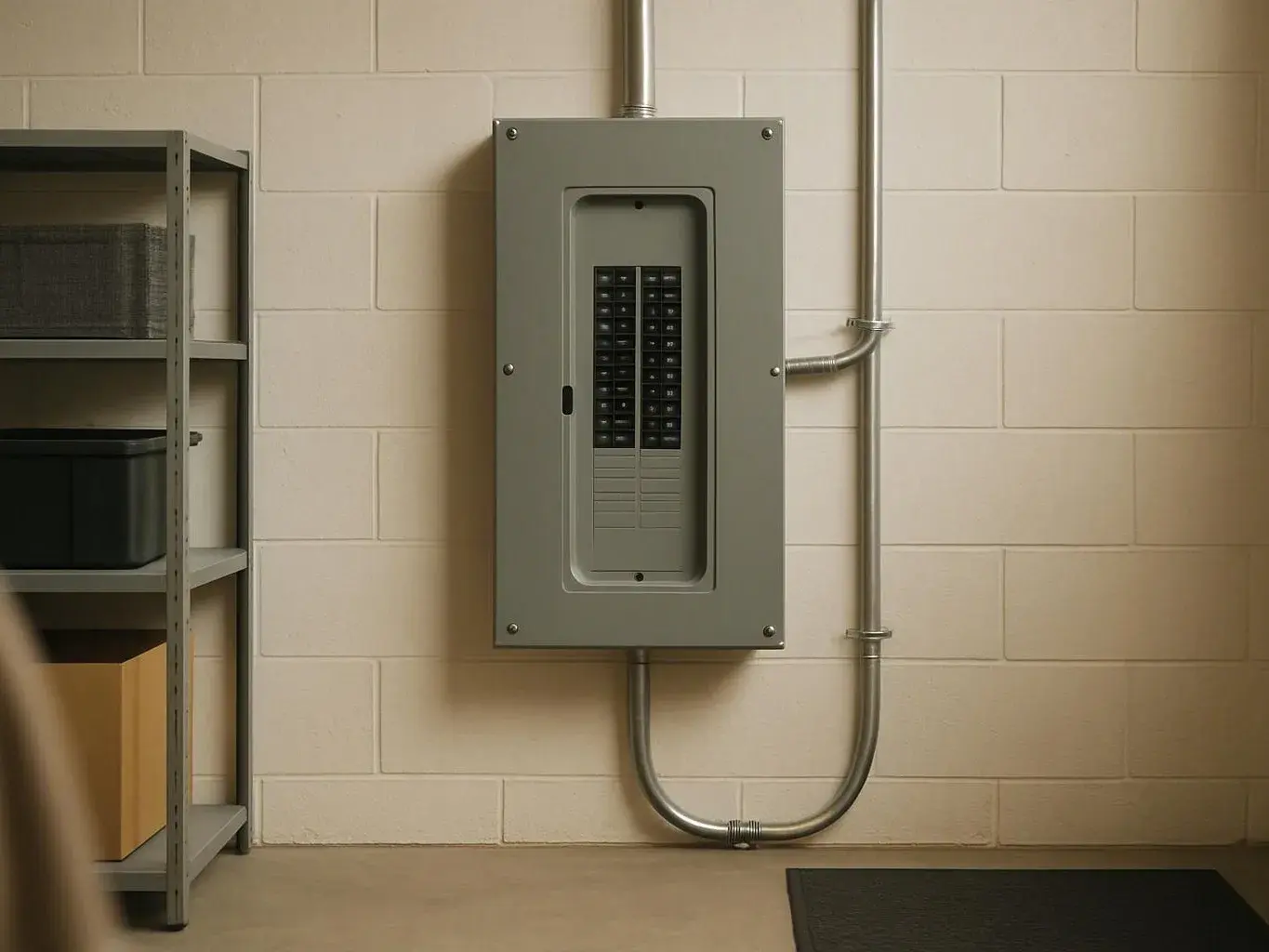
The electrical panel is also called the service panel. It holds many breakers and sends power through your home. It contains the main breaker, bus bar, wire connections, and circuit spaces. If these parts work well, one breaker change may solve the issue.
A larger electrical panel repair may be needed when parts are unsafe or outdated. These parts can include the box, bus bar, breakers, or wire connections. The work may also include the service wires and grounding. A qualified electrician checks the full system.
A test visit often takes 30 to 90 minutes. Time depends on access, testing, and wiring condition. Repairs may take longer when parts, permits, or utility work are needed.
When Is Circuit Breaker Replacement the Right Choice?
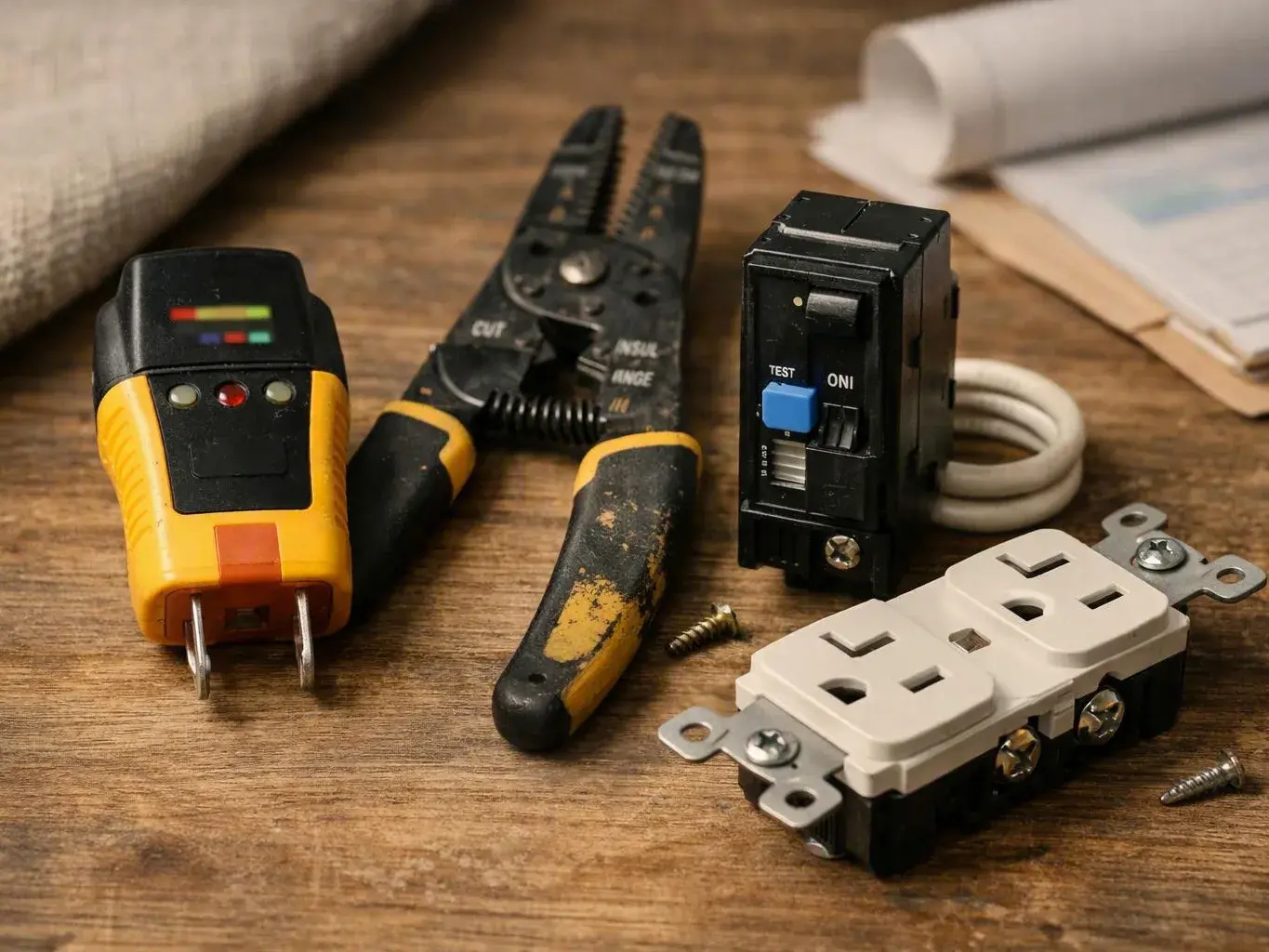
Breaker replacement can work when one breaker is bad. It may also fit when the breaker trips without a wiring problem. Burn marks or a wrong breaker can also point to replacement. An electrician must test the circuit first. A new breaker can't fix overloaded wires or a bad panel.
A circuit breaker can wear out over time. It may trip during normal use. It may fail to reset. It might also stay closed during a fault test.
Testing helps find the cause. An electrician may check voltage, wires, and connections. They may test the load while appliances run. If the wiring and panel are safe, a matching breaker may fix the issue.
Never install a larger breaker to stop trips. A larger breaker can let wires carry unsafe current. The new breaker must match the panel and circuit. It must also match the wire size and equipment guide. Professional Circuit Breaker Replacement is safer than guesswork.
Breaker Problems That Should Not Be Ignored
Burn marks, a hot panel, or a buzzing breaker can signal danger. A loose connection can also cause heat or sparks. These problems can grow while the circuit still works. Keep children away from damaged panels and exposed wires.
Turn off equipment on that circuit if it's safe. Don't remove the panel cover. Don't spray water near electrical equipment. Don't keep resetting a breaker that trips again. Smoke, sparks, crackling, or a burning smell needs fast help.
Older homes need extra care. Their wires, connections, and panels may be many years old. An inspection can find hidden heat damage. If there's smoke, fire, or immediate danger, leave the home. Call emergency services first.
When Does an Electrical Panel Upgrade Make More Sense?
Electrical panel upgrades help when the panel lacks capacity. They also help with unsafe equipment, rust, or heat damage. An upgrade may be needed when new breakers won't fit. Major loads can also require more power. These loads include an electric vehicle charger, heat pump, or home addition.
Electrical service capacity is the power your home can safely use. A service size that worked years ago may not work today. Modern homes may use electric ranges, heat pumps, air conditioning, or workshop tools. An electrical load calculation checks the home’s power needs.
An old panel may have few replacement parts. It may also have poor breaker choices or known safety issues. Rust, damaged insulation, and hot connections are warning signs. A damaged bus bar is another concern. A new main electrical panel upgrade can add safe, matching spaces.
Remodeling can change your needs. A basement, addition, kitchen, or laundry room may need new circuits. New equipment can overload the system without a full review. Our team checks your current use and future plans first.
Panel work may need utility help and an inspection. You may also lose power for a short time. Local rules can change the work plan. Your electrician should explain each step before work starts.
Breaker Replacement vs. Panel Upgrade: Which Option Fits?
Breaker replacement fits one failed part. The panel must still be safe, matching, and large enough. A panel upgrade fits larger safety or power problems. An electrician checks the panel, wires, service size, and future loads.
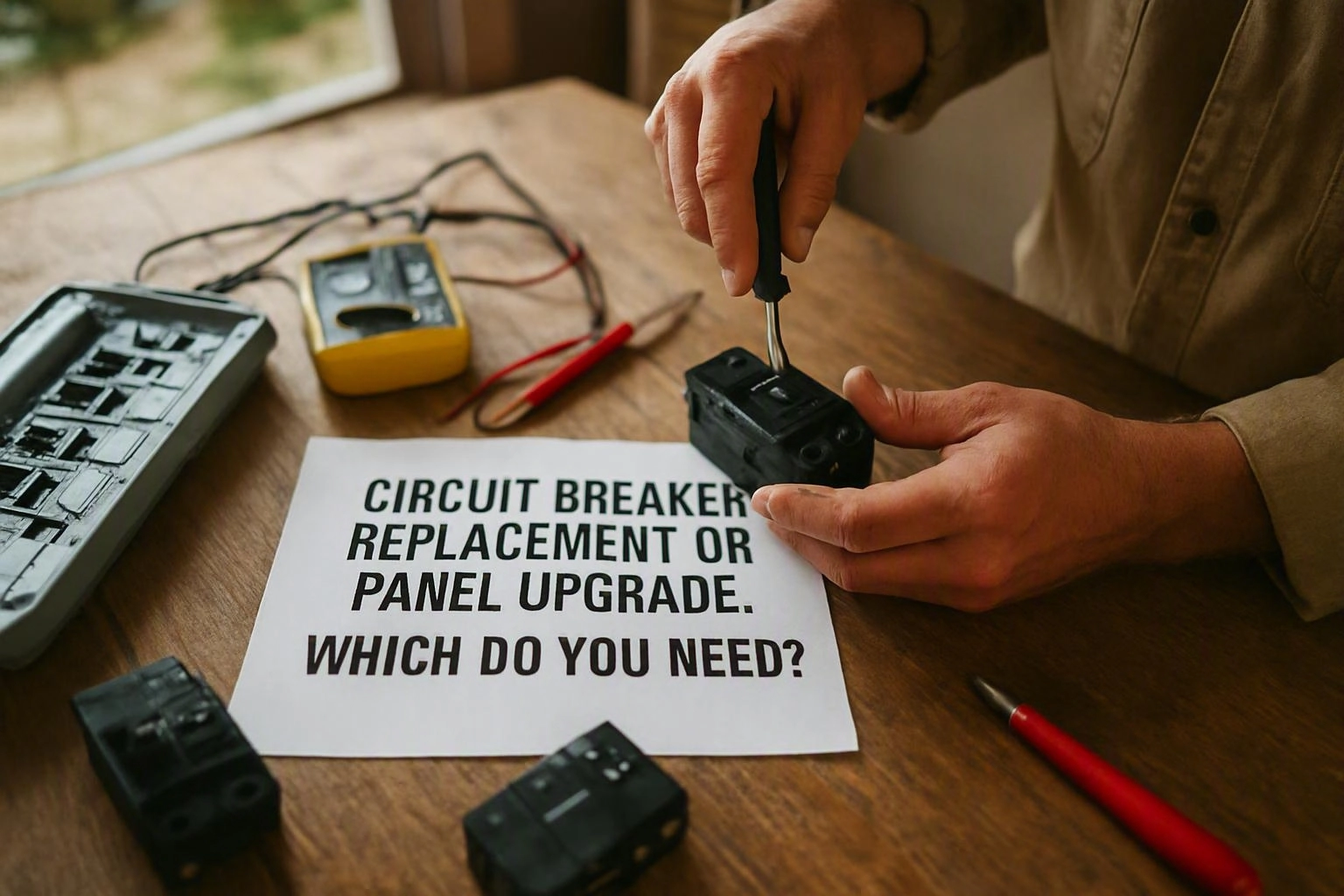
The table below offers a simple guide. It doesn't replace an electrician’s inspection. Similar signs can have different causes.
| Finding | Likely direction | What must be checked |
|---|---|---|
| One breaker will not reset | Breaker replacement may fit | Short circuit, ground fault, wiring, and breaker match |
| Breaker keeps tripping under normal use | Replacement or circuit correction | Load size, appliance condition, wire size, and nuisance tripping |
| No spaces for a planned circuit | Panel upgrade may fit | Panel match, service rating, and approved options |
| Heat, corrosion, or arcing inside the panel | Panel replacement or upgrade | Bus bar, main breaker, box, wires, and connection damage |
| New charger, heat pump, or addition | Load review first; upgrade may be needed | Load calculation, service capacity, and home wiring |
Panel match matters, even when a breaker seems to fit. Breakers must be approved for that panel. They must also follow the equipment listing. A safe plan looks at future circuits too.
When Do You Need Both Services Together?
Some homes need both services. This happens when a bad breaker sits in a weak or old panel. The panel may also have damage or no matching space. Replacing the breaker fixes the part. Upgrading the panel creates a safer base for future use.
These needs often appear during remodeling. They can also appear as a home uses more power. Our team separates urgent hazards from larger repairs. We then test each part before planning the work.
In some cases, the breaker can stay off until larger work begins. Your electrician should explain if the circuit is safe to use. They should also explain any short-term changes.
How an Electrician Determines the Correct Solution?
An electrician checks the panel, wiring, voltage, current, and breaker match. They also review service capacity and planned loads. These steps show if the breaker is the only problem. They can also reveal wiring or whole-service limits.
The electrician also checks if the breaker is listed for the panel. They check for approved open spaces too. The plan should include safe work areas and power outages. It should also protect people from exposed equipment.
What Should You Do Before Scheduling Electrical Work?
Stop using a circuit that smells hot or sparks. Also stop using circuits with buzzing or visible damage. Don't keep resetting a tripping breaker. Note which appliances were running. Share these details with your electrician.
Don't remove the dead front or touch a burned breaker. Don't place your hand on a hot panel. If there's smoke, fire, or active sparks, move people and pets away. A 24 Hour Electrician may help when the danger can't wait.
For less urgent problems, gather useful details. Note which breaker trips and how often. Write down what equipment was running. Mention any recent remodel or appliance installation. Also mention planned chargers, heat pumps, ranges, additions, or workshop tools.
Don't rely on a quick part swap. Chris Miller Electric provides Circuit Breaker Replacement in Fort Wayne when needed. Our crews also check wider home electrical needs. Contact us through our service request page to discuss the symptoms and next steps.
Questions About 24 Hour Electrician
How Do I Know if I Need a New Breaker or a New Electrical Panel?
A new breaker may work when one part is bad. The panel, wires, service size, and bus bar must be safe. A new panel is more likely when equipment is old, full, damaged, or too small. An electrician must test the system first.
Can Replacing a Circuit Breaker Fix a Constantly Tripping Breaker?
It can fix the issue when the breaker has failed. Constant trips can also come from an overload, short, ground fault, bad appliance, or wiring problem. Replacing the part alone may leave the danger in place.
What Are the Signs That an Electrical Panel Needs to Be Upgraded?
Warning signs include frequent trips, a hot panel, buzzing, or burning smells. Corrosion, burn marks, arcing, and damaged connections are also signs. An upgrade may help when the panel has no matching spaces. It may also be needed when modern equipment exceeds service capacity.
Can I Add a New Circuit Without Upgrading My Electrical Panel?
Sometimes. The panel needs an approved open space and a matching breaker. The wiring must be sound, and the service must have enough capacity. A full, old, damaged, or small panel may need an upgrade.
How Long Does It Take to Replace a Breaker or Upgrade an Electrical Panel?
A simple breaker change may take less than one service visit. Testing must happen first. A panel upgrade often takes longer. It may need several circuits, inspections, utility work, and planned power loss. Your electrician can give a better time estimate after the inspection.
Related Resources
Electrical Panel Warning Signs in Fort Wayne, IN
signs you need an electrical panel upgrade
When You Need ItCircuit Breaker Replacement Warning Signs: When to Call an Electrician in Fort Wayne, IN
signs you need a circuit breaker replacement fort wayne
When You Need ItElectrical Burning Smell? When to Call a 24-Hour Electrician in Fort Wayne, IN
when to call an emergency electrician for a burning smell
When You Need ItSigns Your Home Needs an Electrical Service Upgrade
signs you need an electrical service upgrade