When Your Fort Wayne, IN Circuit Breaker Needs Replacement
Circuit breaker replacement may be needed when a breaker trips often. It may also feel hot, smell burnt, or show damage. Buzzing sounds and reset problems also signal trouble. Homeowners in Fort Wayne, in should stop using the circuit. Chris Miller Electric can check the panel and find the cause. Causes may include overloads, loose wires, short circuits, or old equipment. We can replace the breaker and make needed electrical code corrections. Don't remove the panel cover or install a larger breaker yourself. Incorrect work can cause shock, fire, or code hazards.
Get a Free Estimate
Circuit breaker replacementmay be needed when warning signs appear. Electrical testing can show the cause.Fort Wayne, IN. Stop using the circuit and unplug equipment when safe. Arrange electrical repair before the problem gets worse.
7 Warning Signs You May Need a New Circuit Breaker
Circuit breaker replacement may be needed for several warning signs. These signs include trips, heat, burning smells, buzzing, scorch marks, or reset problems. They may point to overloads, loose wires, short circuits, or breaker failure. Turn off nearby equipment. Have an electrician check the panel before using it again.
Seasonal demand can uncover these problems. Winter heaters and summer air conditioners use more power. Severe weather can also expose panel faults. Don't assume weather is the only cause.
What Each Breaker Warning Sign Usually Means?
Breaker symptoms don't always prove that the breaker failed. Repeated trips can have many causes. An overloaded circuit, short circuit, ground fault, or loose connection may be involved. An electrician tests the panel and circuit first. This helps separate breaker failure from wiring problems.
An overloaded circuit carries more appliances than its wires can handle. A short circuit creates an unsafe path for electricity. A ground fault sends electricity toward the ground. This can create a shock risk. An arc fault happens when electricity jumps across a loose or damaged connection.
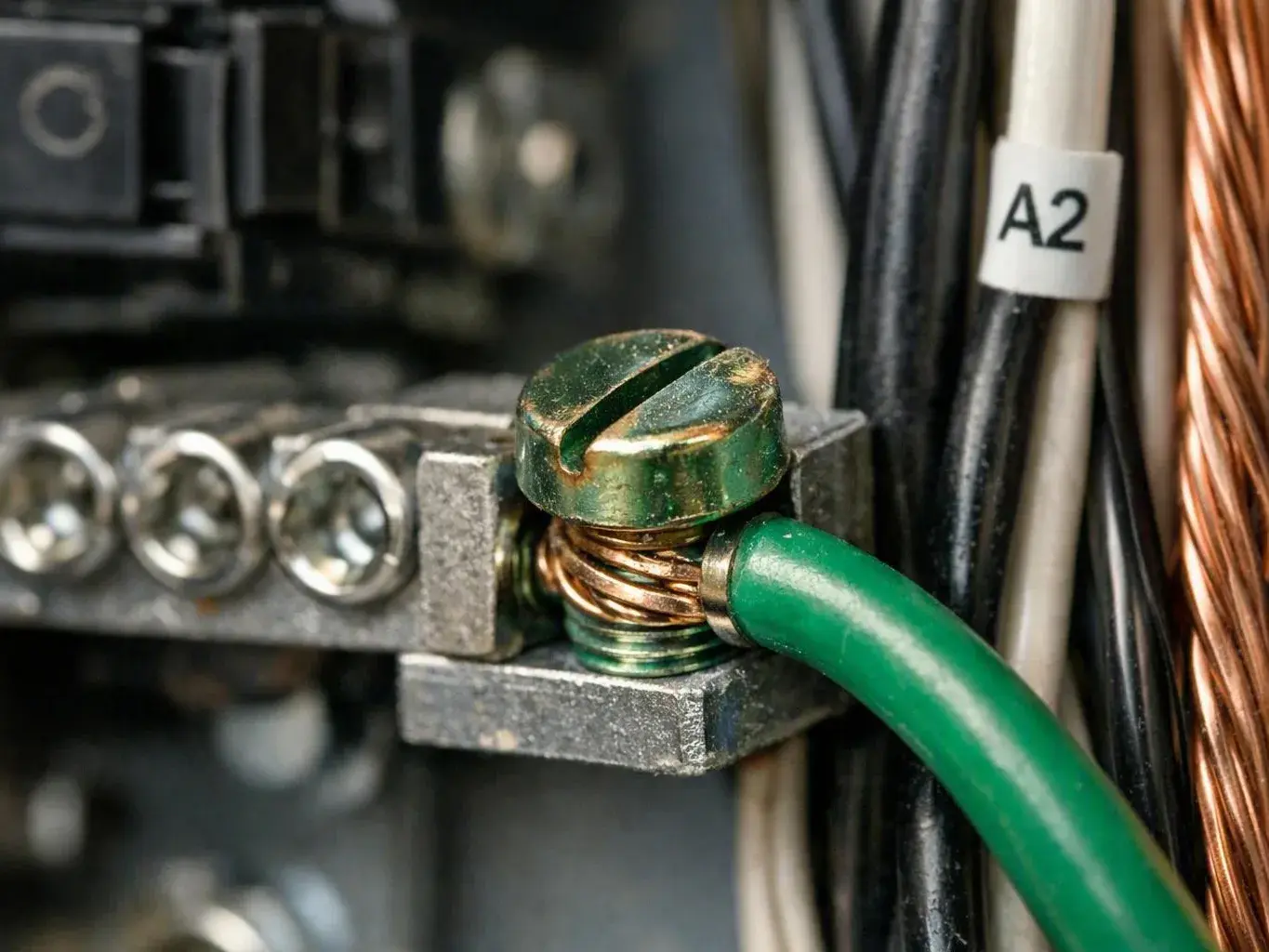
Breakers can wear out over time. Age alone doesn't prove that a breaker failed. Older Fort Wayne homes may have old panels or crowded equipment. They may also have aluminum wiring or worn connections. Our team checks the bus bar, breaker terminal, wires, and load. We then choose a compatible device.
When a Tripping Breaker Is an Emergency?
Repeated trips become an emergency when smoke or sparks appear. Scorch marks, strong burning smells, or a hot panel also signal danger. These problems can cause fire or electric shock. Move away from the panel. Don't touch damaged equipment. Call an emergency electrician when danger is present.
If there's no visible danger, turn off nearby equipment. Keep the breaker off until an electrician checks it. Never reset a breaker that trips right away.
DIY Breaker Replacement vs Professional Electrical Service
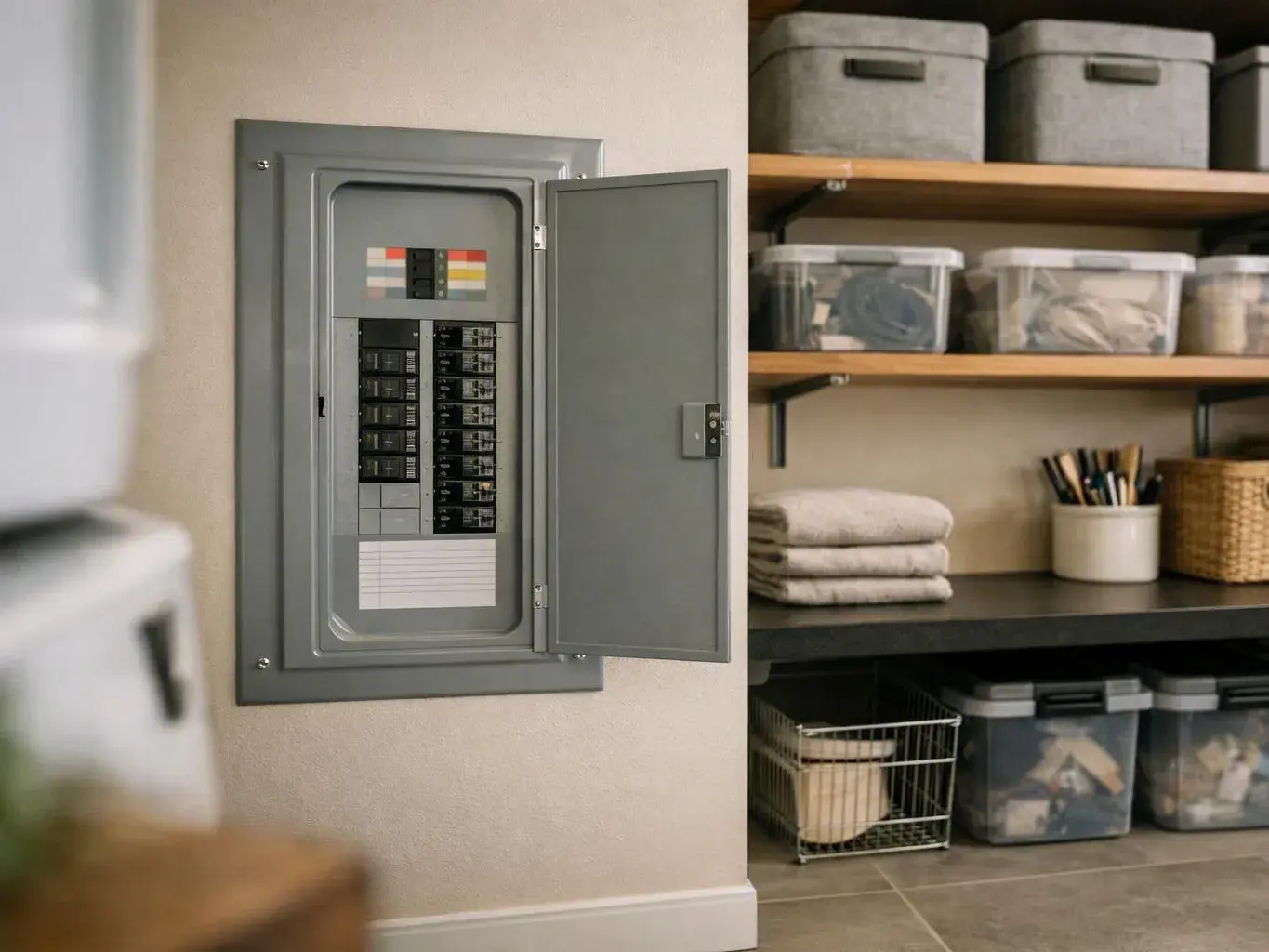
Professional circuit breaker replacement is safer than DIY work. Parts of the panel may stay powered when a branch breaker is off. An electrician chooses the right breaker and tests for voltage. We also check the wires and connections. Homeowners should only turn off equipment and report the symptoms.
| Factor | DIY | Professional |
|---|---|---|
| Safety | Shock and arc exposure may remain behind the panel cover. | The electrician follows safe shutoff and voltage test steps. |
| Parts | The wrong brand, type, or rating may be installed. | Our team checks the breaker and panel match. |
| Diagnosis | A wiring fault may be missed. | Testing can find overloads, faults, and loose connections. |
| Compliance | Permit, inspection, and electrical code needs may be missed. | The work can include code corrections and local approval steps. |
Most simple breaker changes take about one to three hours. This estimate assumes easy access to the panel and wires. A crowded, old, or damaged panel may take longer. Extra electrical repair may also be needed.
How an Electrician Diagnoses and Replaces a Faulty Breaker?
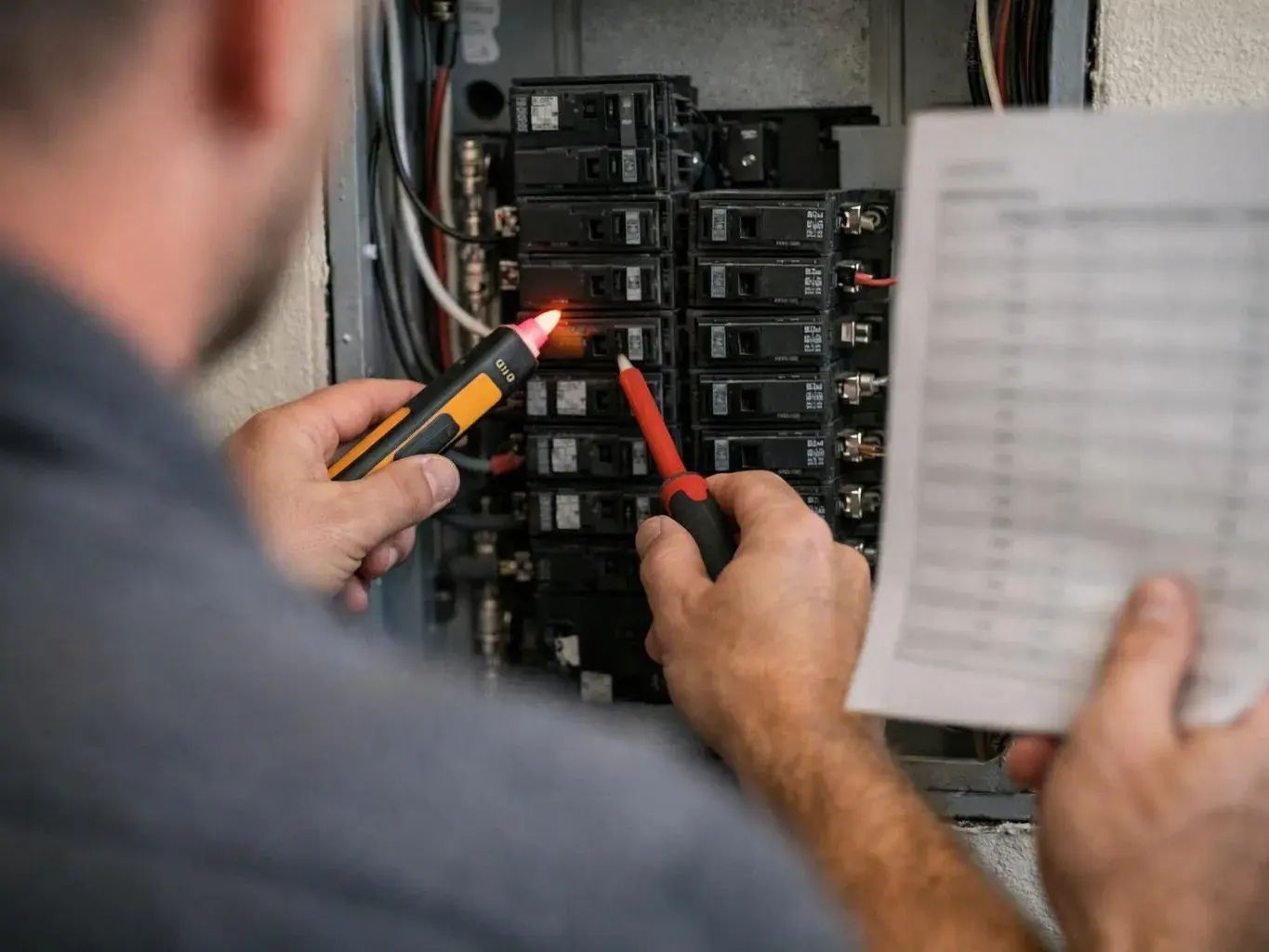
An electrician diagnoses breaker problems in several steps. We review the symptoms and inspect the panel. We test the circuit and check its power load. We also check the wires and breaker match. If replacement is needed, we install the right device. Then we fix code issues and test the work.
Replacing the breaker alone may not solve the problem. A bad connection, damaged wire, or overloaded circuit may need repair. An old service panel may also need a larger fix.
Fort Wayne Electrical Code and Panel Considerations
Fort Wayne electrical permit needs can depend on the repair work. The local authority may require approval or inspection. This can apply to breaker, panel, and code correction work. Confirm the process before work starts.
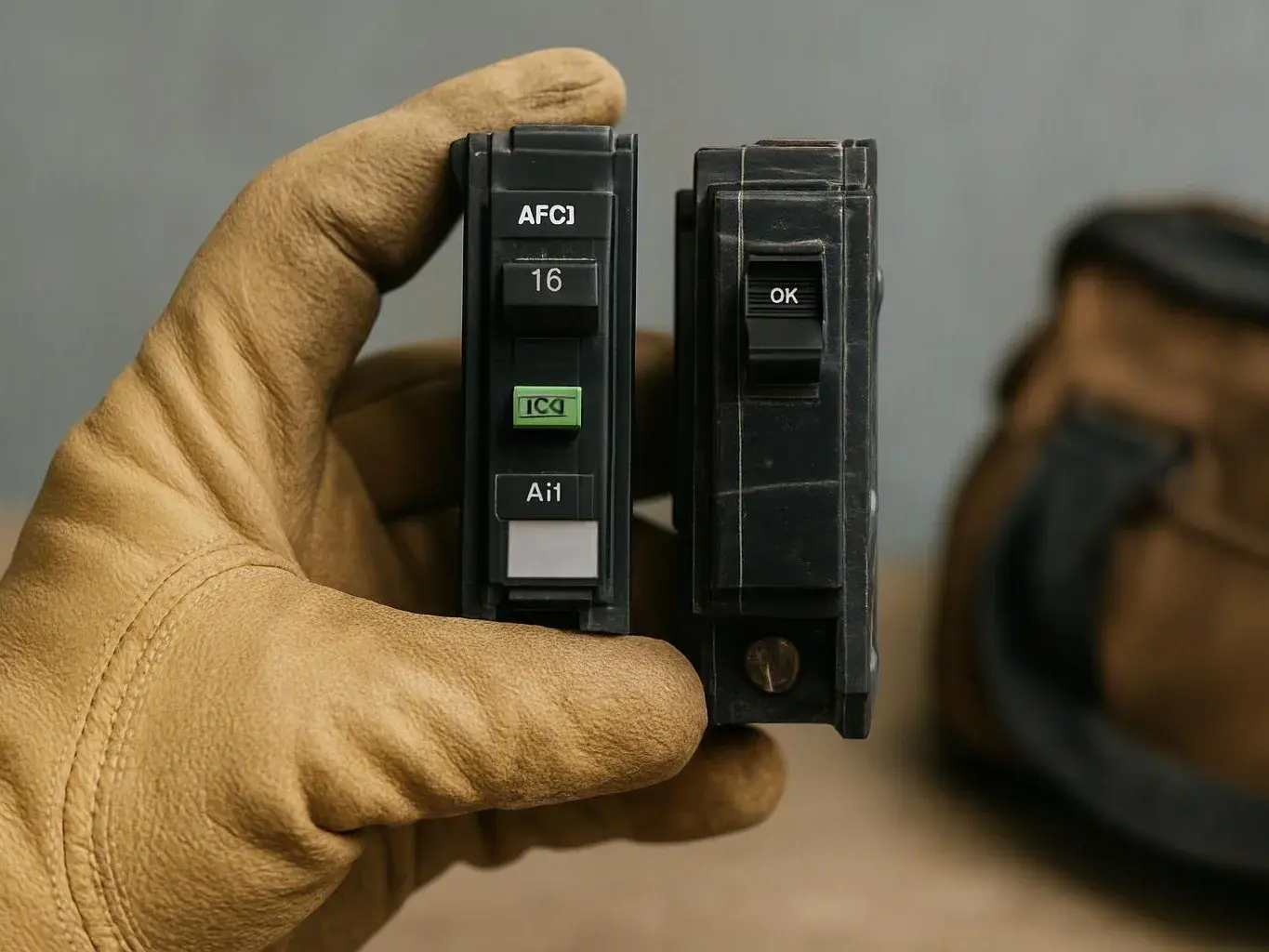
Indiana electrical code rules affect breaker choice and wire safety. They can also affect panel changes and repair needs. AFCI protection may apply in some living areas. GFCI protection helps reduce shock risks. It matters in kitchens, bathrooms, garages, and outdoor areas.
Older homes may have old equipment or crowded panels. They may also have aluminum wires or worn connections. Some parts may no longer match. Our team checks the full panel, not just the breaker. An inspection can show if a small repair will work.
Frequently Asked Questions About Breaker Replacement
A breaker that keeps tripping shouldn't be reset again and again. The cause may be a bad breaker or too much circuit load. Damaged wires, a short circuit, or a ground fault may also be involved. An electrician can find the cause. We can then recommend breaker replacement, panel repair, rewiring, or code correction.
How Do I Know if My Circuit Breaker Needs to Be Replaced?
Warning signs include repeated trips, heat, burning smells, buzzing, scorch marks, damage, or reset problems. Testing is needed because wiring, overloads, short circuits, or ground faults may cause these signs.
Why Does My Circuit Breaker Keep Tripping in My House?
Common causes include overloads, short circuits, ground faults, arc faults, loose connections, damaged appliances, or weak breakers. An electrician can test the circuit and find the source.
Can I Replace a Circuit Breaker Myself?
DIY electrical work is risky because parts of the panel may stay powered. Don't remove the panel cover. A qualified electrician can test voltage, install the right part, and check code needs.
How Much Does It Cost to Replace a Circuit Breaker?
Breaker replacement cost depends on the breaker type and panel match. Access, testing, wiring, and code corrections can also affect cost. An electrician should inspect the circuit before giving an estimate.
Should I Replace the Breaker or the Entire Electrical Panel?
A small repair may work when the panel is safe and the breaker matches. Panel replacement may help when equipment is old, damaged, crowded, or unable to support AFCI or GFCI protection.
Our team can check the symptoms, panel, and needed Electrical Code Corrections. Circuit Breaker Replacement in Fort Wayne should follow testing. Don't install a larger breaker yourself. Ask about a 24 Hour Electrician for urgent needs. Contact us through our contact page.
Get a Free EstimateRelated Resources
Emergency Electrical Power Outage Troubleshooting and Repair
emergency electrician for power outage
What It SolvesElectrician for a Circuit Breaker That Keeps Tripping
electrician for breaker that keeps tripping
What It SolvesElectrician for Flickering or Dimming Lights
electrician for flickering lights
What It SolvesDead Outlet Troubleshooting and Electrical Repair
electrician to fix an outlet that stopped working