How Much Does a 24-Hour Electrician Cost in Fort Wayne?
A 24-hour electrician in Fort Wayne often costs more than daytime service. Emergency visits may include after-hours rates, service calls, travel, testing, and parts. Circuit breaker replacement, outlet replacement, and electrical code corrections can each have different costs. The price depends on the fault, access, parts, and urgency. Ask Chris Miller Electric what the service call includes. Ask what testing costs and whether repairs can safely wait. Shut off power and call now for smoke, burning odors, sparks, exposed energized wiring, or repeated breaker trips.
Get a Free Estimate
How Much Does a 24-Hour Electrician Cost in Fort Wayne?
24-hour electrician cost depends on after-hours service, the service call, repair needs, parts, and safety risks. Circuit breaker replacement, outlet replacement, and code corrections may need different work. Request a clear estimate for dispatch, testing, and approved repairs.
An emergency electrical contractor may charge for several parts of one visit. These costs can include travel, fault testing, labor, parts, and final checks. A reachable outlet may take less time than a fault behind a wall or inside an electrical panel.
Fort Wayne winters can make electrical problems more urgent. A power loss can affect heat, sump pumps, or pipes. Storms and seasonal outages can also increase demand. Travel time and crew availability may affect after-hours service.
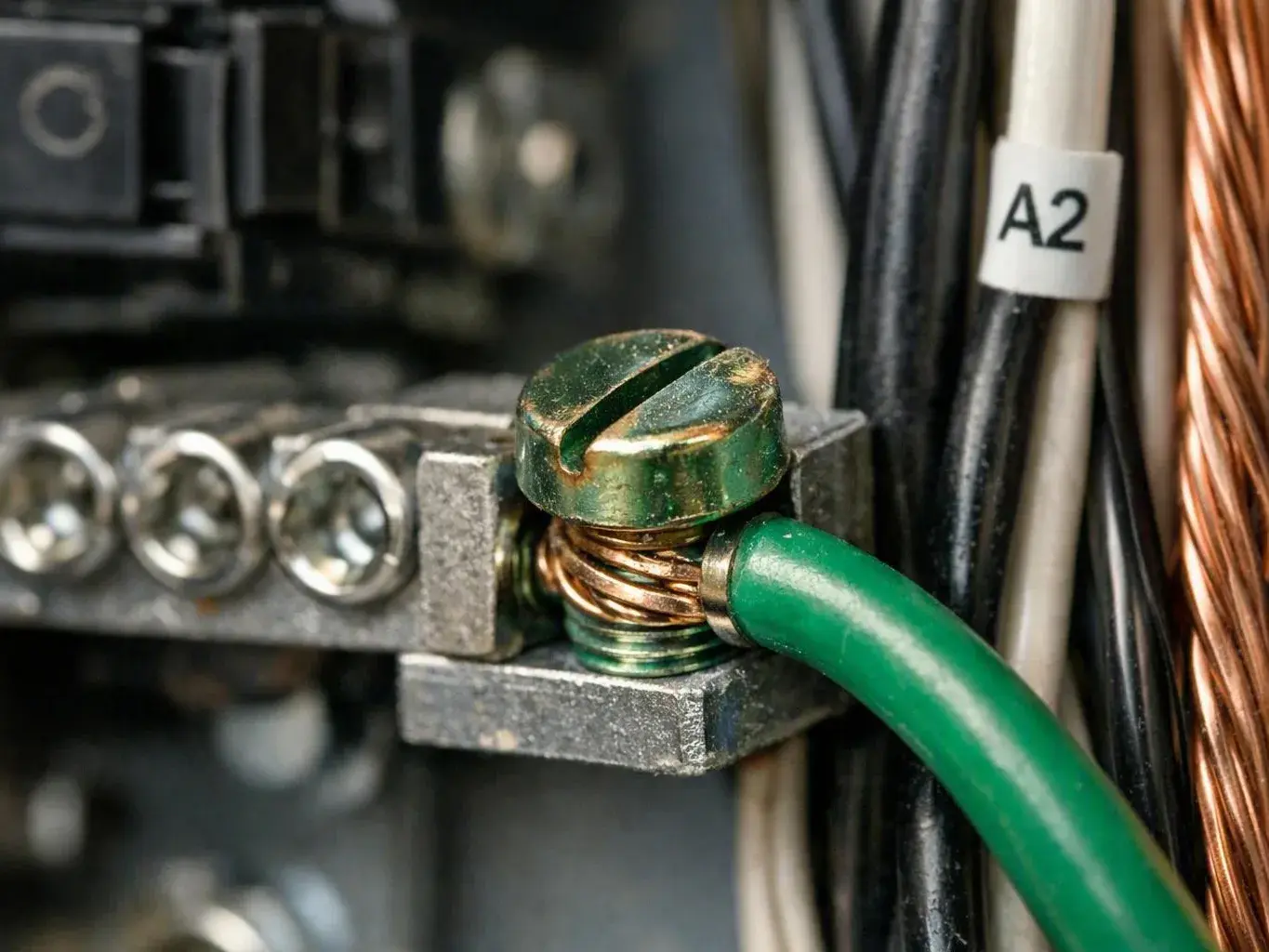
Older Fort Waynehomes may have worn wiring, old outlets, or outdated breaker equipment. Past changes may also make testing harder. These issues can add labor and lead.electrical code corrections. Local work must follow Indiana electrical rules. Permits or inspections may apply to some repairs.
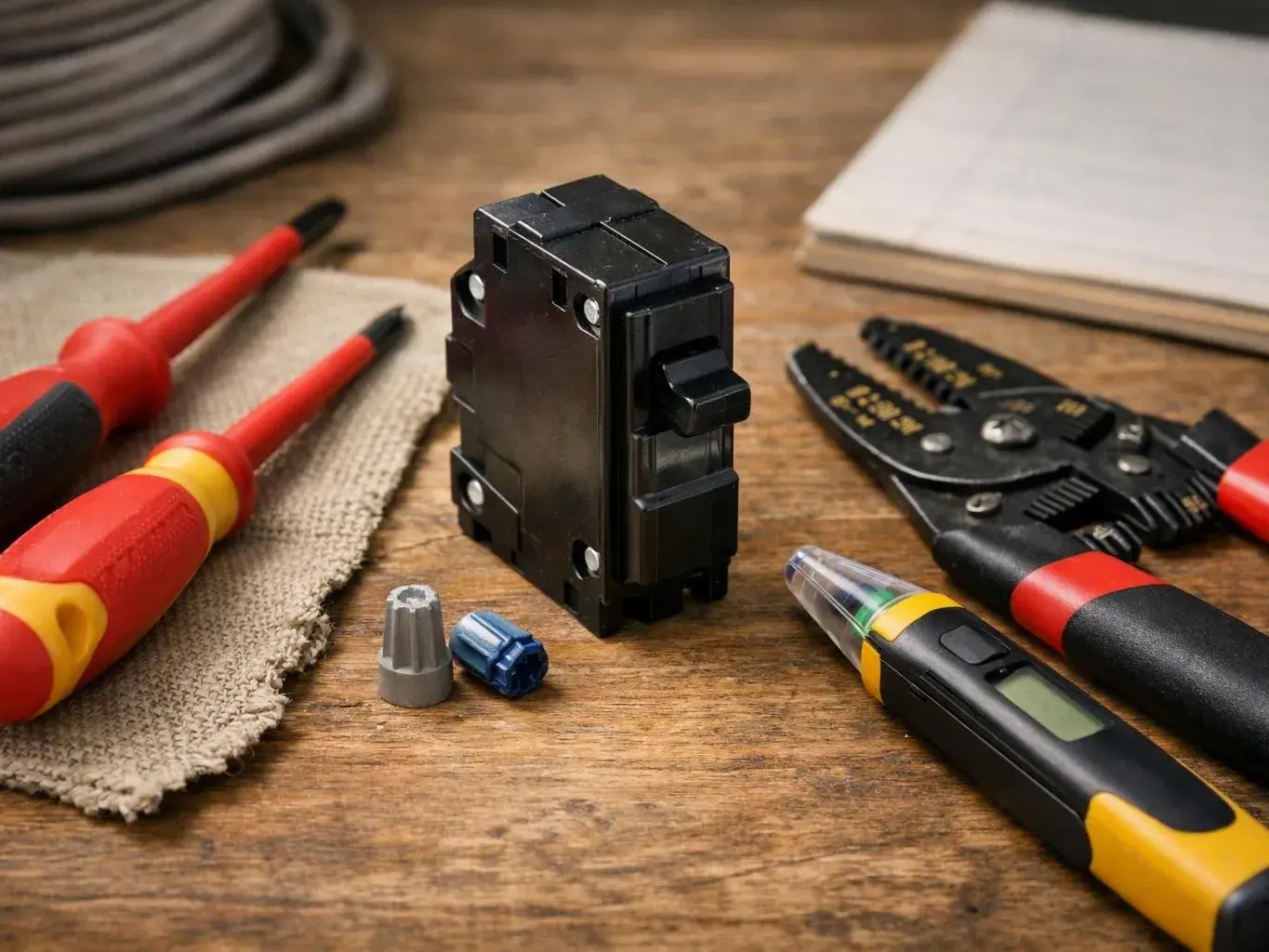
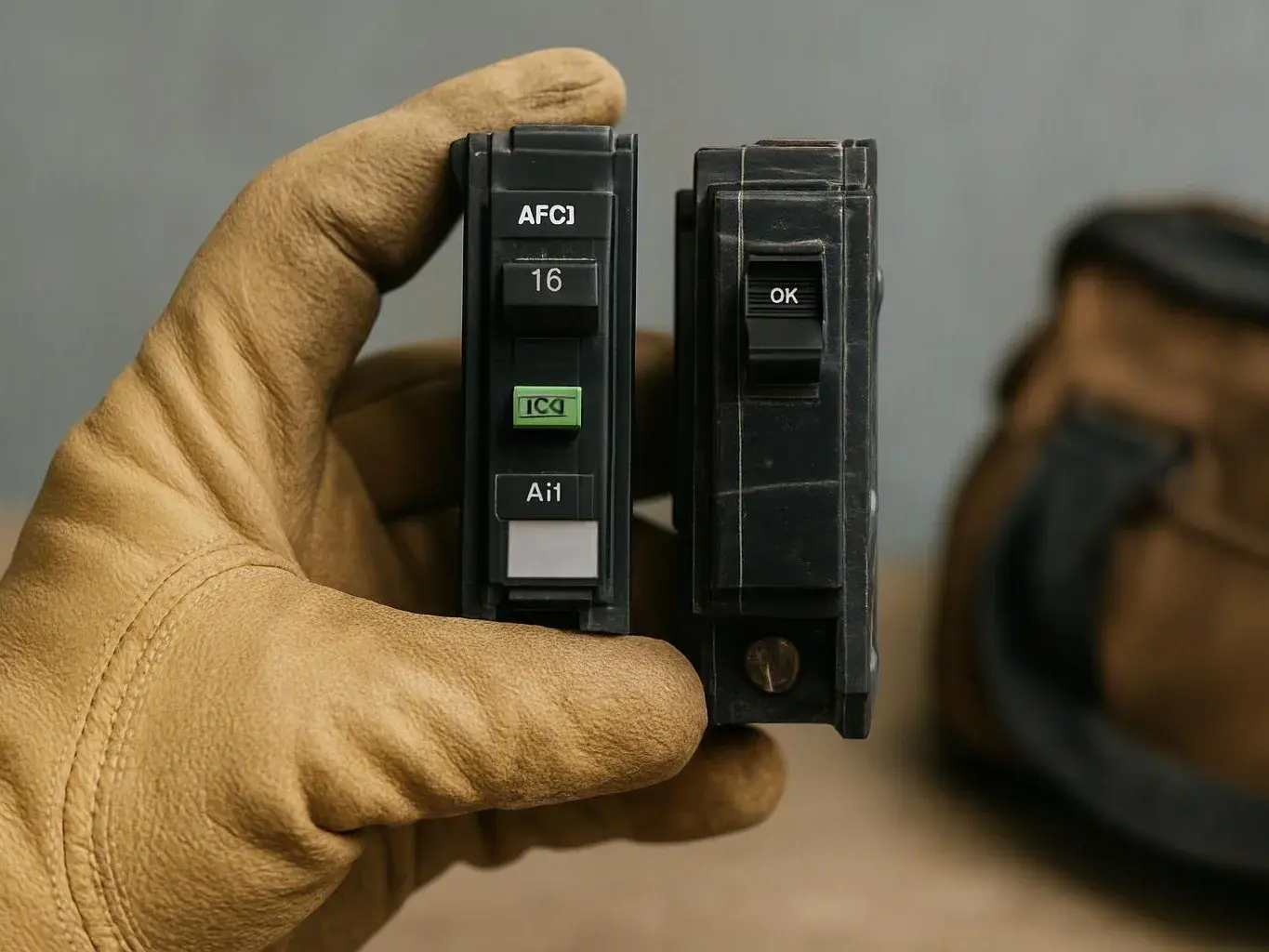
For example, Circuit Breaker Replacement in Fort Wayne starts with finding the cause. The electrician checks the circuit rating and installs a matching part. The circuit is then tested. Outlet Replacement may take less time. Heat damage, loose wires, grounding issues, or an overloaded circuit can expand the work. Most simple visits take about one to three hours. Hidden faults may take longer. This range is typical, not a promise.
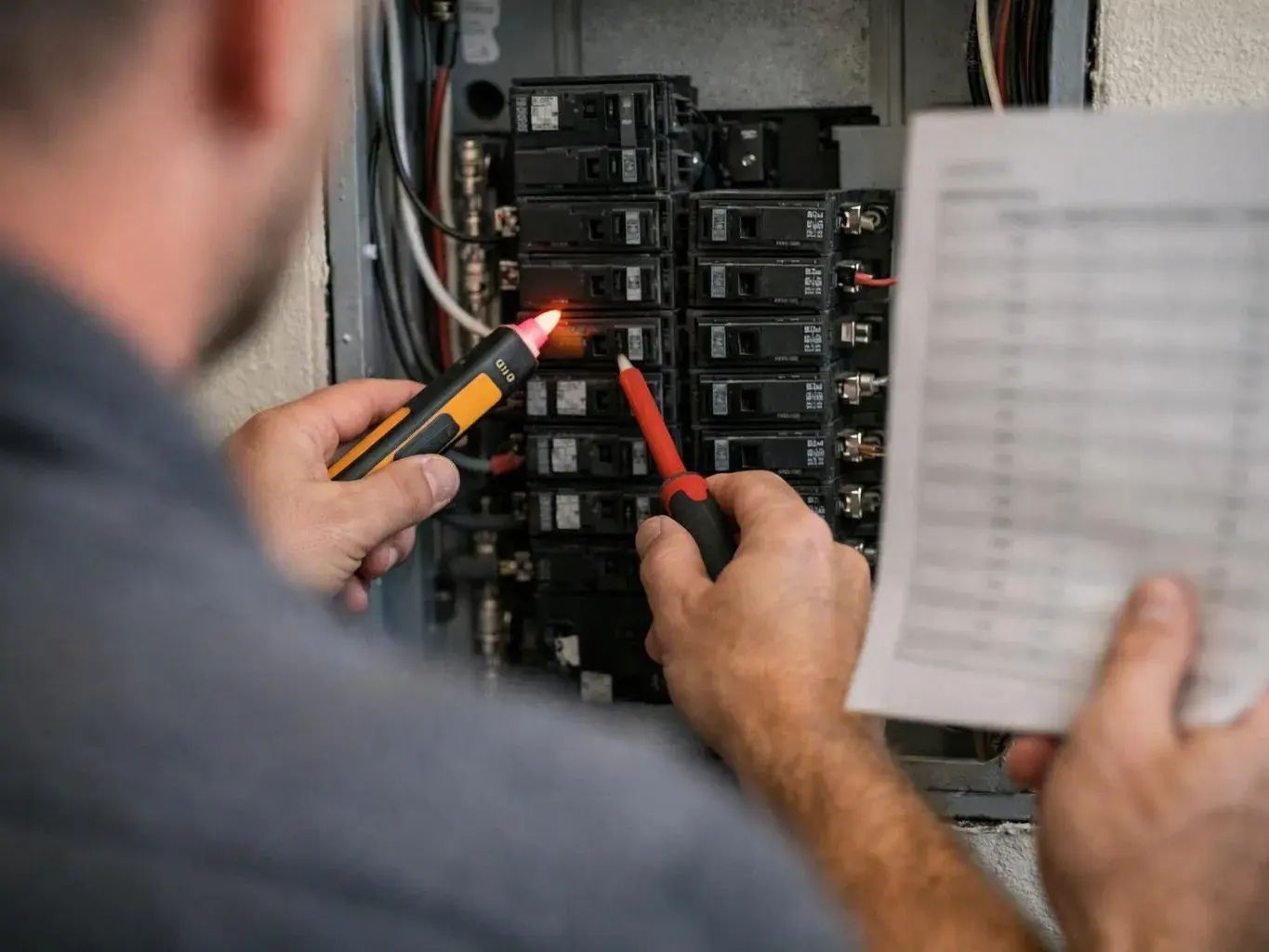
Our full range of 24 Hour Electrician work starts with safe testing. We explain what we find and point out urgent risks. We ask before starting nonessential repairs. A 24 Hour Electrician may also tell you to leave a circuit off. This can help until a lasting repair is safe.
How Emergency Electrician Hourly Charges and Service-Call Fees Work?
Emergency electrician charges may include hourly labor and a service call. You may also see a call-out fee, minimum charge, or testing fee. Each electrician sets their own prices. Before dispatch, ask what travel, testing, parts, and labor include.
An electrician service call covers sending a technician to your property. Some contractors charge for dispatch and travel. Others use a minimum charge with set labor time. A testing fee may apply even when you don't approve the repair.
Ask how the emergency electrician hourly rate is counted. Find out when the clock starts. Ask if time is rounded up. Also ask if another technician may be needed. Check how parts are priced. These details help you compare the full visit.
Ask what happens when the problem can't be fixed right away. The technician may need to make the area safe. They may shut off a circuit or suggest a later visit. That work may cost less than a full repair.
Before approving service, request a verbal or written cost list. It should show dispatch, testing, labor, parts, and follow-up work. A clear scope helps you decide.
Do Electricians Charge More After Hours?
After-hours electrical service may cost more than daytime service. Night and weekend visits require emergency availability. An after-hours rate may apply during evenings, weekends, and holidays. Each contractor sets its own rates.
Ask what the higher charge covers. It may include dispatch, labor, travel, or all three. Daytime visits often allow more flexible scheduling. Emergency visits depend on risk and crew availability. Storms can delay service when many customers need help.
When there is no active danger, waiting until daytime may lower the labor cost. Don't wait for smoke, burning odors, sparks, exposed energized wiring, or other danger. Safety matters more than price.
What Changes the Cost of an Emergency Electrical Repair?
Emergency electrical repair cost depends on urgency, fault location, access, parts, labor time, and code rules. Circuit breaker replacement may need different work than outlet replacement. Electrical code corrections may need added testing. A written scope helps you compare the actual work.
| Factor | Why it changes the cost | What to prepare |
|---|---|---|
| Repair urgency | Fast service may involve after-hours labor, limited scheduling, or added travel. | Explain when the issue began. Mention smoke, heat, shocks, or sparks. |
| Circuit breaker replacement | The fault may involve the breaker, circuit, appliance, or electrical panel. | Note which breaker trips. Say what was running at that time. |
| Outlet replacement | A damaged electrical receptacle may need grounding, wiring, or box repairs. | List affected outlets. Don't use one that feels hot, loose, scorched, or sparks. |
| Electrical code corrections | Old wiring or past changes may need repairs, tests, permits, or inspections. | Share past repair notes, inspection results, or remodeling details. |
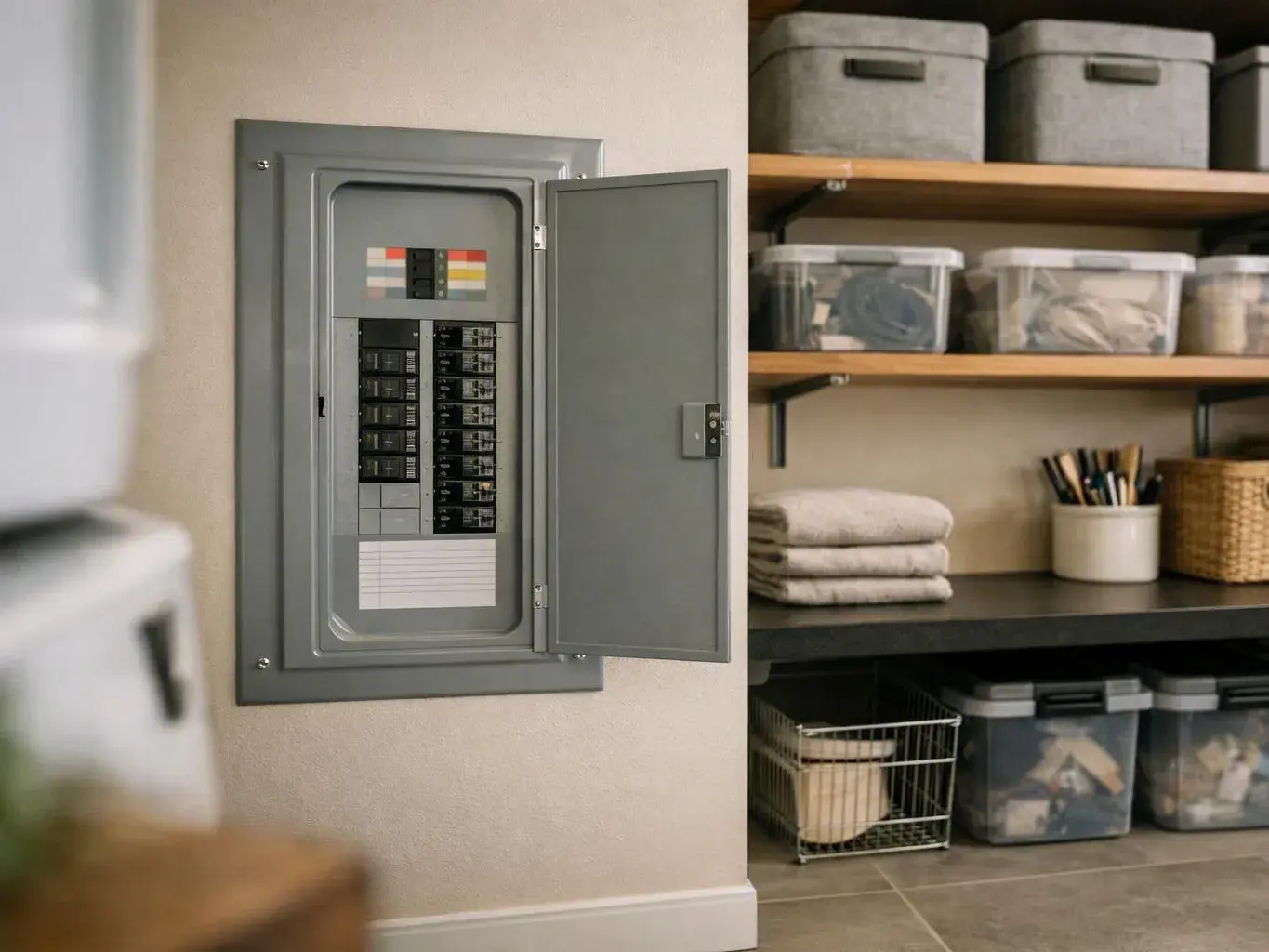
| Accessibility | Tight panels, finished walls, crawl spaces, or blocked equipment add labor time. | Clear a safe path to the panel and affected areas. |
| Replacement parts | The breaker, receptacle, wire, cover, or panel part must match the system. | Provide labels, model details, and safe photos when possible. |
The visible symptom may not show which part failed. A tripped circuit breaker can result from an appliance, damaged wire, moisture, or overload. An outlet may stop working because another device controls it. A fault elsewhere can also affect it.
Older Fort Wayne homes may need more testing. Changing weather can add to the problem. During winter or storms, safe power may be urgent. An untrained person should never open energized equipment. A safety inspection can show if the repair is small or part of a larger code issue.
Should You Call an Emergency Electrician or Wait Until Morning?
Call an emergency electrician immediately for smoke, burning odors, sparks, exposed energized wiring, shocks, water near electrical equipment, or repeated breaker trips. Waiting may be reasonable when there is no active hazard. Power must also remain safely off. When unsure, choose safety and ask for professional help.
Use these steps to lower the risk:
A broad power outage may come from the utility. Check if nearby properties also lost power. Don't assume a utility issue when only one circuit is affected. Storms can damage service equipment, lines, or wiring. Stay away from fallen wires. Report them through the proper emergency channel.
Power loss matters more during Fort Wayne winters. Heating, medical equipment, and freeze protection may need power. If a panel, meter, or service connection is damaged, wait for qualified help.
Five Ways to Reduce the Cost of a 24-Hour Electrician Visit
You can lower the total cost by preparing clear details. Make the panel easy to reach. List affected outlets and breakers. Ask about fees before dispatch. Approve only needed repairs. Don't work on live electrical parts. Safe preparation helps the electrician find the problem faster.
Good preparation doesn't mean opening a panel or removing an outlet. It means gathering safe details for our team. We can spend less time asking basic questions. We can spend more time testing the fault. Mention past remodeling, flickering lights, or breaker problems in older homes.
What to Ask Chris Miller Electric Before Emergency Service?
Before emergency service, ask Chris Miller Electric about call-out and testing fees. Ask how after-hours labor works. Ask what the first service includes. Find out when approval is needed. Describe the danger clearly. Request a cost breakdown before extra work begins.
Ask if our service-area response fits your situation. Weather, storm demand, and travel may affect arrival time. Explain if all power is out. Say if one circuit is affected or unsafe. This helps our team prepare for testing.
Request an estimate for dispatch, testing, labor, parts, and final checks. Ask about electrical inspection costs. Indiana rules, permits, or local inspections may apply to some work.
Ask about repair warranty terms. Find out what they cover. They may cover labor, parts, or both. Clear terms help you understand the service.
Questions About 24 Hour Electrician
How Much Does a 24-Hour Electrician Cost in Fort Wayne?
The total depends on after-hours labor, the service call, travel, testing, repair time, and parts. Ask for separate dispatch, testing, labor, and parts details. Don't rely on one flat figure.
How Much Do Emergency Electricians Charge per Hour?
An emergency electrician may use a higher hourly rate after normal hours. The bill may also include a minimum charge, service call, testing, travel, and parts. Confirm the full billing structure before dispatch.
Is There an Emergency Electrician Call-Out Fee?
Some electrical contractors charge a call-out fee for dispatch and travel. Others include these services in a minimum or testing fee. Ask what the fee covers. Ask if it applies to approved repair work.
Do Electricians Charge More After Hours?
They may charge more at night, on weekends, or on holidays. After-hours service needs different scheduling and crew availability. Storm demand can also affect timing. Ask where the extra charge applies.
How Much Is an Electrician Service Call?
An electrician service call has no single universal amount. It may cover travel, arrival, some labor, or basic testing. Before booking, ask what it includes. Ask what costs extra.
Should I Call an Emergency Electrician or Wait Until Morning?
Call immediately for smoke, burning odors, sparks, shocks, exposed energized wiring, water near equipment, or repeated breaker trips. Waiting may be reasonable only when no danger exists. Power must also stay safely off.
Contact our team about an unsafe circuit, service call, electrical panel, outlet, or code correction. Explain the symptoms before work starts.
Related Resources
Electrical Panel Warning Signs in Fort Wayne, IN
signs you need an electrical panel upgrade
When You Need ItCircuit Breaker Replacement Warning Signs: When to Call an Electrician in Fort Wayne, IN
signs you need a circuit breaker replacement fort wayne
When You Need ItOutlet Replacement Warning Signs: When an Outlet Is Unsafe in Fort Wayne, IN
when should you replace an electrical outlet fort wayne
When You Need ItElectrical Burning Smell? When to Call a 24-Hour Electrician in Fort Wayne, IN
when to call an emergency electrician for a burning smell