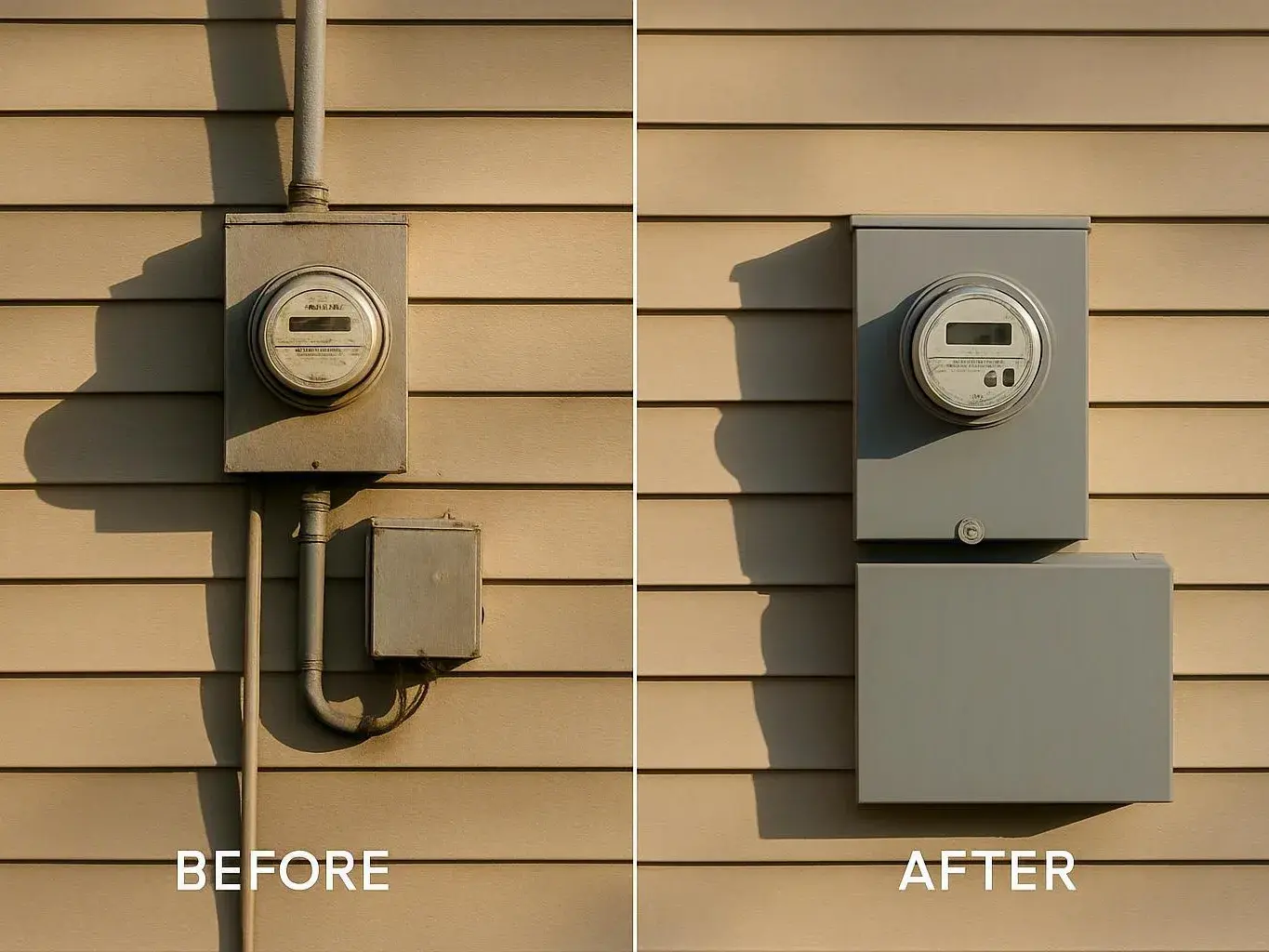
Whole-House Surge Protection: Cost and Installation in Fort Wayne, IN
Whole-house surge protection in Fort Wayne, in can cost more or less. Several factors affect the price. These include the protector rating, panel type, access, and grounding. It helps protect appliances, HVAC equipment, electronics, and wiring. It can help during utility surges and lightning events. It offers more coverage than power strips. It may help homes with costly electronics or smart devices. Chris Miller Electric can inspect your panel and suggest the right option.
Get a Free EstimateChris Miller Electric serves homeowners in Fort Wayne, IN. Whole-House Surge Protection in Fort Wayne starts with a panel and grounding check. We can explain the equipment and labor costs. You’ll receive an itemized estimate for needed work.
How Much Does Whole-House Surge Protection Cost in Fort Wayne, IN?
Whole-house surge protection cost in Fort Wayne, in varies by home. The protector rating can affect the price. Panel type, wiring access, and grounding also matter. Electrician labor adds to the total. A professional check is needed before installation. Some homes need panel repairs or service work first. Ask for an itemized estimate before work starts.
No single price fits every home. The equipment makes up only part of the cost. A Type 1 surge protective device may fit some services. A Type 2 surge protective device is common at electrical panels. The right choice depends on the service equipment. It also depends on the maker’s instructions.
| Factor | Why it changes the cost | What to prepare |
|---|---|---|
| Whole-house surge protector | Ratings, clamping voltage, joule rating, and lights affect product choice. | Share your equipment needs and maker rules for sensitive electronics. |
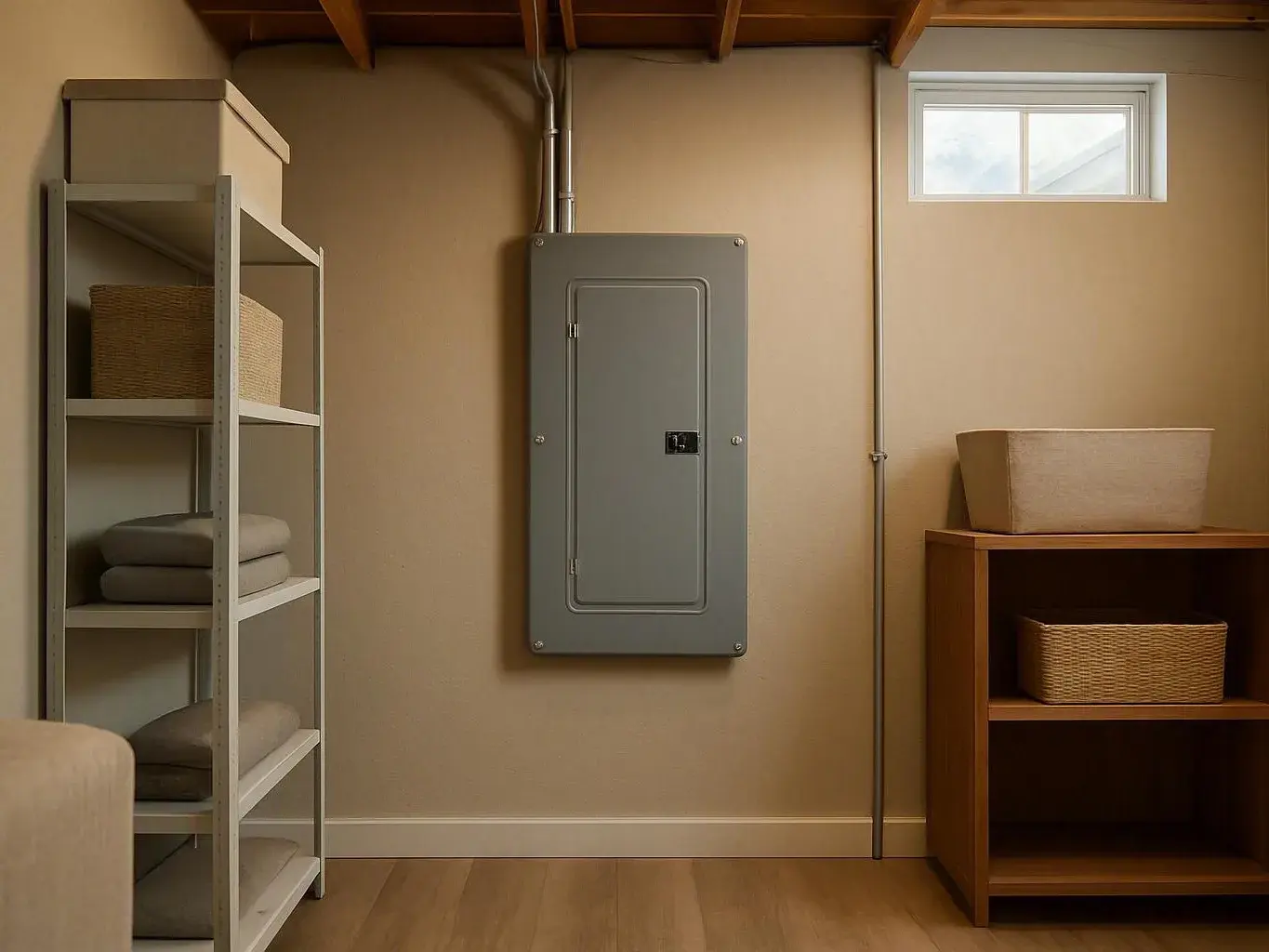
| Electrical panel | Breaker space, panel type, age, and fit can change the work. | Keep the panel clear and mention past electrical work. |
| Installation labor | Access, wire paths, safe shutdown, labels, and tests affect labor time. | Clear the space around the main service panel. |
| Grounding system | Poor grounding or bonding may need repairs before installation. | Share details about grounding or past service changes. |
| Surge protection rating | Storm risk and connected loads can guide the device choice. | List major appliances, HVAC units, electronics, and smart systems. |
Most simple projects take about 1 to 3 hours. This range isn’t a promise. Panel repairs or grounding work can add time. A service upgrade may take longer. Older Fort Wayne homes may have limited panel space. Some have older service gear or grounding issues. We check these items on site.
Fort Wayne storms may raise concern about power surges. Lightning can also cause electrical events. Local risk doesn’t make every home the same. Electrical work must follow current code rules. It must also follow utility service rules. The estimate should list any permit or inspection needs.
What Factors Change the Installation Cost?
Panel capacity can change the installation cost. Service condition can also affect the price. A crowded panel may need another approved setup. Poor grounding or bonding may need repair. The device must match the home’s power system. An electrician should check these items before giving a final quote.
An open breaker spot may allow a simple connection. A full panel may need a different setup. Damaged equipment may need repair first. The service entrance also matters. The surge device must match the system voltage.
Code checks cover more than the device connection. The electrician checks wire length and breaker size. They check labels, clear space, and the panel box. They also check the grounding system. Neutral and ground wires must connect correctly. Older homes may need separate electrical repairs.
We also check the home’s major loads. Furnaces, heat pumps, and air conditioners matter. These systems often use electronic controls. A 24 Hour Electrician can help with dangerous storm faults. Emergency help doesn’t replace planned surge protection.
Is a Whole-House Surge Protector Worth It?
A whole-house surge protector can help Fort Wayne, in homeowners. It can protect appliances, HVAC equipment, electronics, and smart devices. It won’t stop every electrical problem. It also doesn’t replace insurance. The device must be selected, grounded, and installed correctly.
Protection can matter in homes with costly appliances. Refrigerators, ranges, washers, and dryers may have control boards. These boards can cost a lot to replace. HVAC systems may also have costly controls. A good device can help during power and lightning surges.
The value depends on the whole home. Look at the service equipment’s age. Think about your electronics and smart devices. Home offices may need more protection. Consider the cost of replacing damaged equipment. Good grounding and wiring also matter.
Keep your expectations realistic. A surge device won’t fix low voltage or overloads. It won’t correct poor wiring. It may not stop events entering another path. It’s one part of a safe electrical plan. Follow maker rules and keep up with needed repairs.
What Does Whole-House Surge Protection Protect?
Whole-house surge protection helps shield connected equipment from short voltage spikes. These spikes may enter through utility power or other wiring. Protection may include panels, refrigerators, and HVAC equipment. It may also cover electronics and smart-home systems. Coverage depends on proper grounding and device specs.
A refrigerator may have a motor and control board. Sudden voltage changes can harm these parts. Air conditioners and furnaces may have similar controls. These systems matter in Fort Wayne homes. Cold winters and summer cooling needs make them important.
Smart devices, security gear, TVs, and computers use many circuits. Routers and home office gear need care too. A panel device works at the service point. It can’t promise that every part will survive. Review the clamping voltage and joule rating.
Phone and data wires may create another entry path. A panel device may not protect those lines. Separate protection may be needed for them. Ask which wires and circuits the plan covers. Follow the instructions for connected equipment.
Is Whole-House Surge Protection Better Than Power Strips?
Whole-house surge protection covers many circuits from the main panel. A power strip protects devices at one outlet. Each option has limits. Many homes benefit from using both options. Follow the maker’s instructions for each device.
A power strip may protect a computer or TV. It may also protect an audio system. Some basic strips only add more outlets. They may not offer real surge protection. Check the label for ratings and warning lights.
Panel protection works near the incoming power. It can respond to surges traveling through branch circuits. Point-of-use protection adds another layer near devices. This plan can help home offices and network gear. It can also help smart controls and media systems.
Layered protection still has limits. Phone, cable, antenna, and data wires may need care. We can review likely entry paths for surges. Then we can explain suitable options. No single product can stop every voltage event.
How Is a Whole-House Surge Protector Installed?
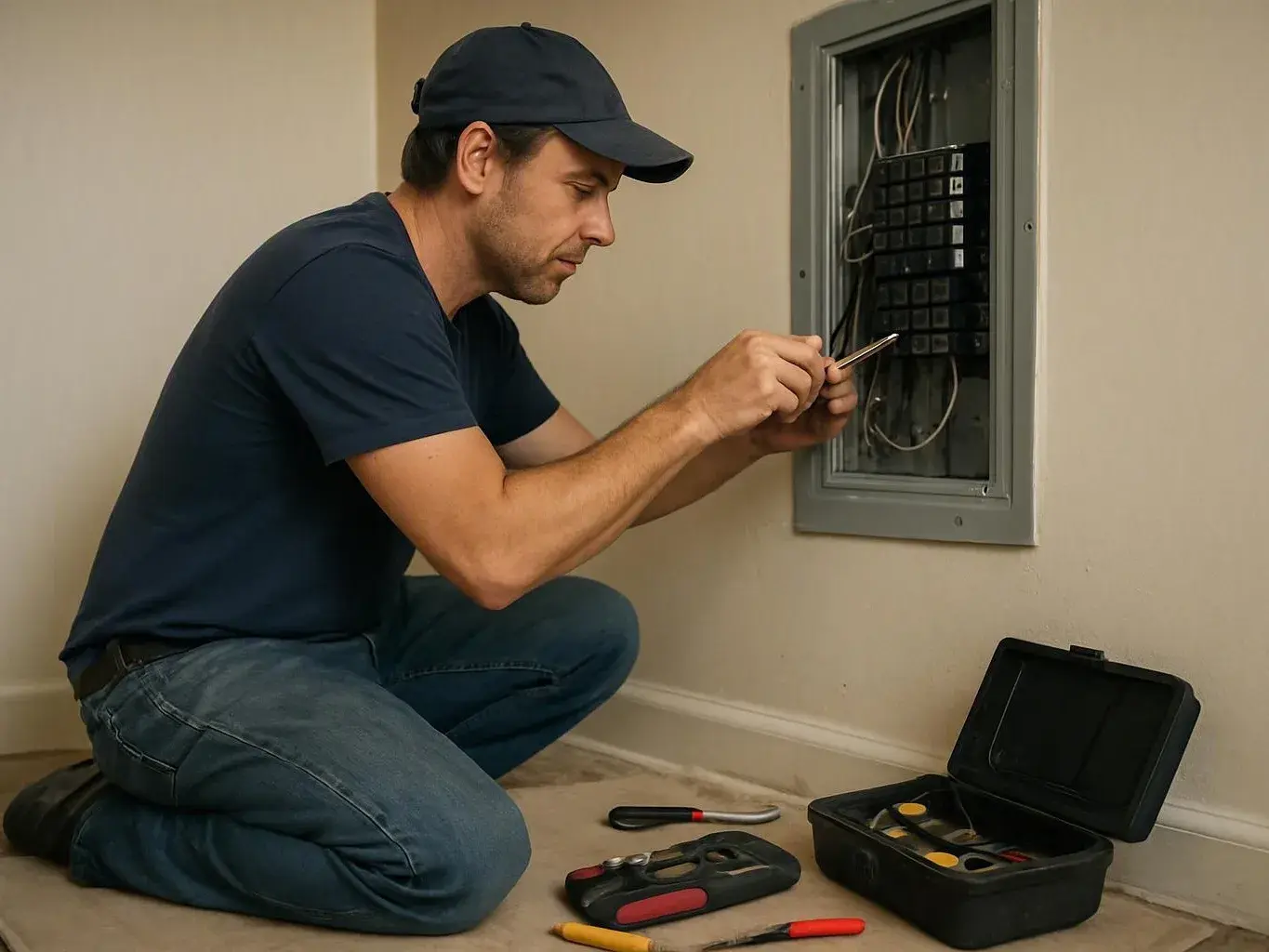
The device connects through a proper breaker or approved method. The electrician checks grounding, bonding, wires, and maker rules. They inspect the service equipment first. Then they shut down power safely, connect the device, and test it.
The grounding system supports safety and device performance. It isn’t an extra feature. If it’s damaged or missing, repairs may come first. Current code and utility rules apply to each home.
Don’t open the panel or connect a breaker yourself. Some parts may stay live when circuits are off. A trained electrician can spot hidden hazards.
How Long Does Surge Protector Installation Take?
A simple installation commonly takes about 1 to 3 hours. This includes the panel check and device test. It also includes the connection and labels. A crowded panel can add time. Grounding repairs or a service upgrade can take longer.
You can help keep the visit on track. Clear items away from the panel. Share details about past electrical repairs. Tell us which equipment you want checked. The estimate should explain permit and inspection needs.
Five Ways to Manage Whole-House Surge Protection Costs
You can manage whole-house surge protection costs in several ways. Ask for an itemized estimate. Check panel fit before choosing a device. Fix grounding issues early. Compare protection ratings, not just prices. Ask about tests, warranties, and future replacement needs.
The lowest device price may not lower the full project cost. An incompatible device can lead to more work later. We can explain required work and optional upgrades. We can also explain future care before work starts.
Questions About 24 Hour Electrician
How Much Does Whole-House Surge Protection Cost?
Cost depends on the device, panel, labor, wiring, and grounding. Panel repairs or service upgrades can raise the cost. Request an itemized estimate for your home. Avoid relying on a broad price promise.
Is a Whole-House Surge Protector Worth It?
It can help homes with costly electronics, smart devices, or HVAC equipment. It can also help with lightning and utility surges. It isn’t insurance and can’t stop every problem. Proper grounding and installation affect its value.
How Is a Whole-House Surge Protector Installed?
They connect it through the proper breaker or approved method. They also check grounding, bonding, labels, and status lights. Safe power steps are used before testing the work.
What Does Whole-House Surge Protection Protect?
It helps protect appliances, refrigerators, furnaces, and air conditioners. It can also help protect heat pumps, computers, and smart devices. Coverage depends on the device and grounding system. Phone and data wires may need separate protection.
Is Whole-House Surge Protection Better Than Power Strips?
They serve different purposes. Panel protection covers many circuits. A power strip protects equipment at one outlet. Using both may help sensitive electronics. Each device must fit the system and maker rules.
How Long Does Surge Protector Installation Take?
Most simple installations take about 1 to 3 hours. Limited space or poor access can add time. Grounding repairs and service upgrades may take longer. The electrician should give a time estimate after checking the property.
Our team can check your panel, grounding, and connected equipment. We can then recommend a suitable surge device. Contact us through our contact page for a Fort Wayne, in electrical service area review.
Related Resources
Do You Need Whole-House Surge Protection? Warning Signs to Know
how do I know if I need whole house surge protection
What It SolvesElectrical Shock From an Outlet: Emergency Repair Guide
electrician for electrical shock from outlet
Who It's For24-Hour Electrician for Seniors Living at Home
24 hour electrician for seniors
Who It's For24-Hour Electrician for Smart Home Installations
24 hour electrician for smart home installation