
What is Cartridge Fuse?
Cartridge Fuse is a replaceable overcurrent protection device enclosed in a cylindrical body with metal contacts at one or both ends. A fusible element melts when current exceeds its rated limit for a given time. The device opens the circuit and helps protect conductors, equipment, and connected loads from excessive current.
Quick Facts About Cartridge Fuse
Category
Overcurrent protection device
Used for
Protecting conductors and equipment
Measured by
Voltage, amperage, speed, and interrupting rating
Common confusion
A fuse is not resettable like a circuit breaker
Also called
Cartridge-type fuse, Fuse cartridge
Often discussed with
Fuse Box Replacement, Electrical Code Corrections
Key Takeaways About Cartridge Fuse
- A cartridge fuse opens a circuit when current exceeds its rated limit for a set time.
- The fuse rating must match the circuit’s voltage, amperage, and interrupting needs.
- A blown fuse needs replacement after someone finds and fixes the fault.
- Cartridge fuses may protect feeders, motors, appliances, and other electrical equipment.
- A fuse that blows again and again signals an overload, short circuit, or equipment trouble.
Understanding Cartridge Fuse

Cartridge Fuseis a cylindrical fuse with a sealed body. It has metal contacts at both ends.fusible element carries the circuit current. If current stays above the fuse rating, the element heats. It melts and creates an open circuit.
Related glossary terms: Fuse, Amperage, Ampacity.
The housing may contain a ceramic or glass body. It may also contain filler material and an indicator. The indicator shows whether the fuse has operated. Larger cartridge fuses often use ferrule contacts or blade-style terminals. Some versions include a time-delay feature. This feature lets a motor draw brief starting current without opening the circuit.
How Cartridge Fuse Works, Is Measured, or Is Used?
A cartridge fuse is selected by more than amperage. The voltage rating must meet or exceed the circuit voltage. The interrupting rating must safely stop the available fault current. The amperage rating protects the conductors and equipment. The fuse class and speed control its response. They affect how it handles short circuits or temporary current surges.
Fuse operation depends on current and time. A small overload may take seconds or minutes to open a fuse. A severe short circuit can operate it very quickly. Electricians inspect the fuse holder and verify the circuit voltage. They identify the fuse class and test the load. A replacement fuse must match the original rating and type. It must not merely fit the holder.
- Check the amperage and voltage printed on the fuse.
- Confirm the fuse class and time-delay characteristic.
- Compare the interrupting rating with the available fault current.
- Inspect the holder for heat damage, corrosion, or loose contacts.
Why Cartridge Fuse Matters?
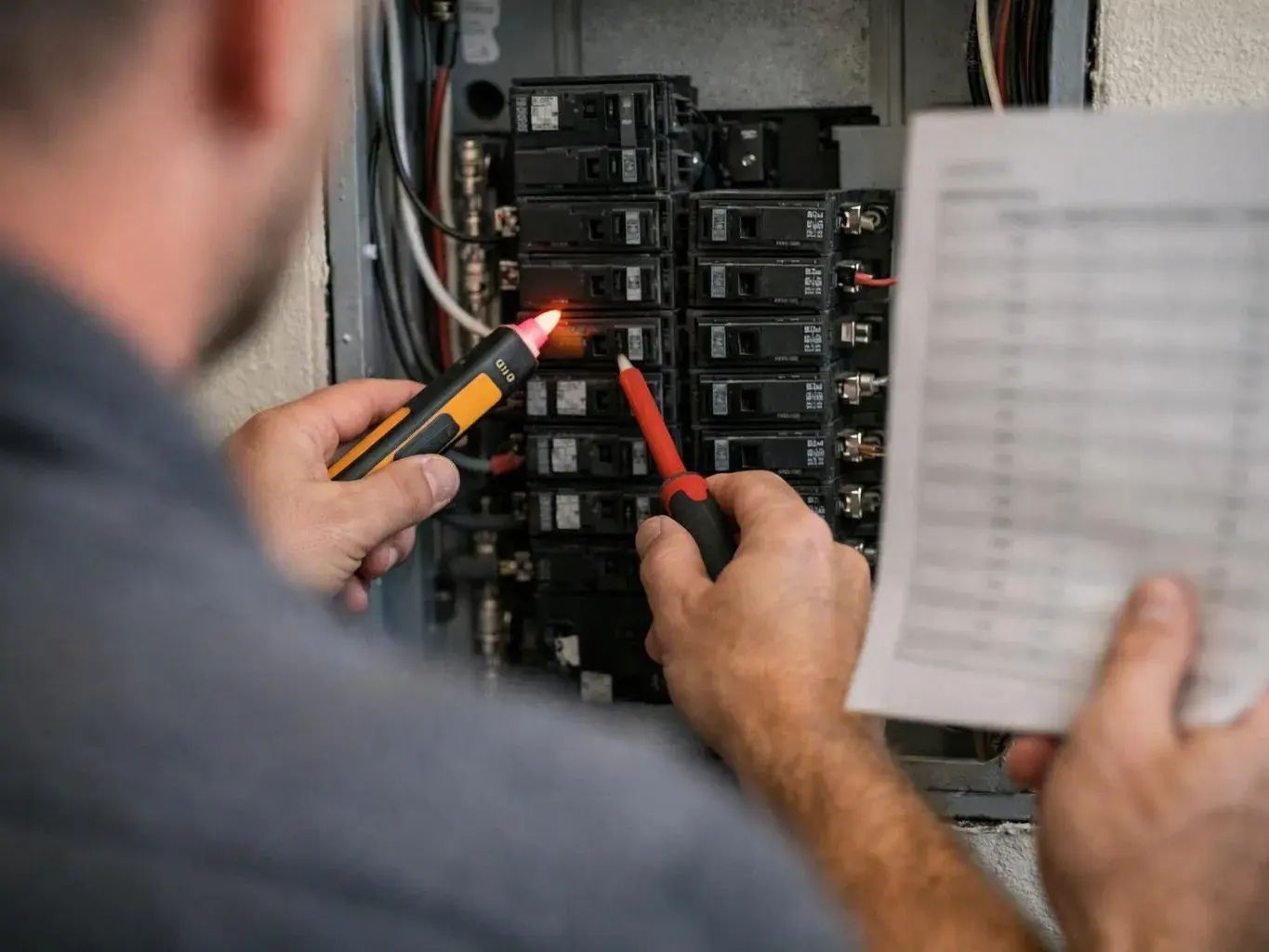
A properly selected cartridge fuse limits damage during an overload or short circuit. It can protect wire insulation, motor windings, transformers, and control equipment. It protects them from heat caused by excessive current. The fuse opens before damage becomes more severe. This can reduce fire and equipment risks. The electrical system must be designed correctly.
Cartridge fuses also provide clear protection in equipment. This equipment needs a specific response to current. A fast-acting fuse may protect sensitive electronics. A time-delay fuse may tolerate a motor's starting current. Installing the wrong type can cause nuisance openings. It can also leave equipment less protected than intended.
When Cartridge Fuse Matters Most?
Cartridge fuses deserve close attention in older fuse panels and motor circuits. They also matter in air-conditioning equipment, transformers, and industrial control systems. They matter when a fuse opens repeatedly or feels hot. They also matter when it shows discoloration or fits loosely. These signs can point to an overloaded circuit, a failing load, or a poor connection. They can also point to a damaged fuse holder.
Never replace a fuse with one that has a higher amperage rating. Don't defeat the fuse with foil. Don't install a fuse that only matches the physical size. These actions can let conductors carry too much current. This exceeds.ampacity. A qualified electrician should identify the fault and verify the replacement rating. The electrician should also check the installation. It must meet the applicable National Electrical Code requirements.
How to Evaluate Cartridge Fuse?
- Does the replacement fuse have the same amperage and voltage ratings as the specified fuse?
- Does the fuse class match the equipment and the circuit’s fast-acting or time-delay requirement?
- Is the interrupting rating high enough for the available fault current?
- Does the holder show heat damage, corrosion, looseness, or discoloration?
- Does the fuse open again after replacement, indicating an unresolved electrical fault?
Related Concepts Compared
Cartridge Fuse vs. Circuit Breaker
A circuit breaker opens during excessive current and can usually be reset after the fault is cleared. A cartridge fuse melts and must be replaced.
Cartridge Fuse vs. Fuse
Fuse is the general term for a device that opens a circuit through a melting element. Cartridge fuse identifies a cylindrical, enclosed fuse construction.
Cartridge Fuse vs. Time-Delay Fuse
A time-delay fuse is a fuse designed to tolerate short starting surges before opening. Cartridge fuse describes the physical form and does not by itself define the operating speed.
Cartridge Fuse vs. Fuse Box
A fuse box is an enclosure or panel that contains fuses and circuit connections. A cartridge fuse is the replaceable protective component inside compatible equipment.
Expert Note
A fuse can look intact even when its element has opened, especially in equipment with opaque ceramic bodies. Test the fuse and inspect its holder instead of relying only on visual inspection. Repeated fuse operation usually requires fault diagnosis, not a larger fuse.
Common Mistakes or Myths About Cartridge Fuse
- Replacing a blown fuse with a higher amperage fuse.
- Choosing a fuse by physical size without checking voltage and interrupting rating.
- Using a fast-acting fuse where the equipment requires a time-delay fuse.
- Assuming a repeated blown fuse is normal equipment operation.
- Ignoring heat damage or loose contacts in the fuse holder.
Cartridge Fuse in Practice: A Real-World Example
A 30-amp motor circuit uses a time-delay cartridge fuse because the motor draws extra current at startup. If the motor develops a short circuit, the fuse opens and cuts power. Replacing it with a 40-amp fuse could expose the circuit wiring to unsafe current.
Sources & Further Reading on Cartridge Fuse
Related Services
Related Terms
Fuse
Fuse is an overcurrent protection device that contains a metal element designed to melt when electrical…
Amperage
Amperage is the amount of electric current flowing through a circuit, measured in amperes, also called…
Ampacity
Ampacity is the maximum current, measured in amperes, that a conductor can carry continuously under specified…
Interrupting Rating
Interrupting Rating is the highest fault current that a circuit breaker, fuse, or similar protective device…
Chris Miller Electric
Have Questions About Cartridge Fuse?
Contact Chris Miller Electric for practical guidance on Cartridge Fuse and related 24 hour electrician work in Fort Wayne.