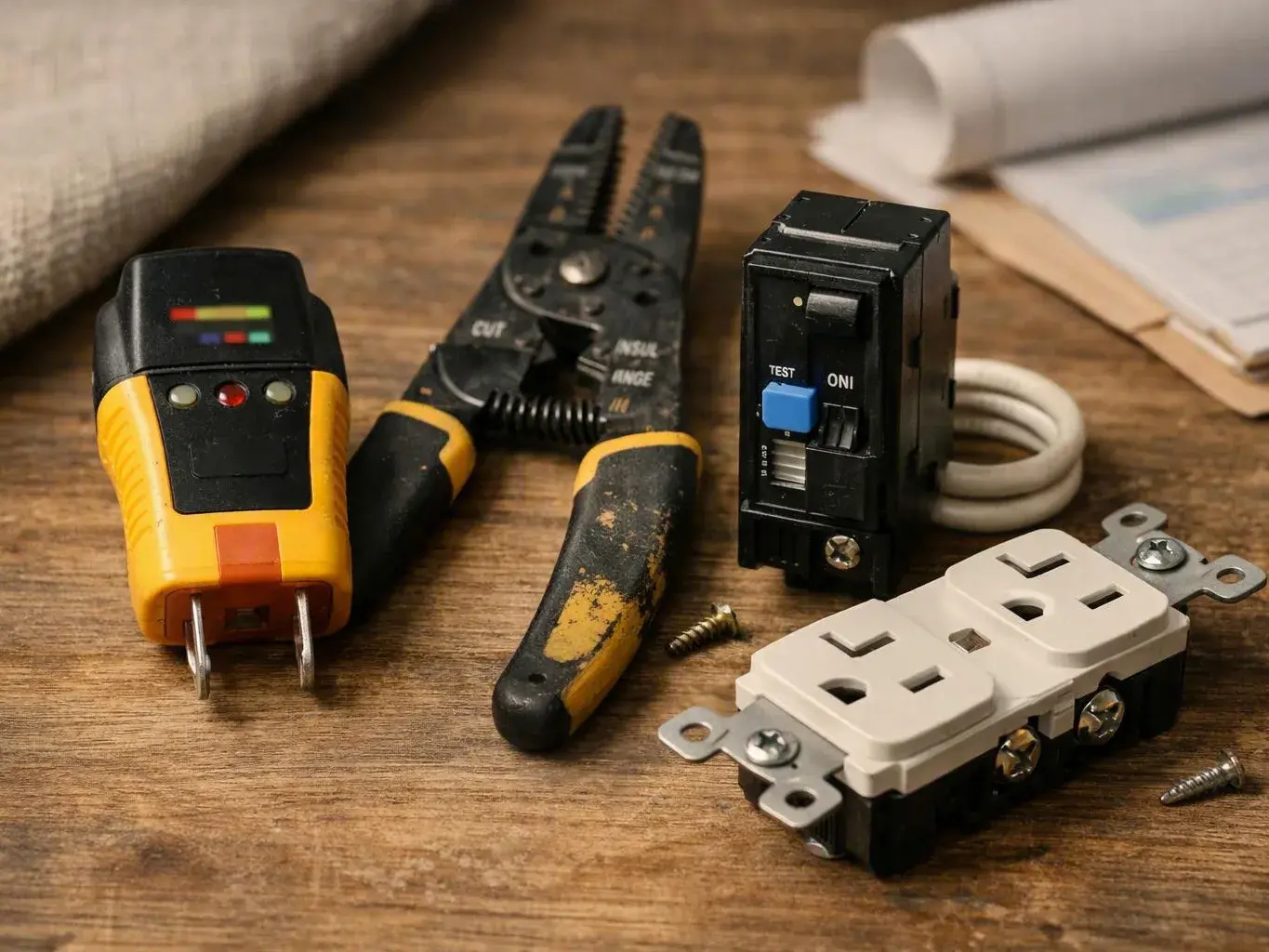
When to Replace Your Fuse Box in Fort Wayne, IN
You may need a new fuse box if fuses blow often. A hot panel can also signal trouble. Damaged wiring may need prompt repair. Some older boxes can't power today's appliances safely. A fuse box replacement can fix unsafe parts and overloaded circuits. An electrical service upgrade may help homes that need more power. Never bypass a fuse or use an oversized fuse. Turn off power only when it's safe. Keep the panel clear and easy to reach. Chris Miller Electric can check your Fort Wayne, in home. We'll explain if you need a repair, replacement, or upgrade.
Get a Free Estimate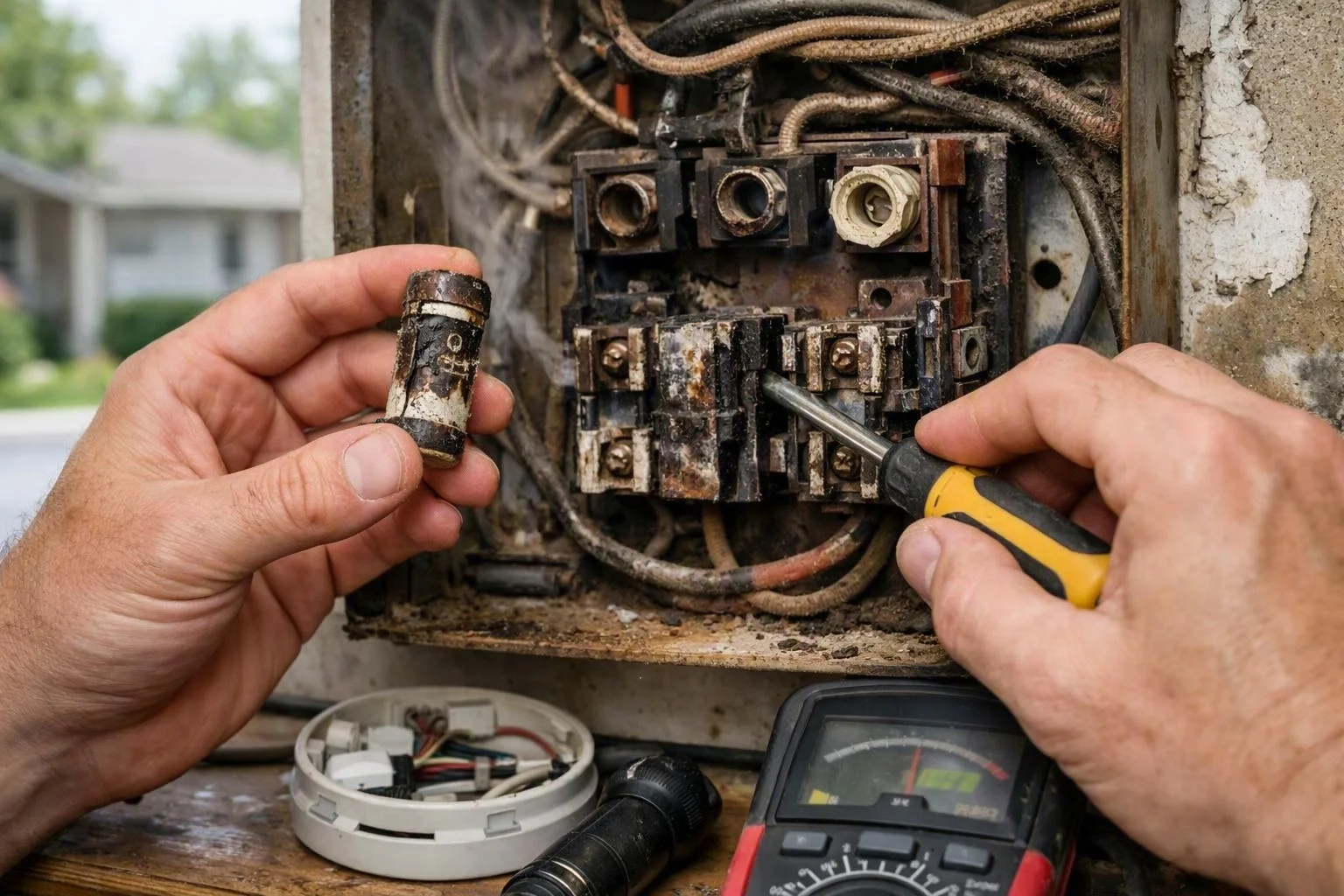
What Are the Signs You Need to Replace Your Fuse Box?
A fuse box may need replacement if fuses blow often. Heat, burn marks, and damaged wiring are also warning signs. The box may also lack enough power for your home. These signs can point to an overload, faulty part, or weak electrical system.
Use this guide to spot common problems. One issue may need a small repair. Several signs call for a full inspection.
Repeated Blown Fuses Usually Signal an Underlying Problem
Repeated blown fuses usually show a deeper problem. The cause may be an overload, short circuit, or ground fault. A new fuse must have the right rating. If it blows again, the circuit needs testing.
Our team checks appliances, outlets, switches, wiring, and fuse holders. We also check for loose connections and damaged insulation. Then we decide if the issue affects one circuit or the full panel. Never use a larger fuse to stop the problem. It can remove the safety that protects your wiring.
Why an Older Fuse Box Can Become a Safety Concern?
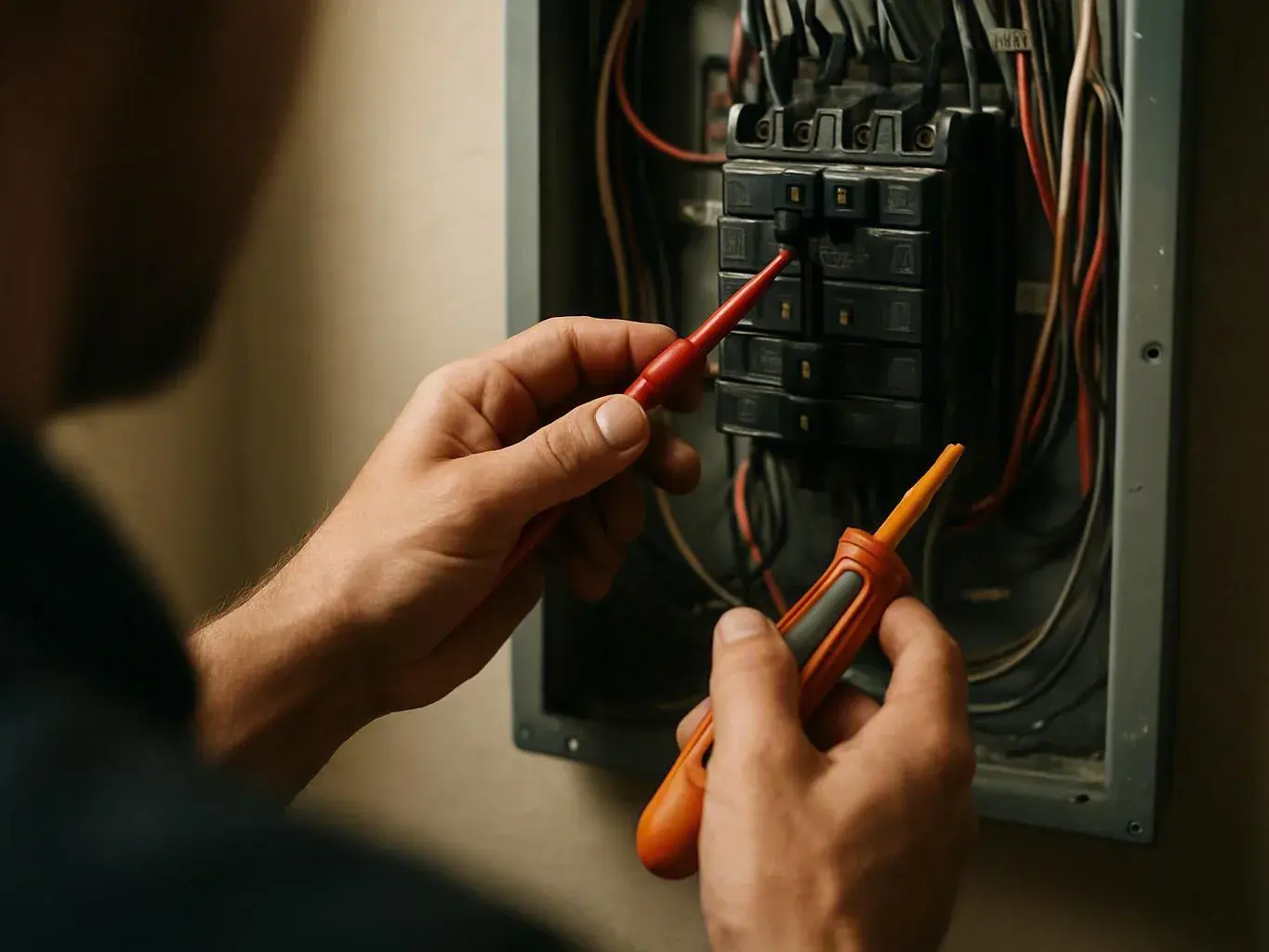
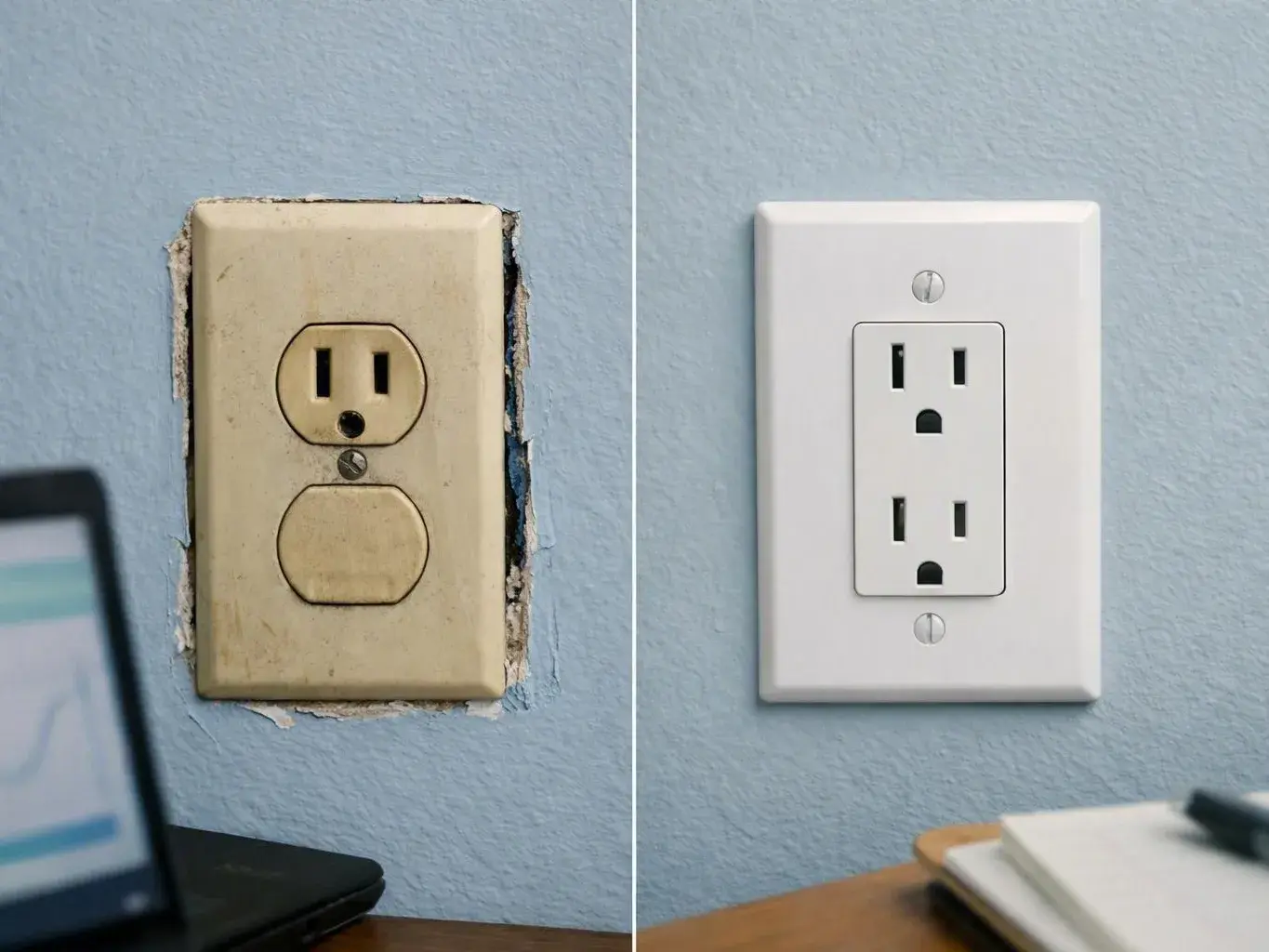
An old fuse box can become unsafe over time. Worn parts, overloaded circuits, and poor grounding can cause heat or failure. A qualified electrician should check the panel, service wires, and branch circuits. The results help show if you need a repair, fuse box replacement, or electrical service upgrade.
Safety depends on more than the box cover. Fuse holders can loosen with age. Wiring may have cracked insulation or poor past repairs. Weak grounding may not give fault current a safe path. That can raise shock risks.
An arc fault happens when electricity jumps across a loose or damaged connection. Heat, buzzing, smells, and dark marks need quick attention. Our inspection checks the main disconnect, service entrance, grounding system, and branch circuits.
Some older Fort Wayne homes have aging panels or old wiring. Some may also lack enough service power. A home's age doesn't tell the whole story. We use inspection results, current use, and planned work to guide the choice.
Can Your Fuse Box Handle Your Fort Wayne Home’s Electrical Demand?
A fuse box may not handle your Fort Wayne home's power needs. Modern appliances can overload old circuits. The service may also lack power for heating, cooling, additions, or an electric vehicle charger. An electrician can check the load and service. Then we'll know if you need replacement or an upgrade.
An electrical load calculation compares your home's power use with its service size. It includes air conditioning, heat pumps, ranges, water heaters, and laundry machines. It also includes lights, outlets, and large motors. Planned work must be counted too.
Cold Fort Wayne winters can reveal weak capacity. Electric heat and portable heaters may run for hours. Several heaters and appliances can overload a circuit.
Remodels and new appliances can raise power use. Don't keep replacing fuses to hide the issue. A load check may show that a new panel is enough. It may also show.Electrical Service Upgrades are needed.
Fuse Box Replacement vs. Electrical Service Upgrade
The right choice depends on your equipment and power needs. A replacement changes old equipment. An electrical service upgrade may change the service wires, meter, main disconnect, or panel.
| Option | When it may fit | What may be involved |
|---|---|---|
| Fuse box replacement | The box is old, damaged, or hard to maintain. Existing service power may still be enough. | The old box comes out. A matching breaker panel goes in. We connect and label circuits. We also check grounding and test the system. |
| Electrical service upgrade | A load check shows the service can't handle current or planned use. | The work may include new service wires, meter parts, the service entrance, main disconnect, grounding, and panel. |
| Repair | A small fault is found. The equipment remains safe and suitable for the home. | We fix a connection, fuse holder, branch circuit, or other known fault. |
A breaker panel is a common modern choice. It isn't right for every home. We must check service size, wiring, space, grounding, and local rules first.
Should You Replace a Fuse Yourself or Call an Electrician?
Homeowners shouldn't replace a fuse box or change panel wiring. The work involves live wires, grounding, service parts, and safety rules. A professional electrician can find the cause of blown fuses. We can also check the system and complete the right repair or upgrade.
Changing the right fuse may be simple when the system is safe. Repeated failures need testing. Fuse box replacement is not the same as changing one fuse. Parts of the panel may stay live, even when some circuits are off.
| Factor | DIY | Professional |
|---|---|---|
| Safety | You may face live parts, shock, fire, or an unknown fault. | The electrician uses safe steps and checks the full system. |
| Inspection | The check may stop at the fuse or visible panel parts. | The check includes wires, grounding, service parts, load, and connections. |
| Code compliance | You may miss permits, labels, grounding, or equipment rules. | The electrician plans work around local rules and code needs. |
Our team can explain the findings before work starts. Leave if you see smoke, sparks, or active heat. Call emergency services when needed.24 Hour Electrician may help when the hazard can't wait.
What to Expect During a Fuse Box Replacement?
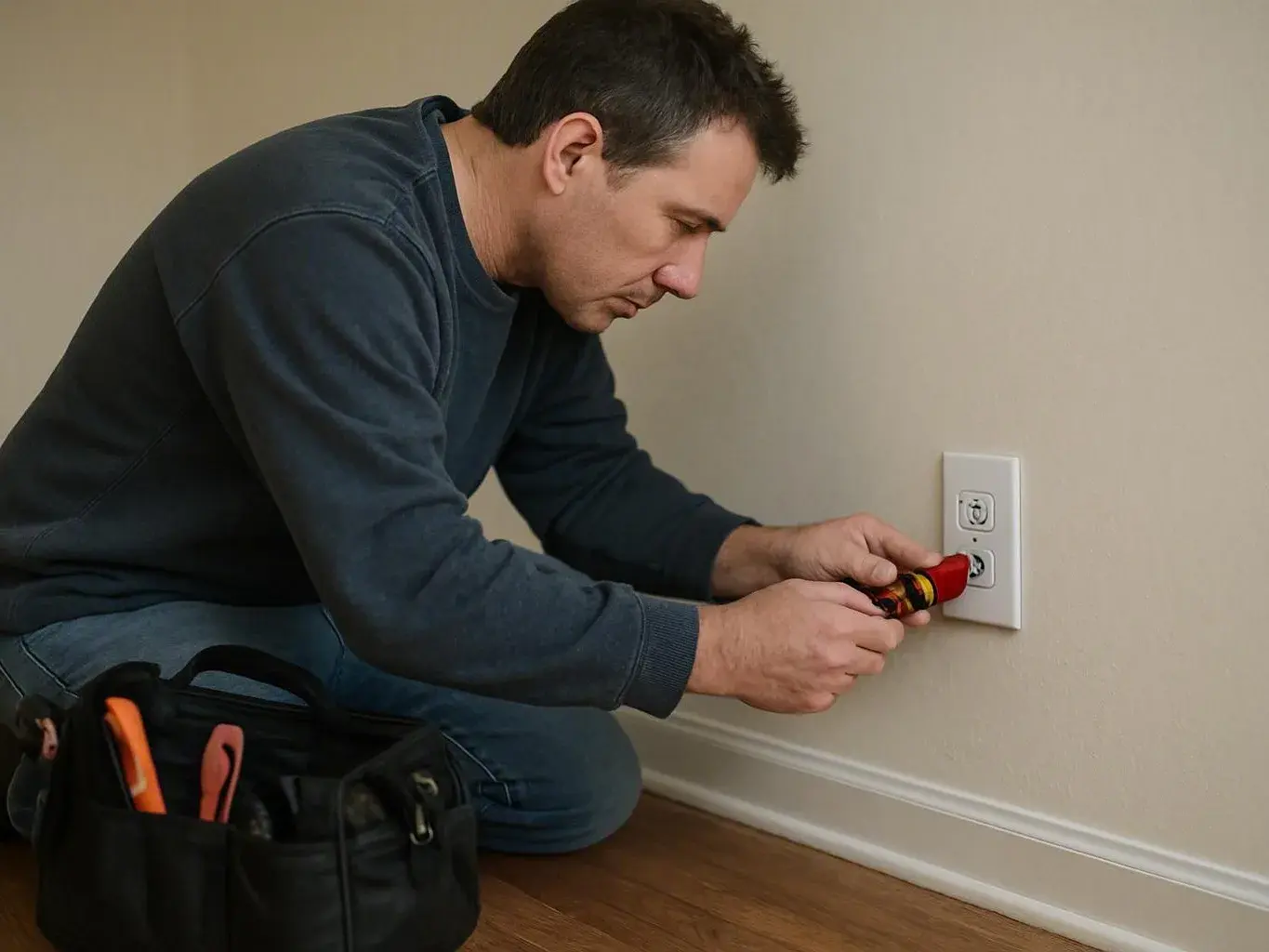
A fuse box replacement starts with an electrical check and load review. Next, the electrician checks the service and wiring. We then choose the equipment, remove the old box, install the new panel, label circuits, and test the system. We'll explain needed repairs and Fort Wayne permit or inspection needs.
Many home panel projects take about one workday. This assumes easy access and sound wiring. Service work may take longer. Repairs, utility work, and inspections can add time.
When Should You Schedule a Fuse Box Inspection in Fort Wayne, IN?
Schedule a fuse box inspection in Fort Wayne, in if fuses blow often. Heat, smells, damage, flickering lights, and weak capacity also need attention. Turn off power if it's safe. Seek urgent help for smoke, sparks, or active heat. Chris Miller Electric can check the system and explain your options.
An inspection also helps before a major remodel or home addition. Consider one before finishing a basement or adding an appliance. An electric vehicle charger also needs a service check. Early testing can find limits before new equipment is connected.
Tell us about nuisance fuse trips and dim lights. Mention warm outlets, buzzing, and odd smells. These details help us find the source. We can then separate a small repair from a larger panel problem.
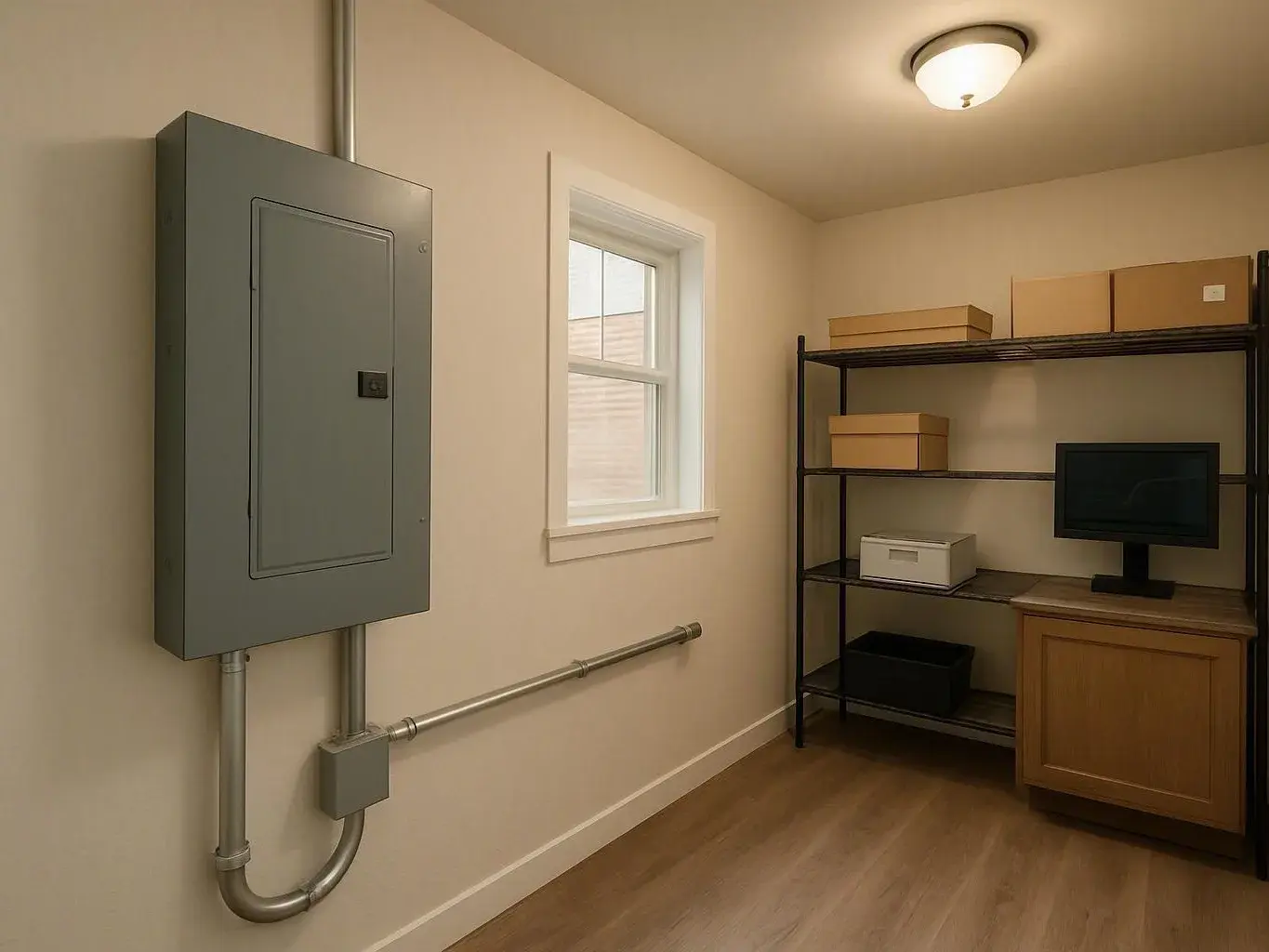
Keep the panel clear and easy to reach. Don't lean items against it. Don't remove the cover. If you smell burning or see smoke, move away. Call emergency services when needed.
Common Questions About Replacing a Fuse Box
Most questions cover safety, power needs, cost, and modern appliances. Many homeowners also ask about breaker panels. The answer depends on the box, wiring, service size, load, and local rules. An on-site check gives the safest answer.
Costs depend on the equipment, wiring repairs, access, and service size. Permit needs can also affect the price, so can a full service upgrade. We base our advice on the actual panel and wiring.
Questions About 24 Hour Electrician
How Do I Know if My Fuse Box Needs to Be Replaced?
Repeated blown fuses, heat, burn marks, odors, and damaged wiring can signal trouble. Flickering lights and loose fuse holders are also warning signs. Limited power can point to replacement needs.
What Are the Dangers of an Old Fuse Box?
An old fuse box may have worn parts, poor grounding, or damaged wiring. It may also lack enough power for modern appliances. Bypassed and oversized fuses can raise fire and shock risks. Don't remove the panel cover. Arrange an electrical inspection.
Is It Better to Replace a Fuse Box with a Breaker Panel?
A breaker panel can make resets easier. It can also provide newer distribution equipment. It isn't right for every home. An electrician must review the service, wiring, grounding, load, location, and code rules. A fuse-to-breaker panel conversion may work after this check.
Can a Fuse Box Handle Central Air Conditioning?
It may, but the answer depends on the unit and service size. Wiring and total home load also matter. Air conditioning, heat pumps, electric heat, and portable heaters can use much power. An electrician should check the load before installation.
How Much Does It Cost to Replace a Fuse Box?
Cost depends on the panel, service size, wiring, access, and grounding work. Permit needs can also affect the price. A full electrical service upgrade costs more than a simple panel change. An on-site check is needed for a clear estimate. Ask what testing, labels, and inspections the price includes.
Don't wait if you see heat, smoke, or sparks. Repeated fuse failures also need attention. Our team can inspect your electrical service and explain safe options for your Fort Wayne home.
Related Resources
Emergency Electrical Power Outage Troubleshooting and Repair
emergency electrician for power outage
What It SolvesElectrician for Flickering or Dimming Lights
electrician for flickering lights
What It SolvesElectrical Problems Caused by an Old Fuse Box
electrician for old fuse box problems
Who It's ForCommercial Property 24-Hour Electrician in Fort Wayne, IN
24 hour commercial electrician Fort Wayne IN