How are intermittent electrical problems diagnosed?
Voltage drops are diagnosed by tracing the affected circuit and testing its connection points. Chris Miller Electric records when the fault appears, checks terminals and conductors, and compares the findings with the reported symptom. This method helps separate a loose connection from wire damage, equipment trouble, or a wider circuit issue.
What should I do if a breaker keeps tripping?
A repeatedly tripping breaker needs diagnosis before repeated resets. We check the connected circuit, load, terminals, and visible wiring for a fault. Customers should unplug equipment only when it is safe to do so and should stop using the circuit if they notice heat, sparks, smoke, or a burning smell.
Which part of the property decides the troubleshooting scope?
The affected circuit decides the troubleshooting scope. We consider the panel, breaker, connected outlets, switches, fixtures, equipment, and accessible wiring along that path. A single dead outlet may need a focused check, while symptoms across several rooms can point to a broader circuit or service issue.
How can I tell whether electrical troubleshooting fits my property?
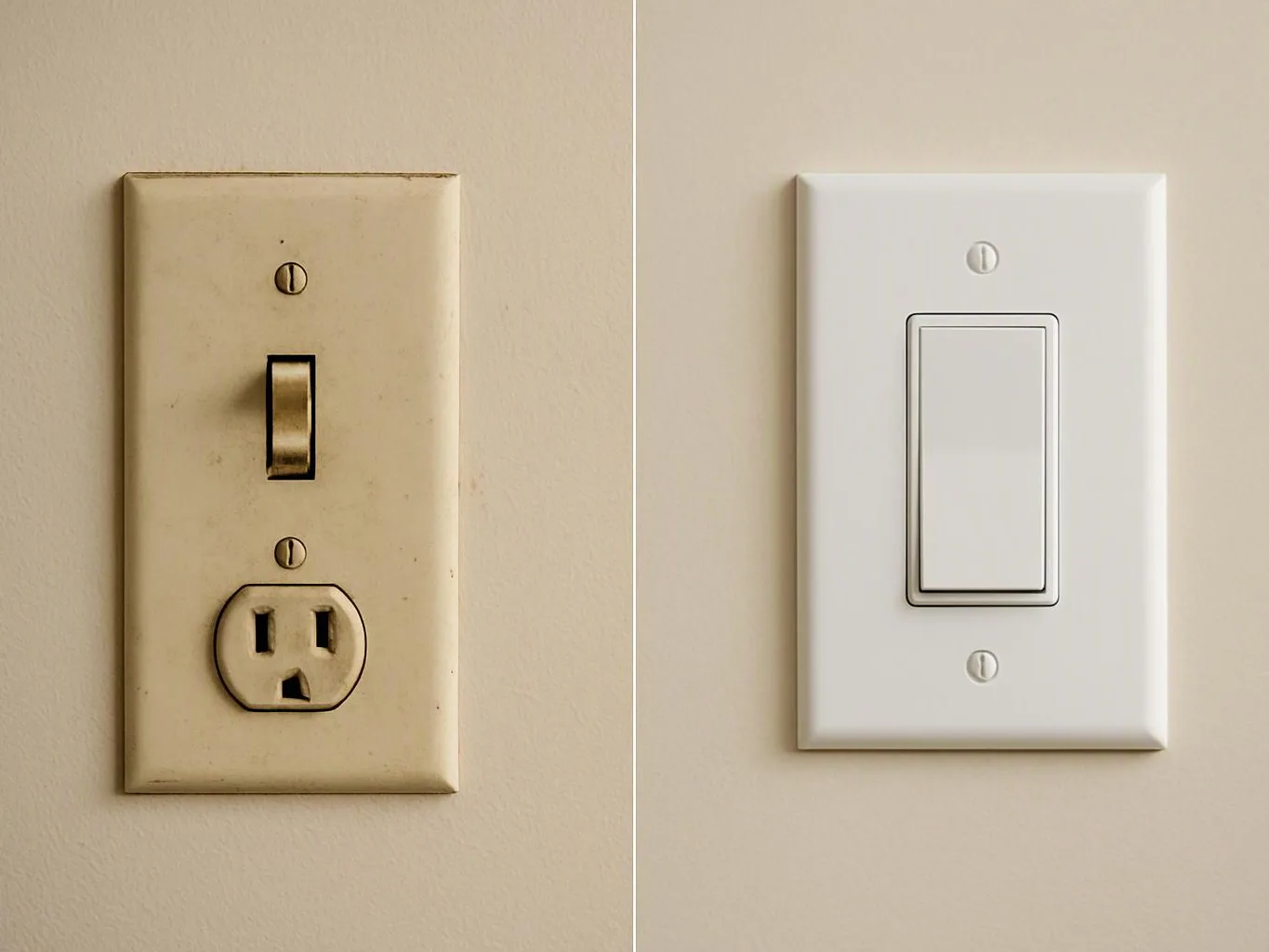
Electrical troubleshooting fits when an existing electrical system shows a fault that needs to be found. Flickering lights, dead outlets, buzzing panels, warm switch plates, and recurring trips all justify a diagnostic check. Planned new lighting or a new circuit needs an installation assessment instead.
Which material changes the time needed for electrical troubleshooting?
Wire condition can change the time needed for troubleshooting. Corroded conductors, damaged insulation, and older connection materials can require more testing and careful access. We check the wiring path and explain when the issue calls for repair or replacement instead of a simple adjustment.
Can troubleshooting cover a panel or wiring problem?
Panel and wiring problems can be included when they cause the reported electrical fault. We inspect the related breaker, terminals, service connections, and accessible conductors. A panel upgrade or whole-house rewiring becomes a separate project when the system needs broader capacity or replacement work.
When should an electrical fault be treated as urgent?
An electrical fault is urgent when it produces smoke, sparks, burning odor, heat, or repeated breaker trips. We treat those signs as safety concerns and focus on isolating the affected area. Customers should keep people away from damaged equipment and avoid touching exposed wiring.