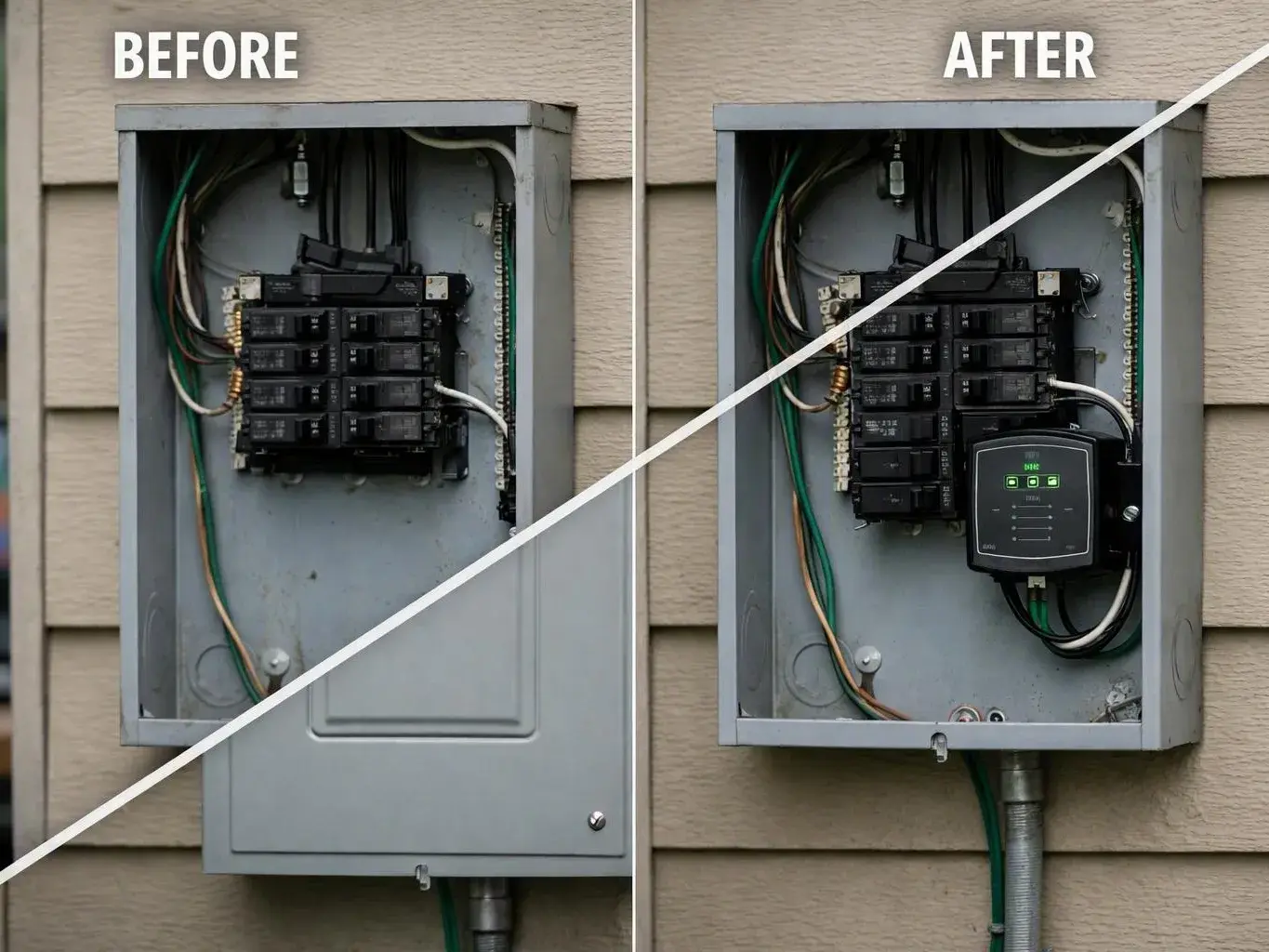
What an Electrical Panel Upgrade Costs in Fort Wayne
Electrical panel upgrades in Fort Wayne cost depends on amperage, panel equipment, labor, permit requirements, service-entry work, and corrections to existing wiring. A 100-amp to 200-amp upgrade typically costs more than a like-for-like panel replacement because it may require larger conductors, a service upgrade, utility coordination, and additional inspections. A 200-amp panel cost installed also varies by accessibility, grounding, breakers, and code updates. Chris Miller Electric can explain each line item, identify required work, and provide a clear quote for your home.
Get a Free EstimateHow Much Does an Electrical Panel Upgrade Cost in Fort Wayne?
Electrical panel upgrade cost in Fort Wayne depends on the panel amperage, equipment selected, labor access, permit requirements, service-entry condition, and code corrections. A straightforward panel replacement generally costs less than a service upgrade that changes capacity, conductors, grounding, or utility connections. Your written quote should separate each scope item.
The word “upgrade” can describe several different jobs. An electrical panel replacement may keep the existing service capacity while replacing an old breaker panel. A breaker panel upgrade may add spaces, improve breaker compatibility, or replace unsafe equipment. An electrical service upgrade changes the home’s available capacity and may include work outside the panel itself.
For example, a 100-amp panel that is still suitable for the home may be replaced with another properly rated panel. That work can be simpler than moving from a 100-amp electrical service to a 200-amp electrical service. The larger project may need new service entrance conductors, a meter base, grounding improvements, and coordination with Indiana Michigan Power.
Labor access also affects the installed cost. A panel in an open basement or utility room may be easier to reach than equipment behind finished walls, inside a tight closet, or near other building systems. Existing wiring can add work if conductors are too short, damaged, poorly identified, or not arranged for the new equipment.
A load calculation is another key part of a responsible quote. It connects the home’s expected demand to the proposed amperage. Electric vehicle charging, heat pumps, electric water heaters, workshops, additions, and other future loads may affect the recommendation. More capacity is not automatically better if the service, conductors, and equipment do not support it.
Most straightforward residential projects commonly take part of one day to two working days, while jobs involving service-entry work, concealed wiring, utility coordination, or corrections may take longer. This is a typical planning range, not a promise. The property condition and approval process control the actual schedule.
Electrical Panel Upgrades in Fort Wayne should be quoted as a scope of work, not as an unexplained number. We explain which parts involve residential electrical work, which parts involve the utility, and which corrections are required for code compliance. That approach helps you compare an electrical contractor’s proposal fairly.
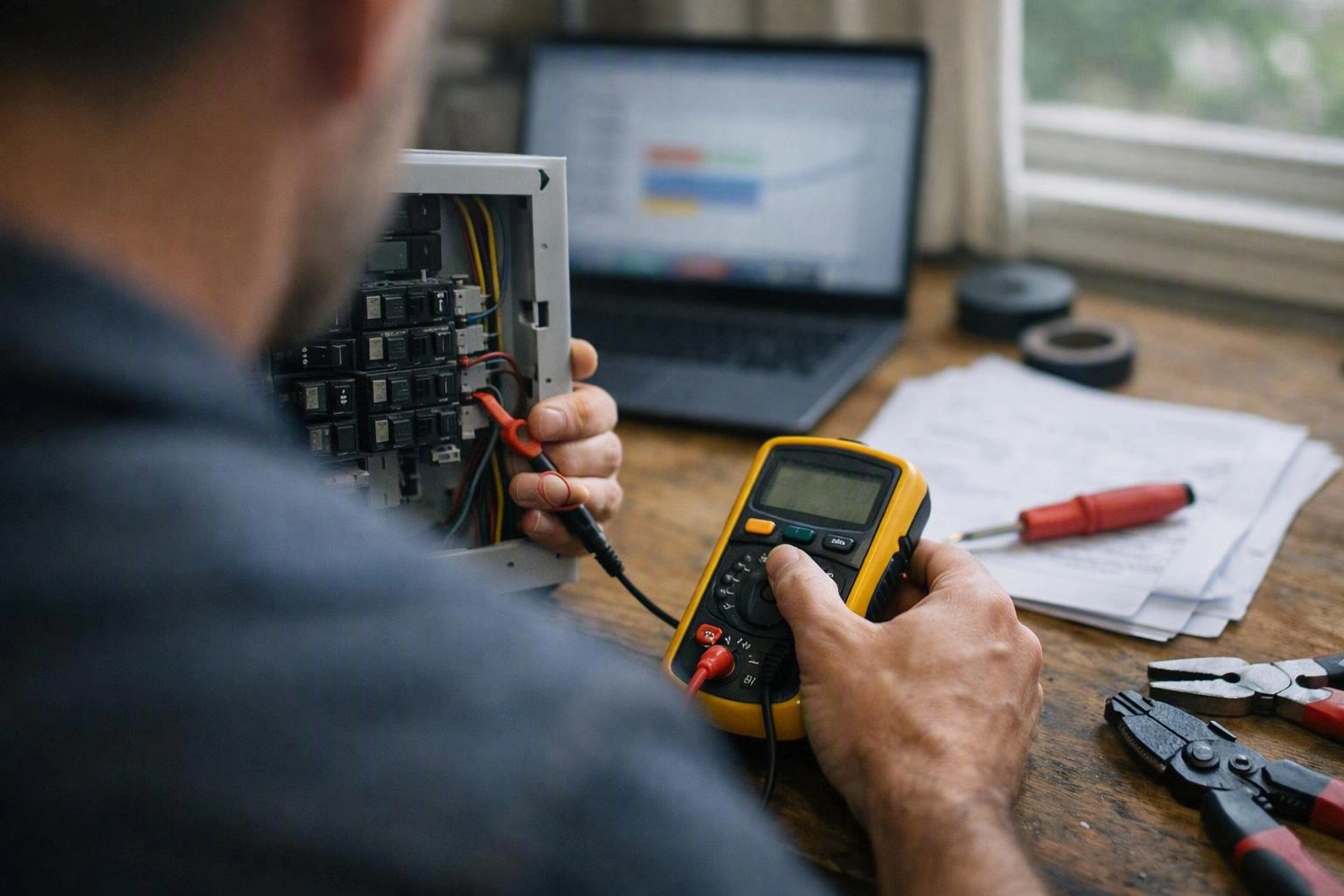
What Is Included in an Electrical Panel Upgrade?
An electrical panel upgrade quote may include panelboard removal, a new panel, circuit breakers, circuit labeling, grounding and bonding work, conductor changes, labor, permits, inspection coordination, and cleanup. The exact scope depends on whether the project is a panel replacement, an amperage upgrade, or a broader electrical service modification.
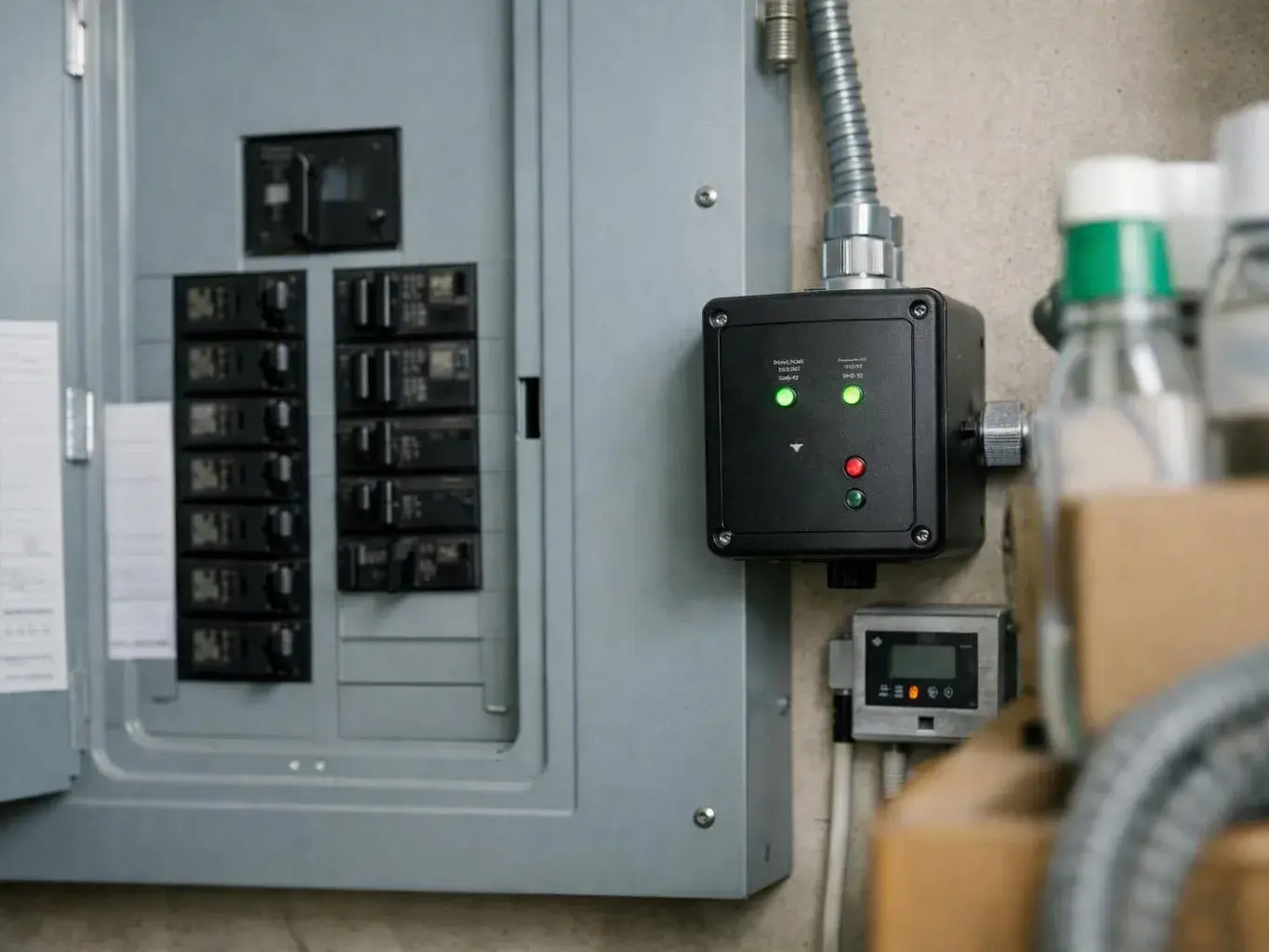
The electrical panelboard is the main enclosure that holds branch-circuit breakers and, in many homes, the main disconnect. The replacement panel should match the service rating and accept the breaker types required for the equipment. A new 200-amp panel is not enough by itself if the service conductors or meter equipment remain undersized.
Breakers may be replaced, moved, or added when the work requires it. The crew may also identify double-tapped conductors, damaged breakers, missing blanks, poor labeling, or circuits that need correction. Circuit labels should make it easier to shut off power safely during maintenance or an emergency.
Service conductors carry power from the utility connection to the service equipment. If the amperage changes, these conductors may need to be replaced or repositioned. Grounding and bonding work can include improving the grounding electrode connection, bonding service equipment, and correcting neutral and ground arrangements.
Older Fort Wayne homes may have obsolete service equipment, limited working space, inadequate grounding, or concealed wiring conditions. Indiana electrical code compliance may require corrections that were not visible during an initial conversation. We explain those findings before work proceeds whenever possible.
A complete quote should also state who handles the electrical permit inspection scheduling, utility contact, temporary power needs, wall repairs if any, and disposal of the old equipment. Good workmanship includes neat conductor routing, secure terminations, accurate labels, testing, and cleanup after installation.
Ask whether the proposal includes only the panel or the full electrical service upgrade. Those terms are related but not identical. A clear scope prevents a low initial quote from becoming a series of added charges after the old equipment is opened.
How Much Does a 100-Amp to 200-Amp Upgrade Cost?
A 100-amp to 200-amp upgrade costs more than replacing a panel at the same amperage because the project may require larger service conductors, a compatible meter base, service equipment changes, grounding improvements, utility coordination, and inspections. The electrician must evaluate the existing service and home load before confirming the scope.
A 100-amp electrical service may be adequate for a smaller home with gas appliances and limited electric demand. It may not provide enough capacity for planned electric heating, vehicle charging, a large addition, or several high-demand appliances. A load calculation helps determine whether 200 amps is needed or whether another solution is more practical.
Moving to a 200-amp electrical service can involve more than installing a larger panel. The service entrance conductors must be sized for the approved capacity. The meter base and other service equipment must also be compatible. In some cases, the service mast, weatherhead, conduit, grounding electrode system, or attachment point needs attention.
Utility coordination is important because the utility owns and controls portions of the service connection. Indiana Michigan Power service requirements may affect meter equipment, service-entry work, disconnect placement, and the order of work. The electrician can explain which tasks belong to the homeowner, the contractor, or the utility.
Site conditions create further differences. A short, accessible route may reduce labor. Long conductor runs, buried or overhead service changes, finished surfaces, difficult meter access, or damage near the service point can add steps. Inspection timing and required corrections can also affect the project schedule.
Do not choose a capacity based only on the largest panel available. The panel, main breaker, service entrance, meter base, grounding system, and utility connection must work together. We use the home’s present demand and reasonable future loads to define the correct scope.
The same reasoning applies when a homeowner asks about a 200-amp panel cost installed. Equipment is only one part of the installed work. The final proposal should identify the panel, breakers, conductors, service equipment, permit tasks, utility coordination, testing, and cleanup separately.
Why Does an Electrical Panel Upgrade Quote Vary?
Electrical panel upgrade quotes vary because homes have different service capacities, panel locations, wiring conditions, accessibility, load requirements, and permit scopes. A quote can increase when the electrician finds outdated conductors, inadequate grounding, crowded equipment, difficult wall access, or service components that cannot support the requested amperage.
The following factors help explain why two homes with similar panel sizes may receive different proposals. They also show what information can make the estimate more accurate.
| Factor | Why it changes the cost | What to prepare |
|---|---|---|
| Panel accessibility | Tight spaces, finished walls, or blocked working areas can increase setup, protection, and labor time. | Clear the area and share photos of the panel location before the visit. |
| Load calculation | The home may need a different capacity based on existing and planned electrical demand. | List major appliances, heating systems, chargers, workshops, and planned additions. |
| Code compliance | Older grounding, bonding, breaker, clearance, or conductor conditions may need correction. | Provide prior inspection notes and disclose known electrical problems. |
| Rewiring | Short, damaged, mislabeled, or concealed conductors may require repair or replacement. | Identify circuits that trip, heat up, lack power, or serve recent remodeling work. |
| Permit and inspection | The project scope and local approval pathway can add planning, scheduling, and correction steps. | Confirm the project address and ask which Fort Wayne permitting authority has jurisdiction. |
Fort Wayne project addresses may follow different local permitting and inspection pathways depending on whether the property is within the city or another jurisdiction. The authority having jurisdiction should be named in the quote so you know who reviews the work.
Housing stock in the area can include older electrical systems. Limited service capacity, obsolete equipment, difficult panel access, and concealed wiring corrections are important local pricing drivers. A careful inspection helps separate required work from optional improvements.
We also explain how we work when conditions change: document the issue, connect it to safety or code needs, describe the available correction, and update the scope before proceeding. That process gives the homeowner a useful record instead of a surprise at the end.
Does an Electrical Panel Upgrade Require a Permit in Fort Wayne?
An electrical panel upgrade in Fort Wayne commonly requires an electrical permit and inspection because the work changes or replaces safety-critical service equipment. Permit responsibilities can depend on the project address, scope, and authority having jurisdiction. Your electrician should identify the applicable process, arrange inspections, and explain any utility requirements.
The Fort Wayne permitting authority may differ based on whether the property is inside the city or in another local jurisdiction. That authority determines the application process, inspection steps, and documentation needed for the project. A proposal should not assume that every address follows the same pathway.
Indiana electrical code provides the safety framework for installation. Inspectors may review panel location, working clearance conductor sizing, breaker compatibility, grounding and bonding, labeling, service disconnects, and other details. Older equipment may pass a basic visual check but still require corrections when it is changed.
Utility service requirements are a separate concern. Indiana Michigan Power may need to be contacted when the service capacity, meter base, service entrance, or connection arrangement changes. Utility coordination can affect shutoff timing, reconnection, equipment placement, and inspection order.
Ask who will pull the electrical permit, who will meet the inspector, and who will handle corrections if the inspection identifies an issue. We can explain the expected steps and help keep the work organized. A permit is not a guarantee that every hidden condition is known, but it is an important part of documented electrical work.
Emergency work is different from planned replacement. If a panel is smoking, sparking, hot, or making unusual sounds, shut off power only if it is safe and contact a qualified electrician. A 24 Hour Electrician may be appropriate for immediate hazards. While planned upgrades can be scheduled with time for load review and permit planning.
How Can You Save Money on an Electrical Panel Upgrade?
Homeowners can reduce electrical panel upgrade costs by confirming the required capacity, requesting an itemized quote, correcting accessible issues together, planning for known future loads, and avoiding unnecessary equipment changes. Proper planning helps prevent repeat service calls while keeping the installation aligned with code, utility requirements, and the home’s actual electrical demand.
Saving money does not mean choosing the smallest panel or skipping required approval. It means defining the work before installation, making practical decisions about future needs, and avoiding duplicate labor. These steps can also make the project easier to schedule.
Panel capacity planning should balance present demand with reasonable future use. A larger service may be useful, but it can also require new service entrance conductors, meter equipment, and utility coordination. If the load does not support the change. A smaller scope may provide better value.
Permit planning can also control costs. Confirm the local authority early, ask about inspection timing, and make sure the proposal includes the expected approval steps. Correcting known grounding, bonding, or access issues before installation may prevent a failed inspection and a second trip.
Compare quotes by scope rather than by the bottom line alone. One proposal may include a complete electrical service upgrade. While another may cover only a main breaker replacement or like-for-like electrical panel replacement. The lower number is not necessarily the lower total cost if important work is left out.
Our team can explain which recommendations are required, which support future use, and which are optional. This gives you control over the project while keeping safety and code compliance at the center.
Questions About 24 Hour Electrician
How Much Does an Electrical Panel Upgrade Cost in Fort Wayne?
The cost depends on amperage, equipment, labor access, permits, service-entry work, grounding, breakers, and existing wiring. A like-for-like panel replacement is usually a different scope from an electrical service upgrade. Request an itemized quote that separates each required task.
How Much Does a 100-Amp to 200-Amp Upgrade Cost?
A 100-amp to 200-amp upgrade varies with service entrance conductors, meter base condition, grounding, panel location, utility requirements, permits, and inspections. A load calculation is needed before the electrician can confirm whether the home needs the higher capacity.
What Is Included in an Electrical Panel Upgrade?
The scope may include removing the old panelboard, installing a new panel, replacing circuit breakers, labeling circuits, correcting grounding and bonding, changing conductors, obtaining a permit, coordinating inspection, testing the system, and cleaning the work area.
Does an Electrical Panel Upgrade Require a Permit?
It commonly requires an electrical permit and inspection because service equipment is safety-critical. Requirements can vary by project address and local authority. The electrician should identify the Fort Wayne permitting authority, arrange the inspection, and explain any utility service requirements.
Why Does an Electrical Panel Upgrade Quote Vary?
Quotes vary because homes have different amperage, panel access, wiring conditions, load requirements, grounding, service equipment, permit scopes, and inspection needs. Older homes may require concealed wiring corrections or updates before the new equipment can be approved.
How Much Does a 200-Amp Panel Cost Installed?
A 200-amp panel cost installed depends on whether the existing service already supports 200 amps. If it does, the job may be a panel replacement.
For a clear scope and practical next steps, we can review your current equipment, discuss planned loads, and explain the work that affects the proposal. Send project details through our contact page.
Related Resources
Electrical Panel Warning Signs in Fort Wayne, IN
signs you need an electrical panel upgrade
When You Need ItElectrical Burning Smell? When to Call a 24-Hour Electrician in Fort Wayne, IN.
When to call an emergency electrician for a burning smell.
When You Need ItSigns Your Home Needs an Electrical Service Upgrade
signs you need an electrical service upgrade
When You Need ItDo You Need Whole-House Surge Protection? Warning Signs to Know
How do I know if I need whole house surge protection.